How to grow Lilium lancifolium? Detailed explanation of cultivation methods and precautions
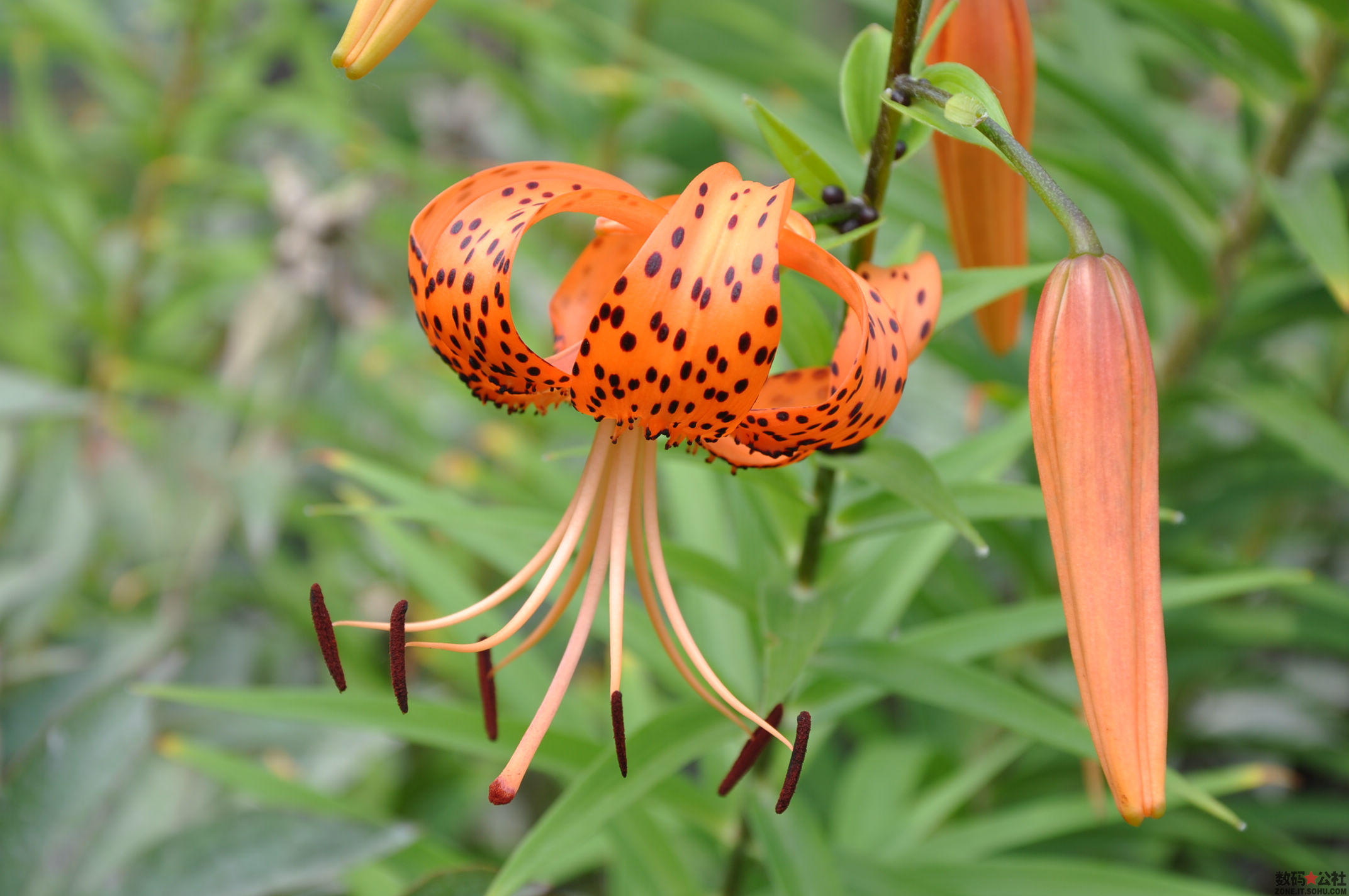
Lilium lancifolium, also known as juan dan, daochui lian and tiger lily, is a perennial herbaceous bulbous plant. It prefers warm, dry climatic conditions and is also fairly tolerant of sunlight. It grows luxuriantly in fertile sandy soil rich in humus with good drainage, with well-developed bulbs and brilliant flower colors. It responds well to nitrogen fertilizer, with soybean cake, rapeseed cake, farmyard compost and compound fertilizer of nitrogen, phosphorus and potassium being the best.
During the growing season, loosen the soil and weed frequently, and carry out intertillage together with watering and fertilizing. Generally, apply diluted liquid fertilizer 2—3 times during the growing season to promote the growth and development of the seedlings. When the buds are about to form and the plant is about to bloom, apply phosphorus and potassium fertilizer 1—2 times to ensure the seedlings have sufficient nutrition during the budding and flowering periods, which can not only make the flowers larger and more brightly colored, but also promote the development of the bulbs.
In the north, choose a sunny, wind-sheltered spot; in the south, it can be planted in a slightly shaded place. The best planting time is August-September. Apply sufficient base fertilizer one month before planting and deep-plow the soil; compost and plant ash can be used as base fertilizer.
Pot cultivation is best done in September-October. The potting mix should be prepared by mixing leaf mold, sandy soil and garden soil in a 1:1:1 ratio, and sufficient fully decomposed compost and a small amount of bone meal should be applied at the bottom of the pot as base fertilizer. The planting depth is generally about 2-3 times the diameter of the bulb.
Lilium lancifolium does not have very high fertilizer requirements; usually, applying fertilizer appropriately when growth begins in spring and at the early flowering stage is sufficient. Some growers abroad believe that lilies need relatively large amounts of nitrogen and potassium fertilizer and should be fertilized once every 10-15 days during the growing season, while phosphorus fertilizer supply should be limited, because too much phosphorus fertilizer can cause the leaves to turn yellow. During the flowering period, phosphorus fertilizer can be applied additionally for 1-2 days.
To make the bulbs plump, promptly cut off the spent flowers after blooming to reduce nutrient consumption. Watering only needs to keep the potting soil moist, but during the peak growing season and in dry weather, water appropriately and more frequently, and often sprinkle water around the flower pot to increase air humidity. The potting soil should not be too wet, otherwise the bulbs are prone to rot. Potted lilies should be repotted once a year, replacing the soil with new potting mix and base fertilizer. In addition, during the growing season, turn the flower pot once a week. Otherwise, the plant tends to grow lopsided, affecting its appearance.
Cultivation methods and precautions for Lilium lancifolium
Cultivation methods for Lilium lancifolium
It grows luxuriantly in fertile sandy soil rich in humus with good drainage, with well-developed bulbs and brilliant flower colors. It responds well to nitrogen fertilizer, with soybean cake, rapeseed cake, farmyard compost and compound fertilizer of nitrogen, phosphorus and potassium being the best.
During the growing season, loosen the soil and weed frequently, and carry out intertillage together with watering and fertilizing. Generally, apply diluted liquid fertilizer 2-3 times during the growing season to promote the growth and development of the seedlings. When the buds are about to form and the plant is about to bloom, apply phosphorus and potassium fertilizer 1-2 times to ensure the seedlings have sufficient nutrition during the budding and flowering periods, which can not only make the flowers larger and more brightly colored, but also promote the development of the bulbs.
In the north, choose a sunny, wind-sheltered spot; in the south, it can be planted in a slightly shaded place. The best planting time is August-September. Apply sufficient base fertilizer one month before planting and deep-plow the soil; compost and plant ash can be used as base fertilizer.
Pot cultivation is best done in September-October. The potting mix should be prepared by mixing leaf mold, sandy soil and garden soil in a 1:1:1 ratio, and sufficient fully decomposed compost and a small amount of bone meal should be applied at the bottom of the pot as base fertilizer. The planting depth is generally about 2-3 times the diameter of the bulb.
Precautions for growing Lilium lancifolium
Lilium lancifolium does not have very high fertilizer requirements; usually, applying fertilizer appropriately when growth begins in spring and at the early flowering stage is sufficient. Some growers abroad believe that lilies need relatively large amounts of nitrogen and potassium fertilizer and should be fertilized once every 10-15 days during the growing season, while phosphorus fertilizer supply should be limited, because too much phosphorus fertilizer can cause the leaves to turn yellow. During the flowering period, phosphorus fertilizer can be applied additionally for 1-2 days.
To make the bulbs plump, promptly cut off the spent flowers after blooming to reduce nutrient consumption. Watering only needs to keep the potting soil moist, but during the peak growing season and in dry weather, water appropriately and more frequently, and often sprinkle water around the flower pot to increase air humidity. The potting soil should not be too wet, otherwise the bulbs are prone to rot. Potted lilies should be repotted once a year, replacing the soil with new potting mix and base fertilizer. In addition, during the growing season, turn the flower pot once a week. Otherwise, the plant tends to grow lopsided, affecting its appearance.
How to grow Lilium lancifolium, cultivation methods and precautions for Lilium lancifolium / sufficient light
Lilium lancifolium is a fairly common flowering plant worldwide, and it can be seen in many regions of our country. However, to grow it well, there are many things we need to pay attention to. Regarding how to grow Lilium lancifolium and what its cultivation methods and precautions are, the editor below will guide everyone through an introduction.
1. How to grow Lilium lancifolium: understand its habits
To know how to grow Lilium lancifolium, we first need to understand its growth habits. This plant is relatively light-loving, so when growing it we should keep it in sufficient light. In addition, daily water and fertilizer management are also points we need to pay attention to. The specific details are introduced below, so let's take a look.
2. Cultivation methods and precautions for Lilium lancifolium
1. Soil: humus soil
Before growing Lilium lancifolium, we first need to choose the soil. This is the step of laying a good foundation and is very important. Generally, it is best to choose loose, fertile humus soil. This kind of soil is rich in nutrients and has good drainage and air permeability, allowing the plant to better absorb nutrients and making water accumulation less likely.
2. Fertilizing: once every 10-15 days
Fertilizer is one of the main nutrients in the growth process of Lilium lancifolium. Especially after it enters its growing season, its demand for fertilizer is very high. Basically, we need to fertilize once every 10-15 days so that the plant grows vigorously. However, when fertilizing, there is one point we should note: the fertilizer must be diluted before application, because if the concentration is too high, it can easily burn the plant.
3. Water: avoid water accumulation
Lilium lancifolium likes to grow in a warm and humid environment, so during its growth process we should water frequently to keep the soil somewhat moist, so that the plant grows better. However, we should also control the amount of watering and not water too much, because this plant is afraid of waterlogging, and if water accumulates, it can easily cause root rot.
4. Light: shade in summer
Lilium lancifolium likes to grow in an environment with sufficient sunlight, but it is not tolerant of strong light. In spring and autumn, when sunlight is relatively suitable, we can grow it outdoors and let it receive light all day. However, after entering summer, because the light is relatively strong, we still need to pay attention to shading to avoid strong light scorching the plant.
5. Pruning: prune branches
In the process of growing Lilium lancifolium, we also need to prune it regularly. Repot in early spring and late autumn. Growers can combine repotting with tidying the plant's root system and pruning branches. This can help the plant's ventilation and light penetration, make the plant look more attractive, and also promote branching.
6. Pests and diseases: timely prevention and control
During the growth of Lilium lancifolium, if we are not careful enough with care, pests and diseases can easily take advantage of the situation. Such problems are very harmful to the plant, so we must deal with them promptly. For specific treatment methods, everyone can refer to the article on pest and disease control for Lilium lancifolium, which contains detailed instruction.