What are the propagation methods for health-promoting potted flowers?
1. Sowing method, carried out in spring and autumn.
2. Division method, carried out in combination with the renewal of old plants, mostly used for perennial herbaceous plants.
3. Cutting method, including leaf cuttings, leaf-bud cuttings, stem cuttings, root cuttings, etc.
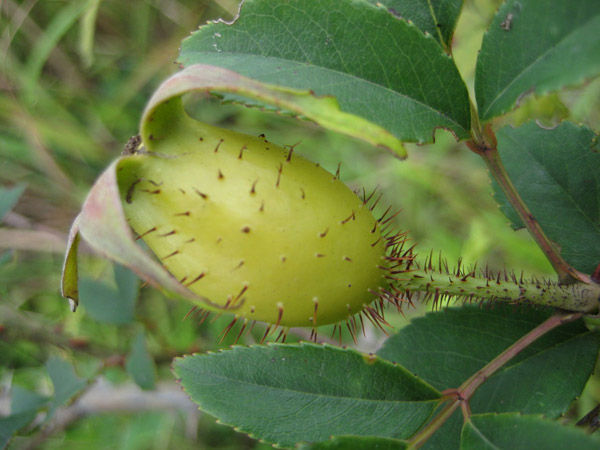
I. The effects and functions of Cherokee rose (Rosa laevigata)
1. Antibacterial and anti-inflammatory: Cherokee rose extract can kill Staphylococcus aureus and Escherichia coli, etc., and can be used to treat diseases caused by Staphylococcus aureus or Escherichia coli infection.
2. Lowering blood lipids: Cherokee rose contains fatty acids, beta-sitosterol, tannins and saponins, etc., which can lower blood lipids and reduce fat deposition in blood vessels, and can be used to treat atherosclerosis.
3. Relieving cough and calming asthma, anti-spasmodic: Asthma and cough are mostly caused by the adverse rising of lung qi. Cherokee rose is sour and astringent in taste, can astringe lung qi, and can relieve cough and calm asthma. Modern research has found that Cherokee rose contains components that resist smooth muscle spasms, which can prevent spasms of the gastrointestinal tract and trachea.
4. Reducing urination and stopping involuntary discharge. Cherokee rose contains a large amount of acidic substances and saponins, which have the effect of restraining the bladder sphincter, prolonging the interval between urinations, and increasing the amount of urine excreted each time, and can be used to treat enuresis and frequent urination.
5. Consolidating essence and reducing urination, astringing the intestines and stopping diarrhea: Cherokee rose contains a large amount of acidic substances, saponins, etc., which can both consolidate the essence chamber to prevent spermatorrhea and slippery discharge in men and excessive vaginal discharge in women, and astringe the intestines to prevent diarrhea and dysentery caused by insufficient restraint due to spleen deficiency.
6. Nutrition of Cherokee rose: The fruit of Cherokee rose has a unique flavor, with a honey taste and a delicate fragrance. It is extremely rich in nutrients, containing sugars (mainly reducing sugars such as fructose), citric acid, malic acid, tannins, vitamins, more than 20 kinds of amino acids, 18 kinds of mineral elements, as well as resins, saponins and other components, with particularly high contents of vitamin C and reducing sugars. According to measurements, every 100 g of fresh Cherokee rose fruit pulp contains 1009 mg of vitamin C, second only to Rosa roxburghii in content, 2 times that of fresh jujube, 10 times that of kiwifruit, and 30 times that of citrus. In addition, Cherokee rose is rich in zinc and selenium; these two elements are essential trace elements for the human body with specific health-care and anti-cancer effects.
II. Cultivation methods for Cherokee rose
1. Soil: Potted Cherokee rose should be given attention to drainage, ventilation and the matching of various nutrients. The ratio is garden soil : leaf mold : rice husk ash = 5:3:2. Before and after overwintering each year, it is suitable to repot, trim roots and change soil.
2. Fertilizing: Cherokee rose likes fertilizer. The base fertilizer is mainly slow-release organic fertilizer. Add liquid fertilizer water once every half month, which can keep the leaves thick, dark green and glossy for a long time. Before germination in early spring, a relatively concentrated liquid fertilizer can be applied once. Do not fertilize during the flowering period. After the flowers fade in June, liquid fertilizer can be applied once again. In September, when the fourth or fifth axillary buds are about to sprout, apply a medium-concentration liquid fertilizer once more. During the dormant period in December, apply decomposed organic fertilizer for overwintering.
3. Watering: During the winter dormant period, keep the soil moist for Cherokee rose; it is enough that it does not dry out completely. In early spring, as branches and leaves grow, appropriately increase the amount of water, watering once in the morning and once in the evening. During the peak growing season and flowering period, the amount of watering needs to be increased. In summer with high temperatures, water evaporation increases, so water once in the morning and once in the evening every day, and avoid direct sunlight exposure. When watering at high temperatures, each watering should allow a small amount of water to seep out from the bottom of the pot. When watering, do not splash water on the leaves to prevent diseases.
4. Pruning: After each flowering period, Cherokee rose must be comprehensively pruned. Generally, light pruning is suitable. Promptly cut off the faded flowers and thin, weak, crossing and overlapping branches, and prune into a natural open-center shape, so that the plant shape is beautiful and the flowering period is prolonged.
How to grow potted aloe: potted aloe cultivation methods
Aloe is a perennial herbaceous plant of the Liliaceae family, succulent and juicy. It has edible, beauty and ornamental value. Aloe is not a sweet and fragrant fruit. What people value in aloe mainly lies in its medical and health-care effects and nutritional value. It contains a large amount of amino acids, vitamins, polysaccharides, anthraquinone compounds, various enzymes, minerals and other elements. Regular use has the effects of sterilizing and reducing inflammation and excreting toxins. It has long been known as the "universal remedy", "family doctor" and "natural beautician". Now let's talk about how to grow potted aloe.
Cultivation methods for potted aloe:
1. Potting method
Before potting, place a piece of broken tile at the bottom of the pot, pressing it over the drainage hole at the bottom of the pot, which can both maintain drainage and prevent the potting soil from leaking out. When potting, first place the aloe seedling upright in the center of the pot, let the root system spread out as much as possible, fill soil to cover the roots, then gently lift the seedling upward a little and press it slightly firm, so that the roots are in close contact with the potting soil above, below, left and right, and firm the potting soil, then add potting soil until it remains 2-3 cm below the pot rim, paying attention to keep the seedling as upright as possible. Finally, slowly water thoroughly into the pot.
2. Repotting
Potted aloe generally needs repotting once every 1-2 years. It is best to repot in spring from April to May and in autumn from September to October each year. When repotting, mastering the correct technique for removing the plant from the pot is very important. During the process of removing it from the pot, keep the soil ball intact and try not to damage the root system. You can turn the potted plant upside down, support the potting soil with your left hand, and sharply tap the rim of the pot with the palm of your right hand several times in a row; the pot and the old potting soil will separate naturally. Then move the aloe together with the soil ball into a larger new pot, add new potting soil around the sides of the new pot, then press the potting soil firm and water thoroughly. After repotting, it still needs to be kept in a semi-shaded place for a period of time, and after it has fully recovered from transplanting, move it to a sunny place for care.
3. Fertilizing
Because potted aloe has wide adaptability, it is best to plant it in sandy soil that retains water and fertilizer, is moist, and has good ventilation. For potted aloe, generally use half leaf mold and half coarse sand, and mix in some decomposed horse manure or dried manure; chicken and duck manure is even better. Aloe usually does not need fertilizing. During the growing period, it can also be given 2-3 applications of decomposed dilute liquid fertilizer, or rice-washing water, and it will grow better. Do not apply overly concentrated fertilizer. For watering, potted aloe should avoid long-term water accumulation. When the soil is too wet, it will cause oxygen deficiency in the plant roots and gradually rot; in daily life, you can spray water on its leaves to keep the surrounding air moist, and water when the soil is dry.
Precautions for aloe cultivation:
1. Pay attention to temperature. Aloe is afraid of cold. It will stop growing at around 5°C and will suffer frostbite at 0°C. Therefore, aloe grows fastest when the cultivation temperature is 15-35°C.
2. Aloe is afraid of water accumulation. Aloe needs to grow in a place with good drainage performance, so when planting, some gravel can be mixed into the soil to prevent the soil from compacting, reducing the water-soaking and air permeability of the aloe roots and causing obstruction of root respiration.
3. Aloe needs photosynthesis. Like other plants, aloe needs sunlight to grow. For newly planted aloe, it is best to let the aloe get some sunlight in the morning, and absolutely avoid direct sunlight at noon.
4. What mainly affects aloe growth is black spot disease. It is not only widespread but also relatively severe in occurrence. The occurrence and spread of black spot disease are mainly due to rainy conditions and low temperatures, and it generally appears obviously in spring. In terms of prevention and control measures, prevention should be taken as the main approach, and an integrated control method combining agricultural cultivation measures such as clearing ditches and draining water stains and lowering soil humidity with chemical agents should be adopted, so as to achieve the purpose of reducing damage.
5. Watering in summer needs attention. Aloe likes light and tolerates heat, but in summer when temperatures are high and rainfall is low, drought must also be prevented. Appropriate watering can let aloe grow quickly. Watering must not be excessive; generally watering once every 5-10 days is enough.
6. Fertilizing aloe. Fertilizer is indispensable to any plant. Aloe not only needs nitrogen, phosphorus and potassium, but also needs some trace elements. To ensure that aloe is a green and natural plant, try to use fermented organic fertilizer. Cake fertilizer, chicken manure and compost are all fine, and earthworm manure fertilizer is even more suitable for growing aloe.
For old aloe plants that have grown for many years, after reaching a certain height, they are prone to lodging, which affects the ornamental value. Therefore, cut them off at 7 cm from the leaf base and use the cutting method, which can make the old aloe plant rejuvenate. The above are the methods for growing potted aloe. I believe that through your careful care, you will certainly make it full of vitality.