The benefits and effects of tulips: ornamental and medicinal, and they can even remove bad breath
The tulip, the national flower of the Netherlands, has a beautiful flower shape and a rich fragrance, making it a highly ornamental and beautiful flower that is deeply loved by flower enthusiasts around the world. However, it is an indisputable fact that tulips are toxic, which also makes many flower enthusiasts hesitate. But besides being toxic, the benefits and effects of tulips are also extremely remarkable. Let's take a look together with the editor below.
I. The benefits and effects of tulips
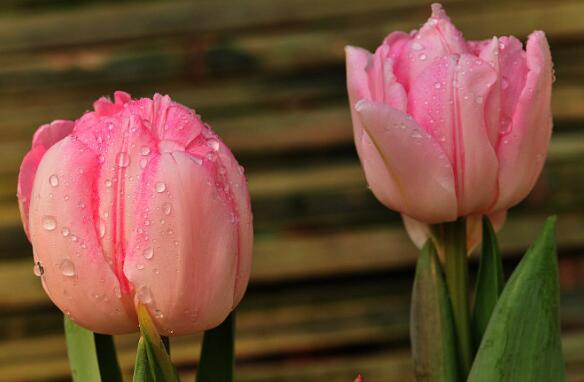
The nobility of the tulip is known to all. It is not only beautiful, but also often appears in novels as a symbol, leaving a deep impression. When it comes to the benefits and effects of tulips, there are actually many. Not to mention its ornamental value, its medicinal value is also remarkable. It has a miraculous effect on chest tightness and distension, and can also treat all kinds of bad breath.
1. Highly ornamental
When it comes to the benefits and effects of tulips, everyone thinks of their ornamental value. After all, they can be said to be one of the most beautiful flowers in the world. As shown in the picture above, tulips have elegant flower shapes, and the blooms are even more dignified and alluring, especially lovable. As the national flower of the Netherlands, tulips attract countless people to sightsee every year, and their ornamental value is fully on display!
An excellent cut flower variety
Because tulips are highly ornamental, and also because they are world-famous bulbous flowers, tulips are also an excellent cut flower variety. They are strong and upright, with elegant and beautiful leaf colors, and lotus-like flowers that are dignified and moving, making them lovable. It is precisely because of this that tulips became the national flower of the Netherlands; otherwise, how could they have received such an honor!
2. Gift-giving
As the national flower of the Netherlands, and also an extremely beautiful flower, its symbolism is also very wonderful. Red tulips represent passionate love, pink tulips represent eternal love, yellow tulips represent cheerfulness, and so on. With so many beautiful meanings, selecting them into a bouquet definitely makes the best gift. So besides ornamental value, the benefits and effects of tulips also include being a gift for others.
3. Edible value, removing bad breath
Although tulip flowers are toxic, they can be eaten. The specific method: collect tulips and dry them in the sun, take 3-5 grams, add clear water, decoct, and then drink; or put an appropriate amount of tulips in a cup, add boiling water to brew, and after cooling, use it to rinse the mouth several times a day, which has a miraculous effect on removing bad breath.
4. Medicinal value, resolving dampness and eliminating foul turbidity
Besides the above points, the most important benefit and effect of tulips is their medicinal value. It is understood that tulips are a flowering plant that can be used as medicine. They are bitter and pungent in taste and neutral in nature, and resolving dampness and eliminating foul turbidity is their most important medicinal effect. In addition, chest and epigastric fullness and oppression, vomiting and abdominal pain, and bad breath with a greasy tongue coating can all be addressed by using tulips as medicine.
Of course, what was said above is a bit general. As far as the editor is concerned, in daily life tulips can treat unpleasant symptoms such as abdominal pain and chest tightness and distension, and can sometimes also treat people with bad breath. It is worth mentioning that after use, they can all achieve good therapeutic effects.
Every part of the tulip can be used as medicine
In addition to the above effects, after tulip juice passes through cation and anion exchange resins, it still has an antibacterial effect on Staphylococcus aureus; the alcohol extract of tulip stems and leaves has an antibacterial effect on Bacilluscereusmycoides, and its active ingredients contain multiple amino acids; the roots and flowers of tulips can be used as a sedative.
In summary, the benefits and effects of tulips include resolving dampness and eliminating foul turbidity, and they can also treat bad breath and other difficult miscellaneous diseases, making them a flower worth growing. However, flower enthusiasts need to keep in mind that tulip flowers and bulbs are toxic, and accidental ingestion can cause symptoms such as vomiting and diarrhea. Therefore, even when tulips are used as medicine, please use them strictly according to a doctor's advice.
The benefits and effects of tulips
Medicinal use
Tulips have very great medicinal value and can effectively resolve turbid qi in the spleen and stomach and treat chest tightness. Moreover, tulips can also be made into aromatic medicine to help remove bad breath. A tulip decoction can remove relatively heavy dampness.
The flowers and leaves of tulips contain toxic alkaloids, which can also affect people, so tulips should not be grown indoors; otherwise, they may cause dizziness, and prolonged contact with tulips can also cause hair loss.
Ornamental use
As a world-famous flower, the ornamental value of the tulip is unquestionable. Its flowers are large and beautiful, especially outstanding and very elegant. Moreover, tulips are also excellent cut flowers, with a harmonious and elegant combination of flowers and leaves.
The benefits and effects of tulips, and the uses of tulips
Tulips are beautiful ornamental plants among roses, can be made into cut flowers, and can also be cultivated at home. Their flower colors are bright and their fragrance is alluring. So what benefits and effects do these beautiful tulips have? Let the editor take everyone to learn about them below.
The benefits and effects of tulips1. The benefits of tulips
Tulips are plants that are not only good-looking but can also be used as medicine. They contain a large amount of salicylic acid, arginine, and some glycoside substances. They are bitter and pungent in taste and neutral in nature, can resolve dampness and eliminate foul turbidity, and have good therapeutic effects on human conditions such as damp turbidity of the spleen and stomach, chest fullness and oppression, nausea and vomiting, and bad breath.
2. Tulips can calm the mind and soothe the nerves
Tulips can calm the mind and soothe the nerves. They contain a large amount of alkaloids, which can directly act on human nerves, can improve nerve cell activity, and have good therapeutic effects on many unpleasant symptoms such as anxiety, irritability, neurasthenia, and insomnia. However, their flowers contain some toxic alkaloids, so when using them normally, be sure to pay attention to safety to avoid poisoning.
3. Tulips can beautify the environment
Tulips can beautify the environment. They have bright colors, beautiful and elegant flowers, and an alluring fragrance. Placing them indoors can beautify the environment, and growing them indoors can also purify the air. In addition, tulips can also be purified into essential oil for human use, which is also very beneficial for removing indoor odors and freshening the air. Tulip essential oil can also be applied directly to the skin, and can reduce inflammation and kill bacteria, preventing dermatitis and eczema.