How to grow mosquito repellent plant? Detailed guide to cultivation methods
The mosquito repellent plant is a perennial herbaceous plant; it survives at temperatures above -3°C; it can be cultivated indoors and outdoors. Generally, the higher the temperature, the stronger the fragrance and the better the mosquito repellent effect, so summer is its peak mosquito repellent period. Seedlings develop very quickly and can grow to maturity in half a year; in the second year the main branches gradually become woody, and it can also be shaped into a bonsai, with good ornamental value and mosquito repellent effect.
The mosquito repellent plant is highly adaptable and is a perennial herbaceous plant that can be cultivated indoors and outdoors. It gives off a rich lemon fragrance year-round and has the effect of repelling mosquitoes and insects and purifying the air. It truly achieves natural biological mosquito repellent without spraying pesticides or using smoke, with no side effects whatsoever. There is no doubt that the mosquito repellent geranium is a perfect combination of nature and modern high-tech bioengineering, and is the most ideal mosquito repellent product for humans. The arrival of this product is of epoch-making significance for improving and maintaining the living, working and learning environment of modern people.
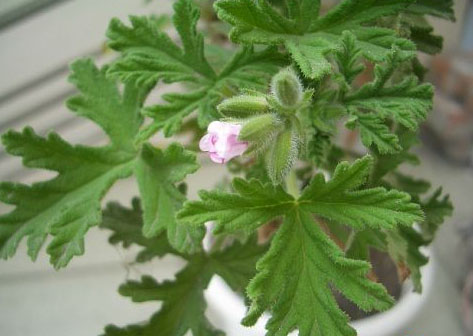
It is usually propagated by sowing and cuttings; cuttings root easily in spring and autumn. In early March, sow the seeds into clean fine sandy soil at a depth of 3 cm. Four hours after sowing, water thoroughly, then keep the potting soil moist, neither too dry nor too wet. In early spring, place it in a warm, bright spot indoors. At a room temperature of about 20°C, it will germinate and root in about 1 month. Then divide and transplant, using ordinary potting mix in a small pot to grow the seedlings; when the seedlings are strong and white roots emerge from the drainage hole at the bottom of the pot, use fertilized potting mix with some crushed hoof pieces as base fertilizer and repot into a chrysanthemum barrel pot for final planting.
The mosquito repellent plant grows fast and needs repotting once a year to add soil and fertilizer, usually from February to early March in early spring. First prune hard, leaving only 3 side buds at the base of each branch, then remove the plant from the pot, pull away the surrounding old and decayed roots, and replace with new fertilized potting mix and apply base fertilizer. After new branches appear in early April, apply a dilute organic liquid fertilizer once a week; in late April, move it outdoors and it will bloom successively. In early June, move it to the inner side of a balcony with scattered light. For courtyard care, move it under tree shade, on the east side of a house, or under a shade shed. Note: water when the soil surface of a small pot turns white, or when the soil 1 cm below the surface of a large pot feels moist. In the high temperatures of July to August, spray water frequently to cool it down and keep the surrounding environment humid; do not let water accumulate in the pot. Move it indoors before the early frost in mid-October; in winter the room temperature should not be lower than 12°C, with sufficient light and fresh air, and it will bloom continuously. For professional cultivation to supply large quantities of flowers for the "May First" holiday, prune heavily in late autumn, move it into a low-temperature room (below 10°C), keep light sufficient, control water to maintain moisture, and provide moderate ventilation.
How to grow the mosquito repellent plant: cultivation methods for the mosquito repellent plant
The mosquito repellent plant is a genetically modified geranium. It can emit a unique aromatic scent, effectively repelling mosquitoes and insects indoors, purifying the air and beautifying the environment. Many people want to grow it as a potted plant indoors, but they just do not know how to grow it well. In fact, the cultivation method for the mosquito repellent plant is very simple; as long as you are attentive, you will certainly be able to grow it well.
1. Propagation
The mosquito repellent plant can be propagated in several ways, including by seed and by cuttings; cutting propagation is the most common, carried out in spring and autumn. When taking cuttings, choose healthy branches of the mosquito repellent plant, insert them into clean fine sand and water thoroughly; after they grow new roots, transplant them into a new flower pot.
2. Soil
Suitable soil is an important condition for growing the mosquito repellent plant. This plant likes neutral to slightly acidic soil. Usually you can use peat soil, vermiculite, perlite, and coal ash and other materials to prepare nutrient soil. If you want to save trouble, you can also buy ready-made foliage plant substrate soil directly from a flower market. In addition, before planting the mosquito repellent plant, you must apply enough base fertilizer in the soil.
3. Temperature
Suitable temperature is also an important condition for the mosquito repellent plant. This plant grows fastest when the outdoor temperature is between 10 and 25°C. In winter it can overwinter safely in an environment above zero degrees, but the release of its fragrance is directly related to the external temperature: the higher the external temperature, the stronger the fragrance it releases, and the better the mosquito repellent effect.
4. Light, water and fertilizer
Light and water are both important factors in growing the mosquito repellent plant. This plant likes a shady environment and should not normally be placed in strong light. During its growth period it does not need much fertilizer or water; under normal circumstances, watering once every three days is enough, but after summer arrives, spray water on its leaves in time to keep the environment humid. In addition, the mosquito repellent plant normally does not need extra fertilizer, but it should be repotted once a year; when repotting, replace with new potting soil and apply enough base fertilizer.
How to grow the mosquito repellent plant, cultivation methods for the mosquito repellent plant
The mosquito repellent plant is a plant that many friends are familiar with. The mosquito repellent plant is a perennial herbaceous or shrub-like plant of the Pelargonium genus. The mosquito repellent plant not only has glossy soft hairs but also has a fragrance, and it has strong vitality. It is often cultivated as an aromatic plant, and because it has a fragrance it is often used for potted ornamental display. My grape trellis also brings you the cultivation methods for the mosquito repellent plant, so that you can more clearly understand how to grow the mosquito repellent plant.
* Growth habits of the mosquito repellent plant
It likes a warm climate and a fresh, cool environment. In winter it is most afraid of severe cold and dry wind, while in summer it is afraid of intense heat and damp heat. The most suitable growing temperature is between 15-20°C.
* Cultivation methods for the mosquito repellent plant
Temperature control: The most suitable growing temperature for the mosquito repellent plant is between 10-25°C. It can overwinter safely above 0°C, and above 15°C it can normally release its lemon fragrance. The higher the temperature, the stronger the fragrance it releases. Spraying an appropriate amount of water mist on the leaves can make its fragrance release continuously, thereby achieving the mosquito repellent effect.
Light adjustment: The mosquito repellent plant likes shade and cannot tolerate strong light during growth. In summer especially, strengthen shading for it; it can also be planted under trees or in shaded places. Household potted plants generally need to be placed indoors for shade cultivation.
Water and fertilizer management: After each repotting, water it once. After 10 days of recovering from transplanting, it can begin to be tested. Spring and autumn are the vigorous growth periods of the plant. Watering should also follow the principle of alternating dry and wet; in the high temperatures of summer, water less and do not fertilize, as this helps the root system develop well and improves its disease resistance.
* Main value
Ornamental value: The mosquito repellent plant can be shaped as a bonsai; like a beautiful flower, it can both repel insects and be ornamental. The mosquito repellent plant releases a lemon fragrance year-round, filling the air with fragrance, freshening the air, and safely repelling mosquitoes. Communities and apartment complexes can also plant it on a large scale to create mosquito repellent green belts, especially in waterside communities.
Mosquito repellent value: The mosquito repellent plant combines the fragrant substances of geranium plants and plants containing citronellal. Under normal circumstances, through photosynthesis, the plant releases its own scent molecules outward, giving it an outstanding effect in repelling mosquitoes and insects.