What are the propagation methods for Jerusalem cherry?
Jerusalem cherry (Solanum pseudocapsicum) is a perennial woody plant in the Solanaceae family, genus Solanum. Common names: coral cherry, lucky fruit, coral seed, coral bean, jade coral, red coral, wild chili, wild sea pepper, ornamental cherry. Jerusalem cherry likes sunlight and prefers a warm, sunny environment; the optimal growing temperature is 18-25 degrees Celsius; it is not drought-tolerant, dislikes waterlogging, and fears flooding. The soil should be loose, fertile and well-drained; rich in phosphorus fertilizer to extend the fruit-bearing period; for potted plants, pinch off the growing tips to encourage more branches, more flowers and more fruit.
Propagation methods: seed sowing or cuttings. Sowing time is spring, March-April; cuttings can be done in both spring and autumn.
Sowing method:
Harvest ripe seeds in winter, rinse and dry them in the sun, and sow before Qingming the following year. For small-scale propagation, sow in a flower pot: scatter the seeds evenly on the surface, cover with a thin layer of soil, then soak in a water basin until thoroughly wet. To keep moist, cover the pot opening with glass or plastic film; in about a week they will germinate, and when new leaves appear, the seedlings can be separated and transplanted. For large-scale seedling production, sow in a seedbed; after sowing, water thoroughly with a fine-holed watering can, then water again whenever the surface dries, keeping it moist. After transplanting, apply one light fertilizer and place in a spot with ample light.
Cutting method:
When taking cuttings, cut (or thin out) growing branches about 8-10 cm long with terminal buds (remove any flower buds if present), and insert them following standard cutting methods. Keep the seedbed or pot soil moist, and regularly spray a fine mist of water on the terminal buds and leaves of the cuttings. At a temperature between 18-28 degrees Celsius, they will root in about 10 days. If the cutting's root system is well developed and the plant is short, it is suitable for growing into a small ornamental fruit potted flower. After cutting in autumn, you can enjoy abundant bright red fruit in winter.
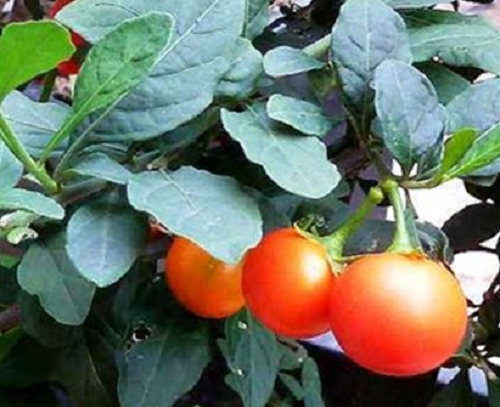
Propagation methods for Jerusalem cherry
Jerusalem cherry (Solanum pseudocapsicum) is a perennial woody plant in the Solanaceae family, genus Solanum. Common names: coral cherry, lucky fruit, coral seed, coral bean, jade coral, red coral, wild chili, wild sea pepper, ornamental cherry. Jerusalem cherry likes sunlight and prefers a warm, sunny environment; the optimal growing temperature is 18-25°C; it is not drought-tolerant, dislikes waterlogging, and fears flooding. The soil should be loose, fertile and well-drained; rich in phosphorus fertilizer to extend the fruit-bearing period; for potted plants, pinch off the growing tips to encourage more branches, more flowers and more fruit.Propagation methods: seed sowing or cuttings. Sowing time is spring, March-April; cuttings can be done in both spring and autumn.
Sowing method. Harvest ripe seeds in winter, rinse and dry them in the sun, and sow before Qingming the following year. For small-scale propagation, sow in a flower pot: scatter the seeds evenly on the surface, cover with a thin layer of soil, then soak in a water basin until thoroughly wet. To keep moist, cover the pot opening with glass or plastic film; in about a week they will germinate, and when new leaves appear, the seedlings can be separated and transplanted. For large-scale seedling production, sow in a seedbed; after sowing, water thoroughly with a fine-holed watering can, then water again whenever the surface dries, keeping it moist. After transplanting, apply one light fertilizer and place in a spot with ample light.
Cutting method. When taking cuttings, cut (or thin out) growing branches about 8-10 cm long with terminal buds (remove any flower buds if present), and insert them following standard cutting methods. Keep the seedbed or pot soil moist, and regularly spray a fine mist of water on the terminal buds and leaves of the cuttings. At a temperature between 18-28°C, they will root in about 10 days. If the cutting's root system is well developed and the plant is short, it is suitable for growing into a small ornamental fruit potted flower. After cutting in autumn, you can enjoy abundant bright red fruit in winter.