What to Do When Morning Glory Leaves Turn Yellow? 6 Solutions for Overwatering and Temperatures That Are Too Low
The morning glory, which needs no introduction, is also called the morning glory [trumpet flower] and often appears along rural roadsides; it is a flower deeply loved by gardening enthusiasts. Nowadays, many gardeners grow morning glories in pots at home, but due to improper care, problems often arise, such as yellowing leaves. So what should you do when morning glory leaves turn yellow? Below are several causes of yellowing morning glory leaves and their solutions. If you love flowers, you must take a look~
I. What to Do When Morning Glory Leaves Turn Yellow: Find the Cause
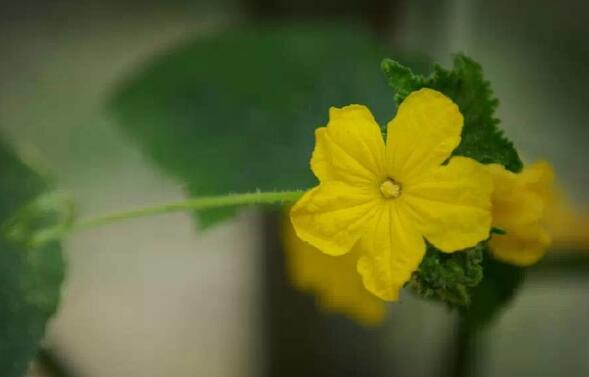
Earlier, in the morning glory care guide, we introduced its requirements for watering, fertilizing and temperature. Once these are not met, yellowing leaves will appear. As for what to do when morning glory leaves turn yellow, just find out which point is the problem and address it accordingly. Below are 6 causes of yellowing morning glory leaves and their solutions. Keep reading.
II. Causes of Yellowing Morning Glory Leaves and Solutions
1. Environmental change
When morning glory leaves turn yellow, the first thing to consider is environmental change. Many gardeners find that when they first buy a morning glory, its leaves are still emerald green, but soon afterward the leaves turn yellow. This is actually a normal reaction, because after the morning glory is purchased, the sudden change in its growing environment makes it unable to adapt at all.
Solution: When buying, communicate with the seller and ask them to explain the morning glory's growing conditions, try to let the morning glory grow in the same environment, or you can slowly change its environment so that it has a process of adaptation.
2. Overwatering
Overwatering is also one of the causes of yellowing morning glory leaves. Overwatering: water accumulates in the pot, the leaves cannot absorb nutrients, and after being affected, the young leaves first turn pale yellow, then the old leaves gradually turn yellow as well.
Solution: When overwatering occurs: immediately control watering, stop fertilizing, and frequently loosen the soil so that the soil is well aerated; or simply repot the soil to make the morning glory fresh and clean again.
3. Too much or too little fertilizer
Improper fertilization will bring on yellowing morning glory leaves. With too much fertilizer, the morning glory's new leaves become overly thick and fleshy, and their surface is mostly uneven; the old leaves dry at the tips, turn scorched yellow and fall off. With too little fertilizer, the potting soil lacks nitrogen and other nutrient elements, causing the dwarf morning glory's branches and leaves to grow thin and weak, with thin, yellow leaves.
Solution: When too much fertilizer is applied: immediately stop fertilizing, increase the amount of watering so the fertilizer flows out through the drainage holes; or immediately knock the plant out of the pot, rinse the root ball with water and then replant it in the pot. When too little fertilizer is applied: promptly knock the plant out of the pot, replace with fresh fertile, loose potting soil, and gradually apply more compound flower fertilizer or dilute liquid fertilizer.
4. Temperature too high or too low
The growth of morning glory is related to temperature. If the indoor temperature is too high, it will strengthen the plant's transpiration, causing the roots' water and nutrient supply to fall short of demand, which makes the leaves turn yellow. If the winter temperature is too low, the threat of cold damage increases, and the morning glory is easily affected by low temperatures with leaves turning yellow; in severe cases the plant withers and dies.
Solution: When the temperature is too high: promptly move it to a well-ventilated, cool place for care. When the temperature is too low: promptly adjust the room temperature according to the situation. Reference: the morning glory is not cold-tolerant, and its optimal growing temperature is 13-18°C.
5. Damage from pests and diseases
When it comes to yellowing morning glory leaves, pest and disease damage definitely counts as one cause. It can be affected by leaf spot disease, which easily causes localized necrosis of the leaves; if not treated promptly, it can even cause entire leaves to wither, turn yellow and fall off. In addition, infestation by pests such as aphids causes mottled yellow-green patches on the leaves.
Solution: When pest or disease damage is found, promptly spray pesticides such as thiophanate or dimethoate for control. More specific details are given in the morning glory pest and disease control guide, so I won't say more here.
6. Spraying too much pesticide
We mentioned pest and disease damage and spraying pesticide for treatment earlier. But if too much pesticide is sprayed, it easily causes the leaf tips or parts of the leaf surface to turn yellow and scorch; in severe cases the whole plant withers and dies, and the symptom of yellowing morning glory leaves naturally appears. Solution: Be careful when spraying, then wash the leaves, and repot the soil if necessary.
7. Lack of pruning
Many gardeners think that after buying a morning glory, no pruning is needed, but this is actually wrong. Lack of pruning leads to insufficient light for the normal needs of the inner branches and leaves, and also easily causes leaves to turn yellow and drop. Solution: Very simple, just prune appropriately; here you can look at the morning glory pruning method.
How to Grow Dwarf Morning Glory in Pots on a Home Balcony; What to Do When Dwarf Morning Glory Leaves Turn Yellow
Growing flowers on a balcony is something most people enjoy doing, especially for those living in cities; growing green plants at home can beautifully enhance the home environment and improve air quality. The dwarf morning glory is not only beautiful in appearance but also has some value in other respects.
How to Grow Dwarf Morning Glory in Pots on a Home Balcony
1. Care introduction
In southern regions, dwarf morning glory can be planted in all four seasons, needing only some seeds, while in the north spring sowing is the main method, and around June is also quite suitable. Sowing is very simple; the potting soil is best a loose, well-draining sandy soil. After watering it moist, scatter the seeds fairly evenly and do not cover them with soil, because its seeds are too small. Afterward keep it moist, supplying water by the soaking method, as a heavy stream easily washes the seeds away. Then provide a warm environment (above 20°C), keep it moist, and within a week you can see small sprouts. Begin gradually exposing them to light, and once they grow to 4 true leaves you can appropriately give a thin fertilizer (nitrogen fertilizer).
2. Later care
Transplanting can be done when the dwarf morning glory grows 4-6 true leaves. You can choose a pot around 15 cm for care; the diameter should not be too large, otherwise it is hard to control moisture when watering and water easily accumulates, rotting the roots and causing the cultivation to fail. After transplanting, do not shade it completely; it rather likes sunlight, so give appropriate scattered light and slowly increase the light. Carry out transplanting at a temperature around 20°C, not below 15°C, and just be careful not to let it get frozen. Afterward the care is fairly simple: water only when dry, and water thoroughly when you do. Apply thin fertilizer frequently; choose a fertilizer with high nitrogen and potassium content and appropriately lower phosphorus. For nitrogen fertilizer you can choose urea, and for compound fertilizer just choose one with nitrogen, phosphorus and potassium. Pinch back once in summer to promote branching.
What to Do When Dwarf Morning Glory Leaves Turn Yellow
1. Water and soil aspects
The water and soil suitable for dwarf morning glory growth are mainly slightly acidic. In contrast, in slightly alkaline water and soil, the water lacks soluble iron and other elements that the dwarf morning glory can absorb and use; long-term insufficient absorption will cause the leaves to turn yellow. Therefore when planting, pay attention to choosing slightly acidic water and soil, and during the growing period frequently water with alum fertilizer water.
2. Humidity aspects
Abnormally dry indoor air is also often an important reason for phenomena such as dry leaf tips or scorched leaf edges in dwarf morning glory. At this time you can use methods such as spraying water or covering with a plastic film cover to raise the indoor air humidity.
3. Light aspects
Too little light: if the dwarf morning glory grows long-term in a shaded environment lacking light, its branches and leaves will turn yellow, because the dwarf morning glory itself likes sun and dislikes shade. (Too much light) Of course, placing the dwarf morning glory in a high-temperature spot under direct strong sunlight is also a wrong practice, as this very easily causes the tips and edges of young leaves to scorch, or the leaves to turn yellow and drop. At this time it should be moved to a well-ventilated, shady place for protection.
4. Fertilization aspects
Too much fertilizer: excessive fertilization will make the dwarf morning glory's new leaves overly thick and fleshy, with a mostly uneven surface, while the old leaves dry at the tips, turn scorched yellow and fall off. You must immediately stop fertilizing and let the excess fertilizer drain away by increasing the amount of water changed, or immediately use the knock-out-of-pot method, rinse the bulb and replant it in the original pot.
Too little fertilizer: if the dwarf morning glory lacks nitrogen fertilizer for a long time or has never had its pot or water changed, the water will lack nitrogen and other nutrient elements, causing the dwarf morning glory's branches and leaves to grow thin and weak, with thin, yellow leaves. You need to gradually apply more dilute, well-rotted liquid fertilizer or compound flower fertilizer in the new culture water to improve it promptly.
5. Temperature aspects
Too low temperature: overly low room temperature in winter increases the threat of cold damage, and the dwarf morning glory is easily affected by low temperatures with leaves turning yellow; in severe cases the plant withers and dies. Too high temperature: if the indoor temperature is too high, it will strengthen the plant's transpiration, causing the roots' water and nutrient supply to fall short of demand, which likewise makes the leaves turn yellow.
The habits of dwarf morning glory
The dwarf morning glory is a long-day plant. Given sufficient sunlight, it takes more than 100 days from sowing to flowering.
The dwarf morning glory is not cold-tolerant and fears waterlogging; the most suitable growing temperature is 13-18°C.
In winter, the most suitable growing temperature for dwarf morning glory is 4-10°C, and it stops growing below 4°C.
In summer, the dwarf morning glory can withstand high temperatures above 35°C, and vigorous growth requires plenty of water.
During the plum rain season, avoid overly wet potting soil causing the dwarf morning glory's stems and leaves to grow leggy, or even root rot and death from long-term water accumulation.
The medicinal value of dwarf morning glory
The seeds of the morning glory are also called qianniuzi, heichou and baichou, and can be used medicinally. They have good effects in purging, diuresis, reducing swelling and expelling parasites, and also have fairly good therapeutic effects on edema complicated by chronic nephritis, and on facial acne and freckles.
The seeds of the dwarf morning glory are a very good medicinal material, able to help the human body treat some diseases while also having a cosmetic effect. In short, as long as you grow dwarf morning glory with normal care methods, you can get fairly good returns, so interested friends might consider it!
Morning Glory Pest and Disease Control Methods
1. Brown spot disease
Symptoms: When this disease occurs, round or polygonal lesions appear on the leaves, usually with a dark gray center and dark brown edges. The surface of the lesions produces many pale black mold layers; in severe cases the lesions cover the entire leaf and the leaf withers.
Control method: Plant appropriately closely, avoid excessive watering, and promptly remove diseased leaves; at the early stage of the disease, promptly spray Guoguang Bixian, once every 7-10 days, and 2-3 consecutive sprays are enough.
2. Damping-off
Symptoms: The morning glory originally grows creeping, but damping-off disease can also occur. When the disease strikes, the whole plant droops and lies flat on the ground, and the leaves gradually turn yellow and rot.
Control method: Once the disease occurs, promptly pull out the diseased plants, and use agents such as Previcur, Yishuangling and Genbingzhi to drench the soil; you can also use 800-1000 times dilution of chlorothalonil or thiophanate-methyl for control.