What to Do When Narcissus Leaves Turn Yellow? 7 Tips to Control Temperature and Fertilize on Schedule
Narcissus, a flower that sounds lovely just by its name, is not only beautiful in flower shape with bright colors, but also gives off a captivating fragrance, making it deeply popular and well-loved. However, during cultivation, for various reasons, symptoms of yellowing leaves can appear. So what should you do when narcissus leaves turn yellow? Below are 7 carefully compiled causes and solutions for yellowing narcissus leaves. Let's take a look!
I. What to Do When Narcissus Leaves Turn Yellow - Find the Cause
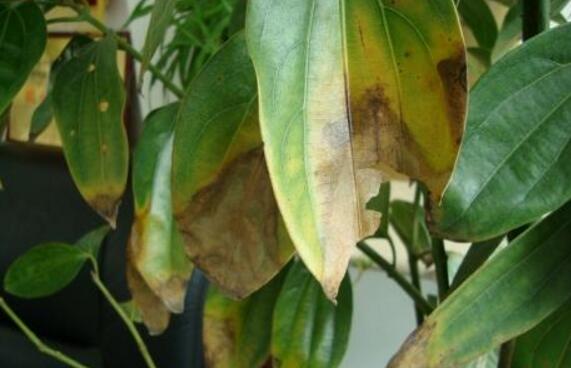
In our guide to narcissus cultivation methods, we introduced the narcissus's requirements for soil, light, water and so on. Once we fail to meet them, symptoms of yellowing leaves will appear. At this point, flower lovers should not panic, but should carefully find the cause and see what exactly is causing it. Below are 7 causes and solutions for yellowing narcissus leaves. Let's continue reading.
II. Causes and Solutions for Yellowing Narcissus Leaves
1. Environmental changes
Online, many flower lovers report that the narcissus they bought was fine at first, but after not growing it for long, its leaves turned yellow. They want to know the cause of yellowing narcissus leaves. For this, we suggest first considering the issue of environmental changes, because when the growing environment changes drastically, the narcissus may not be able to adapt, thus showing symptoms of yellowing leaves.
Solution: When buying narcissus, you can communicate with the shop to learn about its growing environment, and then after buying it, it's best to keep the environment unchanged. Once yellowing narcissus leaves are caused by environmental changes, flower lovers should appropriately adjust the environment so the narcissus gradually adapts. It should recover its health before long.
2. Soil on the alkaline side
For potted narcissus, the most important thing is naturally the soil. Once the soil choice is wrong, the problem is very serious. Narcissus prefers loose, fertile, slightly acidic soil, so if the soil is alkaline, it will affect the plant's growth, causing narcissus leaves to turn yellow. Or, watering with tap water over a long period can gradually dilute the soil, leading to an alkaline condition.
Solution: If it's a soil problem, flower lovers should immediately change the potting soil and choose loose, fertile, acidic sandy soil. Then after a period of care, the narcissus will regain its luster.
3. Improper watering
When it comes to yellowing narcissus leaves, the first thing we should think of is watering. It's understood that narcissus prefers a moist environment and requires slightly acidic water. So when flower lovers water the narcissus's potting soil, because the water has a low iron content, the leaves will gradually turn yellow due to iron deficiency and lack of nutrients.
Solution: If yellowing narcissus leaves are found to be caused by watering, flower lovers should use water rich in iron. To ensure the nutrients needed for growth, during the narcissus's growing period, water more with alum fertilizer water, so the leaves won't turn yellow due to iron deficiency.
4. Temperature too low
Besides the above points, improper temperature is also one of the causes of yellowing narcissus leaves. It's understood that narcissus is not cold-tolerant and is afraid of the cold. When the temperature is too low, it is easily frostbitten, thus showing symptoms of yellowing leaves.
Solution: When winter temperatures are low, adjust the room temperature in time; if conditions permit, you can turn on the air conditioner. Before this, everyone must understand the narcissus's growth habits and keep the temperature balanced.
5. Light too strong
In the flower world, almost all flowers need light, and narcissus is naturally no exception. However, although narcissus likes light, it avoids direct strong light. Once the narcissus is exposed to the strong summer sun, its leaves will show symptoms of yellowing.
Solution: In the strong summer sun, flower lovers should move the narcissus to a well-ventilated and shady place to avoid strong light. After caring for it this way for a period, the leaves will gradually return to normal.
6. Over-fertilizing or not fertilizing for a long time
When it comes to the causes of yellowing narcissus leaves, fertilizing is also something to pay attention to. Although narcissus likes fertilizer, once too much fertilizer is applied, it will cause fertilizer burn, causing old leaves to wither and yellow; but if no fertilizer is applied for a long time, especially no nitrogen fertilizer, the soil will lack nitrogen and other nutrients, and the leaves will gradually wither and turn yellow.
Solution: When too much fertilizer has been applied, stop fertilizing immediately and increase the amount of water to let the excess fertilizer leach away. Or simply change the potting soil directly to let the narcissus dry out; when fertilizer is lacking, flower lovers can apply compound flower fertilizer, and after a period, your narcissus will recover.
7. Pest and disease problems
If the above points can be ruled out, then the yellowing narcissus leaves are caused by pests and diseases. Because when narcissus suffers from leaf spot disease, it easily causes local necrosis of the leaves, thus showing symptoms of withered yellow leaves; and when attacked by pests such as scale insects and red spider mites, these pests will cause parts of the narcissus leaves to wither and yellow, or even the whole leaf to wilt and fall off.
Solution: When pests and diseases appear, spray the relevant chemicals to cure the disease and completely eliminate the pests. As for exactly what chemicals to spray, there is a detailed introduction in narcissus pest and disease control, so we won't say more here.
What to Do When Narcissus Leaves Turn Yellow - Methods for Handling Yellowing Narcissus Leaves
Narcissus habits: Narcissus is an autumn-planted bulbous greenhouse flower. It likes plenty of sunlight, has strong vitality, can tolerate partial shade, and is not cold-tolerant. It sheds leaves and goes dormant in July-August, and during the dormant period, flower bud differentiation occurs in the growing point portion of the bulb. It has the physiological characteristics of growing in autumn and winter, blooming in early spring, and going dormant in summer. Narcissus likes light, water, and fertilizer, and is suited to warm, humid climate conditions and prefers fertile sandy soil. In the early growth stage it likes coolness, in the middle stage it is slightly more cold-tolerant, and in the late stage it likes warmth. Therefore, it requires a climate environment with no severe cold in winter, no extreme heat in summer, and plenty of rain in spring and autumn.
During the narcissus cultivation process, if yellowing leaves appear, it must be related to the growing environment, and also to whether your own care methods are appropriate. Let's take a look:
Analysis of Causes of Yellowing Narcissus Leaves 1. Unreasonable temperatureNarcissus is an autumn-planted bulbous greenhouse plant. It likes sufficient light but also avoids direct strong light. When the temperature is hot and too high, still letting the narcissus be exposed to the sun without proper shading easily makes the narcissus leaves wither and turn yellow. Narcissus is not cold-tolerant and is afraid of the cold. When the temperature is too low, the narcissus is easily frostbitten, causing leaves to turn yellow, and in severe cases to wither and yellow to death. So when caring for narcissus, you must follow its growth habits and keep the temperature balanced and warm.
2. Inappropriate water and soilNarcissus prefers a moist environment, and its growth requires acidic water and loose, fertile, acidic sandy soil. When watering and caring for it, using only ordinary water without paying attention to the iron content in the water will also cause the leaves to gradually turn yellow due to iron deficiency and lack of nutrients.
If the soil used for planting and care is not suitable acidic soil, it will also lead to a lack of nutrients needed for growth and cause the leaves to turn yellow.
3. Over-fertilizing or not fertilizing for a long timeAlthough narcissus likes fertilizer, fertilizing must be done in moderation. When too much fertilizer is applied, new leaves will grow thick and fleshy with an uneven leaf surface, while old leaves will become dry and yellow.
Not fertilizing for a long time, especially not applying nitrogen fertilizer, will make the soil lack nitrogen and other nutrients, and the leaves will gradually wither and turn yellow.
4. Pest and disease problemsDuring cultivation, narcissus is most prone to leaf spot disease caused by the invasion of fungi and other pathogens. Leaf spot disease causes yellow spots to appear on the leaves, and the yellow spots gradually expand and spread across the entire leaf.
Pests include scale insects, red spider mites and so on. These pests will cause parts of the leaves to wither and yellow.
How to Handle Yellowing Narcissus Leaves 1. Control the growing temperatureHow do you control the narcissus growing temperature? Don't worry. In hot, high temperatures, you only need to promptly move the narcissus to a well-ventilated and shady place to avoid strong light. This will gradually return the leaves to normal.
2. Pay attention to watering and the selection of soilWhen planting narcissus, you must choose acidic soil to ensure the nutrients needed for growth. During the narcissus's growing period, water with alum fertilizer water. This way, the leaves won't turn yellow due to iron deficiency.
3. Fertilize on schedule and in the right amountWhen caring for narcissus, you must fertilize on schedule and in the right amount. If too much fertilizer has been applied, you can try changing the water to let the excess fertilizer leach away, or immediately repot and rinse the bulb area with clean water.
If the leaves have turned yellow because no fertilizer has been applied for a long time, you can use fresh culture water to apply diluted, decomposed liquid fertilizer or compound flower fertilizer. This way, you can save the yellowed leaves and let them grow again.
4. Pest and disease control: When pests and diseases appear, the most effective method is to spray chemicals to completely eliminate them.
What to Do When Narcissus Leaves Turn Yellow
Causes of Yellowing Narcissus Leaves
During the narcissus cultivation process, if yellowing leaves appear, it must be related to the growing environment, and also to whether your own care methods are appropriate. Let's take a look:
Cause one: Unreasonable temperature
Narcissus is an autumn-planted bulbous greenhouse plant. It likes sufficient light but also avoids direct strong light.
When the temperature is hot and too high, still letting the narcissus be exposed to the sun without proper shading easily makes the narcissus leaves wither and turn yellow.
Narcissus is not cold-tolerant and is afraid of the cold. When the temperature is too low, the narcissus is easily frostbitten, causing leaves to turn yellow, and in severe cases to wither and yellow to death.
So when caring for narcissus, you must follow its growth habits and keep the temperature balanced and warm.
Cause two: Inappropriate water and soil
Narcissus prefers a moist environment, and its growth requires acidic water and loose, fertile, acidic sandy soil.
When watering and caring for it, using only ordinary water without paying attention to the iron content in the water will also cause the leaves to gradually turn yellow due to iron deficiency and lack of nutrients.
If the soil used for planting and care is not suitable acidic soil, it will also lead to a lack of nutrients needed for growth and cause the leaves to turn yellow.
Cause three: Over-fertilizing or not fertilizing for a long time
Although narcissus likes fertilizer, fertilizing must be done in moderation
When too much fertilizer is applied, new leaves will grow thick and fleshy with an uneven leaf surface, while old leaves will become dry and yellow.
Not fertilizing for a long time, especially not applying nitrogen fertilizer, will make the soil lack nitrogen and other nutrients, and the leaves will gradually wither and turn yellow.
Cause four: Pest and disease problems
During cultivation, narcissus is most prone to leaf spot disease caused by the invasion of fungi and other pathogens. Leaf spot disease causes yellow spots to appear on the leaves, and the yellow spots gradually expand and spread across the entire leaf.
Pests include scale insects, red spider mites and so on. These pests will cause parts of the leaves to wither and yellow.
Prevention and Control of Yellowing Narcissus Leaves
Once the causes of yellowing narcissus leaves are found, prevention and control become easy!
First: Control the growing temperature
How do you control the narcissus growing temperature? Don't worry. In hot, high temperatures, you only need to promptly move the narcissus to a well-ventilated and shady place to avoid strong light. This will gradually return the leaves to normal.
Second: Pay attention to watering and the selection of soil
When planting narcissus, you must choose acidic soil to ensure the nutrients needed for growth. During the narcissus's growing period, water with alum fertilizer water. This way, the leaves won't turn yellow due to iron deficiency.
Third: Fertilize on schedule and in the right amount
When caring for narcissus, you must fertilize on schedule and in the right amount. If too much fertilizer has been applied, you can try changing the water to let the excess fertilizer leach away, or immediately repot and rinse the bulb area with clean water.
If the leaves have turned yellow because no fertilizer has been applied for a long time, you can use fresh culture water to apply diluted, decomposed liquid fertilizer or compound flower fertilizer. This way, you can save the yellowed leaves and let them grow again.
Fourth: Pest and disease control
When pests and diseases appear, the most effective method is to spray chemicals to completely eliminate them.
[Flower Growing Complete Guide] is a signed author of the Toutiao account