What to do when azalea leaves turn yellow? 5 points to note, including too much light
Azaleas are surely familiar to everyone. They are one of China's top ten famous flowers, with extremely strong ornamental value that pleases the eye. However, during cultivation, for various reasons, azalea leaves can show yellowing symptoms, seriously affecting the ornamental effect. So what should be done when azalea leaves turn yellow? Below are 5 causes of yellowing azalea leaves and their solutions. Take a look!
1. What to do when azalea leaves turn yellow: light is key
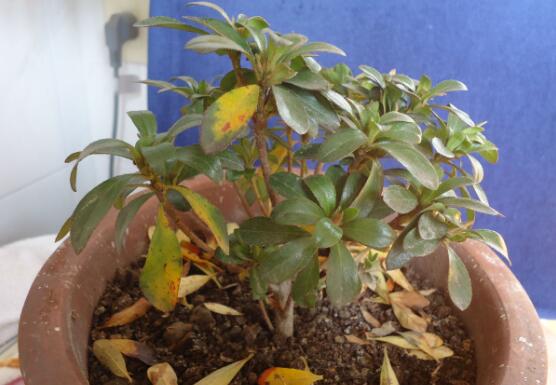
In the cultivation methods and precautions for azaleas, we learned that azaleas have strict requirements for soil, light, water and fertilizer, and once these do not meet the standard, problems will arise, with yellowing leaves being just one of them. As for what to do when azalea leaves turn yellow, it is actually very simple: find the cause and then solve it accordingly. There are many reasons azalea leaves turn yellow, summarized below into the following 5 points, with solutions attached.
2. Causes of yellowing azalea leaves and solutions
1. Environmental change
Online, many flower growers report that their azaleas looked perfectly fine when they first bought them. But after keeping them for only a short time, the leaves turned yellow, and they all want to know what to do when azalea leaves turn yellow. For this, the editor suggests considering the issue of environmental change, because when the growing environment of an azalea changes greatly all at once, it cannot adapt, resulting in yellowing leaves.
Solution: When buying an azalea, communicate more with the seller and ask about its growing environment, and after bringing it home, try to keep the azalea's growing environment unchanged. If the yellowing leaves are caused by environmental change, flower growers can slowly change the environment so the azalea gradually adapts. Believe that before long, its leaves will return to health.
2. Alkaline soil
Azaleas like fertile, breathable, slightly acidic soil. If you are careless and casually choose some alkaline soil, then the azalea's growth will have problems, and yellowing leaves will appear.
Solution: If the yellowing azalea leaves are caused by soil, it is best to change the soil, choosing acidic soil as much as possible. Then during the growing period, water more with alum water, or add a little edible vinegar. Believe that before long, your azalea will return to health.
3. Too much or too little light
Azaleas are shade plants and have requirements for light, but not high ones, and when the sun is too strong, shading is also needed. Once the light is too strong, it will cause the azalea's branches and leaves to grow leggy, with thin and yellowing leaves. In addition, if azaleas are kept out of light for a long time, their leaves will also turn yellow.
Solution: When the light is too strong, the flowerpot needs to be moved promptly to a sunny spot or a shaded spot. If the leaves have already turned yellow, they should be moved indoors immediately and carefully cared for for a few days. When there is too little light, move the azalea outdoors when the sun is not strong.
4. Improper temperature
Because azaleas are plants from the Mediterranean coast, their optimal growing temperature is 15-25°C, and in winter they can overwinter safely if kept above 10°C. But once the winter temperature is too low, azaleas will suffer cold damage, causing yellowing leaves and, in severe cases, even plant death.
Solution: In mid-October each year, move the azalea indoors for care, place it in a sunny spot, and keep the room temperature at around 10°C. If the leaves have already turned yellow, then even more should the room temperature be kept at around 10°C, and with careful care for a period of time, they will recover.
5. Stimulation by chemicals
It is very normal for azaleas to be harmed by insects, but when spraying insecticide, because azalea leaves are very fragile and cannot tolerate the stimulation of the chemicals, the leaves may turn yellow. In addition, sudden temperature changes, from cold to hot, can also cause azalea leaves to turn yellow.
Solution: To avoid strong stimulation of azaleas, pesticides should be used reasonably and unnecessary air pollution reduced. Regarding temperature, pay attention to keeping the azalea warm. Do these two things, and believe your azalea will soon recover.
What to do when azaleas drop leaves? What to do when azalea leaves turn yellow and black
What to do when carefully cared-for azaleas drop leaves, when azalea leaves turn yellow and black, and what to do when azalea leaves dry up. Below, let the editor tell everyone about the causes of these conditions and their solutions.
What to do when azaleas drop leaves
Azaleas dropping leaves is often caused by improper care, usually due to inappropriate temperature and humidity, light, or water and fertilizer.
1. Unsuitable temperature and humidity. Azaleas are suited to growing at a temperature of 15-30°C, with humidity requirements above 60%. Other environments are not suitable for azalea growth, and leaf drop is also normal.
Solution: Adjust the environment's temperature and humidity by regulating light, watering, and other means, keeping it in an environment suitable for azalea growth.
2. Long-term lack of light. If azaleas are placed in a dark corner for a long time, the leaves are prone to withering and then dropping. Although azaleas like shade, they still need normal photosynthesis to grow, so sufficient light is required.
Solution: Move the azalea to a place with sufficient light, and after the weather warms up in spring and summer, move it to a semi-shaded place.
3. Improper water and fertilizer. Excessive drought, water accumulation in the pot, and too much fertilizer can all cause azaleas to drop leaves.
Solution: Azaleas have fibrous roots and poor drought tolerance, so during cultivation you must water in time, but also be careful not to water too much; an appropriate amount is enough. If there is water accumulation, pour it out promptly or replace the potting soil.
What to do when azalea leaves turn yellow
1. Improper water and fertilizer. Azalea roots are delicate and afraid of waterlogging and heavy fertilizer. If watering is insufficient or excessive, or if fertilizer is too concentrated or unrotted raw fertilizer is applied, it will cause leaves to turn yellow and, in severe cases, the whole plant to die. Water and fertilizer should be appropriate; when water and fertilizer are excessive, you can repot and change the soil.
2. Soil and water are alkaline. Azaleas like slightly acidic, loose soil. If the potting soil is alkaline or alkaline water is used for irrigation for a long time, it will affect the plant's absorption of iron, causing iron deficiency and thus yellowing leaves. You can buy some ferrous sulfate and water the azalea daily with a 0.2% solution, or add a few drops of edible vinegar to the water used for watering flowers to increase soil acidity.
3. Poor root absorption. When summer temperatures are high, yellowing is especially obvious, and after the autumn cools it improves somewhat or returns to green. Although the symptoms resemble iron deficiency, supplementing iron has no effect on it. For this type of yellowing phenomenon, measures to protect and care for the roots should be taken. In winter, keep a relatively high temperature; in summer when temperatures are high, provide shade, spray water around the environment to lower the temperature, and maintain good ventilation to promote healthy growth and development of the plant's root system.
What to do when azalea leaves turn black
Azalea leaves turning black may be due to brown spot disease or black spot disease, often caused by the azalea's growing environment being too shady and humid or poorly ventilated.
Brown spot disease is one of the main diseases of azaleas. It causes affected leaves to turn yellow and fall off, affecting flowering that year and the development of flower buds the following year. It is prone to occur during the plum rain season when air humidity is high.
The treatment method is to usually ensure the plant has ventilation and light, not let humidity become too high, and apply more organic fertilizer and mixed nitrogen-phosphorus-potassium fertilizer to enhance the plant's resistance to infection and its growth ability. If diseased leaves are found, remove them promptly and burn them in a centralized way. In the early stage of disease occurrence, spray 0.5% Bordeaux mixture or 0.4 Baume lime sulfur mixture, and add 4% flour to increase adhesion. Leaf spot disease and black spot disease can also be treated with the same method.
What to do when azalea leaves dry up and wilt
The most likely cause of azalea leaves drying up and wilting is improper watering. Azaleas like water but avoid prolonged waterlogging. If water accumulates in the pot for a long time, the plant cannot bear it; the root system will first rot, then the plant will wilt and may even die. It is recommended to first pour out the accumulated water in the saucer, place it in a ventilated, cool place, and care for it in a semi-shaded environment. Do not water or spray water until the soil in the pot is on the drier side, then water appropriately. If watering is too little, leaf wilting will likewise occur, and timely watering can make the azalea regain its vitality.
What to do when azalea leaves turn yellow
Causes of yellowing azalea leaves
Alkaline soil and water
Soil and water in northern regions contain relatively more salt and alkali, while azaleas are acid-loving flowers. If the soil and water lack soluble iron, azaleas will show yellow leaves. So when planting, choose acidic soil as much as possible, and during the growing period water more with alum water, or add a little edible vinegar.
Improper light
Azaleas like cool, shady conditions, but if placed in a shaded, lightless place for a long time, or if the light is too strong, it will cause the azalea's branches and leaves to grow leggy, with thin and yellow leaves, no flowering or few flowers. The flowerpot needs to be moved promptly to a sunny spot or a shaded spot.
Strong stimulation
Azalea leaves are relatively fragile. A series of chemicals sprayed when preventing and controlling pests and diseases may cause leaves to turn yellow. If the chemical concentration is too high, and there are residual toxic gases, or the environment suddenly changes, from cold to hot, it will cause the azalea's leaf tips or parts of the leaf surface to turn yellow and scorch. Pesticides should be used reasonably and unnecessary air pollution reduced.
Improper temperature
The suitable growing temperature for azaleas is 15~25°C, and in winter they can overwinter safely if the temperature is above 10°C. But winter weather is changeable, and if they are not moved indoors in time or are directly blown by cold wind, azaleas are very prone to cold damage, causing yellow leaves and, in severe cases, withering and dying. So in mid-October each year, move the azalea indoors for care, place it in a sunny spot, and keep the room temperature at around 10°C.
How to prevent azalea leaves from turning yellow
In addition to controlling temperature, moisture, sunlight, and soil as mentioned above, you also need to pay attention to the following points:
Repot in time
Repot once every 2 years or so in spring or late autumn. The potting soil should preferably be slightly acidic sandy soil rich in humus, fertile and loose. When repotting, replace only 1/3 of it, so as not to change the soil environment too much and affect plant growth.
Prune in time
Azaleas should be pruned once every year after flowering, cutting off diseased branches and weak branches, and shortening leggy branches. This not only promotes plant growth but also ensures a perfect plant shape with reasonable branch distribution. Proper pruning can enhance the plant's light penetration and promote azalea flowering.