How to Grow Blue Plumbago? Cultivation Methods and Precautions, Plenty of Light Is Essential
Blue plumbago (Plumbago auriculata) is a plant in the Plumbaginaceae family. This plant prefers a warm environment and is fairly heat-tolerant, so when it comes to how to grow blue plumbago, light is the key; keeping it bathed in plenty of sunlight allows it to grow more healthily. As for what the cultivation methods and precautions for blue plumbago are, let us take you through them below.
1. How to Grow Blue Plumbago / Plenty of Light Is Essential
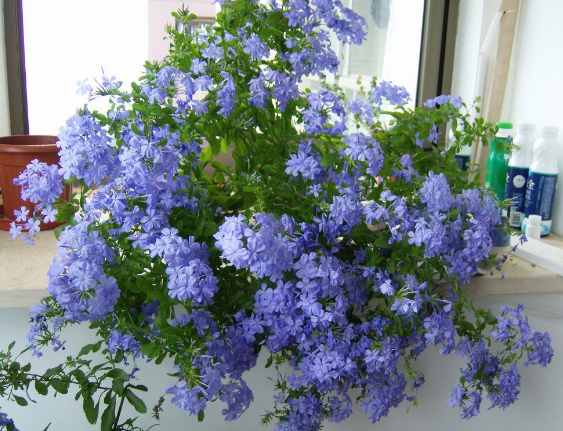
How to grow blue plumbago well depends on many aspects, among which light is the key. Of course, to grow it well, soil, sunlight, temperature, watering and every other aspect all need attention. Today's article is meant to take you through the methods and precautions for growing blue plumbago well, so let's read on.
2. Cultivation Methods and Precautions for Blue Plumbago
1. Soil
In the cultivation methods and precautions for blue plumbago, choosing the soil is a very important part; after all, growing plants requires soil, and choosing the right soil greatly helps the growth of blue plumbago. A soil mix of garden soil, leaf mold and coarse sand is the best.
Precautions: Blue plumbago likes slightly acidic soil, and the soil should be loose so that its drainage is good. With good drainage, blue plumbago can absorb nutrients better.
2. Light
Blue plumbago is a plant that very much likes a warm environment. It is best to place it in a bright spot, because blue plumbago needs several hours of direct sunlight every day, but do not leave it in the blazing sun for long periods; you need to get this balance right.
Precautions: At midday in summer when the sun is fairly intense, it is best to move blue plumbago indoors to a semi-shaded spot, while in winter it should be given more sunlight.
3. Watering
In the cultivation methods and precautions for blue plumbago, watering is also a fairly important part. Depending on the season and environment, the timing and amount of watering differ. In summer you can choose to water more, while in winter water as little as possible, just keeping the soil from drying out completely.
Precautions: When watering, try to use a spray method, as this allows blue plumbago to absorb the water better. Keep this point firmly in mind.
4. Temperature
The ambient temperature suitable for blue plumbago differs at each stage. Generally, during its germination period it is best to keep the temperature at around 22 - 23°, while during the growing period the temperature is best between 18 - 25°. In such an environment your blue plumbago will certainly grow healthily.
Precautions: Blue plumbago is not very cold-tolerant, so in winter be sure to do a good job of protecting it from the cold. Do not let it stay too long at temperatures below 7°; it is best to move blue plumbago indoors, and if that is not convenient, cover it with a protective film to guard against the cold, then let it out for some air at midday when the weather is slightly warmer.
5. Fertilizing
To grow blue plumbago healthily, fertilizing is very important, because fertilizer is the plant's nutrients, and without nutrients a plant can hardly grow normally. At different time periods, the fertilizer requirements also differ, so this point must be clearly understood.
Precautions: During the growing period of blue plumbago, it is best to fertilize once every half month; after May, increase the application of phosphorus and potassium fertilizer; in September, stop applying nitrogen fertilizer. This can improve the cold resistance of blue plumbago. In winter, stop fertilizing.
3. Precautions for Growing Blue Plumbago / Repotting and Pruning
1. Repotting
Blue plumbago needs to be repotted once every spring, because as blue plumbago grows, the size of pot it needs gradually increases, just as people change clothes when they no longer fit. When repotting, take the whole blue plumbago plant out of the pot, remove the old soil, replace it with new soil and replant it.
2. Pruning
When repotting in spring, you also need to prune the old stems and dead branches of blue plumbago. This makes blue plumbago look more rounded and the whole plant more attractive.
How to Grow Blue Plumbago? Cultivation Methods and Precautions for Blue Plumbago
Blue plumbago, also known as shanhuichai, jiaozhuhua and so on, is a perennial herbaceous plant in the genus Plumbago of the family Plumbaginaceae. Blue plumbago has delicate, lush flowers and leaves, and its flower color is a cool and noble blue; it has very high ornamental value and is suitable for growing in pots indoors. So, how to grow blue plumbago? The cultivation methods and precautions for blue plumbago are introduced below.
Image: Blue plumbago
1. Cultivation Methods for Blue Plumbago
1. Soil:Blue plumbago likes loose, fertile, well-drained, slightly acidic soil. The growing medium can be made from materials such as leaf mold, garden soil and coarse sand.
2. Temperature:Blue plumbago likes a warm environment and is not cold-tolerant. The optimum growing temperature is 18-25°C, and in winter it can overwinter safely at temperatures above 7°C. When the temperature is higher in spring, you can open doors and windows for ventilation; a higher room temperature is favorable for the growth and flowering of blue plumbago.
3. Light:Blue plumbago likes plenty of sunlight, tolerates partial shade, and avoids intense direct sun. When grown indoors, blue plumbago should be placed in a sunny spot, receiving several hours of sunlight each day. In summer, shade should be provided to prevent intense sunlight, while in winter blue plumbago should be given plenty of light so it can overwinter safely.
4. Watering:During the vigorous growth period, blue plumbago needs a lot of water, and to keep the environment around the plant moist, you can spray water on the leaves of blue plumbago or place the flower pot on wet pebbles. In winter, reduce the amount of watering; it is enough that the potting soil does not dry out completely.
Image: Blue plumbago
5. Fertilizing:During the growing period, blue plumbago should be given a supplementary fertilizer once every half month. After blue plumbago sprouts, nitrogen fertilizer should be the main type; after May, phosphorus and potassium fertilizer should be increased to promote abundant flowering of blue plumbago. In September, stop applying nitrogen fertilizer and apply phosphorus and potassium fertilizer twice to improve the plant's cold resistance. In winter, stop fertilizing.
6. Repotting:Blue plumbago should be repotted once every spring. Take the plant out of the soil, remove some of the old soil, cut off rotten roots and old roots, replace with new growing soil and replant.
7. Pruning:In spring, carry out one pruning along with repotting: cut out overly dense branches and thin, weak branches, and shorten overly long branches, so that the blue plumbago plant has a rounded shape and good ventilation and light penetration. For old plants more than 3 years old whose growth vigor has declined, increase the amount of pruning, and after growth apply supplementary fertilizer to encourage vigorous new branches and promote flowering. After flowering, remove the spent flowers and thin out weak branches.
Image: Blue plumbago
2. Precautions for Growing Blue Plumbago
Blue plumbago grows at the foot of low hills and on flat ground. It likes warmth and is not cold-tolerant. In North China and other temperate regions, it is cultivated as a warm-climate flower. The optimum growing temperature is 25°C. It likes light and tolerates slight shade; it should not be exposed to blazing sun. It requires a moist environment; dryness is unfavorable to its growth, and it is not drought-tolerant. It is best grown in sandy loam rich in humus and with good drainage. Blue plumbago is propagated by cuttings. Blue plumbago cuttings can be taken in spring: select thick, sturdy, plump one-year-old branches, cut them into 8-10 cm pieces as cuttings, insert them into growing soil, and cover with plastic film. Keep the indoor temperature at 20-24°C, and after 20-25 days the blue plumbago branches can take root.
[Editor's Conclusion]The flowers of blue plumbago are elegant and fresh, with an intoxicating sky blue, and it is very suitable for growing indoors. The above has introduced the cultivation methods and precautions for blue plumbago, and we hope it will be helpful to everyone!
How to Grow Blue Plumbago: Cultivation Methods for Blue Plumbago
Everyone knows blue plumbago; it is a very beautiful flower. But when it comes to planting blue plumbago, people do not necessarily fully master the knowledge required. What are the cultivation methods for blue plumbago? Below we share them with everyone; those interested can try growing it at home.
How to Grow Blue Plumbago Cultivation Methods for Blue Plumbago1. Cultivation Methods for Blue Plumbago——Light
Blue plumbago is a perennial flowering plant and loves plenty of sunlight most of all. When grown indoors, blue plumbago needs to be placed in a spot with direct light as much as possible. However, when the direct sunlight in summer is too intense, it should be appropriately shaded.
2. Cultivation Methods for Blue Plumbago——Water
Watering blue plumbago is very important. You should appropriately keep the soil of blue plumbago moist at all times without waterlogging. In winter and summer, blue plumbago enters a dormant state, and at this time both the frequency and amount of watering should be reduced.
3. Cultivation Methods for Blue Plumbago——Fertilizing
Blue plumbago likes fertilizer. During the plant's growth period, a light fertilizer application is needed about every ten days or so, so that the plant can get more nutrients. In summer or winter, fertilize as little as possible.
4. Cultivation Methods for Blue Plumbago——Temperature
The temperature for blue plumbago should be kept warm; around ten degrees is fairly ideal, while excessively high summer temperatures will also cause blue plumbago to grow slowly, so it must not be too hot and must not exceed thirty degrees.