How to fertilize snake plants? How often to water depends on the weather conditions
The snake plant can be said to be a lazy person's plant; in this respect it is quite similar to the cactus, and both have very strong vitality. Of course, strong vitality does not mean it will not die. In the methods for growing snake plants, there are strict requirements for fertilizing and watering, so how do you fertilize a snake plant? How often do you water a snake plant? Friends who want to know can read on.
1. How to fertilize a snake plant / Fertilizing during the growing season
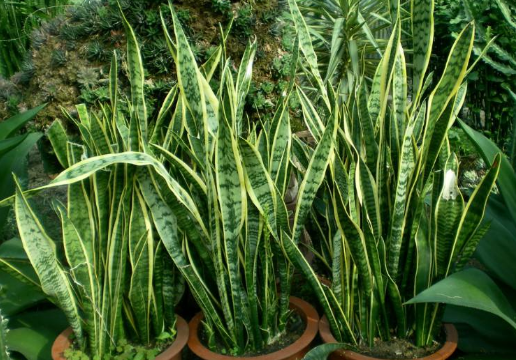
Regarding how to fertilize a snake plant, many people may not know much about this area, and there is a lot of knowledge involved here, with quite a few points to note. Mastering the correct fertilizing method has a great deal to do with whether your snake plant can grow vigorously.
1. Fertilizing time / 1-2 times a month
This plant actually has no great need for fertilizer. Even during its growing season, fertilizing 1-2 times a month is generally enough, and this can also ensure the glossiness of the plant's leaves. After the growing season has passed, no fertilizer is needed at all, because the snake plant is naturally extremely drought-resistant.
2. Points to note
When fertilizing a snake plant, the best choice is a liquid fertilizer of the finest quality. Of course, do not use it in excess. If applying it to the soil, do not let it touch the roots of the snake plant; only then can it provide a better supply.
2. How often to water a snake plant / Determined by the climate
Now that we have finished introducing how to fertilize a snake plant above, next let us learn about how to water a snake plant, how often is best to water a snake plant, and what points need attention when watering a snake plant.
1. Watering time / Twice a week
The question of how often to water a snake plant is very hard to answer, because this plant's watering frequency varies with the weather conditions. If it is summer or a windy day, it is recommended to water after the soil has dried, generally twice a week. If it is autumn or winter when the temperature is lower, or on rainy days, water as little as possible to avoid root rot.
2. Watering method / Water the soil
Watering a snake plant is generally done by watering the soil, so that the moisture contained in the soil can be well absorbed. When watering, it can both moisten the soil and wash away the carbon dioxide around the snake plant's roots and stems and the waste in the soil, thereby filling the soil's air with a fresh scent.
3. Points to note
Here everyone should remember that when watering a snake plant, you may only water the soil, and by no means water the plant itself. There must be no standing water on the leaves of a snake plant, because once there is standing water they rot very easily. Everyone should pay attention to this.
I believe that after reading the above content, everyone has gained an understanding of how to fertilize a snake plant and how often to water a snake plant. I hope this article can help everyone and let everyone grow snake plants better. Finally, a little science for everyone: it is best not to expose a snake plant to blazing sun; the sunlight should be moderate.
How often to water a snake plant, and how to judge when to water a snake plant
When watering a snake plant, water thoroughly, and do not let water accumulate. During the snake plant's winter dormancy, special care must be taken to control watering, keeping the snake plant's soil dry. Do not pour water into the leaf rosette, and strictly avoid standing water, so as to prevent rot.
How often to water a snake plantHow often, or after how many days, to water a snake plant is very hard to answer correctly. The main reason is that many factors determine the watering issue, such as how loose the potting soil is, the position of the pot, the climate conditions, the differing seasons, the size of the pot, the strength of the plant, and the different growing seasons, all of which affect the watering time. Below, let us look separately at how to judge the watering method for a snake plant.
Judging whether a snake plant needs wateringA snake plant should not simply be watered on a fixed schedule; you should also water according to the weather and its own growth conditions.
1. Based on the sound of the flower potTap the pot wall with your finger: a crisp sound means the soil is dry; a dull sound means the soil is wet;
2. Based on the weight of the flower potIf the pot has no heavy feel, the potting soil is dry; if it has a heavy feel, the soil is wet;
3. Look at the snake plant's formIf the leaves have faded in color, feel softer to the touch, and even spread apart around the plant, the potting soil is thoroughly dry; conversely, if the leaf color is fresh and the leaves are firm and glossy, it is wet.
4. Water according to the weatherWhen the temperature is high or it is a windy day, because evaporation is greater, you should water when the soil looks dry, usually twice a week; when the temperature is low or it is cloudy, water less; on rainy days, do not water anymore. Sometimes when there is too much rain, move the flower pot to a rain-sheltered place, so the pot does not become waterlogged.
5. Water according to the snake plant's habits and growth conditionsBecause snake plants differ in origin and variety, some like moisture and some tolerate drought. Based on the snake plant's appearance, those with larger leaves and rapid growth should be watered more during the growing season; those with smaller leaves and slow growth can be watered less.
Water more when flowering and less during dormancy. Usually in spring, summer, and autumn, water after the surface soil dries; in winter, water after the entire potting soil has dried, and when you water, water thoroughly.
6. Water according to the health of the rootsThe snake plant's root system supports the above-ground part of the plant and absorbs water and nutrients from the soil. The root system itself also performs respiration, taking in oxygen and giving off carbon dioxide. Each time you water, it both moistens the soil and washes away the carbon dioxide around the roots and the waste in the potting soil, filling the soil air with fresh air.
If watering is improper, the roots turn black and rot. When repotting each year, check the growth condition of the roots and adjust the watering method.
Special situations for watering a snake plant 1. TransplantingBefore transplanting, usually water the potting soil to moisten it, and plant after it dries slightly. After planting, water thoroughly so the soil binds closely to the roots; then just keep the soil moist for the next 2-3 weeks.
2. Too much fertilizerFertilizing and watering are inseparable in flower cultivation. One of the remedies for too much fertilizer is watering. When too much fertilizer has been applied, water thoroughly and let the water seep out from the potting soil to dilute the fertilizer strength, then place it in a sunny, well-ventilated spot to let the potting soil dry as quickly as possible. Be careful not to let water accumulate.
3. Division and cuttings of small seedlingsWhen dividing small seedlings, the plant's root system is relatively weak, so you cannot water by pouring directly. It is recommended to use the immersion method, letting water soak the soil from the bottom up. If the watering is not sufficient, you can sprinkle water around the plant to increase humidity.
What to do when snake plant leaves turn yellow, please note these points / Strong light exposure, too much watering
The snake plant is a fairly common plant in people's lives, and also a plant famous for its strong vitality. Of course, if you do not pay attention to care, various problems will still appear. What to do when snake plant leaves turn yellow is a relatively common problem people encounter. Regarding this problem, we can start from aspects such as sunlight and watering. For specific details, please read on with the editor.
What to do when snake plant leaves turn yellow / Find the cause
1. Strong light exposure
Yellowing of snake plant leaves generally occurs mostly in summer. Because summer sunlight is too strong, this causes the snake plant's moisture to evaporate too quickly, and long-term exposure makes the tips of the snake plant's leaves dry out and gradually turn yellow.
Solution: Although the snake plant naturally likes a warm environment, because summer weather is too dry, everyone is advised to pay attention to shading the snake plant in summer and avoid overly strong sunlight exposure.
2. Too much watering
Besides strong light exposure, too much watering is also one of the reasons snake plant leaves turn yellow. Too much watering makes the snake plant's leaves gradually become dull and lusterless.
Solution: In winter the snake plant is in a dormant state and generally stops growing, so it does not need water. It is recommended not to water the snake plant in winter; too much watering will only add to its burden.
3. Wrong watering method
If the watering method for a snake plant is wrong, rotten spot marks will appear on its leaves. Therefore, when watering a snake plant, you must pay attention to the method and the watering time.
Solution: It is best not to water a snake plant at noon, and do not water beneath the leaves. It is best to water into the soil; this will prevent the snake plant's roots from rotting. If this situation has already occurred, it is best to stop watering and let it rest for a few days. As long as the snake plant's roots are still vigorous, it will not die.
4. Virus invasion
Bacterial soft rot is also one of the reasons snake plant leaves turn yellow. This is a relatively common virus for snake plants. When this situation occurs, the snake plant's leaves will appear pale yellow-green or grayish-yellow, and soft rot spots will appear on the stem, making it very easy to break.
Solution: Plants are like people; when they get sick, they must be treated. If this situation occurs in a snake plant, you can choose chemical treatment, and you can choose a soil fungicide such as Tujunxiao to spray on the soil for sterilization.
Having talked about so much, everyone should know how to solve similar problems when they encounter them again. Overall, yellowing of snake plant leaves is a relatively common problem in people's lives; everyone just needs to handle it accordingly based on the different situations. Regarding the question of what to do when snake plant leaves turn yellow, the editor will introduce it here today, hoping it can bring everyone some help.