How to grow snake plants? Cultivation methods and precautions, with plenty of light
The snake plant gets its name because the pattern on its leaves resembles a tiger's tail, and it is also called tiger tail sansevieria or thousand-year plant. It is a plant with great ornamental value and is cultivated in many places across the country. As for how to grow a snake plant, it is generally best to choose soil with good drainage and to keep it in plenty of sunlight, because the snake plant loves warmth most of all. Below are the cultivation methods and precautions for snake plants; friends who are interested in it should not miss them.
I. How to grow a snake plant: the environment matters
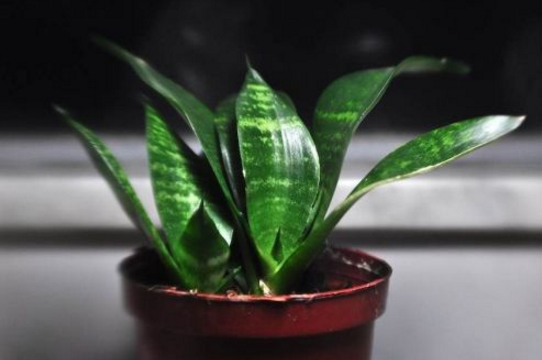
The snake plant is a plant that likes warmth. It is generally best to let it grow in an environment of 16°-30°C, with plenty of light, and the soil should preferably be one with good drainage. The amount of watering also varies with the season. As for how to grow a snake plant, the specific details are covered in the cultivation methods and precautions for snake plants, so let's read on.
II. Cultivation methods and precautions for snake plants
1. Soil: drainage is very important
In the cultivation methods and precautions for snake plants, the first thing to note is the soil, since growing flowers requires soil after all. The snake plant is not too strict about soil, but it is still best to choose soil with good drainage; a mix of leaf mold and some sand can be used.
2. Keep the light plentiful
As for how to grow a snake plant, besides soil, light is extremely important. The snake plant prefers a warm environment and should generally be placed outdoors in a spot with plenty of sunlight. If it cannot get sunlight for a long time, the leaves will turn yellow and dull.
3. Watering amount: depends on the season
The watering amount for a snake plant should vary with the season. Generally, in spring and summer the potting soil should be kept moist, while in autumn and winter you should wait until the potting soil is dry before watering. Do not water when the temperature is below 10°, so as to avoid causing cold damage to the snake plant.
Extended: propagation methods
Which propagation method to use for which variety of snake plant is very important. Snake plant propagation methods can generally be divided into division and cuttings. Division is suitable for all varieties of snake plant, while cuttings are only suitable for snake plant varieties whose leaves do not have golden-yellow edges or silver veins.
III. Precautions for growing snake plants
1. Choosing a flowerpot
Flowerpots are generally clay pots, plastic pots, porcelain pots or ceramic pots for cultivation, usually planted in pots with a diameter of 16-30 cm. The root system of the snake plant is not deep, so generally choosing a tall-footed flowerpot helps make the plant shape look attractive.
2. Choosing soil
For ordinary home growing, the soil ratio is garden soil : leaf mold : sand = 5:2:3; peat soil : leaf mold : sand : perlite = 4:2:2:2.
3. Do not fertilize too much
When planting a snake plant, a small amount of base fertilizer can be added to the soil. Generally, fertilizing once a month is enough, and during the growing season it can be applied once more. It is best to use a compound fertilizer.
How to grow a snake plant? Cultivation methods and precautions for snake plants
The snake plant, also known as thousand-year plant, tiger tail sansevieria and so on, is a perennial evergreen herbaceous plant of the genus Sansevieria in the lily family. The leaves of the snake plant are firm and upright, exquisite and unique, with high ornamental value, and it is often grown indoors in pots. At the same time, the snake plant also has a very good effect on removing formaldehyde. So, how to grow a snake plant? The cultivation methods and precautions for snake plants are introduced below.
Image: snake plant
I. Cultivation methods for snake plants
1. Soil:The snake plant is not very strict about soil, but it is still best to choose soil with good drainage; a mix of leaf mold and some sand can be used.
2. Light:The snake plant prefers sunlight and should be placed outdoors in a spot with sunlight. However, at noon in summer the sunlight is too strong, so some shading should be given. When placed indoors, it should be placed by a window so it can fully receive sunlight. If it cannot get sunlight for a long time, the leaves will turn yellow and dull. But if it has been placed indoors in a spot without sunlight for a long time, when moving it to a sunny spot there should be a gradual process; it cannot be pulled directly into the sunlight.
3. Temperature:The snake plant likes warmth and is suitable for growing at a temperature of 16-30 degrees. In winter, certain frost protection measures should be given. Generally, below 5 degrees cold damage will occur, so it can be placed in sunlight to increase the plant's temperature.
4. Watering:The watering amount depends on temperature and seasonal changes. In spring and summer, the potting soil should be kept moist, but there must be no waterlogging. In autumn and winter, water only after the potting soil is completely dry. In daily care, water can be used to clean the leaf surface to keep the plant looking attractive and help it grow better. Do not water when the winter temperature is below 10 degrees, so as to avoid cold damage. Watering should be done in the morning or evening.
Image: snake plant
5. Fertilizing:The tiger tail sansevieria is not demanding about fertilizer. When planting, a small amount of base fertilizer can be added to the soil, and fertilizing once a month in daily care is enough, with one extra application during the growing season. It is best to use a compound fertilizer.
6. Pruning:Compared with other home-grown green plants, the snake plant grows relatively fast, so once the pot is full, manual pruning should be carried out, mainly cutting away old leaves and overly dense areas to ensure sunlight and growing space.
7. Repotting:The snake plant is a perennial plant. Generally speaking, it should be repotted once every two years, and when repotting, care should be taken to add nutrients to the new soil so as to ensure its nutrient supply.
8. Diseases:The common diseases of the snake plant are mainly leaf spot disease and anthracnose. In these cases, 50% carbendazim can be sprayed for treatment. The common pest is damage by weevils, which can be controlled by spraying with a 1000-fold dilution of 50% fenitrothion emulsifiable concentrate.
Image: snake plant
II. Precautions for growing snake plants
1. The snake plant is not strict about soil; the potting soil can be made from leaf mold plus 1/3 river sand. In daily care, place it in a well-ventilated, sunny spot. Water according to the principle of watering when dry and stopping when wet; especially at the seedling stage, do not water too much, otherwise the rhizome is prone to rotting, or even death.
2. In summer, it needs to be moved to a north-facing balcony or a place indoors with bright scattered light, and clean water should be sprayed on the leaf surface 1-2 times a day to keep the air moist, which helps the leaves stay deep green. During the peak growing season, apply a dilute liquid fertilizer combining nitrogen and phosphorus once every 2-3 weeks. If only nitrogen fertilizer is applied for a long time, the markings on the leaf surface will become dull.
3. In winter, place it indoors in a spot with plenty of sunlight and control watering, but it still needs warm water sprayed on the leaf surface once every 5-7 days to keep the leaves clean and prevent dust from settling on them. The indoor temperature should not be lower than 12°C. Every 1-2 years in spring, repot it together with division. Since the snake plant's leaf cluster grows upright, it is advisable to choose a cylindrical pot to show the plant as compact and attractive.
4. The snake plant's leaves are upright, much like sharp swords. The markings on the leaf surface are shaped like a tiger's tail, full of spirit; the leaves are thick and hard, with slender pointed tips, and the plant stands upright like a green warrior. Placed in the corner of a study or hall, or arranged in the center of a large or medium-sized {oval conference table in a conference room, it stays green through the four seasons, antique and vigorous, a symbol of strength and courage, giving people a feeling of excitement and drive.
[Editor's concluding remarks]Although the snake plant is not strict about soil, sandy loam with good drainage is best, and attention should be paid to this during care. The above introduced the cultivation methods and precautions for snake plants; have you all learned them?
How to grow golden-edge snake plants: cultivation methods and precautions for potted golden-edge snake plants
The golden-edge snake plant is a very beautiful foliage plant. Its leaf color is bright and its leaf shape is peculiar; when it emerges it is cylindrical, and as it grows it gradually spreads out flat, looking very beautiful. In daily life, many people want to grow golden-edge snake plants, so how do you grow one? Below are the cultivation methods and precautions for golden-edge snake plants, very comprehensive; friends who want to grow them should definitely take a look.
I. How to grow a golden-edge snake plant: understand its habits
The golden-edge snake plant likes a warm, dry environment. When growing it indoors, the room temperature should be controlled at 20-25°C, and it should be given plenty of light, because under good light conditions its leaf color will be more brilliant. As for soil, it is best to choose one that is loose, airy and well-draining. So how to grow a golden-edge snake plant is very simple: just meet its growing habits.
II. Cultivation methods and precautions for golden-edge snake plants
1. Potting soil
For how to grow a potted golden-edge snake plant, the first thing is to reselect the soil. Nowadays, the golden-edge snake plants that flower lovers grow are basically purchased as existing potted plants. Normal care can keep the plant growing, but that potting soil is very cheap. If you want the golden-edge snake plant to grow well, you must choose the flowerpot and soil it likes.
Flowerpot: it is best to use a clay pot, and a plastic or porcelain pot can be placed outside the clay pot, which is both airy and breathable and attractive in appearance. Soil: the golden-edge snake plant likes soil that is loose, airy and well-draining. For this, the editor recommends using a nutrient soil made by mixing leaf mold, loam/garden soil and an equal amount of coarse sand with a little decomposed manure, blended evenly.
2. Light
The golden-edge snake plant is a long-day foliage plant, so when growing it indoors it should be placed in a spot with good light. Because the golden-edge snake plant's leaves have three colors, it needs long periods of light, and the better the light, the more brilliant the leaf color.
Precaution: although the golden-edge snake plant likes light, it is also afraid of overly strong light, so in hot weather it still needs to be slightly shaded from the sun.
3. Temperature
For how to grow a golden-edge snake plant, properly adjusting the temperature is also very necessary. The golden-edge snake plant likes a warm environment, and the most suitable growing temperature is 20-25°C. If this room temperature can be maintained, it will not only grow fast but also have bright colors.
Precaution: the golden-edge snake plant is not cold-tolerant. In winter the room temperature must not be lower than 8°C, otherwise the plant will be frozen and rot.
4. Watering
Water is the source of life, so in the cultivation methods for golden-edge snake plants, watering is an indispensable part. However, the golden-edge snake plant likes dryness, so watering must not be excessive. Once there is too much, the lower part of the leaves will easily rot, so water only after the pot is dry.
Precaution: when watering a golden-edge snake plant, you should also consider the season. In the hot summer period, water a bit more to make the soil moister; in winter, reduce watering. If it is grown in a plastic pot, use even less water, otherwise the roots will easily rot.
5. Fertilizing
Having covered watering, let's talk about fertilizing, which is also very important in the cultivation methods for golden-edge snake plants. During the peak growing season of the golden-edge snake plant, apply a compound fertilizer once a week, preferably together with watering, as this helps the fertilizer dissolve better.
Precaution: in spring, when applying soybean cake fertilizer, it must be decomposed. During the growing period, add cake fertilizer, and once winter arrives, temporarily stop adding fertilizer.
6. Pruning/repotting
The golden-edge snake plant is a perennial herbaceous plant. With proper water and fertilizer, it will grow very fast. In order to give the golden-edge snake plant enough growing space and also for its appearance, flower lovers should repot it once every 2 years and prune it at the right time, cutting away aged leaves and overly dense areas.