The benefits and uses of Serissa japonica: bonsai beautifies the environment, and its medicinal use can treat illnesses
Flowers whose names begin with a number are generally very beautiful - this is true of Serissa japonica and Murraya paniculata, and it is true of Serissa japonica as well. In daily life, because of its excellent ornamental effect, many flower enthusiasts grow Serissa japonica at home. However, if you think Serissa japonica is only good-looking, you are greatly mistaken. Among the benefits and uses of Serissa japonica, its medicinal value is astonishing and it can treat various diseases. Let's learn something new together!
I. The benefits and uses of Serissa japonica
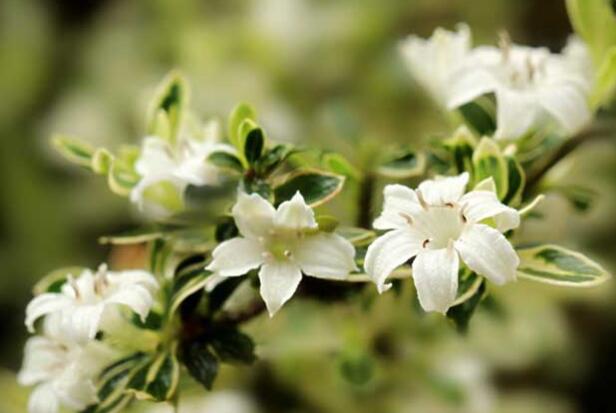
When Serissa japonica is mentioned, everyone thinks of its beautiful leaves and pure white flowers, thereby overlooking its medicinal value. It is understood that the entire plant of Serissa japonica can be used as medicine. It can not only reduce swelling and draw out toxins, relieve cough and resolve phlegm, but also treat rheumatic waist and leg pain, infantile malnutrition, and other diseases, with astonishingly good effects. For more specific details on the benefits and uses of Serissa japonica, let's continue reading below.
(1) Strong ornamental value
The beauty of Serissa japonica should leave a deep impression on those who have seen it. Its branches and leaves are dense, and when the white flowers bloom, it looks like snowflakes covering the whole tree, elegant and lovely. We can appreciate not only its leaves but also its flowers. If you grow Serissa japonica at home, looking at it when you get up in the morning will put you in a great mood all day.
(2) Beautifying the environment
Serissa japonica has small leaves and a well-developed root system, making it very suitable for making into bonsai. Placed on a coffee table, desk, or windowsill in the living room, it looks very elegant. In addition, planting Serissa japonica in flower beds, flower hedges, or alongside rocks and rock crevices also has good landscaping value. Therefore, beautifying the environment is one of the benefits and uses of Serissa japonica.
(3) Purifying the air
Serissa japonica has the common properties of plants. It can absorb carbon dioxide and release oxygen, making the air fresher. When the air at home is fresh, it is not only beneficial to people's health but also helps people relax. Therefore, purifying the air is also one of the benefits and uses of Serissa japonica.
(4) Medicinal treatment of illnesses
In addition to the above points, medicinal value is the most important part of the benefits and uses of Serissa japonica. It is understood that the roots, stems, and leaves of Serissa japonica can all be used as medicine. It has the effects of soothing the liver and relieving depression, clearing heat and promoting diuresis, reducing swelling and drawing out toxins, and relieving cough and resolving phlegm. In addition, Serissa japonica also has the effect of treating various diseases, as follows:
① Treating the common cold
Among the uses of Serissa japonica, treating the common cold is relatively practical. We can take 30 grams of Serissa japonica, 10 grams each of honeysuckle and chrysanthemum, and decoct them in water to drink.
② Treating acute keratitis
Take 40 grams of Serissa japonica and 10 grams of chrysanthemum, decoct in water and drink; or use the decocted water to fumigate and wash the affected area. The effect is very good.
③ Treating acute icteric hepatitis
Take 30 grams of Serissa japonica, 10 grams each of gardenia flower and Iris tectorum, 30 grams of Sedum lineare, and 15 grams of Scutellaria barbata, decoct in water, 1 dose per day. Results can be seen after half a month.
④ Treating enteritis and diarrhea
Take 30 grams each of Serissa japonica and Rosa multiflora root, decoct in water, and drink as a tea substitute.
⑤ Treating migraine
Take 30 grams of fresh Serissa japonica, add a little table salt, and decoct in water to drink.
⑥ Treating oral thrush
Take a handful of Serissa japonica, crush it slightly, soak it in rice washing water, and use the liquid to wash the affected areas in the mouth.
⑦ Treating red, swollen, and painful eyes
Take 40 grams of Serissa japonica and 10 chrysanthemum flowers, decoct in water and drink; at the same time, use Serissa japonica decocted in water to fumigate and wash the affected area.
Side effects of rosemary and rosemary prices
Rosemary is a plant, and rosemary itself has the fragrance of tea, so we can also use rosemary to make an infusion to drink. In ancient times, people liked drinking rosemary because rosemary has the effect of enhancing memory. Below, let us look at an introduction to rosemary's side effects and prices.
I. Side effects of rosemary
1. Rosemary's highly stimulating properties are not suitable for patients with high blood pressure and epilepsy.
2. Because it can promote menstruation, avoid using it during pregnancy. Other than that, there are no side effects.
II. Rosemary prices
Rosemary tea Premium grade pure natural herbal tea canned 80 grams QS certified wholesale price: 5.00 for 10-71 cans, 4.70 for ≥72 cans
Wholesale / herbal tea premium quality [rosemary] price: 20.00 for 1-99 kg, 18.00 for ≥100 kg
Seven-Color Flower Language rosemary Rosemary Western cuisine barbecue baking seasoning imported herbs price: 15.80 for 3-9 bottles, 6.80 for ≥10 bottles
Wholesale / herbal tea premium quality [rosemary] imported rosemary flower tea wholesale price: 18.00 for 1-9 kg, 16.00 for 10-999 kg, 15.00 for ≥1000 kg
Supplying herbal tea premium quality rosemary imported rosemary flower tea wholesale price: 10.00 for 1-19 jin, 9.50 for 20-999 jin, 9.00 for ≥1000 jin
Premium imported German rosemary eliminates brain fatigue favorable prices for large quantities, Bozhou City Binhetang Medicinal Materials Station price: 26.00 for 1-49 kg, 24.00 for 50-999 kg, 20.00 for ≥1000 kg
Seven-Color Flower Language rosemary leaves / fragrant seasoning / deodorizing seasoning 25g, full case 210 bottles price: 7.50 for 10-49 bottles, 6.80 for ≥50 bottles
Seven-Color Flower Language rosemary 25g price: 7.80 for 1-49 bottles, 7.50 for 50-419 bottles, 7.00 for ≥420 bottles
Supplying French imported rosemary (green small leaves, high quality and favorable price) price: 17.00 for 1-24 kg, 16.00 for 25-999 kg, 15.00 for ≥1000 kg
Factory direct sales rosemary first-grade genuine product calming and soothing the nerves refreshing effect favorable prices for large quantities price: 12.00 for 1-9 jin, 10.00 for 10-99 jin, 8.00 for ≥100 jin
[Rosemary] supplying high-quality premium refreshing rosemary factory direct sales QS certified price: 19.00 for 1-99 kg, 18.00 for 100-499 kg, 17.00 for ≥500 kg
Wholesale supply of German imported verbena flower tea Easy to pair with rosemary lemongrass intestinal cleansing and body shaping price: 110.00 for 1-19 jin, 105.00 for 20-99 jin, 103.00 for ≥100 jin
Yikui Spices rosemary 170g price: 396.00 for ≥1 case
III. Main values:
Industrial value:
Rosemary is a precious natural aromatic plant. During the growing season, it emits a fresh fragrance and has the effect of refreshing the mind and invigorating the spirit.Its stems, leaves, and flowers have a pleasant fragrance. The aromatic oil extracted from the flowers and tender branches can be used to blend air fresheners, perfumes, soaps, and other cosmetic raw materials. The most famous toner is made with rosemary, and it can also be used in beverages, skincare oils, hair growth agents, and laundry paste.
Medicinal value:
Rosemary has the effects of calming and soothing the nerves and refreshing the mind, and it has a certain therapeutic effect on indigestion and stomach pain.It is mostly crushed and soaked in boiling water before drinking, 2-3 times a day, which can produce calming and diuretic effects. It can also be used to treat insomnia, palpitations, headaches, indigestion, and many other diseases. External use can treat trauma and arthritis. It also has the effects of strengthening the heart, promoting metabolism, and promoting blood circulation in peripheral blood vessels.[3] It also improves impairments in speech, vision, and hearing, enhances attention, treats rheumatic pain, strengthens liver function, lowers blood sugar, helps in the treatment of arteriosclerosis, and helps paralyzed limbs recover mobility.
Edible value:
It has a relatively strong astringent effect, regulates oily skin, promotes blood circulation, and stimulates hair regrowth.Improves hair loss (pregnant women should not consume it). In Western cuisine, rosemary is a frequently used spice, especially in dishes such as steak and potatoes as well as baked goods. It has a light sweet aroma and flavor with pine wood notes, a rich fragrance, and a sweet taste with a hint of bitterness.
IV. Plant culture:
Plant flower language:
Remembrance:Rosemary is defined as a symbol of love, faithfulness, and friendship, while its flower language is remembrance, wiping away the sorrow of memories: "I will not forget the promise you gave me. Please keep your love for me forever, miss me, and think of me."[4] Commemoration: Italians would throw small sprigs of rosemary into the graves of the deceased at funeral ceremonies, representing respect and remembrance for the dead. In Victorian-era England, the flower language of rosemary also carried the meaning of commemoration, symbolizing lasting love, steadfast friendship, and eternal remembrance.[4]
Legendary stories:
Rosemary has a rich fragrance. It is said that the ancient Queen of Hungary liked to bathe with rosemary, and ancient people believed it could strengthen memory, so it was also called the beacon of the sea. When ships away from home lost their direction, lost sailors could rely on this rich fragrance to find the location of land.
V.How to grow rosemary:
Precautions:
Rosemary has the powerful and highly effective ability to enhance memory, which makes it a favorite of many exam candidates. However, it should be noted that rosemary is also a Chinese herbal medicine, and "every medicine has some toxicity." If you want to achieve good results, the key is still to rely on daily study. Do not cram at the last minute before an exam and use large amounts of rosemary. If you accidentally use too much rosemary and cause drug poisoning, that would not be good. Instead of preserving beautiful memories, you may leave yourself with bad memories.
VI. The knowledge of watering flowers:
How should you water to be considered appropriate? This must start from reality, be grasped flexibly, and not be applied rigidly. The contents of this "reality" include the following aspects:
1. Look at the season and temperature:
In spring and autumn, when the sun is not too strongand the temperature is not too high, some flowers can be watered once a day, and some can be watered every one or two days (water in the evening or morning; small pomegranate can be watered at noon). It mainly depends on the dryness and moisture of the soil in the pot. When the soil in the pot is dry and pale, it should be watered appropriately. The general principle is not to water if not dry, and when watering, water thoroughly (exceptions include Japanese quince, wax begonia, cacti, and similar plants).
In the high-temperature period of midsummer, water consumption is the greatest. You should water enough every evening or morning until water flows out from the bottom of the pot.Chrysanthemums are best watered once in the morning and once in the evening. Orchids, Monstera deliciosa, Clivia, fuchsia, azaleas, camellias, sasanqua, and others are best misted twice a day on sunny days.
In winter, especially in severe winter, most flowers and trees enter a dormant period.During this period, watering should be strictly controlled. For example, for Japanese quince, wax begonia, Aglaia odorata, money tree, croton, white magnolia, and others, as long as the soil is slightly moist, that is enough. Absolutely do not water frequently or heavily, otherwise it will accelerate their death. As long as watering can be controlled and appropriate warmth can be maintained, they can get through the severe winter.
2. Look at the type of flower pot:
For potted plants of different types and sizes, the frequency and amount of watering should also differ.Generally speaking, clay pots have the best permeability and the fastest water evaporation, so watering should not only be frequent but also relatively plentiful to keep the soil moist. On the contrary, porcelain pots, glazed pots, and plastic pots, because of poor permeability, have relatively slow water evaporation in the pot. If watering is both frequent and plentiful, it is very easy to cause root rot and death of the plant. For flowers and trees potted in this type of pot, when can you water? You can use a small stick to pry open the soil and observe. If the soil below does not have much moisture, you can slowly water a little around the rim of the pot. If you find that the potting soil is too wet, watering should be postponed. 3. Look at the type of flower:
Each flower has its own characteristics and requires a suitable living environment.Some flowers like sunlight, some suit shade, some love moisture, some are better dry, some fear cold, and some avoid heat. They must be treated differently. For example, cacti, Japanese quince, Clivia, wax begonia, orchids, asparagus fern, Epiphyllum, potted pomegranate, plum, osmanthus, and others should usually be kept slightly on the dry side, and absolutely should not be watered too frequently or too much. If Japanese quince is watered even a little too much, it easily suffers root rot and dies. When the potting soil is dry, you can only slowly water a little along the edge of the pot, letting the water gradually seep from the surroundings to the roots. If water is poured directly at the roots or if it is exposed to rain for a long time, root rot is very likely. Chrysanthemums, freesia, amaryllis, spider plant, frog begonia, bamboo begonia, Ganzhi purple, August chrysanthemum, Lantana camara, Serissa japonica, boxwood, and others can be watered more during the growing season.
4. Look at the growth period:
Flower plants have different growth periods, and the amount of water they need also differs.Most flowers grow in spring, summer, and autumn, especially spring and autumn, but some flowers grow in autumn and winter. Whenever flowers are in their growth period, they consume more water, so they should be watered more at this time (and of course fertilized as well) to meet their growth needs. From late autumn into winter, many flower plants enter dormancy or are in a dormant state, and watering for these flowers should be strictly controlled. However, some other flower plants are precisely in their growing period, such as fuchsia, cineraria, freesia, cyclamen, tulip, hyacinth, and so on. Although it is winter, these flowers are still growing, so they need appropriate watering or misting at noon, because their dormant period is in summer.
Different flowers also have different watering methods and times.Some are suitable for watering with a ladle, some are better watered with a kettle, and some require misting. For example, orchids, fuchsia, azaleas, wax begonia, Clivia, and others, especially newly planted flower seedlings, should be misted two or three times a day to reduce water evaporation from the plant and promote survival. However, bonsai pomegranate, Lantana camara, small-leaf privet, and others can also be watered at noon in midsummer.
In short, there are many watering methods, and you must grasp them flexibly, proceeding from reality, so as to water at the right time and in the right amount.
Appreciation of beautiful Epiphyllum images
Epiphyllum resembles an arrow token, and its flowers resemble water lilies, hence the name Epiphyllum. It has many varieties and brilliantly colored flowers. When it blooms in midsummer, it is the best decorative item for places such as windows and entrance halls. Now let us together understand and appreciate this beautiful Epiphyllum!
I. Basic information about Epiphyllum
Epiphyllum can also be called lotus arrow, peacock cactus, and so on. It resembles an arrow token and its flowers resemble water lilies, so it is called Epiphyllum. Its flowers are strange and elegant in posture, beautiful in form, numerous, and fast-growing. Although the flowering period is brief, it is likewise loved by people. Epiphyllum likes a warm, humid environment with plenty of sunlight, is tolerant of dryness, and is not cold-resistant. Therefore, it is suitable for planting in loose, fertile, well-drained, slightly acidic sandy soil.
II. Uses of Epiphyllum
1. Beautifying the environment: Epiphyllum has a complete range of varieties, a delicate and graceful posture, brilliant colors, and a pleasant fragrance, and it is beneficial for beautifying the environment.
2. Decorating the interior: Chinese Epiphyllum is mainly used for potted effects. Indoors, potted Epiphyllum of multiple varieties can be used, filling everywhere with vitality and giving growers a good mood every day.
3. Feng shui plant: Epiphyllum belongs to fire among the five elements. When placing plants at home, it can be placed in the east or west position. This can adjust and improve the atmosphere of the home, making feng shui flourish.
4. Medicinal value: The medicinal material name of Epiphyllum is red peacock. Its main function is to clear heat and detoxify. In the hot summer, friends can occasionally use it to relieve summer heat.
III. Precautions for Epiphyllum
1. Epiphyllum likes a warm and humid environment, avoids direct sunlight, is tolerant of drought, and tolerates partial shade. A good growing environment must be chosen.
2. In summer, when sunlight is strong, it is best to move it to a shady place and water it frequently; in winter, move it to a warmer place, such as inside a greenhouse.
3. Plants, like people, are prone to illness, so attention should always be paid to preventing the invasion of pests and diseases.
In many households today, Epiphyllum only grows lushly but does not bloom. This may be because the potted plant has been moved to an excessively shady place, or it may be caused by applying too much fertilizer. In order to have good ornamental value and beautifying effect, it is recommended that households growing plants learn more about the plant's habits and growing environment, as this will help achieve good cultivation results.
Related recommendations:
|Cuban oregano|Marigold cultivation|How to care for the happiness tree|Flower pictures and names|The effects of pothos flower|How to grow gardenia|
|How to grow cacti|Potted flower pictures|Murraya paniculata bonsai|How to grow Christmas cactus|Serissa japonica bonsai|Bowl lotus|