Detailed Guide to Hyacinth Hydroponic Methods and Tips
1. After receiving the bulb, do not rush to open it. Be sure to take protective measures, because some flower enthusiasts may be allergic, so it is best to wear gloves, or wrap your hands with a plastic bag, then unpack it and put the bulb into a pre-prepared carbendazim solution to soak for 10-20 minutes to disinfect and sterilize, then take it out and dry it in a cool place (do not rush to hydroponically grow it before it is dry, as it is prone to rot).
PS: Carbendazim costs about - yuan - a packet, very cheap. When buying carbendazim, you can pick up - a packet along with it.
2. For the container used for hydroponics, any container is ok, but it is best to use a slightly taller one, such as a waisted hydroponic bottle, and other hydroponic bottles are the same, of course, you can also use a beverage bottle yourself.
3. How much water to put in for hydroponic hyacinths is a relatively important issue, because later it was found that some flower enthusiasts experience mold and rot when growing hyacinths hydroponically, which is related to too much water. The water level should just reach the hyacinth root plate; there is no need to submerge half of the bulb.
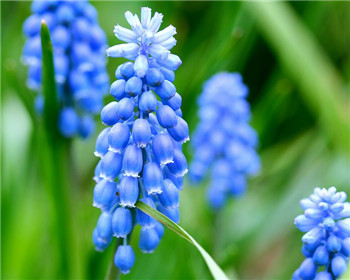
4. What does it mean to put hyacinths in a dark room during hydroponics? Putting them in a dark room means giving the hyacinth dark treatment. The reason for doing this is that roots are easy to grow in a dark environment. Soil-grown ones do not have this problem, because rooting happens in the soil, which is already dark. In plain terms, a dark environment is more suitable for rooting.
5. When adding water to hydroponic hyacinths normally, remember not to sprinkle it on the bulb, as this can easily lead to mold. You can add water along the bottle wall. Once again, do not let the water level be too high.
6. What should you do if you see mold on hydroponic hyacinths? This situation is relatively normal, mainly because the air is too humid, so a dry environment is not prone to mold. If mold appears, flower enthusiasts can use a cotton swab dipped in carbendazim solution to clean the mold spots thoroughly. There is no major problem.
7. What should you do if the roots rot? A few flower enthusiasts may encounter this odd outcome: the roots of a hydroponic hyacinth rot. In this situation, it is recommended that flower enthusiasts take out the bulb, clean off the rotten roots, then dry the hyacinth again and grow it in soil.
Hydroponic Methods and Tips for Hyacinths
Hyacinth, also known as Dutch narcissus and five-color narcissus, is divided by flower color into seven series: blue, pink, white, purple, yellow, scarlet, and red. Hyacinths of different flower colors have different flower meanings. For example, white hyacinth represents secret love, so it is deeply loved by people. Below, the editor will introduce the cultivation methods of hyacinth.After getting the hyacinth, first clean the bulb. Pour clean water into the vase. The water surface should be 2-5 mm away from the bulb root plate (do not immerse the entire bulb in water, to ensure the roots can breathe freely). As the root system grows, gradually lower the water surface to encourage the roots to grow neatly downward.
The most suitable rooting temperature is around 9°C. Therefore, during the rooting period, place it in a completely dark environment. You can wrap the vase with dark-colored paper to block light, which helps root growth. At the same time, please place the vase in a cool, ventilated place.
When the flower buds grow to 5-8 cm high (about 8-12 weeks), you can place the vase in a warm environment, with the optimum temperature being 15-21°C.
Change the water about once every 7 days. When changing the water, especially after the root system has already grown, it is best not to take the whole bulb out, otherwise when the roots are pulled out and stuffed back into the bottle, they will more or less be damaged. Just lift the bulb slightly so there is a gap for the water to flow out, and that is OK. When adding water, do the same: slowly pour the water in through the gap.
Hydroponic Methods and Precautions for Hyacinths
Hyacinths can not only be grown in pots but also hydroponically. Hydroponic hyacinths have a relatively good decorative effect. Compared with soil cultivation, how should hydroponic hyacinths be grown? Next, Xiao Qi will share the hydroponic methods and precautions for hyacinths.
I. Hydroponic Methods for Hyacinths
1. After receiving the bulb, do not rush to open it. Be sure to take protective measures, because some flower enthusiasts may be allergic, so it is best to wear gloves, or wrap your hands with a plastic bag, then unpack it and put the bulb into a pre-prepared carbendazim solution to soak for 10-20 minutes to disinfect and sterilize, then take it out and dry it in a cool place (do not rush to hydroponically grow it before it is dry, as it is prone to rot).
2. For the container used for hydroponics, it is best to use a slightly taller one, such as a waisted hydroponic bottle, and other hydroponic bottles are the same, of course, you can also use a beverage bottle.
3. How much water to put in for hydroponic hyacinths is a relatively important issue, because later it was found that some flower enthusiasts experience mold and rot when growing hyacinths hydroponically, which is related to too much water. The water level should just reach the hyacinth root plate; there is no need to submerge half of the bulb.
4. What does it mean to put hyacinths in a dark room during hydroponics? Putting them in a dark room means giving the hyacinth dark treatment. The reason for doing this is that roots are easy to grow in a dark environment. Soil-grown ones do not have this problem, because rooting happens in the soil, which is already dark. In plain terms, a dark environment is more suitable for rooting.
5. When adding water to hydroponic hyacinths normally, remember not to sprinkle it on the bulb, as this can easily lead to mold. You can add water along the bottle wall. Once again, do not let the water level be too high.
6. What should you do if you see mold on hydroponic hyacinths? This situation is relatively normal, mainly because the air is too humid, so a dry environment is not prone to mold. If mold appears, flower enthusiasts can use a cotton swab dipped in carbendazim solution to clean the mold spots thoroughly. There is no major problem.
7. What should you do if the roots rot? A few flower enthusiasts may encounter this odd outcome: the roots of a hydroponic hyacinth rot. In this situation, it is recommended to take out the bulb, clean off the rotten roots, then dry the hyacinth again and grow it in soil.
Hydroponic Hyacinth Pictures
II. Precautions for Hydroponic Hyacinths
1. Many hyacinth bulbs people buy have already grown roots at the flower shop, so the step of sealing the bulb in darkness to sprout can be omitted.
2. There should be a 1 cm-2 cm space between the water surface and the bottom of the bulb. Never let the water submerge the bottom of the bulb.
3. During the shading period, the temperature is best kept at 9-10°C, so the roots will grow very quickly.
4. If the phenomenon of a shrunken neck appears, you can appropriately spray water on the leaves.
5. When flowering, the temperature is best kept above 17°C.
Hyacinth Pictures
The above isHydroponic Methods and Precautions for Hyacinthsintroduced. Hydroponic hyacinths are relatively simple. Reasonable water levels and watering techniques can let hyacinths grow. If you want to learn more about indoor plants, please stay tuned for more wonderful content.