What to do when hibiscus leaves turn yellow? Pay attention to 5 points: light and fertiliser must be sufficient
As an excellent indoor plant, hibiscus is favoured by many flower lovers because of its beautiful flower shape and bright red blooms, and they keep it at home. However, during cultivation, due to improper care and other problems, the plant may show symptoms of yellowing leaves, so what should be done when hibiscus leaves turn yellow? Below are 5 causes of yellowing hibiscus leaves compiled by the editor; let's take a look together.
1. What to do when hibiscus leaves turn yellow: find the cause
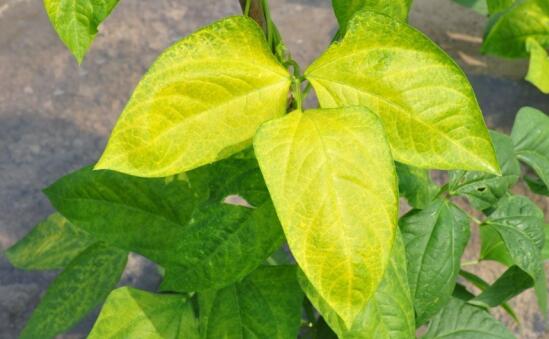
In the cultivation methods for hibiscus, we introduced hibiscus's requirements for light, water and fertiliser, and once we fail to meet them, its leaves will turn yellow. As for what to do when hibiscus leaves turn yellow, we must first find the cause and then address it specifically. Below are 5 causes of yellowing hibiscus leaves summarised by the editor, along with solutions; let's continue reading.
2. Causes of yellowing hibiscus leaves and solutions
1. Sudden environmental change
For any plant, no matter how strong its adaptability, once the growing environment changes too much, its leaves will turn yellow. So if you bought your hibiscus online, it may not have adapted to the sudden major change in growing environment, and after being kept for a period of time it will show symptoms of yellowing leaves.
Solution: Communicate with the seller to find out about the hibiscus's previous growing environment, try to keep conditions at home unchanged, then change them gradually until they match the current environment. After a period of time, the hibiscus of careful flower lovers will recover its health.
2. Insufficient light
During hibiscus cultivation, light is extremely important, and we need to give it sufficient light. Once the hibiscus gets insufficient light, or we place it in a dark spot for a long time, symptoms of yellowing hibiscus leaves will appear.
Solution: Give the hibiscus sufficient light time. If placed indoors, it is best to choose a sunny spot, such as a balcony, windowsill, courtyard and so on.
3. Overwatering or lack of water
There are many causes of yellowing hibiscus leaves, but the most likely one is still improper watering. It is understood that hibiscus likes water but is not tolerant of waterlogging and fears drought, so both overwatering and underwatering are no good, and both will cause leaves to yellow and drop.
Solution: If overwatered, stop watering immediately, and it is best to loosen the soil more to let the water evaporate; if underwatered, to prevent water loss, immediately put the hibiscus in a semi-shaded place and water it a little, not too much at once. At the same time, loosen the pot wall cracks so that water can drain out through the gaps.
4. Lack of fertiliser
During the growth of hibiscus, proper fertilisation is very important. Once we do not fertilise for a long time, or do not fertilise at all, the hibiscus will turn yellow because of the lack of necessary nutrients.
Solution: Fertilise the hibiscus appropriately at the right time: only when the weather is below 30 degrees can you fertilise, and it is best to fertilise once a week, which can ensure abundant blooming.
5. Pest infestation
During hibiscus cultivation, pests and diseases are very likely to appear, and once pests such as whiteflies and scale insects appear, the hibiscus will show yellowing leaves and even drop them.
Solution: Determine exactly which pest it is, then spray with pesticide to kill it. As for which pesticide to use, there is a detailed introduction in the pest and disease control section for hibiscus, so I will not say more here.
Overall, hibiscus is relatively easy to grow, but during cultivation, if you are not careful, its leaves will turn yellow, seriously affecting its ornamental value. So since you have taken it on, everyone should be careful and grow it well, which is the best approach. That is all the editor has to introduce about yellowing hibiscus leaves, and I hope it helps everyone.
What to do when hibiscus leaves turn yellow? Causes of yellowing hibiscus leaves
Hibiscus is prone to bud drop, which is caused by improper care leading to an imbalance in nutrient supply within the plant. Hibiscus is a strong sun-loving flower that likes plenty of sunlight; if it is kept too shaded for a long time with insufficient light, and at the same time is overwatered so the potting soil stays moist, it will cause root rot, leading to leaf drop and bud drop.What to do when hibiscus leaves turn yellow. 1. Yellowing hibiscus leaves: unreasonable watering. Both lack of water and overwatering have a negative effect on the growth of hibiscus. Hibiscus likes water but is not tolerant of waterlogging and fears drought; whether waterlogged or drought-stressed, it will cause leaves to yellow and also drop. If overwatered, the potting soil stays moist, which will cause root rot, leading to leaf drop and bud drop.Solution: So watering should follow the principle of watering as soon as the surface layer of the potting soil dries, which is beneficial for good plant growth. Waterlogging may also be caused by too much rain. Therefore, flower lovers with this situation can think back on their usual watering habits: if the watering is appropriate, could it be due to too much rain? If the pot is small and the plant is large, or during summer high temperatures when evaporation is fast, the watering frequency should also be appropriately increased.2. Yellowing hibiscus leaves: lack of necessary nutrients (nutrient-deficiency yellowing). Solution: Consider top-dressing the hibiscus when the weather is below 30 degrees. Apply cake fertiliser liquid once a week, which can ensure abundant blooming.
3. Yellowing hibiscus leaves: lack of light (light-deficiency yellowing). Solution: Hibiscus is a strongly sun-loving plant and requires a full-sun growing environment; if it is kept too shaded for a long time with insufficient light, it will cause yellowing and even leaf drop.
4. Yellowing hibiscus leaves: pot too large. The pot used for potted hibiscus should not be too large; generally use a 15 cm diameter clay pot, and add soil year by year. Use sandy loam rich in organic matter, mixed with 10% decomposed cake fertiliser or dry manure. For newly planted seedlings, the soil should be firmed and watered thoroughly, first shaded for several days, and after the seedlings have recovered, move them to a sunny place for cultivation, which helps survival. Usually pay attention to moderate watering; too moist will affect blooming.
5. Yellowing hibiscus leaves: pest infestation (disease yellowing). If hibiscus is affected by pests and diseases, it will also cause leaves to yellow and drop, such as red spider mites, whiteflies and scale insects.
6. Solutions for pest-caused yellowing leaves. a. Red spider mites mainly damage the underside of leaves; after discovery, rinse the whole plant with plenty of water and then spray with a miticide specialised for mites, such as Miejing, Kemie and so on;
b. Whiteflies mainly parasitise the underside of leaves, piercing into the leaf flesh to suck its sap, making the leaves curl, lose green colour and turn yellow, and even dry up and drop. During the whitefly outbreak, spray with 25% buprofezin wettable powder at 1500 to 2000 times dilution, and spray once more after 15 days depending on the pest situation, or spray with 10% imidacloprid wettable powder at 2000 times dilution to kill them. As long as the adults and nymphs are killed, with increased ventilation and light afterwards, repeated spraying and drenching with water will wash away the honeydew and so on, and the dirty mould layer on them will also quickly fade. Under home cultivation conditions, when the adults are flying about, you can try spraying with mosquito-killing liquid to knock down the adults in one go, then gently wipe off the mould layer with a damp cloth; strengthen water and fertiliser management, and the plant will quickly recover its vitality;
c. Scale insects mainly damage the stems, leaf stalks and other parts; they differ in size and colour, and in shape are round, oval and so on. For scale insects, you can brush them off with a toothbrush or wipe them clean with a cloth, or spray with a 0.2% solution of washing powder or essential balm for control, or spray with pesticides such as methidathion for control; all are effective.
What to do when hibiscus leaves turn yellow, what to do when hibiscus leaves curl
When growing hibiscus we will encounter yellowing and curling leaves; what should we do? Let's take a look together below.
Causes of yellowing hibiscus leaves:
One: insufficient light
Hibiscus is a strongly sun-loving plant and likes plenty of sunlight. If it is placed in a rather shaded place for a long time, it will easily cause yellowing leaves, and will also cause flower buds to drop and flower colour to become dull. Therefore, ensure more than 8 hours of light each day, and pay attention to appropriate shading during summer high temperatures.
Two: improper watering
If hibiscus is overwatered and the potting soil stays moist, it will cause root rot, leading to leaf drop and bud drop. But if it is underwatered, with drought during the bud stage, it will also cause old leaves to yellow and drop, and the flower buds are also prone to forming an abscission layer and dropping. Especially in winter during indoor overwintering, when the room temperature is low and the hibiscus is dormant, if it is overwatered at this time, it is most likely to cause root rot and leaf drop. Therefore, hibiscus should be watered once a day when it is normally rather dry, watering thoroughly, and air humidity should be increased by misting and other means, but watering needs to be reduced in winter.
Solution:
If yellowing leaves have already appeared, promptly move the potted plant from indoors to a semi-shaded indoor environment, water promptly when the pot is dry, stop fertilising, and sprinkle water on the leaves several times at noon each day to ensure sufficient moisture;
After the start of winter, once the temperature drops to 5 degrees, move it indoors for care and keep it warm. During this period, if the hibiscus continues to drop leaves, do not worry; as long as the stems stay green, and you pay attention to watering after the potting soil dries, then next spring the hibiscus will still send out tender, glossy new leaves.
Causes of curling hibiscus leaves:
1. When hibiscus is bought in summer or autumn without a pot, because it is in the growing and flowering period, the roots are damaged, and combined with high temperatures and interrupted water supply, the leaves often curl and droop, and may even turn yellow and drop.
2. Hibiscus is a strongly sun-loving plant that likes warmth and moisture, requires sufficient sunlight, and is not tolerant of shade, cold or drought. In the Yangtze River basin and areas to the north in China, it can only be grown in pots, and must be kept at 12°C-15°C in a greenhouse or other protected area to overwinter.
When the room temperature is below 5°C the leaves turn yellow and drop; below 0°C it suffers frost damage. It tolerates pruning and has strong branching ability.
3. It has a fairly wide adaptability to soil, but grows best in slightly acidic loam rich in organic matter at pH6.5-pH7.
4. Hibiscus is a sun-loving species; in early May it should be moved outdoors to a sunny place, which is also the growing season for hibiscus, so management work such as fertilising and watering, loosening the soil and weeding should be strengthened. Apply a dilute liquid fertiliser once every 7-10 days, and watering should depend on whether the potting soil is dry or moist; too dry or too moist will both affect blooming.
5. With insufficient light, flower buds easily drop and flowers become smaller; daily sunshine must not be less than 8 hours.
6. Hibiscus has a relatively high demand for fertiliser, so light should be supplemented promptly during cultivation.
7. Potted hibiscus generally comes out of the house in April; repot before it comes out, and prune and shape it appropriately to maintain a graceful crown. During the growing period, watering must be sufficient, neither lacking water nor suffering waterlogging; usually water once a day, and in the dog days of summer once each in the morning and evening. Sprinkle water on the ground often to increase humidity and lower temperature, preventing tender leaves from scorching and flowers from dropping early.
Preventive measures for curling hibiscus leaves:
1. Move it to a semi-shaded outdoor place as soon as possible for cultivation, water promptly, sprinkle water on the leaves several times around noon to reduce evaporation from the leaf surface, and suspend fertilisation; after it has settled in, it will gradually recover its vitality.
2. After the start of winter, when the temperature drops to 5°C, promptly move it indoors to protect it from freezing and keep it warm. During this period, the hibiscus will neither grow new leaves nor keep its old ones, which will yellow and drop; but as long as the branches stay green, and you water promptly after the potting soil dries and care for it carefully, in the spring of the 2nd year it will grow new leaves again.
3. One possibility is that it is caused by aphid damage; the insects can be found on the underside of the leaves, and 1000 times omethoate can treat it; another possibility is that the leaves are infected with a virus, with leaves curling, shrinking and becoming mosaic-patterned, and 750 times virazole can treat it.