How to water plum blossoms, plum blossom watering methods / water control according to the seasons
Watering is an essential operation in plant cultivation, because water is one of the main nutrients for plants. Although the plum blossom is a relatively drought-tolerant plant, it still cannot do without water. How do you water plum blossoms, and what are the plum blossom watering methods? Below, the editor will walk you through it.
I. How to water plum blossoms / water when dry
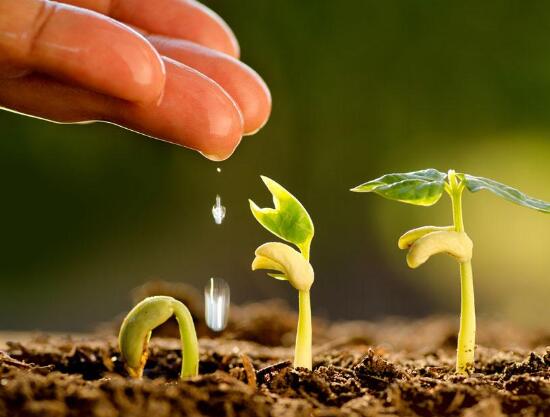
When watering plum blossoms, you must follow the principle of watering only when the soil is dry, and it is best not to water too much. If you water too much and cause waterlogging, root rot easily occurs, so everyone should pay attention to this point. In addition, the plum blossom's water requirements differ from season to season, which is described in detail below. Let's take a look.
II. Plum blossom watering methods
1. Watering plum blossoms in spring
Spring is the season when plum blossoms grow best, so the water requirement is relatively high, but you still need to follow the principle of watering when dry. There is one more thing to note in spring: spring is the rainy season, with a lot of rainy weather, so we need to promptly remove any standing water.
2. Watering plum blossoms in summer
Among plum blossom watering methods, summer brings an even greater water requirement than spring, because the weather is hotter, so water evaporates relatively quickly, meaning you need to water it almost every day. One thing to pay attention to in summer is that it is best to water in the early morning, so the temperature difference is not too great.
3. Watering plum blossoms in autumn
In autumn, the temperature gradually drops, so we should appropriately reduce the amount of watering. Generally, water once every other day or every few days, depending on the climate. Generally, it is enough to keep the soil in a moist state.
4. Watering plum blossoms in winter
In winter, water evaporates relatively slowly, so watering is generally rare. Usually, you only need to spray a little water on the plum blossom's flowering branches with a spray bottle at midday when the weather warms up, so it can absorb it better.
III. What to do if you overwater plum blossoms / remove standing water promptly
As the editor mentioned above, when watering plum blossoms, waterlogging is strictly forbidden, otherwise it easily leads to root rot. If you have already watered too much, then you should promptly remove the standing water.
How to water wintersweet, always water thoroughly / with watering times and water amounts included
Wintersweet is a plant with strong drought tolerance. It can survive for a long time in a dry environment, but if you want wintersweet to grow normally, obviously it is not advisable to leave it short of water for a long time. So how do you water wintersweet? Let's take a look at the wintersweet watering methods.
How to water wintersweet
Generally speaking, watering wintersweet should follow the principle of not watering when not dry and watering thoroughly when you do water. This means you do not water until the soil has completely dried out, and each watering should ensure both the upper and lower parts of the soil are moistened. The specific timing is adjusted according to climate change based on this principle.
I. Watering in spring
Potted: If grown in a pot, then how do you water wintersweet in spring? The answer is once every 2 days. Pay attention to checking whether the soil is dry or moist. If the soil has completely dried and caked, you should water as early as possible.
Open-ground cultivation: If the wintersweet is planted in a courtyard, then in spring you generally water once every 3 days, but you can stop watering during the plum rain season, because rainwater can ensure the wintersweet gets enough water.
II. Does wintersweet need watering every day in summer
Because summer temperatures are higher and water evaporates quickly, watering at this time is generally once a day, but it does not necessarily need to be every day. The specific frequency should be determined by the moisture condition of the soil. At this time, note that you should spray water on the leaf surface to maintain air humidity.
III. Watering in autumn
In autumn, the temperature gradually decreases. After October, watering is generally once every 2 days, ensuring the wintersweet gets an appropriate amount of water before flowering. If the soil becomes completely dry and white, flowering will be seriously affected.
IV. How to water wintersweet in winter
Although winter is the season when wintersweet blooms, and it will consume some nutrients and water, at this time neither the watering frequency nor the amount needs to be too much. Generally, watering once every 4-5 days is enough, and the water amount should be half of the usual amount. When the temperature drops below minus 10 degrees, watering should be stopped.
What happens if wintersweet is overwatered
If you water too much, it will cause waterlogging, and wintersweet is very afraid of waterlogging. It will cause the roots to soak in water and be unable to breathe normally, leading to root rot. The growth of the wintersweet is hindered, which will not only trigger diseases but may also lead to the death of the plant.
When overwatered, you should drain the standing water as soon as possible and check whether the soil drains well. If the soil is compacted and cannot drain excess water, you should change the soil promptly, to avoid water being unable to reach the lower part of the soil after watering.
Watering and fertilizing methods for potted plum blossoms
Plum blossoms like sunlight and a well-ventilated environment, love fertilizer and fear waterlogging, and are relatively cold-tolerant. The management of potted plum blossoms is a bit more complicated than that of field-planted ones, but as long as the methods are appropriate, it is not very difficult. The key points to master are how to water and fertilize.
(1) Watering: Plum blossoms should be watered promptly and in appropriate amounts, not watered when not dry, and above all not overwatered; keeping the potting soil moist is ideal. Both too dry and too wet will cause leaf drop. ① From April to June, plum blossoms have just sprouted and do not need much water, so you can water once every few days. After that, as the temperature rises and the branches and leaves grow, the watering amount should gradually increase. To avoid excessive growth of branches and leaves, the potting soil at this stage should preferably be on the dry side. ② From July to September, due to strong light, high temperatures and large evaporation, in addition to watering thoroughly once every afternoon, in the morning you should replenish water for any individual dry pots. At this stage, water when the soil is dry to prevent dryness and leaf drop. ③ From October to March of the following year, the climate goes from cool to cold. At this stage, the principle is to keep the potting soil moist. During the flowering period, the water amount should be slightly increased, and water must not be cut off; during full bloom, water should be controlled to extend the flowering period.
(2) Fertilizing: Reasonable fertilizing can promote plum blossom flowering, make the plum blossom grow vigorously and prolong its life. In one year, potted plum fertilizing can be done in several applications. In early January, when the plum blossom buds are ready to open, you should apply 1 light quick-acting fertilizer to promote blooming. But to prevent fertilizer burn, water once again the next day. In March, after flowering and when repotting, apply well-rotted long-acting organic fertilizer, such as cake fertilizer, poultry manure, etc., for the potted plum to gradually absorb slowly. In April, apply 1 diluted topdressing for the growth of spring branches and leaves. From mid-to-late June to early July, 10 days after the new branches stop growing, you can apply quick-acting phosphorus and potassium fertilizers, such as superphosphate, potassium chloride, etc., combined with irrigation, to promote flower bud formation. This fertilizer must not be applied too early; too early often causes new buds to continue growing, which is unfavorable for flower bud formation. Fertilizing should be stopped during the dog days, and no fertilizing should be done during the flowering period either.