How to grow Pilea peperomioides? Detailed guide to cultivation methods and precautions
During the growing season, apply a dilute fertilizer once every half month, but note that too much nitrogen fertilizer will cause leggy leaf growth; flowering and fruiting occur easily in warm regions. When planting, use well-drained humus soil mixed with sand. Also line the bottom of the pot to aid drainage.
Propagation and cultivation
Choose loose, fertile, sandy loam rich in humus; you can mix garden soil, leaf mold and river sand in equal parts. Keep the potting soil moist at all times. During the growing season, apply a dilute liquid fertilizer once every half month. Flowering and fruiting occur easily in warm regions, and sowing is sometimes used for propagation. Generally, division or cuttings can be used; March to May each year is the best time for division and cuttings. Pilea peperomioides is dioecious, flowering in April and fruiting from May to June; in Yunnan it can be propagated by sowing seeds. The seeds of Pilea peperomioides are tiny, so sowing should not be deep, as deep sowing makes it hard for seedlings to emerge. Pilea peperomioides is fairly cold-tolerant and can overwinter safely outdoors in the south; it likes shade, so it should be cared for in a spot with shade conditions. Its optimum growing temperature is around 15°C, and it also grows well in a well-lit greenhouse; it is generally used as a potted ornamental plant. When planting, use well-drained humus soil mixed with sand; also line the bottom of the pot with tile pieces to aid drainage.
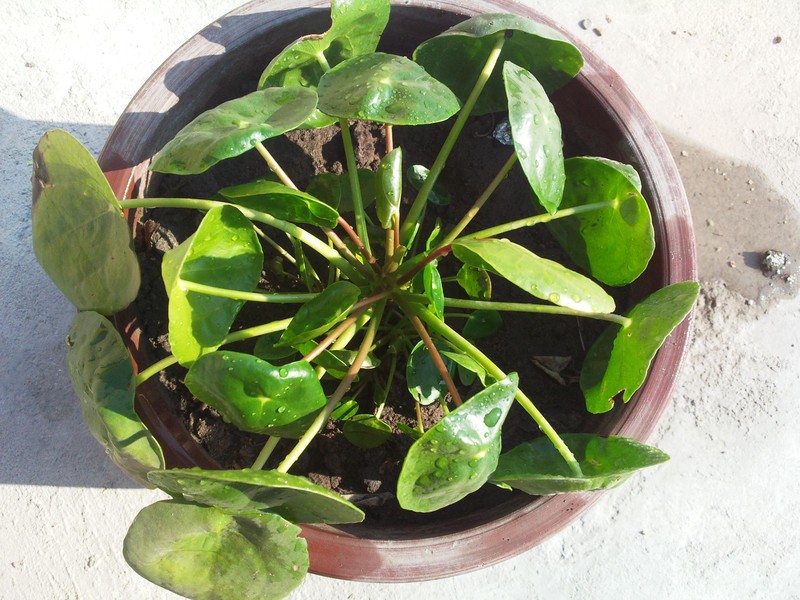
Pilea peperomioides is very shade-tolerant; it can grow as long as there is enough light to read an ordinary newspaper, so it is very suitable for indoor potting at home. It likes a warm, humid environment; below -4°C, chilling damage occurs, the leaves lose their luster and may even drop. It likes loose, well-drained loam rich in humus; you can take humus soil from shady woodland in the mountains, or make a mix from leaf mold and peat plus a little river sand, coal ash and base fertilizer. Propagation can generally be done by division, leaf cuttings or stem cuttings. The roots of Pilea peperomioides easily form adventitious buds, growing small plantlets of various sizes; when the temperature warms up in spring, you can cut them off the parent plant with a sharp knife and plant them separately, and they root very easily. Because Pilea peperomioides also easily sprouts cluster-like tillers on the stem, at the end of summer and beginning of autumn you can carefully remove the cluster-like tillers from the stem with a sharp knife, plant them in clusters in red soil, place them in a shady spot, water thoroughly, and keep them moist with plastic film; the survival rate is also very high.
For leaf cuttings, you can refer to the leaf-cutting method for begonias. You can also cut the stem into small sections about 3 cm long for cuttings. If the leaves drop due to cold damage, but the stem is undamaged, you can manage it with routine overwintering care, and in spring of the following year it can leaf out again and become a full plant. In summer, do not place it in direct strong sunlight. The whole spring and summer is the period of vigorous growth for Pilea peperomioides, so strengthen fertilizer and water management, and frequently water or spray the leaves with a 0.1%—0.5% potassium dihydrogen phosphate solution; during spring, supplement a small amount of nitrogen fertilizer at irregular intervals, and in summer apply as little nitrogen fertilizer as possible or none at all. Throughout the growing period, the potting soil should remain moist; in winter it can be relatively drier, but it must not become dry, otherwise the leaves easily wither and turn black. In dry seasons, frequently spray water on the leaves and surrounding area to create a humid micro-environment.
How to grow Pilea peperomioides, cultivation methods and precautions for Pilea peperomioides / likes diffused light
Pilea peperomioides, named because its leaves resemble the mirrors used by ancient immortals to look at their faces, is a beautiful foliage plant deeply loved by gardening enthusiasts. In daily life, many people want to keep a pot of Pilea peperomioides at home, so how do you grow it? Below is a carefully compiled guide to the cultivation methods and precautions for potted Pilea peperomioides, very comprehensive, not to be missed~
I. How to grow Pilea peperomioides: understand its habits
Pilea peperomioides likes a warm, humid environment; it is cold-tolerant and shade-loving, and dislikes strong light, so how do you grow it? When keeping it indoors, place it in a spot with plenty of diffused light, and water frequently to keep the potting soil slightly moist. As for the growing medium, it is best to choose moist, well-drained peat soil.
II. Cultivation methods and precautions for Pilea peperomioides
1. Soil
For growing Pilea peperomioides indoors, you should first reselect the soil. Nowadays, the Pilea peperomioides kept by gardening enthusiasts are basically bought online; with existing potted plants, normal care can keep the plant growing, but that soil is very cheap, so if you want Pilea peperomioides to grow well, it is best to reselect the soil.
Soil choice: according to the growing habits of Pilea peperomioides, it likes loose, fertile soil with good drainage and aeration. For this, we recommend using a soil mixed from 3 parts leaf mold, 3 parts garden soil, 2 parts river sand or furnace ash, and 1 part decomposed organic fertilizer. It is best to line the bottom of the flowerpot with tile pieces to aid drainage.
2. Light
Pilea peperomioides is a foliage plant, so its demand for light is quite high, but it dislikes strong light, so when growing it indoors, place it in a spot with plenty of diffused light but protected from strong light.
Precautions: Pilea peperomioides has high light requirements; the light must not be too strong, nor too shaded. Once the light is too strong, its leaves are easily scorched; once it is too shaded, the leaves easily become thin and the leaf stalks elongate, causing the leaves to droop.
3. Temperature
How to grow Pilea peperomioides: adjusting the temperature appropriately is also very necessary. It is understood that Pilea peperomioides likes a warm environment, and its most suitable growing temperature is 15-20°C; if you want it to grow well, it is best to maintain this growing temperature.
Precautions: although Pilea peperomioides is fairly cold-tolerant, the overwintering temperature should be kept at 7°C, otherwise the leaves of Pilea peperomioides will turn yellow, curl, and drop, or it may even suffer cold damage. At the same time, Pilea peperomioides also fears high temperatures; when the temperature is above 30°C, the plant's growth stalls and the leaves easily drop.
4. Watering
Water is the source of life, and in the cultivation methods and precautions for Pilea peperomioides, watering is an indispensable part. Because Pilea peperomioides likes a humid environment, water it more often in normal times to keep the potting soil moist. When the winter temperature is below 12°C, control the watering frequency, otherwise it easily rots, which is bad for overwintering.
Precautions: Pilea peperomioides has high water requirements; if watering is insufficient, the leaves of Pilea peperomioides easily turn yellow and droop, and in severe cases the leaves develop wrinkles or even die. At the same time, Pilea peperomioides dislikes waterlogging, so do not water too much, otherwise the leaves will change color, or even the roots will rot and the plant will die.
5. Fertilizing
Having covered watering, let's talk about fertilizing, which is also very important in the cultivation methods for Pilea peperomioides. Spring and summer are the growing season for Pilea peperomioides; at this time, fertilize with a dilute liquid fertilizer once every half month, and at the same time frequently water or spray the leaves with a 0.1%-0.5% potassium dihydrogen phosphate solution.
Precautions: because the stems and leaves of Pilea peperomioides are succulent, it needs fertilizer but cannot tolerate concentrated or heavy fertilizer; when fertilizing it, apply small amounts frequently, and watering with dilute fertilizer water is most suitable. Once too much fertilizer is applied, it will cause leggy leaf growth and the plant to lodge, and in severe cases even cause root rot or death of the plant.
6. Pests and diseases
During the growth of Pilea peperomioides, for various reasons, the plant will inevitably suffer pest and disease damage. According to research, the main pests and diseases include: scale insects, red spider mites, leaf spot, anthracnose, etc., all of which harm the health of the plant. So once discovered, everyone should immediately spray pesticide for control; as for what pesticide to spray, you can refer to pest and disease control for Pilea peperomioides.
How to grow Pilea peperomioides? Cultivation methods and precautions for Pilea peperomioides
Pilea peperomioides is a perennial succulent herb of the genus Pilea in the family Urticaceae, named because its leaves resemble mirrors. Pilea peperomioides has a peculiar leaf shape and a beautiful form, is very suitable for growing indoors, has high ornamental value, and is a foliage plant worth promoting. So, how do you grow Pilea peperomioides? The cultivation methods and precautions for Pilea peperomioides are introduced below.
Image: Pilea peperomioides
I. Cultivation methods for Pilea peperomioides
1. Soil:For potted Pilea peperomioides, the soil can be a growing medium mixed from leaf mold, garden soil plus a little river sand, furnace ash and bone meal. A loose, fertile, well-drained sandy loam rich in humus is best; for home cultivation you can use a mix of 3 parts leaf mold + 3 parts garden soil + 2 parts river sand or furnace ash + 1 part decomposed organic fertilizer. When planting, use well-drained humus soil mixed with sand, and line the bottom of the pot with tile pieces to aid drainage.
2. Light:Pilea peperomioides is a shade-tolerant plant, but it also likes light; it cannot take strong light, and diffused light is suitable. If the light is too strong or too shaded, the glossy sheen of the leaves easily fades or disappears; when too shaded, the leaves also easily become thin and the leaf stalks elongate, causing the leaves to droop. When winter temperatures are low, it can be given full-sun care.
3. Temperature:The suitable growing temperature for Pilea peperomioides is between 15 and 20°C, and for overwintering it should be kept above 7°C, otherwise it easily drops leaves or even dies from cold damage. When summer temperatures rise above 30°C, growth stalls and leaves easily drop. In particular, note that a sudden drop in temperature will cause the leaf stems to change color and partly drop. If the leaves drop due to cold damage, but the stem is undamaged, you can manage it with routine overwintering care, and in spring of the following year it can leaf out again and become a full plant. In summer, do not place it in direct strong sunlight.
Image: Pilea peperomioides
4. Humidity:Pilea peperomioides likes water but fears waterlogging; you can keep the potting soil moist. Drought easily makes it wilt and droop, and in severe cases the leaves develop wrinkles or turn yellow and die. It is not suited to a dry environment; the growing environment should maintain relatively high air humidity, and you should frequently spray water on the growing environment and leaves to increase humidity so that it grows well.
5. Watering:When the winter temperature is below 12°C, control the watering frequency for Pilea peperomioides, otherwise it easily rots, which is bad for overwintering. Keep the potting soil moist at all times, but avoid waterlogging, to prevent the leaves from changing color, wilting, or even the stems rotting. Water according to the principle of watering when dry and stopping when wet; to maintain air humidity, you can frequently spray the leaves. Throughout the growing period, the potting soil should remain moist; in winter it can be relatively drier, but it must not become dry, otherwise the leaves easily wither and turn black. In dry seasons, frequently spray water on the leaves and surrounding area to create a humid micro-environment.
6. Fertilizing:Pilea peperomioides cannot tolerate concentrated or heavy fertilizer; apply small amounts frequently, and watering with dilute fertilizer water is most suitable. When the temperature is above 28°C or below 12°C, stop fertilizing. During the growing season, apply a dilute liquid fertilizer once every half month. The whole spring and summer is the period of vigorous growth for Pilea peperomioides, so strengthen fertilizer and water management, and frequently water or spray the leaves with a 0.1-0.5% potassium dihydrogen phosphate solution; during spring, supplement a small amount of nitrogen fertilizer at irregular intervals, and in summer apply as little nitrogen fertilizer as possible or none at all. During the growing season, apply a dilute liquid fertilizer once every half month, but note that too much nitrogen fertilizer will cause leggy leaf growth and the plant to lodge, and concentrated or raw fertilizer will cause root rot or even death of the plant.
Image: Pilea peperomioides
II. Precautions for cultivating Pilea peperomioides
During the cultivation of Pilea peperomioides, attention should be paid to preventing and controlling pests and diseases. Pilea peperomioides commonly suffers from anthracnose and scale insect damage; anthracnose can be controlled by spraying anthracnose fungicide, carbendazim, etc., and scale insects can be controlled by spraying methidathion, chlorpyrifos, etc. It is prone to leaf spot, which can be controlled by spraying a 600-fold dilution of 50% carbendazim, once every ten days, for 3 consecutive sprays. If there is damage from cottony cushion scale, etc., you can spray the leaves with a 1000-fold dilution of 40% omethoate.
[Editor's concluding remarks]Pilea peperomioides likes a warm, humid environment and is very suitable for potting at home. The above has introduced the cultivation methods and precautions for Pilea peperomioides, and we hope it can help everyone!