How to water dahlias? Control the amount of water according to the climate; in summer, you can water more.
Dahlia is a fairly common plant in people's lives. It has a great many varieties and is one of the world-famous flowers, so many people grow it. However, in the process of growing this plant, there are many aspects that need attention, and watering is an indispensable part of it. As for how to water dahlias, the editor below will walk you through it.
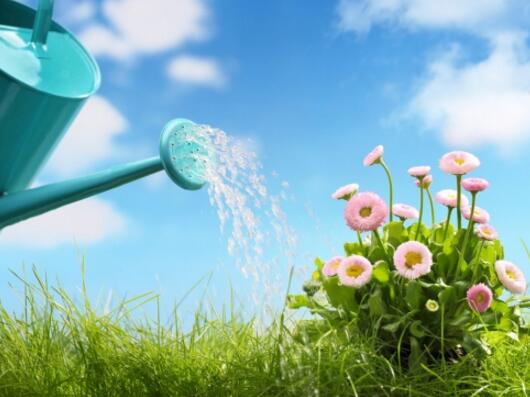
1. How to water dahlias / control the amount of water according to the season
1. Watering in spring
Spring is the season when dahlias grow rapidly, so water is essential. Generally, we can choose to water once every 3-4 days, and watering thoroughly once is enough. Never let water accumulate, otherwise root rot is very likely to occur.
2. Watering in summer
When watering dahlias in summer, we can choose to increase the frequency of watering, because the summer weather is relatively hot and water evaporates quickly, so watering should be appropriately more frequent. Generally, watering is needed once every 2 days, and it is best to water in the morning or evening. Never water at noon.
3. Watering in autumn
Compared with summer, the frequency of watering dahlias in autumn should be slightly reduced, because the climate is similar to spring, so the amount of water is also similar to spring. Generally, watering once about every 3 days is enough.
4. Watering in winter
Winter is the semi-dormant period of dahlias, so at this time the demand for water is not very high. Generally, watering once every 10-15 days is enough, and it must not be watered too much, otherwise the plant is very likely to suffer frost damage. Everyone should remember this point.
2. Precautions for watering dahlias
When watering dahlias, it is best to choose a spray bottle, so that the water will be more even and less likely to cause water accumulation. When watering, it is best not to pour the water directly, as this can easily cause uneven moisture and also easily lead to water accumulation.
In fact, besides watering, there are many other aspects that need attention in the care of dahlias. You can refer to the article on dahlia cultivation methods, which contains detailed care methods and can better help everyone grow dahlias. The editor will introduce the question of how to water dahlias here, and I hope this article can be of some help to everyone.
Dahlia Dahlia Dahlia illustrated guide: how to grow dahlias / how to propagate dahlias
Dahlia profileDahlia Dahlia
Aliases: Dali flower, Tianzhu peony, Dongyang chrysanthemum, dahlia chrysanthemum, sweet potato flower, passionflower, foreign chrysanthemum, shao peony, foreign peony, Dali chrysanthemum
Classification: tuberous root flower
Family and genus: Plantae, Angiosperms, Dicotyledoneae, Asterales, Asteraceae, Dahlia
Full bloom period: spring and summer
Dahlia, also known by the aliases Dali flower, Tianzhu peony, Dongyang chrysanthemum, dahlia chrysanthemum, and sweet potato flower, is a plant in the Asteraceae family and the genus Dahlia. It is a perennial herb of the Asteraceae family and has huge club-shaped tuberous roots. The stem is upright, much branched, 1.5-2 m tall, and sturdy. Chrysanthemums bloom proudly in frost, but the dahlia is different: it blooms successively between spring and summer, blooms again after passing the summer, and withers at the time of frost. Its flower shape is similar to that of the peony, which is renowned for its national beauty, and its colors are magnificent and colorful, making it lovable. Mexicans regard the dahlia as a symbol of generosity and magnificence, so they honor it as the national flower. At the same time, the dahlia is also the provincial flower of Jilin Province and the city flower of Zhangjiakou City, Hebei Province, ...
Dahlia cultivation methods and precautions Introduction to dahlias
Dahlia, also known by the aliases Dali flower, Tianzhu peony, Dongyang chrysanthemum, dahlia chrysanthemum, and sweet potato flower, is a plant in the Asteraceae family and the genus Dahlia. It is a perennial herb of the Asteraceae family and has huge club-shaped tuberous roots. The stem is upright, much branched, 1.5-2 m tall, and sturdy.
Chrysanthemums bloom proudly in frost, but the dahlia is different: it blooms successively between spring and summer, blooms again after passing the summer, and withers at the time of frost. Its flower shape is similar to that of the peony, which is renowned for its national beauty, and its colors are magnificent and colorful, making it lovable.
Mexicans regard the dahlia as a symbol of generosity and magnificence, so they honor it as the national flower. At the same time, the dahlia is also the provincial flower of Jilin Province and the city flower of Zhangjiakou City, Hebei Province. The gorgeously varied dahlia symbolizes generosity, magnificence, and great good fortune. It is native to Mexico, and Mexicans regard it as a symbol of generosity and magnificence, so they honor it as the national flower.
Dahlias are planted in most countries around the world, and new selected varieties appear from time to time. According to statistics, there are already more than 30,000 dahlia varieties, making it one of the species with the most flower varieties in the world. Today, the dahlia has spread to countries all over the world, becoming a frequent guest in gardens and a world-famous ornamental flower. At present, most countries in the world plant it, and selected varieties appear from time to time. According to statistics, dahlia varieties have exceeded 30,000, making it one of the species with the most flower varieties in the world.
Dahlias have many praised names for their flower colors and flower shapes, and are rich and varied. They are one of the world-famous flowers; in addition, they can promote blood circulation and dissipate blood stasis, and have certain medicinal value.
Morphological characteristics of dahlias
Dahlia is a perennial herb with huge club-shaped tuberous roots. The stem is upright, much branched, 1.5-2 m tall, and sturdy. The leaves are 1-3 times pinnately parted; the upper leaves are sometimes not divided; the segments are ovate or oblong-ovate, grayish green underneath, and hairless on both sides. The capitulum is large, with a long peduncle, often drooping, 6-12 cm wide. The outer layer of involucral bracts is about 5, ovate-elliptic, leaf-like, and the inner layer is membranous, elliptic-lanceolate. The ray florets are in 1 layer, white, red, or purple, often ovate, with inconspicuous 3 teeth at the apex, or entire; the tubular florets are yellow, and sometimes in cultivated varieties all are ray florets. The achene is oblong, 9-12 mm long, 3-4 mm wide, black, flat, with 2 inconspicuous teeth.
The dahlia plant is about 1.5 m tall, with opposite leaves that are pinnately compound. Its capitulum has countless yellow tubular florets in the center, and the edge is made up of long and curled ray florets in various gorgeous colors. The delicacy and beauty of the flower are displayed through them.
The colors of dahlias are gorgeous and colorful, including red, yellow, orange, purple, white, and other colors, and are very attractive. Double-flowered dahlias include thousand-petal flowers with white petals inlaid with red stripes, like red agate veins embedded in white jade, extraordinarily enchanting.
Dahlias have enlarged tuberous roots, in which large amounts of nutrients are stored, and these can be used for their own asexual reproduction. Horticulturists cut and divide the tuberous roots from the crown and plant them one by one, and can obtain many new plants. Dahlias already have more than 7,000 varieties, and almost every color exists. It has become a world-famous flower and is found in gardens everywhere. The dahlia is also famous as a pollution-resistant plant.
The dahlia flowering period is from June to December, and the fruiting period is from September to October.
Ecological habits of dahlias
Dahlias prefer semi-shade; too strong sunlight affects flowering. The light duration is generally 10-12 hours, and when cultivating seedlings, direct sunlight should be avoided.
Dahlias like a cool climate. They bloom largest, most brilliantly, and most abundantly in late September, but they are not tolerant of frost; after frost, the stems and leaves immediately wither. During the growth period, they are not strict about temperature and can grow at 8-35°C, with 15-25°C being suitable. Dahlias are not tolerant of drought or waterlogging. Generally, for potted plants, when the soil looks dry, water thoroughly, following the principle of "see wet, see dry"; in rainy weather, the pot can be tipped to drain water (for ground planting, frequent watering is not necessary). Dahlias are suitable for cultivation in loose, well-drained, fertile sandy soil.
1. Likes moisture, fears waterlogging
Dahlias fear drought and avoid water accumulation. This is because dahlias have fleshy tuberous roots, and too much watering easily causes root rot. However, their leaves are large and they grow luxuriantly, so they also need more water. If water is lacking and they wilt and cannot be replenished in time, after exposure to sunlight, in mild cases the leaf edges scorch, and in severe cases the basal leaves fall off. Therefore, watering should follow the principle of "water thoroughly when dry."
2. Likes fertility, fears excess
When planting dahlias, it is advisable to choose fertile, loose soil. In addition to applying base fertilizer, topdressing is also needed. Usually from mid-to-late July until flowering, apply a dilute liquid fertilizer once every 7-10 days, and the concentration of the fertilizer should gradually increase, so that the stems become thicker and sturdier and the leaves become deep green and spread out.
3. Likes sunlight, fears shade
Dahlias like sufficient sunlight. If placed in a shaded place for a long time, they grow poorly, the root system weakens, the leaves are thin and the stems slender, the flowers are small and pale, and they may even fail to bloom. Only by planting them in a place with sufficient sunlight can the plants grow robustly and produce bright flowers.
4. Likes coolness, fears heat
During the flowering period, dahlias like a cool climate. When the temperature is around 20°C, growth is best. In North China and other places, they can grow well from late spring to late autumn. But they fear direct exposure to the scorching summer sun, especially the blazing sun after rain clears. At this time, a little shading should be provided, and then growth will be better.
Dahlia cultivation techniques Cultivation points
The stems of dahlias are tender and brittle, cannot withstand strong winds, and also fear waterlogging. When planting in the ground, choose a place with high, dry terrain, good drainage, sufficient sunlight, and shelter from the wind, and make raised beds. The plant and row spacing is generally about 1 m for standard varieties and 40 cm-50 cm for dwarf varieties. Dahlia stems are tall, juicy, and tender, so supports should be set up to prevent wind breakage. Watering should follow the principle of watering only after the soil is dry. After continuous cloudy days in summer followed by sudden bright sunshine, promptly spray clear water on the ground and leaves to cool them down; otherwise the leaves will develop scorched edges and turn yellow and withered. During the dog days when there is no rain, besides watering every day, water should also be sprayed to lower the temperature. After buds appear, apply liquid fertilizer once every 10 days until the buds show color. Before frost, leave 10 cm-15 cm of the crown, cut off the branches and leaves, dig up the tuberous roots, dry them in place for 1-2 days, and then pile them indoors in dry sand for storage. The storage room temperature is about 5°C.
Potted management
For potted dahlias, it is better to repot multiple times. Choose a shallow pot with a large opening, and at the same time make the drainage hole at the bottom of the pot as large as possible, and place a layer of broken tiles underneath as a drainage layer. The growing soil must contain half sand. The last repotting needs sufficient base fertilizer to provide ample nutrition; other management is the same as for ground planting. For dahlias used for cut flowers, the cultivation points are the same as for ground planting, with a plant and row spacing of 50 cm-100 cm. During the peak growing season, topdress with liquid fertilizer once every half month, properly pinch the tips, and retain more side branches.
① The potting time is generally in mid-October, with 1-2 plants per pot. After potting, spray New High Lipid Film on the plant surface so that the plants grow quickly;
② When the seedlings grow to 10-12 cm tall, leave 2 nodes and pinch off the top, cultivating 6-8 branches per pot. The last pinching is carried out 40-50 days before the Spring Festival, so as to control flowering during the Spring Festival;
③ Watering: water 2-3 times a day; before blooming, water can be appropriately controlled to promote flowering;
④ Fertilization: in the early stage, mainly apply nitrogen fertilizer, and in the later stage, mainly apply phosphorus and potassium fertilizer. Generally, apply inorganic fertilizer once every 10 days and organic fertilizer once a month.
⑤ Pest and disease control: spray pesticides regularly to protect the basal leaves;
⑥ Staking with bamboo: after the last pinching and branch setting, begin staking with bamboo, with one bamboo strip for each branch. At the same time, remove excess side branches to improve ventilation;
⑦ Bud removal: when the buds grow to the size of a peanut, keep 2 buds per branch and remove the others. During the bud stage, spray Flower Strengthening Spirit so that the petals are plump, the flower colors are bright, and the flowering period is extended;
⑧ Bud setting: when the buds show red, keep only 1 bud per branch.
Dahlia cultivation methods Management and care
Pruning and training
First, keep a single bud to form a single plant, so that it blooms early. After flowering, cut it back leaving 1-2 nodes, and the new shoots that grow can continue to bloom.
Second, for varieties with poor branching, pinch the tips at the young stage to promote branching, short-cut the plants from mid-July to early August, and produce high-quality flowers in September-October.
Installing flower netting
Generally, when the plant height is 20-25 cm, set up a support net with 15 cm as suitable. The net is fixed at a height of 45 cm above the ground.
Heat preservation
To bloom earlier in early spring, cultivation can be carried out in a greenhouse, keeping the daytime temperature at around 25°C. If it exceeds 25°C, ventilation and cooling must be carried out. At night, when the temperature is below 10°C, the greenhouse temperature must be raised.
Flowering period control
If blooming is needed in winter and early spring, sunlight and temperature must be controlled. Studies show that short-day conditions and low temperature are the main factors preventing dahlia flower bud differentiation. In winter, control sunlight at about 14 h and night temperature above 10°C, and cut flowers with large flowers and bright colors can be produced.
Cut flower harvest
The suitable harvest time is when the flowers are 3-4 parts open, and in summer when they are 2 parts open. In spring, the first batch of flowers is cut leaving 2 nodes, and the second batch is cut leaving 1 node. Because dahlia cut flowers have poor water absorption, it is best to harvest them in the morning or evening, and immediately put them in water after harvesting. After the tuberous roots are harvested, store them in a dry place, or pack them in wood shavings and store them at 4.5-7.4°C.
Fertilization
Dahlias are fertilizer-loving plants and must have sufficient fertilizer supply; otherwise the flowers tend to become smaller, the color dull, and the ornamental value reduced. According to growth conditions, apply cake fertilizer 4-5 times as topdressing, preferably with thin fertilizer. When the summer high temperature exceeds 30°C, fertilization is prohibited.
Water
Appropriately reduce the amount of watering, which helps control plant growth and promotes thick dahlia stems, shorter plants, and larger flowers. In summer high temperatures, while basically meeting their water needs, spray water on the leaves as much as possible, at least twice a day, to make up for evaporation loss.
Temperature
Dahlias like a cool climate, with 10-25°C being most suitable. In high-temperature seasons, cooling measures should be taken, spraying water on the leaves and ground 3-4 times a day according to weather conditions, to achieve the purpose of cooling and controlling water. After September, consciously raise the temperature of the surrounding micro-environment during the day, so that daytime temperatures are high and nighttime temperatures are low. A larger day-night temperature difference is extremely beneficial to the flower color of dahlias and the enlargement of the tuberous roots.
Care points
Dahlias adapt to different climates and soil types across the country, have few pests and diseases, are easy to manage, and are the easiest to propagate. Their benefit advantages are obvious: they grow fastest, have the longest flowering period, the most flowers, and the largest flowers, 10-20 cm larger than peonies. According to the record in "Chinese Peonies," the largest flower diameter among famous peony varieties is 20 cm.
The largest flower diameter of premium dahlias is 30-40 cm, making them a uniquely large flower among current flowers. They have the largest flower diameter while the plant type is the smallest. Potted dwarf premium varieties do not exceed 85 cm; for example, the variety named White Peony has a plant type not exceeding 40 cm, with flower size reaching 25-34 cm. When planted in clumps in the open field, they can bloom dozens of flowers a year. In the Central Plains region, some varieties bloom from May until frost and still have buds. If moved indoors before frost to a windowsill or a sealed, light-transmitting balcony, under suitable temperature conditions they can bloom continuously throughout the year.
Suitable and unsuitable practices for care
It is advisable to choose dwarf varieties, and avoid planting tall varieties.
Dahlia plant height ranges from 30 cm to 200 cm, with three grades: tall, medium, and low. For balcony potting, it is advisable to choose dwarf varieties of 30 cm to 60 cm. If too tall, they not only block light, but also easily lodge in strong winds, and may even be blown down along with the pot and fall, possibly causing accidents that injure people or damage objects.
The pot should be deep, large, and well ventilated.
Avoid shallow, small, and light pots. Dahlia fleshy tuberous roots are relatively developed, so it is advisable to use earthenware pots or purple clay pots with good ventilation and a pot diameter of 30 cm to 50 cm. Plastic pots have poor ventilation and are relatively light, and in strong winds there is a risk of being blown off the balcony. If plastic bucket pots are used, they should be tied to the railing with rope to prevent accidents.
It is advisable to use neutral sandy loam, and avoid heavy clay.
Dahlias grow best when planted in sandy loam. A loose, fertile neutral sandy loam can be made by mixing 50% leaf mold, 35% vegetable garden soil, 10% sand, and 5% plant ash. Repot and replace with new soil every year in early spring; otherwise they easily degenerate, with few flowers and pale colors. Planting in heavy clay easily causes root rot and poor growth.
The soil should be moist; avoid drought and also avoid waterlogging.
It likes a moist environment. During drought, the leaves easily shrink and turn yellow. Watering should be moderate; the soil only needs to be slightly moist. Too wet easily causes excessive growth, and waterlogging easily causes root rot. Therefore, when planting, it is advisable to place a layer of broken hard plastic foam blocks at the bottom of the pot to enhance air permeability and drainage and prevent root rot. While appropriately controlling water, often spray water on the leaves to increase air humidity, which benefits its growth.
It is advisable to apply thin fertilizer frequently, and avoid raw fertilizer, concentrated fertilizer, and single application of nitrogen fertilizer.
It likes fertilizer. When potting, add some bone meal to the soil. During the growth period, apply thin fertilizer frequently, once every 7 to 10 days. It is best to use potassium dihydrogen phosphate solution, with a concentration of 0.1% at the seedling stage and 0.2% at the flowering stage, or use 5% superphosphate. Raw fertilizer and concentrated fertilizer easily burn the roots, and using nitrogen fertilizer alone easily causes excessive growth, soft stems, and lodging.
It is advisable to place it in a place with sufficient sunlight, and avoid shade.
Dahlias are sun-loving flowers. They need at least 4 or 5 hours of direct light every day to have lush leaves and abundant flowers. It is best to place them on a rooftop garden or a south-facing or west-facing balcony. When placed on a balcony, turn them 180° about every 10 days to prevent an uneven crown. Avoid placing them indoors or in shaded places where they cannot get sunlight.
It is advisable to keep it warm and cool; avoid high temperature, stuffiness, and frost.
Dahlias can adapt between 10°C and 32°C, with 15°C to 25°C being most suitable. Above 32°C, growth stagnates. At this time, they can be placed on a cool east- or north-facing balcony. In the hot and rainy summer, dahlias placed on a rooftop garden should be shaded and protected from rain to prevent root rot. Dahlias are not cold-tolerant. Once hit by frost, the underground stems wither and the underground tuberous roots go dormant. South of the Yangtze River, they can overwinter outdoors; north of the Yangtze River, they should be moved into a low-temperature indoor space of 1°C to 10°C for winter.
It is advisable to have good ventilation, and avoid strong winds.
It likes a cool environment with good ventilation. With poor ventilation, the stems grow excessively and weakly. In strong winds, because the stems are hollow and brittle, they very easily lodge and break. Generally, when they grow to 30 cm, use 4 bamboo poles as thick as a little finger or steel bars as thick as chopsticks, insert them around the pot, extending about 50 cm above the soil, and use plastic, aluminum, or copper wire to make 2 or 3 rings to connect the four small posts, so as to prevent the plants from lodging.
Dahlia potting techniques Potting key points
The key to whether potted dahlias grow well lies in strengthening the management of the plant's potting soil, giving sufficient light, frequently applying water and fertilizer, and timely shaping and pruning management.
Potting soil
Dahlias are suitable for growing in loose, humus-rich, well-drained sandy loam. For potting dahlias, the planting soil is generally a growing medium prepared with vegetable garden soil (50%), leaf mold (20%), sandy soil (20%), and dried manure (10%). Compacted soil easily causes waterlogging and root rot, so it cannot be used. In daily management, loosen the soil in time and remove accumulated water in the pot, because dahlia fleshy tuberous roots rot when the soil water content is too high and air permeability is poor.
Light
Dahlias like light and are not tolerant of shade. If placed in a shaded place for a long time, they grow poorly, the root system weakens, the leaves are thin and the stems slender, the flowers are small and pale, and some may even fail to bloom. Therefore, potted dahlias should be placed in a place with sufficient sunlight. The leaves need sufficient light, with daily light requirements of more than 6 hours, so that the plants are robust and the flowers are large and full. If daily sunlight is less than 4 hours, stem and leaf branching and flower bud formation will be affected to a certain extent. Especially with cloudy and rainy weather and insufficient light, flowering will be poor, stem and leaf growth will be poor, and they will be prone to disease.
Watering
Dahlias like water but avoid water accumulation. They fear both waterlogging and drought. This is because dahlias have fleshy tuberous roots, and too much watering easily causes root rot. But dahlia branches and leaves are luxuriant and evaporation is high, so they also need more water. If they wilt due to lack of water and cannot be replenished in time, and are then exposed to sunlight, in mild cases the leaf edges scorch, and in severe cases the basal leaves fall off. Therefore, watering should follow the principle of "water thoroughly when dry." Generally, in the early growth stage of small seedlings, the water requirement is limited. On sunny days, water once a day, keeping the soil slightly moist as the standard; too dry or too wet is unsuitable. In the later growth stage, with luxuriant branches and leaves, more water is consumed. On sunny days or days with north wind, note that water shortage easily occurs at noon or in the evening, and the amount of watering should be appropriately increased.
Fertilization
Dahlia is a fertilizer-loving flower. From the seedling stage, generally apply dilute liquid fertilizer once every 10-15 days. After budding, apply once every 7-10 days. When the buds show color, fertilization should stop. Fertilization is also unsuitable when the temperature is high. The amount of fertilizer applied should be determined according to the plant's growth condition. If the leaves are light in color and thin, it is a sign of fertilizer deficiency; conversely, if fertilizer is excessive, the leaf edges scorch or the leaf tips turn yellow; if the leaves are thick and deep green, it shows that fertilization is appropriate. The concentration of fertilizer should be increased each time, so that the stems become thick and sturdy.
Shaping and pruning
The pruning of potted dahlias should be flexibly mastered according to the variety. Generally, large varieties use single-stem shaping, and medium varieties use 4-stem shaping. Single-stem shaping means retaining the terminal bud and removing all axillary buds, so that nutrients are concentrated and a single-stem dahlia with a low plant and large flowers is formed. For 4-stem dahlias, pinch the seedlings, retain the two basal nodes, and let them form 4 side branches. Each side branch retains its terminal bud, forming a potted dahlia with 4 stems and 4 flowers.
Inserting stakes to support the plant
The stems of dahlias are both hollow and brittle, and are easily blown down and broken by wind, so bamboo should be inserted in time for support. Inserting bamboo can also prevent the branches from growing crooked and improve the ornamental value of the potted plant. When the plant grows taller than 30 cm, insert a small bamboo beside each branch and tie and fix it with hemp fiber (or thin string). As the plant grows taller and taller, replace it in time with longer inserted bamboo. The last inserted bamboo should reach the lower part of the flower bud.
Protecting the plant to overwinter safely
Dahlias are not cold-tolerant (mainly because the tuberous roots cannot freeze). In November, when the branches and leaves wither, cut off the aboveground part, move it indoors, and keep it in the original pot. The tuberous roots can also be taken out, dried for 1-2 days, and then buried indoors in slightly moist sandy soil, with the temperature not exceeding 5°C, and then potted and planted again the following spring.
Potting key points
(1) Likes moisture, fears waterlogging: water thoroughly at the right time and in the right amount, and be careful to avoid water accumulation;
(2) Likes fertility, fears excess: when planting dahlias, it is advisable to choose fertile, loose soil. In addition to applying base fertilizer, topdressing is also needed. Usually, from mid-to-late July until flowering, the leaves become deep green and spread out.
(3) Likes sunlight, fears shade: to ensure robust growth of dahlias and enable them to produce bright flowers, they should be placed in a place with abundant sunlight;
(4) Likes coolness, fears heat: the most suitable growth temperature for dahlias is around 20°C. In hot weather, care should be taken to avoid damage caused by direct sun exposure, and shade protection measures should be taken;
Dahlia propagation methods
Dahlias are natural interspecific hybrids, and the history of artificial selection and breeding is not long. They are mostly propagated by cuttings and sowing, mainly by cuttings, generally carried out in September-October. In addition, dahlias can also be propagated by root division, and root division and cutting propagation are the main methods of dahlia propagation. Dahlias are bred through seed propagation.
Root division propagation
This method is the most commonly used. Because dahlias can only sprout from the root crown, a portion of the root crown must be included when dividing, otherwise new plants cannot germinate. For easy identification, the pre-buried root method is often used for sprouting, and after the adventitious buds on the root crown sprout, they are divided and planted. The root division method is simple and easy, with a high survival rate and strong seedlings, but the number of propagated plants is limited.
Seed propagation
It is only used for flower bed varieties and breeding. In summer, seed set is often poor due to heat and humidity, so seeds are mostly collected from those that mature after the autumn turns cool. Varieties with drooping petals are not easy to obtain seeds from and require artificial supplementary pollination. Sowing is generally done in a sowing box at around 20 C, and seedlings emerge in 4 to 5 days. After true leaves grow, they are transplanted separately and bloom after 1 to 2 years.
After the sown seedlings germinate, transplant them 18 days later into a seedling tray with a 5 cm diameter, with the temperature controlled at around 16°C. After 30 to 35 days, plant them in 12-15 cm pots. During the growing period, fertilize once every 10 d, or use "Huiyou" 15-15-30 special fertilizer for pot flowers. Ten days after planting, spray the leaves once or twice with 0.05%-0.10% chlormequat to control the plant height of the dahlia. Alternatively, when the seedlings are 15 cm tall, pinch once to increase branching and make them bloom more. After the flowers fade, remove them promptly to reduce nutrient consumption, avoid the rotting of spent flowers affecting stem and leaf growth, and also promote the formation of new flowering branches and extend the viewing period. During growth, watering must be strictly controlled to prevent excessive stem and leaf growth and to promote thick stems and large flowers. During high summer temperatures, spray more water on the leaves, which is beneficial to stem and leaf growth, but the potting soil must not be too wet. When the plant slightly wilts before frost, cut off the stems and leaves, place it in semi-shade, and after a few days dig up the tuberous roots and store them in sand indoors.
Cutting propagation
It is the main propagation method for dahlias, with a high propagation coefficient. It is generally carried out in early spring, and can also be done in summer and autumn. The survival rate is highest when cuttings are taken in a greenhouse or hotbed from March to April. Cuttings are taken from pre-sprouted tuberous roots. When a pair of leaves at the base of a new shoot unfolds, they can be peeled from the base for cuttings. You can also take cuttings from above one node at the base of the new shoot, and later take young shoots from the axillary buds as they grow, so that more cuttings can be obtained. Spring cuttings, after full growth through summer and autumn, can bloom in the same year. From early June to August, shoots can be taken from growing plants for summer cuttings, but the survival rate is lower than that of spring cuttings. Cuttings taken from September to October have a lower survival rate than in spring, but higher than summer cuttings. The cutting medium is preferably sandy loam with a small amount of leaf mold or peat.
Cutting techniques
Site selection and land preparation
Choose a field with deep arable soil, loose and fertile soil, flat terrain, and good drainage. Before deep plowing, apply 125 kg of superphosphate per mu as base fertilizer, plus 0.5 kg of 50% diazinon for soil disinfection. Deep plow the soil about 15 cm, then level and rake it, and make high beds or flat beds 2 m wide with ditches 20 cm deep. Open the inner and outer "three ditches" well to facilitate drainage.
Cutting method
From June to August, when the side shoots grow to 15 to 20 cm, combine side-shoot removal with cutting and sowing immediately. The cutting should have 3 buds, keep the upper 2 buds, cut the third bud to the leaf base and remove the leaf, insert it into the soil to a depth reaching the second bud, water thoroughly, and set up supports with double-layer shading using a 50% shade net. On sunny days, water once in the morning and once in the evening, continuously for half a month, keeping soil moisture at 90%. Roots form after 3 weeks, the survival rate is very high, and they can bloom in the autumn of the same year.
Field management
After the cuttings survive, combine intertillage and weeding with one supplementary application of saturated compound fertilizer extract before flowering and one after flowering. For every backpack sprayer (about 12.5 kg), add 400 ml of the mother solution for foliar topdressing. After dahlias take root, deep intertillage is not suitable, so as to avoid damaging the tuberous roots and to prevent weed damage. Because the plants are succulent and soft, supports must be set up to prevent stems and leaves from breaking. For small-flowered varieties, pinch the top when the seedlings are 15 cm tall, so that the plants become shorter and sturdier and bloom more. After flowers fade, remove them promptly to extend the flowering period.
Harvesting and storage
The second flowering period of dahlias is from September to October. After the second flowering period ends and the plants stop growing, that is, before frost, leave 10 cm of the root crown, cut off the branches and leaves, dig up the tuberous roots, air-dry them for 1 to 2 days until the surface looks dry, and then store them in sand in a cold room at 3 to 5°C. The next spring they can sprout, send out shoots, and bloom.
Disease control of dahlias
Dahlias mainly suffer from powdery mildew and brown spot, which harm the leaves, tender stems, flower stalks, and flower buds from June to October, affecting normal growth. Once discovered, control them early. Spray with 50% carbendazim 500 times solution or 50% zineb 800 times solution, which can effectively control the occurrence of the diseases.
Diseases and pests that dahlias are prone to during cultivation include: powdery mildew, flower rot, snout moths, and red spiders.
Powdery mildew
The disease is severe from September to November, and high temperature and high humidity will promote its occurrence. After being affected, plants are short, leaf surfaces are uneven or curled, and tender shoots develop abnormally. After flower buds are damaged, they cannot bloom or can only produce deformed flowers. When the disease is severe, leaves can dry up, and even the whole plant can die.
Control methods
① Strengthen maintenance to make the plants grow robustly and improve disease resistance. Control watering and increase phosphorus fertilizer.
② When the disease occurs, promptly remove diseased leaves and spray with 50% amobam aqueous solution 800 times or 70% thiophanate 000 times for control.
Flower rot
It mostly occurs from full bloom to the flower-falling stage. When soil moisture is relatively high and ground temperature is relatively high, the disease is more likely to occur. When petals are damaged, the spots are initially faded green, then turn yellow-brown. After the spots expand, they become irregular, yellow-brown to gray-brown.
Control methods
① Strengthen ventilation and light transmission between plants; in the later stage, neither water nor nitrogen fertilizer should be used excessively, and phosphorus and potassium fertilizers should be increased.
② After the bud stage, spray with 0.5% Bordeaux mixture or 70% thiophanate 1500 times solution, once every 7-10 days, which has a good control effect.
Snout moth
This insect mainly harms dahlias and chrysanthemums, with larvae boring into the stems to cause damage. When the damage is severe, the plants cannot bloom, and may even be crippled.
Control methods
Generally from June to September, spray once every 20 days or so with 90% trichlorfon technical 800 times solution, which can kill newly hatched larvae.
Red spider
Red spider, namely carmine spider mite, can be referred to the control section on carmine spider mite in "Jasmine."
Cotton leafhopper pest
Adults and nymphs suck sap on the underside of plant leaves, causing yellow-brown spots on the leaf surface, leaves wrinkling toward the underside, and in severe cases the whole leaf discolors and scorches.
Control methods
A. Combine with pruning, cut off damaged branches and leaves and dispose of them, to reduce the source of insects.
B. During the adult damage period, use light traps to kill adults.
. During the occurrence period of nymphs and adults, spray 90% crystalline trichlorfon 1000-1500 times solution, or 40% omethoate emulsifiable concentrate 1000-1500 times solution, or 2.5% deltamethrin emulsifiable concentrate 1500-2000 times solution for control. The number of sprayings depends on the pest situation, generally once every 10 days or so.
Other dahlia tips: How to cultivate multicolored dahlias?
Dahlias have extremely many flower forms and colors. At present, there are more than 7,000 varieties worldwide, and China also has more than 500 varieties. But each variety has only one flower color. How can several flower forms and colors be concentrated on one plant? This goal can be achieved by artificial tuberous root grafting.
Tuberous root grafting is mostly carried out in spring. Use tuberous roots without buds as the rootstock, and take the tender shoot tips of the variety to be grafted as scions for cleft grafting. Specific method:
1) Conceive the idea and design the pattern
If you want a spring plum blossom shape, graft yellow-flowered scions in the center of the rootstock tuberous root and graft pink scions around the outer edge, but it must be a single trunk with a single flower. Use chemicals to control growth so that the plant shape is balanced and beautiful, and pay attention to the arrangement of flower positions.
2) Grafting procedure and operation method
Select scions of the same thickness and height, first cut them into a duckbill shape, then make cuts on the rootstock tuberous root according to the designed pattern positions, insert the scions into the cuts, align the cambium, and seal the joint with adhesive tape. After grafting, bury the tuberous root in soil, and when it heals, sprouts, and sends out shoots, move it into a pot or flower bed.
3) Key management points
For dahlia cultivation, choose a place with high, dry terrain and sufficient sunlight; it requires well-drained sandy soil and deep plowing to 40 cm. Before planting, apply a large amount of base fertilizer. In late April, tuberous roots should be planted shallowly; deep planting will cause root rot. The depth should be controlled so that the root crown is 2-3 cm below the soil surface. As the seedlings grow, supports are needed to prevent lodging. Pay attention to bud thinning and pruning, leaving one flower bud per branch. After flowers fade, leave 2-3 buds at the base, so after spring planting, topdressing is needed 2-3 times; in autumn from September to October, topdress 2-3 times. Summers are hot, so prevent drought and waterlogging, and pay attention to drainage and irrigation.
How to dwarf potted dahlias?
The long flowering period and gorgeous flowers of dahlias are already widely known. But the shortcoming is that the plants are tall, so they have to be planted in the ground. Even short varieties are not suitable for pots placed on desks. Flower workers have achieved good results by using the bud-bearing cutting method for dwarf pot cultivation, obtaining dwarfed plants about a chi tall with large and brilliant flowers, which can be planted in small pots with a diameter of just over ten centimeters and are very suitable for indoor display, adding much spring feeling and vitality to family life.
So-called bud-bearing cutting means taking cuttings when flower buds have formed on the plant but are not yet visible, and can only be seen when the heart leaves are parted. The time to take cuttings should be early rather than late. If the flower branch already shows buds, then the flowers produced after survival will be small and not brilliant, and cannot reflect the characteristics of the variety.
In order to cut at the appropriate time (temperature not exceeding 25°C), the mother plants should be raised early. If conditions permit, they can be sprouted in a greenhouse, grown in pots for seedlings, planted in the ground after the last frost, and given strengthened management, so that when the temperature is suitable for cutting, bud-bearing branches can be provided. The feasible temperature range for cutting is between 10-30°C; the most suitable temperature for rooting is 18-22°C; above 30°C the cuttings tend to rot. Based on the above temperature conditions, combined with local climatic conditions and the characteristics of the cultivated variety, the early or late timing for raising mother plants can be determined. For cutting temperature, grasp the principle of rather low than high. Low only prolongs the time to survival, while high rots the cuttings and wastes effort.
When cutting off the cuttings, use a blade, not scissors. The cuttings should be about 15 cm long. Cut from 1 cm below the node, with a flat cut, remove the leaves on 1-2 nodes, coat the cut with charcoal powder or plant ash, and insert immediately after cutting. The cutting medium is washed river sand the size of millet grains. Before inserting, water thoroughly first. After the water seeps down, make holes with a wooden stick and insert the cuttings. The insertion depth is about 5 cm. After inserting, water so that the sand tightly contacts the cuttings, and cover with plastic film. Place in full shade for 8-10 days, then move to half shade. After cutting, spray water on the surface of the retained leaves 1-2 times a day, and do not let the leaves wilt and turn yellow, because these leaves are exactly the leaves that will later produce nutrients for flowering and for viewing. Losing them means losing ornamental value, so special attention must be paid to protecting them. In water management after cutting, the water amount should not be large, and the air humidity should not be low. A relative humidity above 95% is suitable, and it must not be lower than 90%. If the temperature is suitable (18-22°C), roots can form and the plants can survive after about 20 days. After survival, pot them promptly. A flower pot diameter of 15-15 cm is more suitable. When potting, do not damage the roots. For pot cuttings, the whole pot can be turned out, the river sand washed clean, and the plants separated for replanting; for ground cuttings, irrigate heavily with water and take seedlings as you irrigate. The potting soil should preferably be humus soil with strong permeability and sufficient fertility. After potting, place in half shade for 3-5 days (pay attention to spraying water on the leaves), then move to a place with sufficient sunlight and good ventilation for cultivation.
After potting and recovery, apply heavy fertilizer and water, topdressing with liquid fertilizer once every 5-7 days until the first flower opens. Do not let the potting soil moisture be too high, to prevent root rot and seedling death. With proper management, in just over 40 days after cutting, potted dahlias about a chi tall with abundant flowers can be cultivated.
How to keep the flower color of high-quality dahlia varieties from changing?
In order to keep the flower color of high-quality dahlia varieties from changing, simply plant and maintain high-quality color varieties separately and in isolation, so that they cannot cross-pollinate and fertilize each other. If different varieties are mixed planted or mixed maintained, because they will cross-pollinate and fertilize each other, flower color variation is likely to occur, making it difficult to maintain the purity of the germplasm. The commonly seen colors such as half red and half yellow, or half white and half red, or white with red stripes, are all caused by this reason.
What should be done if dahlias only grow leaves and do not bloom?
Dahlias have many varieties and rich colors, adding much elegance to nature. However, when planting dahlias, what should be done if they only grow leaves and do not bloom? Rescue methods:
① Strengthen light
Whether light is sufficient is the key to planting dahlias. Insufficient light causes branches to grow excessively and become thin and weak. Because the nutrients in the plant are insufficient, it cannot bloom or blooms little.
② Strengthen fertilization
Before planting or before the plants sprout, sufficient base fertilizer must be applied. If the base fertilizer is insufficient, the number of topdressings can be appropriately increased.
③ Strengthen frost protection
If in a relatively cold region, after winter begins, cover the ground with some dry grass, etc., or dig out the dahlia tuberous roots, dry them, and store them indoors, then pot them or plant them in the ground around Qingming the next year.
How to scientifically water and fertilize dahlias?
In maintenance and management, scientific watering and fertilization should be carried out according to the ecological habits of dahlias and their growth during the growing period.
① Water management
After potting or planting, do not water frequently during the seedling growth period, which would promote excessive growth. Grasp the principle of not watering when not dry, and watering thoroughly when watering, so that dry and wet are appropriate, and no waterlogging is allowed.
② Topdressing fertilizer
Dahlias are heavy feeders, but topdressing should be moderate to promote luxuriant stems and leaves and upright stems. During the growth and development period, generally topdress once every 20 days or so with a mixture of fully decomposed dilute organic fertilizer and 0.1% urea plus 0.1% potassium dihydrogen phosphate. After budding, phosphorus and potassium fertilizer extract should also be topdressed. If only nitrogen fertilizer is emphasized and phosphorus and potassium fertilizers are neglected, especially when phosphorus fertilizer is applied sparingly, it will lead to the result of only growing leaves and not blooming. In the early high-temperature season, stop topdressing. After autumn begins and the temperature drops, normal topdressing can resume.
After dahlia tuberous roots are divided and planted, why do they fail to grow sprouts?
If dahlia tuberous roots fail to grow sprouts after being divided and planted, it is very likely that the planted tuberous roots had no buds. Dahlias have underground tuberous roots, and the swollen tuberous roots do not have buds that can grow into new plants. Therefore, when propagating dahlias by dividing the tuberous roots, after spring warms, first place the stored tuberous roots in a warm place to sprout. Only when the buds grow to 2-3 cm can they be divided at the root crown (after the aboveground part withers in autumn, cut off the stems 15 cm above the ground, dig out the tuberous roots, and store them). The root crown of the divided tuberous roots must have 1-2 buds, so that the planted tuberous roots can grow sprouts.
Dahlia rejuvenation method
Dahlias that had abundant flowers and leaves during the Spring Festival will gradually decline after the festival. The flowers lose their brilliance and wither, the leaves lose green, turn yellow, and fall, and the plants lose vitality. They must be rejuvenated promptly so that they sprout again, grow branches, form buds, and bloom, and only then can they again have abundant flowers and leaves.
The rejuvenation method is as follows:
When the flower color and leaf color of the dahlia begin to fade, gently take it out of the pot, remove the stakes supporting the stems and flowers, and cut off all the aboveground part near the ground, retaining a base stub of about 3-5 cm. The cut should be flat, and do not tear the wound. Then use a sharp knife to shave off about one quarter of the potting soil, put it back into the pot, and use 6 parts leaf mold, 3 parts fully decomposed pond mud, and 1 part clean fine river sand, stir and mix thoroughly, prepare new nutrient soil, fill it back into the pot up to the pot rim, then pour enough clear water so that the new nutrient soil settles and comes into close contact with the root system.
After changing the soil, move the pot to a ventilated and cool place for maintenance, keep the potting soil moist, and after about 10-15 days, new buds will sprout from the base stub. When the new buds are about 3-4 cm tall, move them to a place with scattered light, and thin the buds, keeping 2 robust new buds on each base stub and removing all the rest. About 6-8 new buds per pot can be retained.
After that, water with clear water once every 3-5 days, about 1-1.5 kg per pot each time, to ensure sufficient water supply. At the same time, spray the leaves once every 10-15 days with an 800 times aqueous solution of Gaomeishi organic humic acid active liquid fertilizer specially for flowers, wetting the leaves until water droplets begin to drip down, to supplement nutrients through the leaves, making the plants robust and the leaves dark green. If pests or diseases are found harming the leaves, spray with a mixture of 1000 times Lorsban and 800 times thiophanate-methyl for control. In this way, after 2-3 months of maintenance, the dahlia will have luxuriant branches and leaves, begin to bud and bloom, and regain vitality.
Harvesting and storage of dahlias
To avoid frost damage to dahlia tuberous roots, dig out the tuberous roots before frost or after a light frost. For dahlias grown in the open field, do not water 8-4 days before digging, so that the soil dries and loosens. Before digging, leave 6-10 cm of the plant and cut off the rest. When digging, be careful not to damage the tuberous roots and not to break the root crown. After digging out, gently remove the old soil, place in the open air to dry, and prevent frost. After drying, they can be collected indoors. The method of taking tuberous roots from potted plants is roughly the same as for ground planting, except that watering is stopped only 1-2 days before digging.
During storage, place the tuberous roots in flower pots or wooden boxes, separating each layer with a layer of slightly moist sandy soil, and finally seal with a layer of sandy soil on top, placing them in a dry, dark place at 0-5°C. Potted dahlias can also have their stems and leaves cut off and be placed with the pot in a low-temperature, humid place.
During winter storage, inspect frequently. If the sandy soil is found to be too dry, do not water directly. Instead, separate the tuberous roots from the outside of the sandy soil, sprinkle the sandy soil lightly with water, stir evenly, and then bury the tuberous roots again. If rotten tuberous roots are found, remove them promptly.
Variety classification of dahlias
Dahlias originated in Mexico and are the most widely cultivated ornamental plants in the world, with about 3,000 cultivated varieties. There are also many varieties in China, which can be divided into single-petaled, fine-petaled, chrysanthemum-shaped, peony-shaped, ball-shaped, and other types. They are suitable for flower beds and flower borders in clumps, and there are also dwarf varieties suitable for pot cultivation.
In terms of flower shape, dahlias include chrysanthemum-shaped, lotus-shaped, peony-shaped, crab-claw-shaped, and others. The flower diameter ranges from as small as the mouth of a wine cup to as large as more than 30 cm. Their colors include not only single colors such as red, yellow, orange, purple, light red, and white, but also many more brilliant colors.
Dahlia petals can be double or single. Double dahlias include a thousand-petaled flower, with red stripes inlaid in white petals, just like agate, extraordinarily gorgeous; while the single-petaled variety "Red Century," although having few petals, appears simple and plain, with a unique charm.
Double dahlias are graceful and luxurious, magnificent, comparable to peonies, and are therefore also called "Tianzhu peony." But after all, the structure of the flower is different from that of the peony. The center of a peony flower has large clusters of stamens, while the dahlia flower cannot be called a "blossom," only a "flower basket" or "flower disk." Because it is composed of countless small flowers arranged together. These small flowers are the "petals" in the large flower, and they will successively set seed as they open one after another. This is exactly the same as its close relative the chrysanthemum, and is the main characteristic of plants in the Asteraceae.
The flowers of dahlias have very neatly arranged petals, unlike peony flowers, which are irregular in size, naturally unrestrained, and full of romantic flavor. However, dahlias also have varieties with curled and varied petals, such as one called "Cactus," which is just like this.
There are many cultivated varieties of dahlias, about 30,000 worldwide. According to flower size, they are divided into three types: large-flowered (flower diameter above 20.3 cm), medium-flowered (flower diameter 10.1-20.3 cm), and small-flowered (flower diameter below 10.1 cm). According to flower shape, they are divided into 11 flower types: sunflower type, orchid type, decorative type, globe type, fully open type, anemone type, bicolor type, peony type, cactus type, wavy-folded type, double-petaled type, double cosmos type, lotus-seat type, and other flower types. The main cultivated varieties include:
Shouguang
The flower color is bright pink, the petal tips are white, the flowers are brilliant, the flower diameter is 12 cm, and the plant height is 110 cm. It is a summer and autumn cut-flower variety.
Chaoying
The flower is bright yellow, the petal tips are white, overlapping, round and thick, not exposing the flower center, and the flower diameter is 12 cm. The plant height is 12U cm. Easy to cultivate.
Liren
The flower is purplish red, the petal tips are white, and the flower diameter is 10 cm. The plant height is 100 cm, with strong upright growth. It is a small cut-flower variety.
Huazi
The flower is pure purple, and the flower diameter is 12 cm. It is the best variety in the purple series.
Ruibao
The flower is orange-red, does not expose the center, opens in a water lily shape, and the flower diameter is 12 cm. It is an extremely early-flowering variety. Suitable for greenhouse cultivation.
Fushou
The flower is bright red, and the petal tips have white markings.
Zhubao
In summer and autumn it is vermilion, and after October the flower is orange-red, with a flower diameter of 12 cm.
Xinhuang
The flower is bright yellow, the petal tips are white, and there are many flowers. The plant height is 90 cm.
Hongfei
The flower is deep red. The leaves are upright, and there are many branches. Easy to cultivate.
Xinquan
The flower is bright red, the petal edges are white, and the flower shape is beautiful. It is an extremely early-flowering variety.
Hongzan
The flower is pink, the petals are round, rose-shaped, and the flower diameter is 12 cm. The plant is compact and well-proportioned, very beautiful.
Distribution area of dahlias
Dahlias originated on the Mexican plateau. Their introduction into China began more than 400 years ago. The hometown of the dahlia is the Mexican plateau region at an altitude of 1,500 m. It is neither cold-tolerant nor heat-tolerant, and the climate there is cool and temperate, with a period of low temperature for dormancy.
In China, in places such as Liaoning and Jilin, the climate is suitable and dahlias grow well. Dahlias have thick hammer-shaped fleshy tuberous roots. Plant height varies with variety. The leaves are opposite, 1-3 times pinnately divided, with ovate lobes and coarsely blunt serrations. The flowers grow at the top of the stalk.
Dahlias are welcomed for their long flowering period. From autumn to spring, they bloom continuously. Each flower can last 1 month, and the flowering period lasts half a year. In southern China, they bloom from February to June in spring.
Uses and ornamental value of dahlias
The reason dahlias are called one of the world's famous flowers is mainly because of their long flowering period, large flower diameter, and many flowers. In northern regions, the flowering period is from May to mid-November, and under suitable temperature conditions they can bloom continuously year-round, with the most abundant flowering after autumn.
The largest flower diameter of premium dahlias can reach 30-40 cm, which is unique among flowers at present. Flower colors include seven major color series: red, purple, white, yellow, orange, ink, and multicolor. Flowers can be single or double; single flowers open for a shorter time, while double flowers open for a longer time. Flower characteristics and petal shape variation are the main basis for variety identification. There are variety groups with flower types such as ball type, chrysanthemum type, peony type, decorative type, saucer type, disk type, hydrangea type, and peony type, famous for their magnificent colors and beautiful flowers.
Therefore, dahlias are suitable for flower beds, flower borders, or clump planting in front of courtyards, and dwarf varieties can be used as potted plants.
Economic value
Dahlias are easy to grow and look great when planted in masses. Ordinary households can grow them, and they bloom for a long time. The tuberous roots are planted in late March and begin flowering by mid-June, and they can keep blooming until the frost season. They beautify the courtyard and can also bring farmers economic returns, so growing them in the courtyard is a very good direction.
In addition, because the south has more rain, water easily collects in the flower heads, and the flower heads break easily, so cultivation in the south is relatively more difficult. Dahlia cultivation is mainly concentrated in the northern regions. However, many cultivation companies are continuously increasing their efforts to breed new varieties and actively developing the southern market. China has already bred dahlia varieties suitable for planting in the south, and they will soon be available on the market. The launch of these new varieties will drive the development of the southern dahlia market.
The dietary therapy or medicinal value of dahlias
The medical information and health dietary therapy information on Huhuawang is for reference only and cannot be used as a basis for diagnosis or medical treatment. For any health problem, consult professional medical personnel, and for the treatment of any disease, please follow a doctor's advice.
The ultimate flower-protecting mission: love yourself, start from reality, and strictly follow a doctor's advice. Toward illness, do not be careless, do not delay, do not give up hope, face it bravely, use love to warm the silent world, and use your heart to care for the flower field within.
Medicinal value
Dahlia roots contain inulin, which in medicine has the same effect as glucose. In Yunnan, it sometimes becomes wild.
Medicinal name: Dahlia
Source: The tuberous roots of the dicotyledonous medicinal plant Dahlia, in the Asteraceae family.
Effects: Promotes blood circulation and dissipates blood stasis.
Main indications: Treats traumatic injuries.
Nature, flavor, and meridian entry: Pungent, sweet, neutral; liver meridian.
Usage and dosage: Oral administration: decocted in water, 6-12 grams, and it can also be used externally.
Other names: Tianzhu peony (Plant Botany Dictionary), passionflower, Dali chrysanthemum, foreign peony (Xinhua Materia Medica Outline)
Distribution of animal and plant resources: Widely cultivated throughout the country.
Latin name: Dahlia Pinnata Cav.
Textual research: First recorded in the Chinese Plant Names List and the Guangxi Medicinal Plant Names List.
Chemical components of the Chinese medicine: This product (tuberous root) contains inulin. The tuberous root is a raw material for making fructose. In medicine it has the same effect as glucose.
Garden uses of dahlias
Dahlias are brilliantly colorful and have become a regular in gardens, a world-famous ornamental flower. Dahlias are suitable for flower beds, flower borders, or clump planting in front of courtyards, and dwarf varieties can be grown in pots. The flowers are used to make cut flowers, flower baskets, and flower wreaths. They are commonly cultivated for ornamental viewing in gardens throughout China.
Flower appreciation
Dahlias are welcomed for their long flowering period. From summer to autumn, they bloom continuously. Each flower can remain open for 1 month, and the flowering period lasts half a year. In terms of flower shape, dahlias include chrysanthemum-shaped, lotus-shaped, peony-shaped, and crab-claw-shaped, among others. The diameter of the flowers ranges from as small as the mouth of a wine cup to as large as 30 cm. Their colors include not only single colors such as red, yellow, orange, purple, light red, and white, but also many more brilliant colors. Dahlia petals can be double or single. Among double dahlias, there is a type with thousands of petals, whose white petals are edged with red stripes, just like agate, extraordinarily gorgeous; while the single-petaled variety "Red Century," although it has few petals, appears simple and plain, with a unique charm.
Cut flowers
Dahlia cut flowers are vivid, eye-catching, and moving, and are best suited for making flower baskets and flower cards, especially for store openings, dance hostess support, and exhibition hall decoration. That is why Americans call it the "flower of the business world." Due to the rise of domestic fresh cut flowers, dahlias have gradually also been used for cut flower production. They are not inferior to chrysanthemums in flower shape, color, or posture, and their flowering period complements that of chrysanthemums, so their cut flowers are even more favored by people than chrysanthemums. Many varieties suitable for cut flowers have been bred at home and abroad.
Creating a presence
Dahlias have gorgeous flowers. The original species usually had only one flower, and rich and diverse variety types were obtained only through continuous improvement by people. Among them, the tree dahlia (TheTreeDahlia) is increasingly widely used in modern gardens.
The drooping dahlia is a type of tree dahlia. Its flower stems are huge, and its place of origin is between Guatemala and Colombia. Wild drooping dahlias can reach 9 m in height; when planted in courtyards, the plant height is generally below 3 m. During growth, the branches of the drooping dahlia gradually thicken, eventually forming a small "shrub," and the landscape is astonishing.
Every spring, new shoots of the drooping dahlia break through the soil, standing on the ground like spears and growing rapidly. In autumn, flower buds begin to form. The drooping light purple flowers have a yellow flower center, and the flowering period lasts from late autumn to early winter. During frost-free periods, dahlias will continue to bloom for several more months. Once the frost period arrives, the flowers quickly wither.
Market
The drooping dahlias available on the market include 3 types: double light purple, single white, and double white. With their tall plant form and gorgeous flowers, they can create a good beautifying effect whether planted in courtyards or beside garden paths.
The flat-clamped dahlia is also a type of tree dahlia. Its leaves are smaller than those of the drooping dahlia, it is not as tall as the drooping dahlia, its flowering period is early, its flower quantity is large, and its flowers are slightly purplish red, dignified and elegant.
The new tree dahlia variety "Timothy," bred by New Zealand breeders, was developed by hybridizing multiple tree dahlias. After its growth period ends, it does not wither and die like ordinary dahlias, but can form truly woody stems, which can gradually thicken over time. In Auckland, this variety can remain evergreen in all four seasons, flowering every autumn and spring. Its petals have markings, and the flowers on different branches bloom at the same time, like a small waterfall. This variety is suitable as a flower border plant material. Planted in large lawns, it can create a picturesque scene.
Dahlias are both excellent potted flower material and can also be planted in large groups in garden green spaces. When the whole patch blooms, it is especially spectacular and has a strong visual impact.
The cultural background and cultivation history of dahlias
In the early 16th century, Mexicans moved wild dahlias from the mountains to gardens. In 1789 they were introduced to Europe, where many new varieties were bred, and in 1842 they were introduced to Japan from the Netherlands. In the 1930s they were introduced to China from Japan. Through artificial hybridization and selection, they became allooctoploids, and new varieties emerged endlessly. The flower colors are delicate and gorgeous, the flowering period is very long, and they are highly adaptable and easy to cultivate, so they quickly became a world-famous flower. They can be used to arrange flower beds, flower borders, or pot cultivation, and can also be used as cut flowers.
In many countries they are mostly grown as annuals. Dahlias are easy to propagate, and can be grown by seeding, cuttings, and root division. They like sunlight and loose, fertile, well-drained soil. Grafting when they first sprout can produce colorful dahlias and dahlia chrysanthemums.
Feng shui applications
There is a saying about regions: "Ten li, different winds; one hundred li, different customs." The same is true in the plant world. Every plant represents its own meaning, and the same is true in feng shui. For example: orange, "orange" is homophonous with "luck," so potted citrus became a household decoration during the Spring Festival; another example is plum blossom. The five petals of plum blossom are considered five auspicious gods, hence the "plum blossom opening five blessings" picture.
So, what meaning does the dahlia have?
In terms of flower shape, dahlias include chrysanthemum-shaped, lotus-shaped, peony-shaped, and crab-claw-shaped, among others, ranging from as small as the mouth of a wine cup to as large as more than 30 cm. Their colors are brilliant and varied, including not only single colors such as red, yellow, orange, purple, light red, and white, highlighting simplicity and plainness, but also many colors existing together, such as white petals edged with red stripes, just like agate, extraordinarily gorgeous. Their petals are also divided into double and single. Double dahlias are graceful and luxurious, magnificent and splendid, comparable to peonies, hence they are also named "Tianzhu peony." There are many cultivated varieties of dahlias, about 30,000 worldwide. Therefore, the brilliantly colorful dahlia, just as its name suggests, da li, da li, generous and magnificent, is regarded by Mexicans as a symbol of generosity and magnificence, and they honor it as their national flower.
Imagine growing a country's national flower in your own home. What kind of taste is that?
In our daily interactions, we often give flowers to elders and friends. What role, then, does the dahlia play? If you are congratulating an elder on their birthday, you might as well choose dahlias, because giving dahlias, longevity flowers, winter jasmine, orchids, and others all imply "blessings as vast as the Eastern Sea and longevity as long as the Southern Mountains." The dahlia also has the blessing of its homophone "great fortune and great profit."
Market prospects for dahlias
Dahlias are easy to grow and look great when planted in masses. Ordinary households can grow them, and they bloom for a long time. The tuberous roots are planted in late March and begin flowering by mid-June, and they can keep blooming until the frost season. They beautify the courtyard and can also bring farmers economic returns, so growing them in the courtyard is a very good direction.
At the same time, due to weak market development, the market supply of dahlia seedlings and tuberous roots is unstable. Moreover, for many years dahlias have mainly been used at flower shows. This part of sales accounts for about 80% of total sales, while personal consumption and institutional procurement are very small, accounting for only 20%. Therefore, expanding the personal consumption market is an important direction for developing the dahlia consumer market.
In addition, because the south has more rain, water easily collects in the flower heads, and the flower heads break easily, so cultivation in the south is relatively more difficult. Dahlia cultivation is mainly concentrated in the northern regions. However, in recent years many cultivation companies have continuously increased their efforts to breed new varieties and actively develop the southern market. At present, China has already bred dahlia varieties suitable for planting in the south, and they will soon be available on the market. The launch of these new varieties will drive the development of the southern dahlia market.
Dahlias as national and city flowers
The dahlia is the national flower of Mexico, the city flower of Seattle, the provincial flower of Jilin Province, and the city flower of Zhangjiakou City in Hebei Province, Wuwei City in Gansu, and Chifeng City in Inner Mongolia.
The flower language of dahlias
The flower language of the dahlia: great fortune and great profit.
French flower language: gratitude, freshness, novelty, new meaning.
Dahlia pictures
How to grow dahlias, dahlia cultivation methods and precautions
Dahlias are also a common flowering plant. Their flower shape is unique, and the flowers are very large, so they are loved by flower enthusiasts. So how to grow dahlias better is believed to be a concern of many beginners. Below is a summary of daily dahlia cultivation methods.
Dahlia cultivation method 1: Loose sandy soilDahlias are suitable for growing in loose sandy loam rich in humus and with good drainage. Generally, a cultivation soil made of 5 parts garden soil, 2 parts leaf mold, 2 parts sandy soil, and 1 part dried manure is suitable. Compacted soil easily causes waterlogging and root rot, so it cannot be used.
2: Light exposureDahlias like light and cannot tolerate shade. If placed in a shaded place for a long time, they will grow poorly, their root systems will weaken, their leaves will be thin, their stems will be slender, their flowers will be small and pale, and some may even fail to bloom. During the leaf growth period, sufficient light is needed, with daily light requirements of more than 6 hours, so that the plants are robust and the flowers are large and full.
3: Watering while avoiding water accumulationWatering: Dahlias like water but avoid water accumulation. Too much watering easily causes root rot. Generally, in the early growth stage of small seedlings, water once a day on sunny days, keeping the soil mound slightly moist. In the later growth stage, more water is consumed. Note that water shortage is likely around noon or in the evening, so watering should be appropriately increased.
4: Fertilizing to supplement nutrientsStarting from the seedling stage, generally apply a thin liquid fertilizer once every 10-15 days. After budding, apply once every 7-10 days, and stop fertilizing when the flower buds show color. Fertilizing is also not suitable when temperatures are high.
5: Temperature regulationDahlias like a cool climate, with 10~25°C being most suitable. In high-temperature seasons, cooling measures should be taken. Keep the daytime temperature at around 25°C; if it exceeds 25°C, ventilation and cooling are necessary. At night, when it is below 10°C, the indoor temperature should be raised.
Dahlia cultivation precautions 1: Shade and rain protection in summerIn hot and rainy summers, dahlias placed on rooftop gardens should be shaded and protected from rain to prevent root rot. Dahlias are not cold-tolerant; once frosted, the underground stems wither.
2: Create a suitable environmentDahlias like a moist environment. During drought, the leaves easily shrink and turn yellow. Watering should be moderate; the soil only needs to be slightly moist. Too much moisture easily causes excessive growth, and waterlogging easily causes root rot. Therefore, when planting, it is advisable to place a layer of broken hard plastic foam blocks at the bottom of the pot to enhance air permeability and drainage and prevent root rot.
3: Sufficient sunlight every dayDahlias need at least 4 or 5 hours of direct light every day to have lush leaves and abundant flowers. It is best to place them on a rooftop garden or a south-facing or west-facing balcony. When placed on a balcony, rotate 180° about every 10 days to prevent uneven crown growth.