How to grow potted dahlias? Growing methods and precautions such as avoiding strong light
Dahlias are a fairly common plant worldwide and have extremely high ornamental value, so many people want to grow one at home. Today, the editor will introduce how to grow dahlias, as well as the growing methods and precautions for potted dahlias.
I. How to grow dahlias / avoid strong light
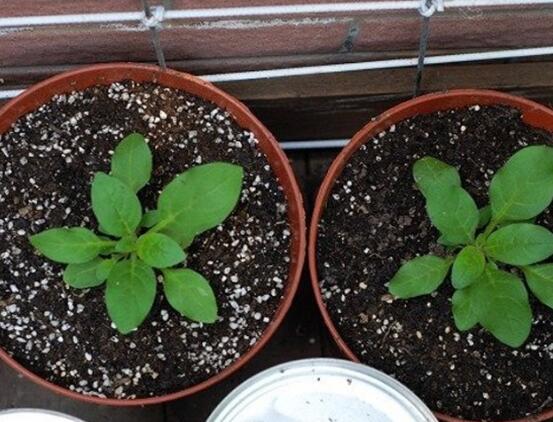
There are many points to note about how to grow dahlias, such as soil and watering, and this plant prefers semi-shaded environments, so it is best not to place it in strong light for growing. Below are the growing methods and precautions for potted dahlias; interested friends can take a look.
II. Growing methods and precautions for potted dahlias
1. Soil requirements
When growing dahlias, the first issue to face is the choice of soil. It is best to choose sandy soil with good looseness; this kind of soil has good drainage and is more suitable for the growth of dahlias.
2. Environmental requirements
Dahlias prefer a cool environment, and the most suitable ambient temperature is between 15-25°C, so spring and autumn are the seasons most suitable for dahlia growth. There is one more thing to note: when growing it, be sure to keep the environment ventilated so it can grow more robustly.
3. Watering requirements
Water is an indispensable nutrient in plant growth, and dahlias are no exception. This plant is not tolerant of waterlogging, so we should follow the principle of watering when the soil is dry. Each time, water thoroughly once, and never allow water to accumulate, otherwise root rot is very likely to occur.
4. Light requirements
Dahlias most like to grow in semi-shade and greatly avoid strong light. Especially at the seedling stage, they must not receive strong light, otherwise they are very likely to wither and die. Everyone should pay attention to this point.
5. Pest and disease control
During plant cultivation, pests and diseases are very likely to appear if care is improper, so everyone must keep the above four points firmly in mind. If pests and diseases appear because of negligent care, we must control them promptly. For specific methods, everyone can read the article on pest and disease control for dahlias; the editor will not introduce too much here.
Key points for potted dahlia care
Dahlias have luxuriant branches and leaves, huge flowers, diverse forms, brilliant colors, and a long flowering period, with very high ornamental value. There are already more than 30,000 cultivated varieties in the world.
Dahlias originate from the Mexican plateau and prefer warm, cool, and sunny environments. They are not cold-tolerant and fear intense heat. The optimum temperature for growth and development is 15℃-25℃. Below 10℃ is unfavorable for seedling growth, and frost will freeze the stems and leaves. In areas of China with high summer temperatures and abundant rain, growth and flowering are poor.
When potting, the following points should be mastered well:
① Sufficient light. Dahlias should maintain 6-10 hours of light each day. If shaded for a long time and with insufficient light, growth will be poor, the root system weak, leaves thin and stems slender, leaves small and pale, branching and flowering few, and disease susceptibility high.
② Cool environment. Dahlias like coolness and fear heat. Temperatures in northern China are relatively suitable, and they will bloom from summer to autumn. In the high-temperature summer period of the Yangtze River Basin, dahlias are in a slow-growing semi-dormant state and bloom poorly. Measures should be taken to lower the temperature, such as shading and spraying water on the leaves.
3. Uniform dryness and moisture. Dahlias have luxuriant branches and leaves and consume a lot of water. If water deficiency causes wilting and it is not replenished in time, plus strong light exposure, in mild cases the leaf edges scorch, and in severe cases the leaves at the base of the plant fall off. Watering should be determined according to the size of the seedlings and the weather. More water is needed accordingly during the flowering period. During continuous rainy days, raise the flowerpot and pay attention to pouring out accumulated water from the pot. Before harvesting the tubers in early autumn, reduce watering to benefit tuberous root development and storage.
4. Apply fertilizer frequently. Dahlias like fertilizer. In addition to applying sufficient base fertilizer, during the growing period, except in midsummer, apply 10%-20% human manure once every 10-15 days. After flower buds appear, apply it once a week to promote vigorous growth and more, brightly colored flowers. If the leaves are thin and pale, it indicates a lack of fertilizer and should be replenished in time.
5. Pruning and trimming. When cultivating single-stem dahlias, remove side buds and keep the main branch. For general potting, use pruning to control height and promote branching, making the potted flower full and symmetrical.
Potted dahlia techniques, potted dahlia pictures
The long flowering period and beautiful blooms of dahlias can add much spring-like charm and vitality to family life. Many families choose to grow potted dahlias, but the potted cultivation techniques for dahlias are relatively more complex than for other flowers. Only by learning to cultivate dahlias scientifically can their flowers bloom and be full of vitality. Below, the editor will guide you through learning potted dahlia techniques.
Ecological habits of dahlias
Dahlias originate from the highland regions of Mexico and prefer warm, humid environments. The suitable growth temperature is 10 ℃ to 25℃, and above 30℃ growth becomes abnormal and flowering decreases. Below 0℃, frost damage easily occurs. Tuberous roots are best stored at 3℃ to 5℃. Dahlias are relatively sensitive to water, neither drought-tolerant nor tolerant of waterlogging. They like sufficient sunlight but avoid direct strong light and need appropriate shading. A loose, fertile mixed substrate is best for the soil.
Dahlia propagation methods
I. Division propagation: Before sprouting, divide the stored tuberous roots. Be careful to keep the sprouting points at the root crown. Those without sprouting points cannot form new plants. When dividing, each tuberous root needs to carry 1 to 2 sprouting points, and do not damage the young buds during operation.
II. Cutting propagation: Cuttings can be taken outdoors in spring and autumn, and in a greenhouse in all four seasons. Cut young shoots from robust mother plants, keep 2 nodes, each segment about 7 cm, with at least one robust axillary bud or terminal bud. Use vermiculite or coarse sand as the cutting bed substrate. After insertion, spray water frequently, shade 60%, roots can form in about 30 days, pot up in 40 days, and flowering can occur 90 to 110 days after potting.
Potted dahlia techniques
I. Seedling stage management
Potting: Dahlia seedlings that have rooted from cuttings can be potted when they grow to 8 to 10 cm tall. The substrate is prepared with leaf mold, river sand, and organic fertilizer at 3:1:1.
Watering: Watering at the seedling stage should be appropriate, not too much, to prevent excessive growth. On cloudy and rainy days, evaporation is low, so water less. On sunny days or in dry, hot summers, evaporation is high, so in addition to watering every day, spray water on the leaves 1 to 2 times, and also spray the ground to increase air humidity.
Temperature and ventilation: The most suitable growth temperature at the seedling stage is 22℃ to 28℃ during the day and 12℃ to 16℃ at night. Warm days and cool nights are beneficial to dahlia growth and development. To ensure robust seedling growth, excessive seedling growth must be prevented, and ventilation should be appropriately strengthened during the day.
II. Potted management
Temperature: Dahlias prefer cool environments. The suitable growth temperature is 10℃ to 25℃. If the temperature is higher than 30℃, growth becomes abnormal, and flowers are fewer and smaller. A day-night temperature difference of about 10℃ can make plants short and sturdy, making growth and flowering more ideal. Therefore, during greenhouse production, in addition to maintaining the suitable growth temperature, there should also be a certain day-night temperature difference.
Light: Dahlias like light. Sufficient sunlight can make stems and leaves grow robustly and produce more flowers with vivid colors. However, direct strong light in summer can make leaves rough and lusterless, and even cause yellow leaves and dry edges. Therefore, they should receive full light in the morning and about 50% shading at noon and in the afternoon.
Watering: Dahlias are sensitive to water, not drought-tolerant, and afraid of waterlogging. Heavy rain in the rainy season is extremely unfavorable to the growth of outdoor potted dahlias, and they often die from waterlogging. The amount of watering can affect plant height, so watering should be appropriately controlled in the early growth stage. In summer, spray water on the leaves 1 to 2 times a day, and also spray the ground to maintain 60% air humidity.
That concludes the introduction to potted dahlia techniques. Placing a pot of dahlias at home can not only delight the mood but also be used as medicinal material. Understand and become familiar with dahlia habits, and carefully cultivate them at home in spare time. When they compete in blooming, a small sense of accomplishment will also surge in your heart.