What to do when Saxifraga stolonifera drops its leaves? 3 solutions: keep it warm, repot, and water less
We know that among the benefits and uses of Saxifraga stolonifera, one very important point is its foliage, but sometimes you may encounter leaf drop, which not only affects the beauty of the Saxifraga stolonifera but may also endanger its health. So what should you do when Saxifraga stolonifera drops its leaves? Let me tell you the methods.
What to do when Saxifraga stolonifera drops its leaves
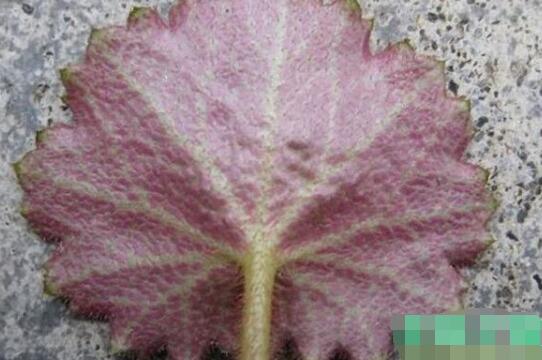
Leaf drop is mainly caused by two reasons: frost damage to the Saxifraga stolonifera and root rot. Therefore, to solve the problem of what to do when Saxifraga stolonifera drops its leaves, you need to address these two aspects in order to fundamentally solve the leaf drop problem.
1. The Saxifraga stolonifera has been frostbitten
When the temperature is below 10°C, the growth of Saxifraga stolonifera basically stalls. The lowest temperature it can withstand is generally 5°C, and it can overwinter safely in a 5°C environment. But outdoors in the north, the temperature is far below 5°C, so if Saxifraga stolonifera is kept outdoors, it may be frostbitten.
What to do: If leaf drop in Saxifraga stolonifera is caused by frost damage, what should you do? First, move the Saxifraga stolonifera from outdoors to a slightly warmer place; second, make sure the environment it is in has good ventilation, and do not keep it in a closed and stuffy environment. You can help it by putting on an insulating bag.
2. Root rot
The leaves wilt and fall off when touched, the stems show no signs of blackening, but the roots show obvious signs of rot. This situation will cause leaves to drop, and this is also the reason most Saxifraga stolonifera leaves become limp.
What to do: Root rot is generally caused by overwatering. Water accumulation in the potting soil can easily cause this condition in the roots. It affects the plant's absorption of water and nutrients, so you should repot the Saxifraga stolonifera with fresh soil as soon as possible, and pay attention not to overwater it normally.
Why are the leaves of Saxifraga stolonifera curled?
Curled leaves on Saxifraga stolonifera are also a common phenomenon. Under normal conditions, its leaves should be obtuse or acute at the apex, and nearly truncate, rounded to heart-shaped at the base. Curled leaves clearly indicate a growth problem, and botanists believe it is related to humidity and light.
If Saxifraga stolonifera is kept on a windowsill or balcony and is exposed to direct sunlight for a long time, the leaves may curl; too little humidity can also cause leaf curling, so you need to spray it with water regularly to increase the humidity around the Saxifraga stolonifera.
Summary: The leaves of Saxifraga stolonifera are the main ornamental part. If leaf drop occurs, it is generally due to temperatures being too low or root rot. You should promptly adjust your care methods and the environment where the Saxifraga stolonifera is kept to avoid more leaves dropping.
Flower watering knowledge and precautions - The essence of the complete guide to watering flowers
In the process of growing flowers, watering is of utmost importance, and proper watering is the foundation of good flower care. In the process of planting flowers and plants, watering is a very important issue and the key to the success or failure of the entire cultivation.As the saying goes, water is the source of life, and no flower or tree can do without water. Based on the author's years of experience and lessons in growing flowers and plants, combined with several common mistakes easily made in household flower growing today, here I will discuss with both new and old flower friends the knowledge of watering flowers.
Flower watering knowledge and precautions - The complete guide to watering flowers
First, watering should be determined according to different situations such as the type of flower, the condition of the plant, and the season. Watering household flowers is like any other task: if you want to grow flowers and plants well, you cannot be the least bit careless. You must respect the laws of plant growth, observe carefully and often, and keep thinking and figuring things out, so that you can cultivate vigorous flowers and trees.1、Flower type: Different flowers have different water requirements. For example, aquatic plants cannot do without water for even a moment, succulents actually benefit from being watered once a week, and most foliage plants need the soil kept in a slightly moist state for long periods.
2、Plant condition: Generally, smaller plants or newly propagated plants are not drought-tolerant; larger plants or already established plants are more drought-tolerant.
3、Cultivation location: Flowers placed outdoors need more water, while flowers placed in a greenhouse need less water.
4、Seasonal changes: Summer is dry and hot, so flowers need more water; winter has low temperatures, flowers grow slowly and transpire little, so watering should be reduced. In autumn and winter, as temperatures drop, many cold-sensitive flowers need to be brought indoors to avoid the cold. However, due to improper watering, flowers may drop leaves, grow leggy, or even die. Therefore, the first thing to note is the timing of watering. It is best to water on a clear morning and water as little as possible in the evening. In addition, keep in mind the principle of watering more for large plants and watering frequently for small pots. Furthermore, after flowers are brought indoors, you must wait until the potting soil is dry before watering. Even for flowers that like moist soil, such as calla lilies and wax begonias, you should wait until the surface of the potting soil is dry before watering. And for flowers that like a dry environment, such as snake plants and cactus balls, you must wait until the potting soil is dry from top to bottom before watering.
Flower watering knowledge and precautions - The complete guide to watering flowers
Second, scientific watering is the key to success or failure in growing flowers. In specific operations, you should pay attention to the following "five looks":
1、Look at water quality: The water needed by flowers and trees is best obtained from unpolluted natural precipitation. Rainwater and snowmelt are the first choice for watering flowers. Tap water used daily has purifying agents added during the purification process, so it is not suitable for watering flowers directly. It is best to store it for one or two days so the chlorine in the water evaporates before use. Alternatively, you can put a piece of vitamin C in a basin of tap water, which can also eliminate the chlorine in a short time. Water used to boil eggs, tea water, fermented rice washing water, old water changed from a fish tank, as well as beer and sugar water, all contain rich nutrients suitable for the growth of flowers and trees and are very good for watering flowers. In recent years, magnetized water and laser water have also become very good for watering flowers.2、Look at water temperature: The closer the water temperature is to the soil temperature, the better. When there is a large difference between soil temperature and water temperature, do not water flowers, so as to avoid cold water damaging the root system. The most practical method is to store some reserve water near the potted flowers in a watering basin or shallow water tank, which helps naturally regulate the difference in water temperature. Under normal circumstances, the difference between water temperature and soil temperature should be kept within 5°C, so that root damage will not occur.
3、Look at timing: Temperatures differ throughout the four seasons, and the amount of water used when watering flowers should also differ. In early spring when it is still cold and then suddenly warm, the weather is changeable. At this time, potted flowers begin to sprout and take root, need a lot of water, and the potting soil should be kept moist; in summer, with high temperatures and dryness, evaporation is fast, so watering should be doubled; in autumn, watering should be appropriately reduced; in winter, most flowers and trees are dormant, so it is enough to keep the potting soil slightly moist.
4、Look at the flowerpot: The principle of watering potted flowers should also depend on the size, depth, and material of the flowerpot. Small and shallow pots should be watered less but frequently; clay pots have good permeability and the potting soil dries easily, so they should be watered frequently; stone pots and glazed pots do not permeate water easily, so watering should not be too frequent, because long-term water accumulation will cause the flowers to rot their roots.
5、Look at the flowers and trees: Different flowers have different water requirements, so watering should vary according to the flower. Common cacti and flowers such as aloe and sedum have underdeveloped root systems and should be watered less. Some flowers and trees have a dense layer of fuzz on their leaves, such as begonias, gloxinias, and calceolarias, and should not have water sprayed on the leaf surface, otherwise the water is difficult to evaporate and they are prone to mildew and disease. There are also many flowers with small leaves and slow water evaporation that will bloom more only with less watering, such as crape myrtle, orange jasmine, and Chinese bird plum. In addition, flowers and trees should be watered more during the peak growing season and bud stage, and less during the flowering period. Newly pruned flowers should be watered less, otherwise the branches and leaves will grow uselessly and affect the shape.
Flower watering knowledge and precautions - The complete guide to watering flowers
Third, like any crop, flowers are very sensitive to water. Water is the life of a flower, and also its disease.
1.Distinguish different flowers and master watering principles. For moisture-loving flowers, such as acorus, Monstera deliciosa, and calla lilies, since they can grow well only in a moist environment, the watering principle should be "rather wet than dry"; for drought-tolerant flowers, such as cacti, since their stems and leaves can store large amounts of water and they are strongly drought-tolerant but hate waterlogging, the watering principle should be "rather dry than wet"; for semi-drought-tolerant flowers, such as camellias and rhododendrons, since their leaves are waxy or have a lot of fuzz and are relatively drought-tolerant, the watering principle should be "water thoroughly after drying out"; for mesophytic flowers, such as Chinese roses and pomegranates, since both overly dry and overly wet soil will cause poor growth, the watering principle should be "water when dry, stop when wet"; for aquatic flowers, such as lotus and water lilies, since they cannot live away from water, the watering principle is "a continuous supply".2.Watering amounts should be determined according to the flower and the time. For flowers at the seedling stage and fruiting stage, watering should be controlled, while more water should be given during vigorous growth and flowering. In summer, the amount of watering should be appropriately increased and the frequency increased. In winter, water less or do not water until dry. Large flowerpots should be watered appropriately more, and small flowerpots less. During continuous sunny and dry weather, water more; during continuous rainy weather, do not water, and also pay attention to draining accumulated water from the pot. In high-temperature seasons, it is best to water in the morning and evening; in winter, it is best to water around noon.
3.Improve watering quality and clarify the watering location. For the water quality used for potted flowers: first, do not use sewage from ponds, ditches, or canals, which can contaminate the flower seedlings; second, do not directly use tap water from the same day, to prevent poisoning from excessive chloride ions. It is better to store tap water in a jar or bucket for 2-3 days before use. Third, avoid watering flowers with hard water that has high salt content; soft water with low salt content should be used. Fourth, advocate storing and using natural rainwater to water flowers. Generally, flowers should be watered at the roots, foliage plants can have water sprayed on the leaves, but flowering plants should not have water sprayed on the leaves, such as cyclamen and clivia. Especially around noon, do not water flowers with cold water, so as to avoid a strong temperature contrast that causes physiological imbalance and makes the plant wilt immediately.
Flower watering knowledge and precautions - The complete guide to watering flowers
(1) Mistaken ideas about watering flowers
1. In daily life, people often overindulge especially precious flowers and trees they particularly love, fearing they will not grow well or even dry out and die, and therefore water them constantly. As a result, the plant roots cannot get air, respiration is affected, and finally the root system rots and the plant dies.2. When watering flowers and trees, some people are like a dragonfly skimming the water. Although they water often, they often give only a "half watering," resulting in soil that is often wet on top and dry below, wet on the surface and dry inside. In fact, the plant roots hardly get much water. Some people, when watering, only spray water on the leaves and do not water the potting soil, and the result is the same. 3. When watering a "dry pot," upon seeing water come out of the bottom of the pot, they think it has been thoroughly watered. In fact, the soil in the pot remains wet around the edges and dry in the middle for a long time, forming a "hollow radish," and the flower roots do not evenly absorb water.
4. For potted flowers and trees, people often look at them many times and water them many times. When they are free or forget to look, they water less or not at all, all depending on personal mood. This causes the flowers and trees either to dry out or to rot their roots from being too wet.
5. Without considering the ecological habits of the flowers and trees, climate changes, flowerpot size, plant condition, and placement location (strong or weak light, good or poor ventilation, etc.), they follow a "routine" and water all of them regularly and uniformly, treating them all equally.
Flower watering knowledge and precautions - The complete guide to watering flowers
(2) Precautions for watering
In fact, watering flowers and trees is a relatively complex field of knowledge. You must treat them differently according to natural objective conditions and the objective needs of the plants. To carry out correct watering, you should generally also try to do the following:First look: look at whether the potting soil is dry or wet, look at how dark or light the soil color is, and look at whether the branches and leaves are upright or wilting.
Second touch: touch the softness or hardness of the soil, and touch the looseness or tightness of the soil.
Third listen: tap or knock the pot body with your fingers and listen to whether the sound is crisp or dull.
Fourth, do: do not water until dry, and water thoroughly when you do water (the entire pot of soil should be moistened). At the same time, achieve alternating dry and wet periods, dry and wet in turn, and never allow water to accumulate at the bottom of the pot.
Flower watering knowledge and precautions - The complete guide to watering flowers
(3) Daily notes on watering flowers
Many flower lovers have the good habit of saving water and often use leftover water from washing dishes or vegetables to water flowers. Little do they know that these "good habits" can cause fatal harm to flowers and plants. Although flowers and plants are plants, they also have their own "high standards" for the environment, and when slightly dissatisfied, they will throw a tantrum for you to see.So, what issues should we pay special attention to when watering?
First, do not water flowers with water containing oil stains or soap powder. These substances have a destructive effect on the soil, change the pH of the potting soil, and in serious cases can even cause the flowers and plants to die. By comparison, rice washing water or old water changed from a fish tank has a certain fertilizing power and is much better than tap water. These waters are completely safe to use.
Second, avoid watering at noon in midsummer. At this time, because the temperature is relatively high, the plant root pores are open, and sudden watering can easily give the flowers and plants a "cold."
Third, flowers with hairy leaves should not be watered with a spray bottle. After water is sprayed on the leaf surface, it does not evaporate easily and is very prone to rot, so we should best not use a spray bottle to water them and should adopt watering measures instead.
Fourth, if the flowers are in full bloom, do not spray too much water. Otherwise, the petals will rot. If you want the flowers and plants to set seed, watering during the flowering period will also affect plant fertilization and thereby reduce the seed-setting rate.
Fifth, avoid "half-way watering." "Half-way watering" means the amount of water only moistens the surface soil while the lower soil remains dry. Over time, a hard compacted layer will form at the boundary between dry and wet in the soil, making it difficult for the plant roots to penetrate downward. Therefore, when watering, we must grasp the principle of "water thoroughly when you water." At the same time, along with watering, we should also develop the good habit of loosening the soil: loosening should be done after watering, when the potting soil is half dry, with the depth judged by seeing the roots. Cutting some surface roots does no harm; on the contrary, it helps stimulate new roots.
Flower watering knowledge and precautions - The complete guide to watering flowers
(4) Differences in watering application scenarios
1. Precautions for watering flowers on a balconyWhen growing flowers in pots on a balcony, because there is no ground connection, they dry out more easily than flowers planted in the ground. Beginners often worry that the pot lacks water, so regardless of whether the pot is dry or wet and without looking at the weather, they just water every day, and as a result often water the flowers to death. Therefore, beginners must learn the technique of watering.
(1)Pay attention to water quality: In cities, only tap water can be used. When using tap water to water flowers, it is best to first put the water into a bucket or jar and store it for 1-2 days before watering, because tap water contains bleaching powder and chlorine, and after storage it is relatively safe. If you can collect rainwater on rainy days and use it to water flowers, the water quality is better than tap water.
(2)Pay attention to water temperature: When watering, pay attention to the water temperature; it should be roughly the same as the potting soil temperature. If watering in summer, at least let the tap water run out and sit for a few hours so the water temperature approaches the air temperature before use. Otherwise, suddenly pouring very cold water on flowers at a higher temperature will harm them. Even less should you take well water and immediately water flowers with it, because well water has a lower temperature.
(3)Pay attention to watering amount: The watering amount should be determined according to the habits of the flowers, the temperature and air dryness, the dryness or wetness of the potting soil, the growth stage of the flowers, and many other conditions. Moisture-loving flowers can be watered more, drought-loving flowers less; herbaceous flowers more, woody flowers less; flowers with large, soft leaves more, and flowers with small seedlings in large pots less; flowers placed on a balcony more, and flowers kept indoors less. Water more when the climate is hot and less when it is cool; water more in dry weather, less on cloudy days, and do not water on rainy days. Water more when flowers are budding and less during full bloom; water more in clay pots and tile pots, and less in porcelain pots, glazed pots, and plastic pots. In short, generally slightly less water in the flowerpot is safer than too much water.
Flower watering knowledge and precautions - The complete guide to watering flowers
2. Watering potted flowers in careA flower proverb says: "Whether it lives or not depends on water; whether it grows or not depends on fertilizer." Watering is the key to success or failure in growing flowers. Many beginners are confused about how much water to give: "The book says not too much and not too little, so what counts as neither too much nor too little?" In fact, how much to water first depends on what kind of flower is being grown, whether it likes dry conditions, wet conditions, or semi-dry conditions. Never treat all flowers the same. If you have 10 pots of flowers at home, you cannot water them all together and let them dry together. Water is the source of plant life, but an overly moist soil environment will prevent the roots of some drought-loving flowers from breathing, then cause root rot and death. If the roots die, of course the flowers cannot survive either. Therefore, if you want to grow flowers well, the first step is to understand each flower's water requirements. First keep it alive, and only then can you talk about blooming.
Potted flowers are limited by specific environmental conditions, and watering operations are not only troublesome but also the key to success or failure. To water just right, you must first understand the natural water requirements of different varieties of flowers at each stage of growth and development; you must also look at whether the weather is cloudy or clear, the temperature and humidity levels, the type of flowerpot, the size of the plant, and the texture of the potting soil.
Watering potted flowers generally includes the following situations and methods:
(1)Watering: In spring, summer, and autumn, water before 10 a.m.; in winter, water at 2 p.m. Make sure the water temperature is close to the soil temperature, slightly higher in winter and slightly lower in summer. However, the difference between water and soil temperature should not exceed about 5°C. The amount of watering should be such that the soil is uniformly moist from the pot surface to the bottom. Avoid "cutting across the middle" (wet on top, dry below) and "pocketed water" (water accumulating at the bottom of the pot), and also avoid soil and fertilizer loss through the drainage hole, which can create hollows in the center of the pot and seriously affect the growth and development of potted flowers. When watering, note that drought-loving flowers can have their watering amount controlled, keeping the potting soil slightly moist, with the surface soil showing a whitish color but not completely dry. Moisture-loving flowers should keep the potting soil moist often, with no whitish color on the surface soil, but there should not be long-term water accumulation.
(2)Supplemental watering: In dry periods, at 15:00-16:00, check whether the potting soil is dry or wet and supplement with an appropriate amount of water as needed, just enough to keep the potting soil moist. If the weather suddenly changes and special circumstances require water, watering is not limited by time or frequency.
(3)Generous watering: During the peak growth period of potted flowers, in order to promote branch growth, plant development, flower forcing, and fruit enlargement, the watering amount can be increased together with topdressing, keeping the surface soil without whitish color and the leaves without wilting.
(4)Restricted watering: During the dormant period or in low-temperature seasons for potted flowers, or to control seedling growth, promote bud formation, prevent leggy growth, and correct yellow leaves and bud drop caused by excessive water, the watering amount should be appropriately controlled, keeping the potting soil merely moist, and combined with loosening the soil to preserve moisture.
(5)Misting: In dry spring and autumn seasons, in addition to normal watering and supplemental watering, water should be sprayed on the leaf surface and the flower-growing area to increase environmental humidity, prevent young leaves from scorching and flowers from fading early, and keep the plants fresh. This is especially important for southern flowers, which should pay more attention to environmental moisture. After summer rain when it suddenly clears or on stuffy evenings, water should be sprayed to lower the temperature and prevent disease; whenever spraying water, the leaf surface should be sprayed clean to prevent residual water droplets and dust on the leaves from condensing into spots that are difficult to remove. Watering potted flowers is routine work, and the above methods should be used flexibly, step by step, and persistently.
1. Flowers that should not be watered too much in pots
All cacti and succulents are drought-tolerant and afraid of waterlogging, such as cactus balls, cactus fists, aloe, Epiphyllum, and Bryophyllum. If the potting soil is wet for a long time or gets rained on, they are most prone to leaf rot and root rot. For all fleshy-rooted and bulbous types, such as orchids, peonies, Chinese peonies, clivia, dahlias, gloxinias, Reineckea carnea, cyclamen, and Strelitzia, death caused by waterlogging is a major cause.
Some woody flowers are also very afraid of waterlogging, such as plum blossoms, longevity peach, osmanthus, rhododendrons, wintersweet, Michelia figo, bougainvillea, Norfolk Island pine, Brazilwood, golden-edged daphne, and crabapples. If waterlogged for 3-5 days, they will be in critical condition and difficult to save.
Some flowers that by habit prefer moisture are also afraid of waterlogging, such as chrysanthemums, jasmine, Aglaia odorata, and asparagus fern. Because the potting soil is too wet or has been rained on for a long time, the roots suffocate and die. To prevent flowers and trees from suffering waterlogging damage, take the following measures:
(1) For ground-planted flowers and trees that fear waterlogging, choose a good terrain and plant them in a high, dry place, and never plant them in low-lying areas.
(2) For ground-planted flowers and trees at risk of waterlogging, dig drainage ditches before the rainy season arrives, and mound soil around the plant roots to raise them. For precious flowering trees, after mounding the soil, it is best to enclose them with plastic sheeting.
(3) During the plum rain period, move potted flowers to a rain-sheltered place as early as possible. If there are too many potted flowers to move in time, lay them on their sides on the spot to prevent water accumulation.
(4) For potted flowers and trees, enlarge the drainage hole at the bottom of the pot in advance, cover the hole with a piece of window screen, and add a layer of date-sized bricks, charcoal residue, or charcoal pieces so that excess water can drain out at any time. Before planting waterlogging-fearing flowers and trees in the ground, deep tree pits should also be dug, with a relatively thick layer of gravel or charcoal residue placed at the bottom of the pit to facilitate drainage.
(5) When watering waterlogging-fearing flowers and trees, be sure to grasp the principle of watering when dry and stopping when wet, and as much as possible use the method of more spraying and less pouring. When watering, both "cutting across the middle" and water accumulation in the pot must be prevented.
(6) For flowers and trees that have already suffered waterlogging damage, promptly knock out the wet root ball, remove the wet mud, place the plant in a cool, ventilated place, appropriately spray water on the branches and leaves, and after the plant regains vitality, replace the soil and repot it.
(Note) Waterlogging-tolerant flowers and trees include: Caladium bicolor, Cyperus alternifolius, Saxifraga stolonifera, Ficus microcarpa, Rhapis excelsa, Cordyline fruticosa, Aspidistra elatior, Monstera deliciosa, Ficus elastica, calla lily, Billbergia nutans, Tradescantia fluminensis, Aglaonema modestum, and various ferns.
2. Points to note when watering potted plants in summer
In summer, high temperatures and strong light speed up the transpiration of potted flowers, making it very easy for the potting soil to become dry. Therefore, watering potted flowers in summer is very important. Specifically, pay attention to the following points.
At noon in summer, the potting soil temperature is relatively high, and the roots absorb water relatively quickly. If cold water is poured at this time, the potting soil temperature will drop suddenly, affecting the normal functions of the plant root system. It makes water absorption by the roots difficult, disrupts the balance of the plant's water metabolism, and causes the plant to wilt, affecting growth. Therefore, it is best to water potted flowers in summer in the morning or evening.
In summer, potted flowers have vigorous respiration and require good air permeability in the potting soil. Too much watering will cause poor aeration in the potting soil, affecting the normal physiological activities of the root system, and in serious cases can even cause root rot. Therefore, generally do not water when the potting soil is not dry, and when it is dry, water thoroughly; never water only down to the middle of the flowerpot. In summer, flowerpot soil often cracks due to excessive drying, so watering cannot be done all at once. Otherwise, water will leak straight down through the soil cracks to the bottom of the pot, while most of the potting soil remains very dry, and the next day the plant will still wilt from lack of water. Generally, after the first watering, wait a moment, and after the soil cracks close, water again. When a potted flower wilts, its cells shrink from water loss. Watering immediately will cause the cell walls to quickly absorb water and expand outward. However, the cell protoplasm absorbs water more slowly and cannot enlarge correspondingly, so it is torn by the pulling force. The destruction of a large amount of cell protoplasm has a great impact on the plant and can even cause its death. A more reasonable approach is: first move the wilted potted flower to a windless, cool place, spray a small amount of water on the leaves and potting soil, and after the plant has somewhat recovered, water thoroughly.
3. What harm does insufficient watering do to flowers?
Because potted flowers have little soil and do not store much water, during the flower growing season you need to replenish water often to ensure normal flower growth. If the water supply is insufficient, the leaves and petioles will shrink and droop, showing wilting. If flowers remain in this state of insufficient water supply and wilted leaves for a long time, the older leaves and the lower leaves of the plant will gradually turn yellow and dry up. If most herbaceous flowers remain in a dry state for a long time, the plants will be short, the leaves will lose their fresh green luster, and the entire plant may even die. Some flower growers, fearing excessive watering, give only "half watering" (half-way watering) each time, that is, the amount of water only moistens the surface soil while the lower soil is dry. This watering method likewise affects the development of the flower root system and also produces the above adverse phenomena. Therefore, watering should be "water when dry, stop when wet, and water thoroughly when you water."
4. Reasonable watering
Watering is a routine management task in the cultivation of foliage plants, and it is also an important link directly related to whether foliage plants grow well. It cannot be done casually. Because different types of foliage plants and their different growth and development stages have different water requirements, watering at the right time and in the right amount and ensuring a balanced water supply are the keys to good watering. The following focuses on watering measures for annual and biennial herbaceous foliage plants.
a. Watering methods
(1)Ground watering: Watering with a rubber hose or plastic hose. Suitable for flower beds, flower borders, and foliage plants grown in raised beds.
(2)Watering with a watering can: This is a watering method specifically for potted foliage plants. Fitting the watering can with a matching fine-hole nozzle also makes it an ideal tool for watering propagation beds and seedling beds, because the water column it sprays is dispersed and fine, and will not wash away seeds or knock over seedlings.
(3)Drip irrigation: A relatively advanced irrigation method in which water is slowly applied to the soil in the plant root zone through drip irrigation facilities. It has many advantages such as saving water, saving labor, providing even water supply, and not damaging soil structure, and is worth promoting and applying widely in production.
(4)Soak watering: Place the flower pot into a shallow trough or shallow basin filled with water, and let the water seep into the potting soil through the drainage hole at the bottom of the pot. But note that the water outside the pot should only reach 1/2 to 1/3 of the pot's height. Once the surface of the potting soil looks moist, take it out immediately. Do not soak it for a long time, to prevent seeds from floating up and being exposed above the soil surface, or the soil layer from loosening and causing seeds to sink and be buried too deep, which would affect the seed germination rate. The soak watering method is mainly used for watering when sowing seeds and raising seedlings in pots.
b. Watering time
In spring and autumn, water in the morning or afternoon. In summer, water in the cool morning and evening, while in winter, water around noon when the weather is warm. When choosing the watering time, try to make the water temperature close to the soil temperature. The temperature difference should not exceed 5°C, to prevent a sudden change in soil temperature caused by watering from damaging the root system and affecting its absorption function.
c. Watering amount
The frequency and amount of watering mainly depend on seasonal changes, weather conditions, and plant growth conditions. In spring and autumn, plants grow rapidly and need a lot of water, but the temperature is not very high. Water loss through dispersal is relatively small, so watering should be appropriate, neither too much nor too little. Generally, watering once a day is enough. In summer, light is intense, temperatures are high, and water evaporation is great. Water frequently, generally once in the morning and once in the evening. In winter, temperatures are low. For herbaceous foliage plants in the open field, growth slows down and water demand decreases, so watering once every 2-3 days is fine. However, for herbaceous foliage plants in greenhouses, this is precisely the peak growing season, so watering should be strengthened. When watering specifically, it is also necessary to adjust flexibly according to the daily weather. For example, on sunny days or windy days, water disperses and is lost quickly, so the amount of watering should be increased, while on cloudy days the amount of watering should be reduced.
Before and after seed germination, watering should be moderate, following the principle of small amounts but frequent watering. Once entering the seedling growth stage, the amount of watering should be moderately reduced, intentionally withholding water (restricting water) to harden the seedlings. This helps flower bud formation and prevents the plants from growing leggy. During the vigorous growth period of mature seedlings and the full flowering period, water sufficiently to meet the needs of vigorous plant metabolism, but for those types prone to dropping flowers and fruits, the amount of watering should be controlled and not excessive. During the seed formation period, appropriately reducing watering is beneficial for seed maturation.
d. Experience in watering
Watering should be done at the right time and in the right amount. In addition to the above basic watering requirements, people have also summed up a set of practical experience through long-term actual work. Usually, the methods of listening to the sound, looking at the color, and touching the soil are used to judge whether watering is needed. Listening to the sound means lightly flicking the flower pot with a finger. If it gives a dull, muddy sound, it means the soil is moist and does not need watering. Looking at the color means observing when the potting soil turns grayish-white. This indicates the soil has dried and needs watering. If the soil is dark in color, it means the soil is not dry and does not need watering. Touching the soil means pinching the soil with your hand. If it forms a clump, it means the soil is moist and does not need watering. If, when pinched with the hand, the soil immediately crumbles and cannot form a clump, it means the soil has dried and needs watering.
In short, watering is a daily task in the cultivation of foliage plants. The principle must be: do not water when wet, and water thoroughly when dry, with the degree being that the surface and interior of the soil are consistently dry or moist. Avoid wet on top and dry below (waist-cut water) or dry on top and wet below (nested-bottom water).
Flower watering knowledge and precautions - The complete guide to flower watering knowledge
(5) Differences in watering by season
I. How to water flowers in springWatering in spring is the key to growing potted flowers well. Because spring weather is relatively dry and air humidity is low, if the amount of watering is small, it will cause yellow leaves and leaf drop, affecting the growth and development of flowers; watering too much will cause flower buds to drop or roots to rot, and even death.
1. Judging in spring whether potted flowers need watering
If the color of the potting soil surface is brownish-red, pressing the surface of the potting soil with a finger feels soft and moist, and flicking the pot wall with a finger produces a muddy, dull sound, then the potting soil is moist and does not need watering; if the color of the potting soil surface becomes lighter and whitish, pressing the surface of the potting soil with a finger feels hard, and tapping the pot wall produces a crisp, loud sound, then the potting soil is on the dry side and needs watering.
2. Frequency, timing, and amount of watering potted flowers in spring
After the beginning of spring, temperatures start to rise, flowers enter the growth period, and the amount of watering should gradually increase. Generally, water flowers once every 2-3 days, then as temperatures rise, gradually increase to watering once a day, and by the high-temperature stage in July, water twice a day. The best watering time is between 10 a.m. and 4 p.m.
Different types of flowers have different habits and relatively large differences in water demand. Moisture-loving flowers such as ferns, orchids, and begonias need more watering; drought-loving flowers such as Crassulaceae, Cactaceae, and Agavaceae need less watering; bulbous flowers should not be watered too much.
Different growth and development stages require different amounts of water. Flowers transitioning from dormancy to the growth period should be watered gradually more; flowers in the vigorous growth period should be watered more; water should be withheld in the early stage of flower bud differentiation, the seedling hardening stage, and before repotting; water less in the early flowering stage and fruiting stage, and water appropriately during the full flowering period; for newly potted or newly repotted flowers, the first watering must be thorough.
The properties of the growing medium differ, and their water-holding capacity varies greatly, so the amount of watering should also differ. Sandy, loose soil has poor water-holding capacity and should be watered more; heavy clay soil has strong water-holding capacity and should be watered less.
The amount of watering also depends on the size and texture of the flower pot. If the flower pot is small, the potting soil dries quickly, and the watering frequency should be increased; a large flower pot is the opposite. Clay pots are loose in texture and have good water permeability; the water lost through evaporation from the pot wall is even more than the water consumed by the flowers, so more watering is needed; ceramic pots, glazed pots, and purple clay pots are fine and dense in texture, with poor water permeability and air permeability, so less watering is needed; plastic pots are impermeable to water and air, so even less watering is needed.
3. Water quality for watering flowers in spring
Rainwater, pond water, and river water are most suitable. Generally, tap water can also be used for flowers, but it is best to store tap water for 1-2 days before use.
4. Watering methods in spring
Soak-pot method: Immerse the flower pot in a basin of water, and let water seep into the potting soil along the drainage hole at the bottom of the pot until the potting soil is completely soaked through. This method is mostly used for newly potted flowers and when sowing seeds and raising seedlings in pots, to prevent external watering from washing away the potting soil or washing seeds out of place and affecting seedling emergence.
Watering can method: Use a watering can to pour water directly onto the pot surface. This method is commonly used for relatively large flowers and woody plants.
Watering can sprinkling method: Use a watering can to sprinkle water on the leaf surfaces of the plants and the pot surface. This method is commonly used for newly potted seedlings, cuttings, and foliage plants. However, some flowers are particularly sensitive to water. For example, gloxinia, calceolaria, and begonia have relatively thick fuzz on their leaf surfaces, and after spraying, the water does not evaporate easily, making the leaves prone to rot; after the top of the cyclamen corm and the flower buds of African daisy are touched by water, they are prone to rot and wither, so spraying water is not suitable for them. For fully open flowers, it is also not suitable to spray too much water, otherwise it can easily cause petal mildew or affect fertilization and reduce the seed-setting rate.
Flower watering knowledge and precautions - The complete guide to flower watering knowledge
II. How to water flowers in summerSummer has abundant rainfall and high humidity, which is suitable for flower growth. Right after the plum rain season ends, hot summer begins immediately. In a few days (July 13), the dog days begin, lasting a relatively long time and being extremely unfavorable for flower growth (40 days this year), which is a test for flower growers. This year's dog days are especially long. If flowers are not grown well, they will become listless or even die, and one's good mood will be gone. Especially for those grown outdoors and exposed to direct sunlight.
Once summer arrives, your own care has not changed, but the flowers, especially your particularly beloved flowers with stories, why have the leaves turned yellow? Why do they look ugly? Why are they no longer plump? Why has the plant withered? In any case, it is as if they are sick, and you cannot figure it out no matter how hard you try. You do not know what to do, and with your own flower-growing experience you already feel powerless.
Summer is the season when most potted flowers grow vigorously, with a large amount of evaporation, so watering should be appropriately increased. Indoor flowers should be watered once every 2-3 days, while outdoor ones should be watered once a day. The amount of watering should be treated differently for different varieties of flowers. Generally, herbaceous flowers need more water than woody flowers and should be watered more. Sun-loving plants should be placed in a place with sufficient sunlight and watered sufficiently, and there should be no standing water in the pot; semi-shade-loving plants such as camellias and rhododendrons should be placed in a place with half shade and half sun and good ventilation; foliage plants should be shaded. For flowers entering a slow-growth period or semi-dormant state, such as Christmas cactus and wax begonia, the potting soil should be kept on the dry side, and flowering flowers should also be watered less to avoid knocking off flower buds. In the hot summer, do not fertilize or apply only a little dilute fertilizer water.In fact, most of these problems are related to the timing and method of watering. Because your watering time and method are incorrect, you have damaged the photosynthetic function of the flower leaves.
In our Jiangnan region, the temperature is now around 37 degrees, with intense heat overhead, which is the greatest harm to tender, green flowers. Now every day is clear and boundless, and the sun is fiercely hot, which is a test for lush flowers. Below, based on my own modest experience, I will talk about the timing and methods of watering flowers in summer and transplanting. As long as you do these things, there should be no problem for flowers to pass through summer safely.
1. Summer watering timeChoose the period from morning to before 12:30 noon. According to my experience, watering during this period is no problem. Watering from 12:30 to 7 p.m. has a relatively large impact on flowers. From 2 p.m. to 5 p.m., if the water touches the flower leaves when watering, the damage to the leaves is the greatest. Leaf surfaces protect themselves under the hot sun; if they suddenly encounter cold water, and this happens often, the leaves will develop problems. I will not go into the reasoning. In any case, if you must water in the afternoon, absolutely do not let the water touch the leaf surface (especially when sunlight is still shining on the flowers). The reason afternoon watering is not good is that in the afternoon the soil in the flower pot has already been heated by the sun, and watering can easily cause root mildew in some herbaceous plants. As for after exactly what time around noon watering is not allowed, you can test it yourself. I am in the central Zhejiang basin, and watering before 1:30 p.m. is not much of a problem. At noon, water as late as possible, because in the afternoon the sunlight is strong and flowers need more water and evaporation. If supply and demand are unbalanced, by evening the flowers will have lost too much water and will be very difficult to recover. The disadvantage of watering in the morning and evening is that this period is too long, water supply and demand are unbalanced, and evening watering is not conducive to flower recovery. The advantage of watering in the morning and at noon is that with morning watering, the flowers already have enough, and noon watering satisfies the flowers' exposure to the hot sun and evaporation in the afternoon, which is very beneficial for protecting the flowers.
Some people, because of time, work, or business trips, come home in the afternoon and see that the flowers are severely short of water, feeling as if they have been sun-dried and shriveled, with stems softened by the sun and leaves curled up. If you encounter this situation, the plant is severely short of water and is protecting itself. Suddenly watering it instead is not good. Either move it to a cool place or increase the humidity of the flower-growing area. My suggestion is that you water after 9 p.m., that is, after you feel the flower pot or the soil on the ground has completely cooled. After dark, spraying water on the leaf surface should not be much of a problem. Also, when watering in the morning, if the sunlight is strong, after 9:30, try not to let the water touch the leaf surface either.
2. Summer flower watering methods
Whether you can grow flowers depends on whether you can water them. New growers either often forget or are too diligent. In fact, flowers, like people, need to be remembered with care. No matter what kind of flower, water only after it has dried thoroughly, and when watering, it must be thorough. In summer, the sunlight is strong and watering is frequent, so the soil in the flower pot easily becomes compacted and very firm. If your watering action is very fast, and many people use a hose to flush water to save effort, then in fact most of the flower roots are not reached by the water. In summer, watering should be slow and patient. Loosen the shallow soil often. When watering, water along the flower pot. Fast watering just rinses the soil surface, and you think the surface is wet and the flower has been watered thoroughly, but in fact it has not. If you go slowly, the water will slowly reach the flower roots. Pay special attention: after watering once, wait more than ten minutes. If you see that the surface of the flower pot is no longer glistening with water, water once more to replenish. This watering is especially critical. This time the water is what truly enters the soil; most of the first watering may have been lost. In other seasons, if the soil does not turn whitish, do not water. Succulent plants should also be watered less in summer, and absolutely must not be watered in the afternoon. We know that a watermelon cut open in the afternoon is especially warm, and succulent plants are also this hot inside. Once you water, the pores on their surface close. If this happens often, they will often be unable to breathe. If they stay warm inside, it would be strange if they did not rot.
Flower watering knowledge and precautions - The complete guide to flower watering knowledge
III. How to water flowers in autumn
In autumn, for flowers in a dormant or semi-dormant state, it is still better to control watering and keep the potting soil often on the dry side. For shade-loving or semi-shade-loving flowers, as the weather turns cooler, the light duration should gradually be increased, and flowers already in bloom should be watered in time. Watering should preferably be 1-2 times a day. At 9-10 a.m., the amount of watering should be sufficient (relatively less for shade plants), and in the evening water an appropriate amount. If the weather is muggy and dry, in the morning and evening you can spray mist on the leaf surfaces, and at the same time water the ground around the flowers to moisten it.As autumn temperatures drop, sunshine duration shortens, and the temperature difference increases, the growth of all kinds of plants undergoes great changes, and attention must be paid to their respective growth characteristics.
1. For flowers that generally bloom in autumn, winter, and early spring, normal watering can continue; for other flowers, watering can be gradually restricted, adopting the principle of not watering or watering less when the potting soil is not too dry.
2. For shade-loving flowers and indoor foliage plants, watering must not be too frequent or excessive, to avoid root rot or the occurrence of pests and diseases.
3. For flowers that are relatively difficult to bloom, watering should be controlled, otherwise it will affect flower bud differentiation.
Flower watering knowledge and precautions - The complete guide to flower watering knowledge
IV. How to water flowers in winter
"The main reason why citizens' household flowers struggle to survive winter is that they are watered too diligently. Winter flowers need more sun and less water." Because winter temperatures are low, air humidity is high, and plant consumption is low, frequent watering will cause more water to accumulate in the soil, leading to root rot. If the flowers are placed outdoors, they may also be frostbitten or even frozen to death. The golden barrel cactus is a plant in the Cactaceae family and is itself a drought-tolerant plant, so it should be watered even less or not at all. Other flowers should also be watered once every ten days to half a month, and the amount each time should not be large. In winter, flowers should often be exposed to the sun. On clear days, the flower pots can be moved outside, and at night moved back indoors.As the weather gradually turns cold, most potted flowers are moved indoors for care. Winters in the north are long, cold, and dry, making plants especially prone to disease and damage. To help plants pass the winter safely, in addition to ensuring sunlight and warmth, watering is also an item that requires special attention.
1. If the potting soil is not dry, do not water. Too much water will inevitably result in root rot.
2. The best time to water in winter is at noon. Do not suddenly remember in the evening and casually water.
3. The water used for watering flowers absolutely must not be tap water taken and used immediately. It should be stored in a vat, exposed to the sun for one or two days, and then used. If the water temperature differs too much from room temperature, it will damage the roots.
(1) Precautions for watering potted flowers in winter
When potted flowers reach winter, most enter the dormant stage, grow slowly, have reduced metabolism, and correspondingly need less water. If watering is not handled well, root frostbite will occur, causing the upper part of the plant to wither or even die.
In winter, watering is best done around noon when there is good light (generally between 10 a.m. and 2 p.m.), that is, when the water temperature and air temperature are suitable. If the water temperature is too low and causes freezing damage, it is very difficult to recover. Therefore, in winter, watering should be done at the right time and in smaller amounts. For potted flowers brought into the greenhouse, the amount of watering depends on the temperature in the greenhouse. Potted flowers in a low-temperature greenhouse should be watered once every 4-5 days; potted flowers in a medium-temperature greenhouse and a high-temperature greenhouse should generally be watered once every 1-2 days; in places with sufficient sunlight and higher temperatures, the amount of watering should be greater.
Because greenhouses have heating equipment, the air easily becomes dry. Therefore, for those flowers that like high temperatures and humidity, in addition to watering, spraying water is also needed to increase air humidity. If a howling wind blows and cold air invades, flowers placed outdoors need to be kept warm and watered less.
(2) "Three don'ts" and "five suits" for watering flowers in winter
For household flower cultivation, whether flowers can bloom well in winter and keep their leaves well, and whether they can safely overwinter, watering is especially important.
I. "Three don'ts" for watering flowers in winter
1. Absolutely do not directly use ice-cold water to water flowers. Ice-cold water most easily damages flower roots. Fleshy-rooted plants such as sago palm and orchids are most afraid of ice water. In winter, because temperatures are low, the water used for watering flowers should be stored in a container or left to stand. Absolutely do not directly use tap water to water flowers, to prevent an excessive temperature difference from damaging the root system. Because temperatures continue to drop at the beginning of winter, flower metabolism is slow, or they enter a dormant state, so generally all potted flowers should have watering strictly controlled. If the potting soil is not too dry, do not water. Especially for shade-tolerant flowers, even more avoid root rot and leaf drop caused by excessive watering.2. Avoid excessive watering. In winter, the amount of water evaporation is small, and in addition, flower plants stop growing under low-temperature conditions, especially the vitality of the root system declines. Too much water makes root respiration difficult and can very easily cause root disease, and even root rot and death. Flowers blooming in winter such as Christmas cactus, clivia, camellia, and cyclamen can be watered in appropriate amounts, and the amount should be small but frequent.
3. Avoid watering with fertilizer water. In winter, flower cultivation generally does not need fertilizer water. For flowers in full bloom, a little dilute fertilizer water is enough. Frequent application of light fertilizer is safe; if fertilizer water is too strong, buds will drop and flowers will fade.
II. "Five suits" for watering flowers in winter
1. Water with warm water or cooled boiled water. In winter, when the weather is cold and the water is cold, it is suitable to water flowers with warm water. The ice-cold water scooped from outdoors should be mixed with some hot water until it feels slightly warm to the hand (about 35°C, not too hot) before pouring it into the flower pot; or place cold water indoors and wait until it is close to room temperature before watering. In winter, if cooled boiled water is used to water flowers and woody plants, it can make the leaves lush and the flowers bright, and can promote earlier blooming. Generally, the most suitable time to water flowers and woody plants in winter is around noon.
2. Spray and wash the leaf surfaces. For some shade-loving and moisture-loving evergreen flowers, such as asparagus fern, Monstera deliciosa, Philodendron bipinnatifidum, camellia, and Rohdea japonica, water close to room temperature should often be used to spray and wash the leaf surfaces, cleaning off dust, to facilitate photosynthesis.
3. Watering flowers with leftover tea. Using leftover tea to water flowers can not only maintain the moisture of the soil of household potted flowers, but also add nutrients such as nitrogen to the flowers and woody plants. However, it should be done according to the humidity of the flower pot, watering regularly and in measured amounts, and not by pouring leftover tea and watering at the same time.
4. Watering flowers with rice-washing water. Frequently using rice-washing water to water flowers such as Aglaia odorata can make their branches and leaves lush and their flower colors especially bright. However, directly using rice-washing water to water flowers is not good. Over time, it will cause the potting soil to become compacted, hindering the respiration of the plant root system, and watering too much can also burn the plant root system. Therefore, if rice-washing water is to be used to water flowers, it must first be decomposed and fermented. After fermentation, rice-washing water is weakly acidic and can neutralize the slightly alkaline nature of tap water. Rice-washing water that has been composted not only contains rich elements such as nitrogen, phosphorus, and potassium, but also contains large amounts of trace elements such as iron, magnesium, copper, zinc, and molybdenum. Using it to water flowers and woody plants that like acidic soil (such as Aglaia odorata, rhododendron, jasmine, camellia, osmanthus, and so on) can not only promote robust plant growth and lush branches and leaves, but also prolong the flowering period and prevent chlorosis. At the same time, because rice-washing water contains more phosphorus (the main component of rice bran is phosphate fertilizer), it can promote the formation of flower buds, promote flower bud differentiation, and make flowers and woody plants have bright flowers, green leaves, and abundant fruit.
5. Watering flowers with spoiled milk. After milk spoils, add water and use it to water flowers; it is beneficial to flower growth. But add more water to make it relatively dilute. Do not water flowers with unfermented milk, because it produces a large amount of heat during fermentation, which will cause root rot.
Flower growth conditions: five aspects, each aspect is very important
Flower growth conditions include five aspects: temperature, light, fertilization, watering, and soil.
I. Temperature (flower growth conditions)
Temperature (flower growth conditions). Each kind of flower has its own most suitable growth temperature, maximum growth and development temperature, and minimum growth and development temperature. Exceeding this temperature range will, in mild cases, harm the flowers, and in severe cases, cause death.
According to differences in the adaptability of flowers to temperature, we roughly divide flowers into the following 3 categories.
1. Cold-hardy flowers: Cold-hardy flowers refer to flowers native to temperate and frigid zones. They can generally tolerate temperatures below 0°C, and some species can endure low temperatures of -10°C to -5°C, such as winter jasmine, plum blossom, and daylily. These flowers can be cultivated in the open field in North China and southern Northeast China.
2. Semi-cold-hardy flowers: Most of these flowers are native to warmer parts of the temperate zone, and their cold hardiness is between that of cold-hardy flowers and non-cold-hardy flowers. If cultivated in northern China, they need cold protection in winter to overwinter, while in the Yangtze River basin they can overwinter safely in the open field, such as chrysanthemum, Rohdea japonica, and pomegranate.
3. Non-cold-hardy flowers: Non-cold-hardy flowers are native to tropical and subtropical zones and cannot tolerate temperatures below 0°C. Some of these flowers cannot even tolerate temperatures around 5°C. Such flowers all need to be brought into a greenhouse to overwinter, such as pothos, Areca palm, Brazil wood, Cymbidium, Phalaenopsis, and poinsettia.
II. Light (flower growth conditions)
Light (flower growth conditions). Light is the energy source used by flowers to manufacture nutrients and plays an important role in flower growth. Different types of flowers come from different geographical latitudes and altitudes, and therefore have very different requirements for light intensity. According to the different light intensity requirements of flowers, flowers can be divided into the following 3 categories.
1. Shade-loving flowers: Shade-loving flowers refer to flowers suitable for growing under insufficient light or scattered light conditions, such as ferns and Araceae flowers.
2. Neutral flowers: Neutral flowers refer to flowers that grow best under conditions of sufficient light, but whose growth will not weaken even when slightly shaded, such as osmanthus, jasmine, Michelia alba, and Hydrangea macrophylla.
3. Sun-loving flowers: Sun-loving flowers generally can only grow, develop, and bloom under conditions of sufficient light, and can only grow robustly under relatively strong light. Most flowers grown for their flowers, flowers grown for their fruit, and aquatic flowers all belong to the sun-loving category.
III. Fertilization (flower growth conditions)
Fertilization (flower growth conditions). The main nutrient elements required for normal flower growth and development are carbon, hydrogen, oxygen, nitrogen, phosphorus, potassium, sulfur, calcium, magnesium, and iron. Hydrogen and oxygen can be absorbed from water, carbon is obtained from the air, and the remaining elements are supplemented from soil or growing media. In addition to the above main elements, trace elements such as boron, manganese, zinc, and copper are also needed to meet the needs of flower growth and development. Nitrogen can promote flower growth, making flowers large and seeds plump. For foliage flowers, the demand for nitrogen is relatively high throughout the entire life cycle, and sufficient nitrogen can keep the leaves dark green and large. For flowering flowers, nitrogen supply should be controlled during the reproductive stage.
Flower seedlings need an appropriate amount of phosphorus, and after flowering they need even more phosphorus. Phosphorus has the effect of promoting seed germination and improving flowering and fruiting. At the same time, it also makes the flower stems tougher and the root system well developed, and enhances the ability of flowers to resist pests, diseases, and adverse environments.
Potassium can make flower plants strong, strengthen the toughness of stems, and also enhance photosynthesis. Especially in winter when sunlight is insufficient, applying potassium fertilizer can enhance photosynthesis, promote root growth, make flower colors bright, and improve the ability of flowers to resist cold and pests and diseases.
In the actual process of growing flowers, you can purchase one or several of these elements as the main fertilizer according to your needs. Beginner flower growers can buy special flower fertilizer at the flower market, which is convenient and hygienic.
IV. Watering (flower growth conditions)
Watering (flower growth conditions). Water is an indispensable and important condition for plant growth. Flowers must grow normally under suitable air humidity and soil moisture conditions. According to the different water requirements of flowers, flowers can be roughly divided into the following 5 categories.
1. Aquatic flowers: Such as lotus, water lily, and water hyacinth. These flowers need to live in water.
2. Wetland flowers: Such as ornamental ferns, Monstera deliciosa, calla lily, Saxifraga stolonifera, and Alocasia. These flowers have weak drought tolerance and need relatively high soil moisture and air humidity, so watering should follow the principle of preferring wet over dry.
3. Mesophytic flowers: Such as Chinese rose, hibiscus, pomegranate, Rhapis excelsa, five-needle pine, ornamental bamboo, and begonia. The vast majority of flowers belong to this category. The water requirements of these flowers are also not uniform; some are neutral and on the dry side, and some are neutral and moisture-tolerant. Therefore, in water management, the principle of watering when dry and stopping when wet should be followed.
4. Semi-drought-tolerant flowers: Such as camellia, rhododendron, wintersweet, and geranium. The leaves of these flowers are leathery or waxy, or have large amounts of fuzz on the leaves, or the branches and leaves are needle-like or sheet-like. In water supply, the principle of watering thoroughly after complete drying should be followed, that is, water only after the surface layer of the potting soil has completely dried, and when watering, water thoroughly (wet the soil both top and bottom).
Such as cactus balls, Sansevieria, Agave, Echeveria, Mammillaria, aloe, Haworthia, and other cactus and succulent flowers. These flowers have strong drought tolerance and can continue to live while enduring relatively long periods of dry air and soil. Some of them have leaves reduced to spines, while others have thick, fleshy stems and leaves that can store large amounts of water. Watering should follow the principle of preferring dry over wet.
V. Soil (flower growth conditions)
Soil (flower growth conditions). Soil is the substrate for flower growth and is very important for flower growth. Beginners can buy sterilized bagged growing medium at the flower market and use it directly. The flower market also provides various prepared soils and growing media, which is very convenient.
Common types of soil used in flower cultivation are as follows:
Sand soil: Contains few clay particles and has good drainage. Often used for sowing and cuttings, and also used for preparing growing medium.
Garden soil: Rich in humus, easily compacted, poor in aeration and water permeability, and cannot be used alone.
Leaf mold: Rich in humus, good aeration, smooth drainage, and good fertility retention. It can be used to improve soil properties.
Peat soil: Black or dark brown, with good water permeability, air permeability, and water retention. It contains humus and is often used as an auxiliary material for growing medium.
Ceramsite: White or light brown, with good drainage and air permeability. It is often spread at the bottom of pots as a drainage layer.
Perlite: Used as an additive, it can make the soil loose, airy, and water-retentive.
Vermiculite: Light in weight, heat-insulating, heat-proof, and water-retentive. It contains many trace elements and is generally used as an auxiliary material.
Sawdust: Loose and airy, with strong drainage, water retention, and fertility retention. It can also decompose organic acids and improve alkaline soil.