How to grow potted strawberry begonia? Cultivation methods and precautions in a shady environment
Because strawberry begonia has so many benefits and uses, more and more people are planning to grow it, but some people don't know how to grow strawberry begonia, and don't know its living habits and so on. Today, the editor will introduce the cultivation methods and precautions for potted strawberry begonia. After reading this, you will know that growing strawberry begonia is not that difficult.
How to grow strawberry begonia
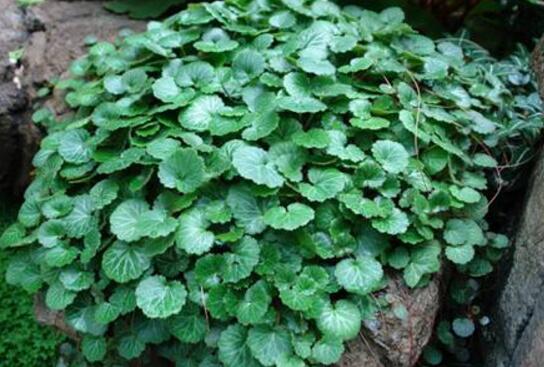
Strawberry begonia (Saxifraga stolonifera) is a plant with very strong adaptability. It first appeared at altitudes of 400-4000 m under forest canopies and in shady, damp rock crevices. It prefers cool, humid environments and has relatively high cold tolerance. These are things you must know before understanding how to grow strawberry begonia.
Cultivation methods and precautions for potted strawberry begonia
Strawberry begonia was originally a wild plant, and later developed into an ornamental plant that can be grown in pots. Below, we will learn about the cultivation methods and precautions for potted strawberry begonia from several aspects, including soil, light, temperature, watering, and fertilizing.
1. Choice of soil
Strawberry begonia has average requirements for soil, but if it is potted, you should try to choose soil with good drainage and aeration, such as sandy soil rich in organic matter, which is best. You can also take soil from dense, moist forest floors and from shady, damp earthen banks.
Precautions: Before potting, be sure to disinfect the soil. You can place the soil in the sun to dry it out, which can help avoid the occurrence of pests and diseases.
2. Light requirements
Strawberry begonia's light requirements are: no direct sunlight, but it needs a certain amount of light. If there is not enough light, the leaf color will become dull, but too much light may cause the leaves to turn yellow, so extra care is needed in summer and winter.
Precautions: In summer, strawberry begonia should be moved to a shady place. If it cannot be moved, you need to provide shade for it; in winter, it should be placed in a spot with plenty of sunlight.
3. Temperature control
The most suitable temperature for strawberry begonia growth is 15-25°C, but its cold tolerance is relatively high, and it can also survive in a 5-10°C environment. However, try not to let it stay in a low-temperature environment for a long time.
Precautions: Some varieties of strawberry begonia are not cold-tolerant, such as the tricolor strawberry begonia, which may die below 15°C, so pay attention to which variety you are growing.
4. Water frequently
In the cultivation methods and precautions for potted strawberry begonia, watering is very particular. During the growing season, it should be watered once a day to keep the soil moist; after flowering, the amount of watering should be reduced.
Precautions: Strawberry begonia likes humid environments. If the soil is too dry, it can easily cause the leaves to turn yellow and fall off, so be sure to water frequently, but remember not to water too much at once. Just do not let water accumulate in the pot.
5. Fertilizer management
Strawberry begonia does not have high fertilizer requirements, but during the growing season and before flowering, it should be fertilized once every 20 days. In winter, fertilizing can be stopped.
Precautions: When fertilizing, the fertilizer should be applied from the roots. Do not let the fertilizer come into contact with the leaf surface, as this may affect the plant's growth.
Summary: The climate and environment differ from place to place, so when growing strawberry begonia, the cultivation methods and precautions for potted strawberry begonia are very important references. Only by caring for it attentively can you ensure that strawberry begonia grows vigorously and displays its greatest ornamental value.
Summary of cultivation and care methods for potted strawberry begonia
█ Flower decoration >> Home floral decoration pattern design cases
█ Flower appreciation >> Flowers blooming one after another, a complete collection of indoor flower pictures for appreciation
█ Flower cultivation >> Cultivation of fragrant flowers to create a home filled with fragrance
Many families have probably grown this plant, strawberry begonia, they just didn't know it was strawberry begonia. It is a very common potted plant, generally called stone lotus leaf. Its appearance is somewhat like a coin, and its shape is similar to small mallow leaves. This plant produces small pale red flowers in summer. Strawberry begonia originally grows in shady, damp places and remains evergreen throughout the four seasons, so when planting it, people often grow it on rockery, making it part of landscape bonsai. Below, let's learn about the key points for cultivating and caring for strawberry begonia.
☼ How to cultivate potted strawberry begonia
Strawberry begonia likes cool, humid conditions and requires fertile, moist soil, so when cultivating it, the best environment is a dense, moist one. Strawberry begonia is mostly propagated and cultivated by division. In the Sichuan region, cultivation needs to be done in summer, selecting plants with well-developed fibrous roots and robust growth for cultivation. We need to pull up the seedlings growing from the stolons and use them as planting stock. When cultivating, choose a suitable flower pot, prepare the soil, then plant shallowly at the surface and press the fibrous roots into the soil. If using moist humus soil, we need to press the fibrous roots firmly and water.
☼ Growing environment for strawberry begonia
1) Strawberry begonia likes a relatively warm environment most, so the external temperature for potted plants is best between 15°C and 25°C. Although strawberry begonia likes a warm environment, it is also relatively cold-tolerant and can still grow at 5°C. However, variegated varieties of strawberry begonia are not cold-tolerant, and their overwintering temperature needs to be 15°C. If it is lower than this temperature, it can easily die, so for variegated strawberry begonia, winter insulation measures must be taken.
2) Strawberry begonia relatively likes humid environments. During the growing season, the environment needs to be kept moist. In summer, change the water frequently and it is best to spray it to increase the humidity in the air and on the leaf surface. In addition, each time you change the water, you need to clean the container.
3) Strawberry begonia is suitable for growing in semi-shade. It is very difficult for it to survive in fully direct sunlight, so in summer, if the light is too strong, we need to shade it and use relatively bright scattered light for illumination.
☼ Summary of key care points for strawberry begonia
Strawberry begonia prefers a relatively warm, shady and humid environment. It is not drought-tolerant and fears strong direct light. The most suitable temperature for growth is 18-22°C, and the indoor temperature in winter should be kept above 5°C. Therefore, when growing strawberry begonia, pay attention to the following points:
1) Soil: Strawberry begonia's soil requirements are aeration, water permeability, and fertility. You can use a mixed soil prepared by combining leaf mold, garden soil, and river sand in equal proportions.
2) Placement: Strawberry begonia likes shady and humid environments and fears dry wind. In dry environments, the leaf edges are prone to scorching and losing color. It is tolerant of water and moisture. Therefore, potted strawberry begonia can be kept indoors in a spot with scattered light all year round. To make it grow more robust, it is best to move it outdoors to a shady, humid place for care in spring and autumn. In summer, prevent strong direct sunlight, otherwise the leaves can easily wither and turn yellow.
3) Watering: During the growing period, water so that the potting soil remains moist. Slight drought can easily cause leaves to fall off. At the same time, prevent water accumulation in the pot, otherwise root rot can easily occur. In summer, temperatures are relatively high and water evaporates quickly. In addition to normal watering, spray the plant and the ground every day to prevent the air from drying out and causing the leaves to shrivel and scorch. Gradually reduce watering two weeks after flowering. In winter, restrict watering, and the potting soil should be dry.
4) Fertilizing: May to September is the peak growing season for strawberry begonia. Apply diluted, fully decomposed cake fertilizer water or compound flower fertilizer once every 15-20 days. After each fertilization, use a fine mister to spray water promptly to prevent the fertilizer solution from sticking to the leaves and causing them to turn yellow.
Summary:That concludes our introduction to strawberry begonia cultivation methods. This plant has a very attractive appearance, and it also grows thread-like purple stems one after another from the base of the plant, which is very unique and novel. It is very suitable as a home potted plant to decorate our homes.
How to propagate strawberry begonia, propagation methods for strawberry begonia / with key points for division and sowing
Strawberry begonia has beautiful leaves and gorgeous flowers, so many people want to grow a few more pots, but they don't know how to propagate strawberry begonia. At present, the two propagation methods commonly used by botanists for strawberry begonia are division and sowing. Each has advantages and disadvantages, so you need to choose according to your own situation.
How to propagate strawberry begonia
The most commonly used plant propagation methods are cuttings, sowing, and division. So which is the best way to propagate strawberry begonia? Both division and sowing work. Because the two methods have different characteristics, below is a comparison of their advantages and disadvantages.
Division propagation: advantages are high success rate, short time to see results, and simple operation; disadvantage is that propagation time is limited.
Sowing propagation: advantage is easy care; disadvantages are that seeds are not easy to collect and seed selection requires care.
Propagation methods for strawberry begonia
1. Division propagation of strawberry begonia
1. Propagation time
If conditions are suitable, it can be propagated all year round, but most people cannot provide suitable conditions at any time, so for ordinary people, division propagation should be carried out in spring or autumn, when temperatures are not high.
2. Operation steps
a. Select branches
In April or October, select robust small plantlets on the stolons of strawberry begonia and cut them off.
b. Plant the branches
Plant the branches in a cultivation pot, then cover with glass or plastic film, observe the humidity inside every day, and be sure to maintain relatively high humidity.
c. Transplanting
About two weeks after division propagation, the plant can resume growth. At this point, it can be transplanted elsewhere, such as into a pot or under the eaves.
2. Sowing propagation of strawberry begonia
If you have the opportunity to obtain strawberry begonia seeds, then this propagation method is the most worthwhile choice. However, when sowing and propagating, there are three points to note:
1. Be careful when choosing soil
Strawberry begonia's soil requirements are fertility, moisture, and good drainage. It can be planted under dense, moist forest canopies, or on shady, damp hillsides, as long as it is not exposed to direct sunlight.
2. Timing is very important
When using sowing propagation, the best time is March to April. At this time, humidity and temperature are relatively suitable, and after emergence the seedlings grow faster. From sowing to emergence generally takes about 15-20 days.
3. Later care
The new seedlings that grow after sowing are relatively fragile, so you must understand the correct cultivation methods and precautions for strawberry begonia. Just after transplanting, the new seedlings do not need to be watered many times, but the potting soil should be kept moist. In summer, provide shade for them, with a shading level of 50-60%.
Summary: The main propagation methods for strawberry begonia are division and sowing. Because seeds are not easy to collect, most people use division propagation. No matter which propagation method is used, one point must be emphasized: the environment must be suitable, and the environment includes temperature, humidity, and light, with a humid and shady environment being preferable. Later care is also equally important.