How to prune a ZZ plant? 5 pruning methods with illustrations to shape a beautiful plant
ZZ plant (Zamioculcas zamiifolia), a very beautiful foliage plant, its leaves shaped like copper coins look extremely cute. However, to grow a good-looking ZZ plant, proper pruning is key, otherwise too many branches and leaves will make it look unattractive. So how do you prune a ZZ plant? Below, let us bring you the pruning methods for ZZ plant, very detailed, let's take a look!
1. How to prune a ZZ plant, the method matters
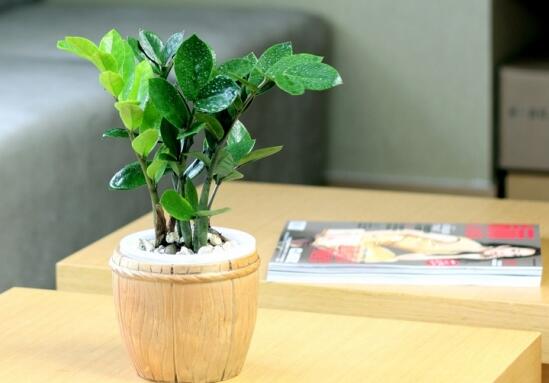
When pruning a ZZ plant, depending on different aesthetic views, everyone's pruning results will differ. To prune it beautifully, besides cutting off clustered branches, crossing branches, inward-growing branches, overlapping branches, parallel branches and leggy branches, mastering the correct pruning method is very important. How to prune a ZZ plant, let's continue reading.
2. Illustrated pruning methods for ZZ plant
In the cultivation methods for ZZ plant, it was mentioned that pruning is very important, so pruning a ZZ plant is imperative. According to your own preferences, you can prune the ZZ plant into cloud shapes, mushroom shapes, etc. But this all requires methods. The pruning methods for ZZ plant can be divided into shaping and branch pruning, which further include pinching, bud removal and leaf removal, as follows:
1. Shaping
ZZ plant grows quickly and will produce many new branches. For aesthetics, we should prune the branches. Beforehand, we can make a sketch, then based on the overall shape, prune the ZZ plant into a natural form, trimming the branch sections into cloud shapes, like a miniature of trees in nature. Besides this, you can also prune it into branch sections that are slightly higher in the middle, of varying sizes, with an outer outline like a melon-seed shape, which will look very good.
2. Branch pruning
Branch pruning is the most important part of ZZ plant pruning methods. All clustered branches, crossing branches, inward-growing branches, overlapping branches, parallel branches and leggy branches must be cut off. Note that in some special cases, you may choose to keep one or two branches to meet the needs of perfecting the shape.
3. Pinching
As the name suggests, remove the tender tips of the ZZ plant's branches. This can inhibit the branches from growing taller and encourage the surrounding branches to spread out flat.
4. Bud removal
Among the pruning methods for ZZ plant, bud removal is very important, as it can avoid consuming nutrients. Specific operation: remove the irregular new buds at the base of the ZZ plant's trunk and on the trunk body, and note to protect the strong buds at individual branch-deficient areas.
5. Leaf removal
How to prune a ZZ plant, proper leaf removal is key. During the budding period of new leaves on the ZZ plant, remove the old leaves, so the whole plant looks bright and eye-catching, green and lush. And removing old leaves can also let new buds grow out again.
Overall, pruning is a technical job. It not only requires skill, but also artistic talent, otherwise cutting here and there will make the plant look very bad. So in order to grow a beautiful pot of ZZ plant, everyone should master the pruning methods for ZZ plant. Finally, we wish everyone can prune out a beautiful ZZ plant.
How to prune a ZZ plant, 4 pruning methods for ZZ plant
Pruning time for ZZ plantThe pruning time for ZZ plant is generally better in spring, March—April.
Because when pruning a ZZ plant, the suitable temperature is recommended to be 20—25°C, and this is exactly spring. After repotting comes summer, and summer is the vigorous growth period for ZZ plant. Pruning in spring can ensure sufficient nutrients to meet the needs of the ZZ plant's growth period in summer. If pruned in autumn, winter is about to arrive. After the hassle of pruning, the ZZ plant not only grows slowly, but is also prone to poor growth due to pruning.
4 pruning methods for ZZ plant 1. Pinching pruningRemove the tender tips of the ZZ plant's branches. This can inhibit the branches from growing taller and encourage the surrounding branches to spread out flat.
2. Bud removalTimely remove the irregular new buds at the base of the ZZ plant's trunk and on the trunk body to avoid consuming nutrients. At the same time, note to protect the strong buds at individual branch-deficient areas, cultivate them into useful branches, make the main trunk branches grow quickly, and inhibit the reproductive growth of side branches.
3. Leaf removal pruningDuring the budding period of new leaves, remove the old leaves, making the whole look bright and eye-catching, green and lush. Removing old leaves can also promote the growth of new buds.
4. Branch pruningCut off all clustered branches, crossing branches, inward-growing branches, overlapping branches, parallel branches and leggy branches. Top-center branches can also be considered for removal. In special cases, keep one or two branches to lay the foundation for future shaping.
ZZ plant propagation pruning methods 1. Leaf cutting pruningSelect a robust, well-growing ZZ plant as the mother plant for leaf cutting, and cut off leaflets of different maturity levels, or double leaves with the whole leaf stalk, or a single leaf with the whole leaf stalk, as cuttings.
2. Stem cutting pruningZZ plant cuttings can use a single small leaflet, a section of leaf rachis plus 2 leaves, or a separate section of leaf rachis. Cuttings of leaf rachis with leaves root quickly, have a high sprouting rate, and are relatively easy to form larger tubers.
3. Division pruningZZ plant division propagation requires separating the small offsets with small bulbs produced from the mother tuber, then cutting off the bottom leaves, keeping 2—3 leaves, to prevent excess leaves from consuming nutrients.
How to prune a ZZ plant? Introduction to ZZ plant pruning methods
ZZ plant is a perennial evergreen herbaceous plant. Pruning is not too particular, it just depends on personal preference. If you like keeping large branches, cut the small ones; otherwise cut the large ones. Do not water immediately after pruning. It is best to prune a few days after watering, and keep thick, numerous branches. Now let's take a look at how to prune a ZZ plant!
Pinching
Pinching a ZZ plant inhibits the tree's height growth and encourages side branches to spread flat. You can remove the tender tips of the branch shoots.
Bud removal
Many adventitious buds will grow at the base of the ZZ plant's trunk and on the trunk body. They should be removed in time to avoid wasting nutrients. But for strong buds at individual branch-deficient areas, attention should be paid to keeping them to cultivate into useful branches.
Leaf removal
The best viewing period for ZZ plant is mostly during the new leaf budding period, when the leaves are small, or bright and eye-catching, or green and lush, very pleasing to look at. By removing old leaves, the tree can send out new leaves again, which adds another good viewing period.
Branch pruning
1. Shaping: ZZ plant often grows many new branches. To maintain its beauty, branches should be pruned. How to prune can be determined by your preference for the shape of the tree bonsai. Usually it can be pruned into a natural form, trimming the branch sections into cloud shapes, like a miniature of trees in nature. It can also be pruned into branch sections that are slightly higher in the middle, of varying sizes, with an outer outline like a melon-seed shape, which is visually quite elegant. Avoid pruning into a round shape, one clump after another like several balloons hanging on a bamboo pole, which looks very rigid, even tacky.
2. Branch pruning: When pruning a ZZ plant, all clustered branches, crossing branches, inward-growing branches, overlapping branches, parallel branches and leggy branches must be cut off. Branches called “top-center” branches should also be considered for removal. It should be explained that in some special cases, you may also selectively keep one or two branches to meet the needs of perfecting the shape, especially within one or two years after just completing the shape, when you will often find that the original shape has imperfections. If suitable new branches can compensate, that is truly a most welcome blessing.