How do you grow lilacs? Growing methods and precautions, with plenty of light
Lilac is a fairly common flower in people's daily lives, with high ornamental value, so many people grow one of these plants at home. So how do you grow and plant lilacs well? What are the growing methods for lilacs? Let me walk you through it below.
1. How to grow and plant lilacs
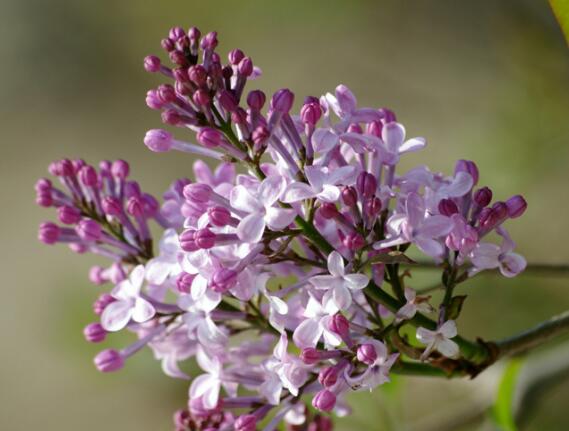
To know how to grow and plant lilacs, we first need to understand their growth habits. Lilac is a light-loving plant, so when growing it you must make sure it gets plenty of light. Beyond that, there are many other aspects to pay attention to, which are covered in detail in the lilac growing methods below. You can take a look.
2. Growing methods for lilacs
1. Soil selection
When growing lilacs, soil selection is fairly important. Choosing the right soil is a great help to their growth. For soil, we can generally choose fertile sandy soil. This kind of soil has good drainage, which is more helpful for lilacs to absorb nutrients.
2. Temperature control
In the growing methods for lilacs, temperature control is one point that needs fairly close attention. Lilac likes a humid environment, and the most suitable environment for its growth is between 15-22°C. Lilac has a certain cold resistance, so it can still grow when the temperature is slightly lower, but it must not be too low. Generally, if the temperature is below 3°C, it may get frostbitten.
3. Watering management
There is no specific frequency for watering lilacs. Generally, just follow the principle of watering when the soil looks dry, and the frequency depends on the environment. In summer, water evaporates faster, so we can increase the watering frequency; in winter, the amount of watering should be reduced.
4. Light requirements
In the growing methods for lilacs, light is a very important part, so there must be no shortage of light. In spring and autumn when the weather is suitable, they can receive light all day long. In summer when the sunlight is too strong, you can move the lilac indoors to a semi-shaded spot to grow it, so that it will not get sunburned and can still receive light.
5. Pay attention to weeding
As lilacs grow, some weeds will also grow in the potting soil, and this is when we need to clear them out. Only by removing the weeds can lilacs grow better. When removing weeds, it is best to pull them out by hand. Never use a hoe or similar tool to turn the soil, as this can easily injure the roots and stems. Everyone should pay attention to this point.
6. Pest and disease control
In the process of growing lilacs, if you do not follow the methods above and problems occur during growing, it can easily lead to pests and diseases. When such problems appear, we must deal with them promptly, otherwise the whole plant can easily wither and die. For treatment methods, you can refer to the article on lilac pest and disease control, which covers them in detail.
How do you grow lilacs? What are the growing methods and precautions for lilacs?
[Common questions] How do you grow lilacs? What are the growing methods and precautions for lilacs?
[Expert answer]
Lilac care tips:
1. Soil: Lilac has strong stress resistance and does not demand much from soil. It is suitable for fertile, loose, well-drained soil, and it is difficult for it to grow in low-lying, shady, damp places.
2. Watering: Lilac has strong adaptability and its care is relatively extensive. Usually, as long as you pay attention to weeding, prevent waterlogging in the rainy season, and water during drought, it can grow smoothly.
3. Sunlight: Lilac likes plenty of sunlight and also tolerates semi-shade, so be careful to plant it somewhere that provides enough sunlight.
4. Temperature: Lilac likes a tropical island climate by nature. The climate of its native region has the characteristics of an equatorial rainforest climate. The lowest monthly average temperature is 21°C. When the low temperature reaches 3°C, it can cause the plant to die.
5. Fertilizing: Lilac does not like heavy fertilizer. Never apply too much fertilizer, as this can cause excessive twig growth and affect flowering. Generally, applying well-rotted compost once a year or every other year before winter is enough.
6. Pests: Lilac has very few pests and diseases. The main pests are aphids, bagworms and stinging caterpillars. You can spray 800-1000 times diluted 40% dimethoate emulsion or 1000 times diluted 25% phosmet emulsion for control.
7. Repotting: Repot once every 2-3 years. Along with repotting, trim the root system, remove some old roots and overly long roots, pick out 1B2 of the old soil, and replace it with new growing medium to benefit root development and produce lush leaves and abundant flowers.
8. Pruning: Before lilacs sprout in mid-March, shape and prune the lilac. Remove overly dense branches, thin weak branches, and diseased or pest-damaged branches, and cut back vigorous growing branches to improve ventilation and light penetration inside the canopy. After the flowers fade, if you are not keeping seeds, you can cut off the spent flowers together with the two buds below the flower cluster to reduce nutrient consumption and promote the sprouting of new branches and the formation of flower buds. After leaf fall, you can also do another round of pruning to keep the canopy round and attractive, which helps growth and flowering the following year.
Precautions for planting lilacs:
1. In the young stage, do good wind protection work before typhoons arrive. You can use ropes and bamboo to secure the trunk of the lilac plant to reduce the shaking of the lilac plant by the typhoon, thereby reducing damage.
2. Each year in July, September and October, weed around the lilac plants and cover the plants with grass, but do not use a hoe to turn the soil, as that would damage the lilac roots. Weeds elsewhere on the forest land are cut and used as ground cover, and can also be used as green manure to replace natural vegetation covering the ground. Weeding should continue until the tree canopy closes and can suppress weed growth.
3. When planting large 3-4 year old saplings, after planting, the above-ground branches and trunk should be heavily pruned, that is, cut the trunk at 30 cm above the ground. After cutting the trunk, sturdy branches will quickly grow out, making the canopy full, and it can produce abundant flowers the next year.
[Editor's comments] Lilacs are not difficult to grow, but there are still growing methods to follow. They have their own care tips and some precautions to note. The editor of First Agricultural Economics above introduced the growing methods and precautions for lilacs. If you want to learn more related information such as"Introduction to Syringa oblata plant information" and "Lilac ground planting methods and potted planting methods"then please follow the planting technology column of our website's science and technology channel.
Growing methods and precautions for lilacs
Many people have seen the beautiful lilac and especially like it. Some people want to make it into a potted plant and grow it at home, but they do not understand the growing methods for lilacs and do not know how it should be grown. Today I will give a specific introduction to the growing methods for lilacs. While telling everyone how to grow lilacs, I will also write out the precautions for growing lilacs and share them with everyone.
Growing methods and precautions for lilacs1. Growing methods for lilacs
This plant, the lilac, likes sunlight, has poor shade tolerance, likes a humid environment, and dislikes waterlogging. Usually it can be planted in fertile potting soil with good drainage. In addition, lilacs need to be repotted once a year. When repotting, sufficient base fertilizer should be applied, and the base fertilizer can be well-rotted compost. This plant, the lilac, is mainly propagated by seed. If planting new lilacs, you can collect and store seeds after the flowers fade in autumn and plant them the following spring.
2. When growing lilacs, pay attention to temperature
When growing lilacs normally, temperature is one of the aspects that needs the most attention, because lilac is a tropical plant and most likes a tropical island climate. When the outside temperature is between 20 and 30 degrees, this plant grows fastest. When the outside temperature is below 3 degrees, it will stop growing, and in severe cases it can also cause the lilac to die.
3. When growing lilacs, pay attention to fertilizer supply
To grow lilacs well, fertilizer supply is also very important. This plant does not like heavy fertilizer, and normally you must not apply too much fertilizer, otherwise it will affect flowering and reduce its ornamental value. In addition, during the growth of lilacs, aphids or moth larvae may sometimes appear. At this time, you can spray 800 times diluted dimethoate emulsion, which can make the pests disappear quickly.