When Does Globe Amaranth Bloom? Flowering Season Care for Globe Amaranth / July-October, a 4-Month Blooming Period
Globe amaranth (Gomphrena globosa) is a highly ornamental flowering plant, and it can be seen in many gardens across our country. If we were to name the most ornamental moment for globe amaranth, it would certainly be when it blooms. So when does globe amaranth bloom? And what does flowering season care for globe amaranth involve? Below, the editor will walk you through it.
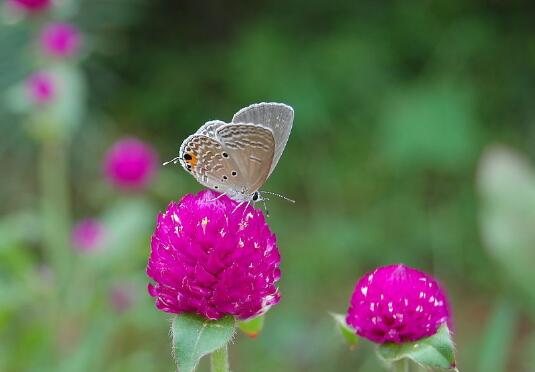
I. When Does Globe Amaranth Bloom / July-October
As for when globe amaranth blooms, it is generally around July each year. Its flowering season runs from July to October, lasting four months. Among flowering plants, the flowering season of globe amaranth is relatively long, making it a flower that can be enjoyed over a long period. However, if you want its flowering season to last that long, care during the flowering period cannot be neglected in the slightest. The specific care methods are below, so let's keep reading.
II. Flowering Season Care for Globe Amaranth
1. Fertilization Requirements
During the flowering season of globe amaranth, fertilizer is one of the most important nutrients, because blooming consumes a great deal of the plant's nutrients, so it must be replenished in time, and fertilizer should also be applied regularly as a top dressing. However, one thing to remember: when fertilizing, the fertilizer must first be diluted with water before application, otherwise it may cause the flowers of globe amaranth to wilt.
2. Watering Requirements
The flowering period of globe amaranth is also the hottest time of the year, and water evaporates relatively quickly, so we must water frequently, basically once a day. This will also allow the flowers of globe amaranth to bloom even more brilliantly.
3. Light Requirements
When caring for globe amaranth during its flowering season, light is also a fairly important point. Globe amaranth is a light-loving plant, so sufficient light must be maintained. Because globe amaranth is a flower native to tropical regions, the more light it gets, the better it will grow, and the better its flowers will bloom.
4. Pest and Disease Control
During the flowering season of globe amaranth, if care is not paid enough attention, pests and diseases and other adverse conditions can easily appear. When such conditions occur, we must deal with them promptly. For treatment methods, you can refer to the article "Complete Guide to Pest and Disease Control for Globe Amaranth." The editor will not go into too much detail here.
An Introduction to Globe Amaranth Cultivation Methods and Precautions in Care
Globe amaranth is a very beautiful ornamental flower. Its flowers and green leaves complement each other, giving a harmonious and beautiful feeling. The flowers of globe amaranth look like little fuzzy balls, very cute. When they bloom during the flowering season, they are extremely beautiful. Today I will walk you through the cultivation methods and precautions for globe amaranth.
Cultivation Methods
1. Light
Globe amaranth likes a sunny environment. During care, ensure at least 4 hours of direct sunlight each day. The care location must not be too shady, otherwise the plant will grow slowly and the flower color will be dull. If the seedling stage of globe amaranth happens to fall on a cloudy day, a fluorescent lamp can be used for supplemental lighting.
2. Watering
Globe amaranth likes a slightly moist, somewhat dry soil environment and is relatively drought-tolerant. When watering, it is better to keep it dry than waterlogged. During the seedling growth stage, especially when leaves are growing, watering should be appropriately controlled. After flower bud differentiation, watering can be appropriately increased to ensure normal flower growth.
3. Fertilization
Globe amaranth likes fertilizer. In addition to adding sufficient base fertilizer to the soil when planting, apply a phosphorus-potassium fertilizer as a top dressing once every half month during the vigorous growth period. This not only promotes plant growth but also enhances resistance and reduces disease infection.
4. Temperature
The suitable growing temperature for globe amaranth is about 18-22°C. It likes sunlight and prefers a ventilated, hot and dry environment.
5. Soil
For globe amaranth, you can choose loose, fertile soil with good drainage for planting. You can use soilless medium soil or a mix of peat and garden soil.
Precautions
1. Globe amaranth grows quickly. When the seedling reaches 15 cm, pinch it once to promote branching. After that, decide whether to pinch a second time based on the plant's growth to control plant shape and flowering season. In addition, promptly cut off yellowing and wilting leaves during growth, and appropriately thin out branches and leaves to keep the plant shape attractive.
2. After flowering, this is a stage that is easily overlooked. Mainly keep the potting soil slightly moist, and when watering, do not pour from top to bottom, to avoid getting water on the flowers. Stop fertilizing during the flowering period and ensure sufficient light. After flowering, promptly cut off the flower branches to promote new branch growth and blooming.
3. Globe amaranth often turning yellow is southern blight, so prevention should be done well. Disinfect promptly before planting, and when the disease occurs, use a fungicide as a soil drench.
The above is my summary of the cultivation methods and precautions for globe amaranth. I hope it can be helpful to flower lovers, and please continue to follow Duorou Huapu to learn more about flower care knowledge.