How to water flowers kept indoors when winter indoor temperatures are low
In the bleak cold winter, keeping a few bright and colorful flowers at home adds a little warmth and brightness to life. Yesterday, the editor saw at the flower and bird market that winter flowers such as cyclamen, cineraria, Christmas cactus, and camellia sasanqua have begun to become new favorites in the flower market, cheap ones at 12 yuan per pot, expensive ones at 56 yuan, or over a hundred yuan, attracting many flower lovers to admire them.
“Last year a friend gave me a pot of cineraria, and after keeping it on the balcony for 1 week it wilted.” Citizen Ms. Liu walked around the flower and bird market, and looking at the bright herbaceous flowers she really wanted to buy them, but also worried she could not care for them well. It is reported that due to the special winter climate, many citizens face care difficulties when buying flowers. How can bright flowers safely get through a winter? Yesterday, the editor consulted Mr. Wu, a flower-growing expert in the urban area, who shared several key points.
Placement: keep them indoors as much as possible
“In winter, Qingdao has fewer local flower varieties and more varieties from elsewhere, and many come from the south, so special attention must be paid to cold and frost protection.” Wu Dexiang explained that in winter it is best to keep flowers indoors. Plants such as cyclamen, cineraria, Christmas cactus, jasmine, Aglaia odorata, and Chloranthus spicatus are all suitable for indoor spots facing the sun, but they should not be placed in windy spots, so windows should be opened as little as possible.
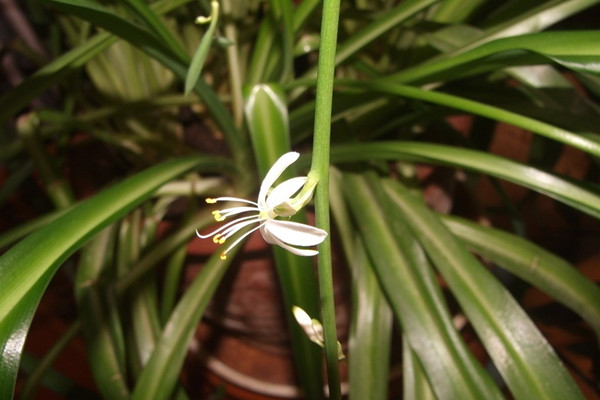
How to care for flowers when winter indoor temperatures are low
"Last year a friend gave me a pot of cineraria, and after keeping it on the balcony for 1 week it wilted." Citizen Ms. Liu walked around the flower and bird market, and looking at the bright herbaceous flowers she really wanted to buy them, but also worried she could not care for them well. It is reported that due to the special winter climate, many citizens face care difficulties when buying flowers. How can bright flowers safely get through a winter? Yesterday, the editor consulted Mr. Wu, a flower-growing expert in the urban area, who shared several key points.
Placement: keep them indoors as much as possible
"In winter, Qingdao has fewer local flower varieties and more varieties from elsewhere, and many come from the south, so special attention must be paid to cold and frost protection." Wu Dexiang explained that in winter it is best to keep flowers indoors. Plants such as cyclamen, cineraria, Christmas cactus, jasmine, Aglaia odorata, and Chloranthus spicatus are all suitable for indoor spots facing the sun, but they should not be placed in windy spots, so windows should be opened as little as possible.
Some cold-tolerant flowers perform differently indoors and outdoors. "Take chrysanthemums: the leaves tolerate cold, but the flowers do not, and if they are frosted, the flowers soon wither; if cared for properly, flowers that bloom in summer can also bloom in winter. The canna in my home bloomed in summer and is still blooming now!" Mr. Wu said.
However, Yangzhou also has some flowers that are not afraid of cold and can be placed outdoors, such as winter plum, wintersweet, and camellia sasanqua; bamboo and ivy are also cold-tolerant plants.
Care: water less and do not fertilize
"Flowers kept indoors must be watered less and fertilizing must be stopped; otherwise, even if they do not die in winter, they will die in spring." Mr. Wu especially reminded.
According to the introduction, in winter flowers are in a semi-dormant or dormant state, and metabolism has stopped. If watering continues and there is too much water, the roots of the flowers will lack oxygen and rot. Mr. Wu said that fertilizing flowers in winter will also burn them to death, because the fertilizer cannot be flushed out, and since the flowers have stopped metabolism they do not need fertilizer, so fertilizing in winter is counterproductive.
Of course, some aquatic plants cannot do without water, such as narcissus, water bamboo, and Lysimachia nummularia; in winter they must both maintain a certain temperature and not be cut off from water.
Protection: flowers that have overwintered fear spring wind
"One more thing to remind: plants that overwinter indoors are very delicate after spring begins, and they must not be moved out of the room too early; they must slowly adapt to the outdoor environment." Mr. Wu said that flower growers should also note that some plants do not die in winter, but instead are prone to dying after spring begins, especially dying as soon as the spring wind blows. This is because these plants have become weak after a winter, so flowers that overwinter indoors cannot be placed in a drafty spot, nor moved outdoors too early; generally they can only be taken out after Qingming.
As a flower-growing expert, Mr. Wu also reminded flower lovers that several kinds of flowers are suitable to buy but not to grow yourself, such as chrysanthemums, narcissus, azaleas, and cyclamen. Their market price is not expensive, while growing them yourself takes time and effort. It is better to buy a few pots in season to enjoy at home. "Take chrysanthemums: growing three to five pots yourself takes half a year, and they will not grow as well as those grown on a large scale by flower farmers; it consumes too much effort and is not worth it."
General watering methods for indoor flower growing
Watering points for indoor flower growing
When watering, the first thing is temperature: the difference between water temperature and air temperature should not be too large. When watering, note that rainwater or well water can both be used; store the water for a period first, and try to make the water temperature close to the air temperature.
Herbaceous flowers need more water, while woody flowers need less.
Water demand is relatively large during the growing period, while water demand is relatively small during the dormant period; when blooming, it depends on the situation.
With long-term use of tap water, the soil easily becomes saline-alkaline. Generally, ferrous sulfate and the like should be added to the water when watering flowers.
How to judge watering for indoor flower growing
The plant is no longer fresh green and upright, and the leaves droop and wilt.
The soil is dry, and the color even turns whitish.
The flower pot becomes relatively light. When tapped, the sound is relatively crisp.
Key watering points for indoor flower growing in the four seasons
In spring, watering generally should not be too dry or too wet, and care should be taken to avoid rain.
In summer, watering generally should be sufficient, but it is best not to let water accumulate in the pot. For some flowers that enter dormancy or semi-dormancy, watering should be reduced.
In autumn, watering should be normal; for some flowers recovering from dormancy, watering should gradually increase.
In winter, generally water less; it is best to keep the soil on the dry side and prevent frost damage.