How to Water Potted Mint Flowers? Four-Season Watering Tips and Water Amount Control
Mint flower is a fairly common flower in people's daily lives, with high edible value, so many people grow it at home. As more people grow it, questions about its care have drawn more attention, and the question of watering is one that troubles people quite a bit. On how to water mint flower? Let me walk you through it below.
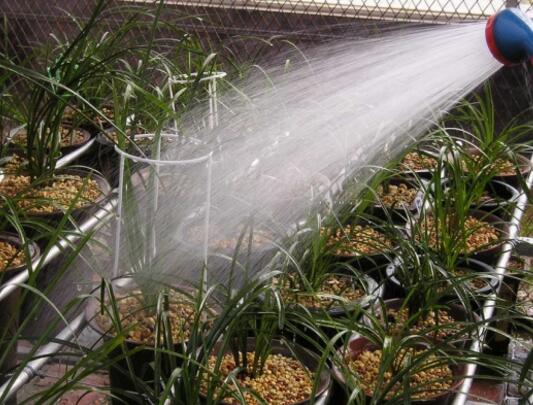
How to Water Potted Mint Flowers
On the question of how to water mint flower, the answer is actually different for every season. In summer, when the weather is hotter, its water demand is relatively high; in winter, because the weather is cold, the amount of water also needs to be reduced. As for what the specific watering frequency is for each season? Let's read on.
1. Watering in Spring
Spring is a season fairly suitable for mint flower growth. In this season, the watering frequency for mint flower is generally once every 3-4 days. However, spring is a rainy season, so you need to go by the weather. Never water right after it has rained, as this easily causes root rot.
2. Watering in Summer
Summer is the hottest season of the year, and water evaporates relatively quickly, so you must increase the watering frequency. Generally, watering once a day or even twice a day is fine; this depends on the condition of the potting soil. As long as the potting soil stays moist, that is enough.
3. Watering in Autumn
Autumn, like spring, is a season fairly suitable for mint flower growth. However, compared with spring, the weather in autumn is a bit drier, so it generally needs watering once every 2-3 days, a slightly higher frequency than in spring.
4. Watering in Winter
The weather in winter is relatively cold. In this season we do not need to water too much; wait until the potting soil is dry before watering. This frequency is generally once every 7-10 days. Of course, there may be some variation, so just go by the situation and keep to the principle of watering when dry.
5. Watering Method
On how to water mint flower, the method is very important. When watering, it is best to use a spray bottle to spray the water, as this makes the watering more even and the amount of water easier to control. Of course, if you feel you control your watering well, using a watering can is also fine, but remember never to let water accumulate, otherwise it will be a real hassle if it causes pests and diseases.
How to Grow Potted Mint Flowers and Points to Note
Mint flower, also known as mint herb, is a perennial herbaceous plant. Both its stems and leaves can be used as medicine; it can clear heat and reduce internal fire, and it can also reduce inflammation and relieve pain. It is usually grown on a large scale in nature. But mint flower can also be made into a potted plant and grown at home. Did you know this? Growing it at home not only purifies the air but also drives away indoor mosquitoes and insects, and the growing method is not complicated. I will tell you the specifics shortly, and also let you know what to pay attention to when growing mint flower.
Growing MethodWhen growing potted mint flower, you need to choose a sunny, warm and humid environment. It is not strict about soil; any soil other than heavily alkaline soil and clay soil will do, but it is best to choose fertile, loose sandy soil. Water it moderately at ordinary times, and fertilize once every 15 to 20 days, and this will ensure the potted mint flower grows vigorously.
Points to Note1. Water Reasonably
When growing potted mint flower, be sure to water reasonably. Its watering times differ across different growth stages and different seasons. Every year when spring temperatures warm up and it enters its peak growing season, you should increase the water supply; watering once every 3 to 4 days is enough. In winter and late autumn, potted mint flower grows slowly, so you should reduce watering frequency; water once every 7 to 10 days, and just keep the potting soil from drying out.
2. Fertilize Moderately
Potted mint flower does not have a large demand for fertilizer. When growing it, do not fertilize excessively, otherwise its roots will rot and its leaves will turn yellow. Every year, spring and summer are the peak growing seasons for mint flower. At this time you should give it a top dressing every 15 to 20 days, choosing a dilute liquid fertilizer. After mint flower stops growing in winter, there is no need to fertilize any more.
3. Disease Prevention and Control
Potted mint flower often develops some diseases during cultivation. Especially in the rainy season every summer, its powdery rust disease and white rust disease occur at a high rate. At this time you need to promptly remove the affected leaves, and spray it with 50% carbendazim, applying the pesticide once every seven days for three consecutive sprays, so that the disease can be brought under full control.