What to Do When the Leaves of a Radermachera sinica Drop at the Slightest Touch? Rescue and Repotting Methods
Radermachera sinica (China doll) - just hearing the name makes it sound wonderful, and after seeing its sturdy, graceful form and emerald-green leaves, you will want to grow it even more. In daily life, many people grow Radermachera sinica, but during cultivation, many flower enthusiasts encounter leaf drop. So what should you do when the leaves of Radermachera sinica drop at the slightest touch? How do you rescue a Radermachera sinica that is losing leaves? In response, let us clear up your doubts.
I. When Radermachera sinica Leaves Drop at the Slightest Touch, Find the Cause
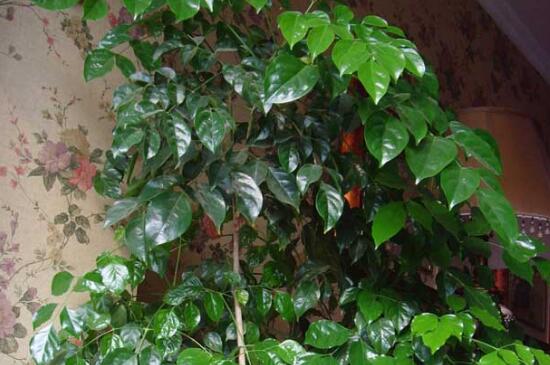
As a plant with an auspicious meaning, Radermachera sinica is kept in the homes of many friends, but many of them often run into headaches, such as Radermachera sinica leaves turning yellow and dropping at the slightest touch. What exactly is going on? To address this, we must first examine the reasons why Radermachera sinica drops its leaves.
According to what we have found, there are generally six situations that can cause Radermachera sinica to drop its leaves: 1) improper watering; 2) improper fertilizing; 3) temperature reasons; 4) light reasons; 5) humidity problems; 6) insect reasons. Next, we will tell you how to rescue a Radermachera sinica that is losing leaves.
II. How to Rescue a Radermachera sinica That Is Losing Leaves
1. Improper Watering
In the cultivation methods for Radermachera sinica, watering is essential, but for many beginners this is very troublesome. Radermachera sinica likes a moist environment, but beginners often cannot control the degree, causing the Radermachera sinica to drop its leaves. Improper watering is divided into two situations: one is overwatering, and the other is underwatering.
Overwatering: When the soil remains moist for a long time, the oxygen content in the soil will drop, and in severe cases the roots of the Radermachera sinica will be unable to absorb oxygen and nutrients normally, after which the leaves of Radermachera sinica will drop at the slightest touch. Solution: Immediately reduce watering and loosen the soil frequently so the soil is well aerated.
Underwatering: The roots of the Radermachera sinica cannot absorb enough, which easily causes the leaves to become dull and lusterless and to drop at the slightest touch. Its symptoms are: the lower old leaves age and gradually turn yellow and fall off from the bottom upward. Solution: Water lightly in small amounts, let it gradually recover, and then return to normal watering.
2. Improper Fertilizing
Besides improper watering, improper fertilizing can also cause the leaves of Radermachera sinica to drop at the slightest touch. Improper fertilizing is also divided into two situations: one is overfertilizing, and the other is underfertilizing.
Overfertilizing: New leaves absorb plenty of nutrients and grow thick and fleshy with an uneven surface, while old leaves find it hard to absorb nutrients, so their tips dry and scorch and they fall off. Solution: Immediately stop fertilizing and increase watering to dilute the fertilizer in the pot; or, more simply, just replace the potting soil directly so the Radermachera sinica becomes fresh again.
Underfertilizing: If you have not fertilized or changed the soil for a long time, the soil will lack nutrient elements, causing the leaves of Radermachera sinica to drop at the slightest touch. Solution: Replace with new loose, fertile culture soil and apply a thin compound flower fertilizer.
3. Temperature Reasons
Radermachera sinica likes a warm environment, and its optimal growth temperature is 22-28°C. In hot seasons, once the temperature exceeds 30°C, the growth of Radermachera sinica will be affected, and over time its leaves will drop at the slightest touch; in winter, once the temperature falls below 5°C, the phenomenon of Radermachera sinica leaves dropping at the slightest touch will also appear.
Solution: How do you rescue a Radermachera sinica that is losing leaves? If the temperature is too high, you should spray water on the leaves as much as possible to lower the temperature, or move it to a shaded, ventilated, cool place to spend the summer; if the temperature is too low, move the plant to a room with air conditioning or an electric heater, ensuring the room temperature is not lower than 8°C, so it can pass the winter safely.
4. Light Reasons
When Radermachera sinica leaves drop at the slightest touch, besides water and fertilizer, light cannot be ignored either. If leaf drop is caused by light, it is also divided into two situations: one is too much light, and the other is too little light.
Too much light: Radermachera sinica is a light-loving plant and can also tolerate shade somewhat; full sun and semi-shade environments are both acceptable. But once it is exposed to strong sun, it is very easy for the tips and edges of young leaves to scorch, or for leaves to turn yellow and fall off. Solution: Promptly move the Radermachera sinica to a well-ventilated, shady place and water lightly.
Too little light: Too much light is no good, but if Radermachera sinica is placed in a dim indoor area for a long time, the chlorophyll in the leaves will decrease, and over time the leaves will also turn yellow and fall off. Solution: Very simple, just increase the lighting time.
5. Humidity Problems
During the cultivation of Radermachera sinica, maintaining the air humidity around the plant is also very important. Once the air is too dry, Radermachera sinica often shows leaf tips drying up and falling off.
Solution: How do you rescue a Radermachera sinica that is losing leaves? At this time, you should pay attention to methods such as spraying water and covering with a plastic film cover to increase air humidity and keep it at 70-80%.
6. Insect Reasons
In the process of caring for Radermachera sinica, improper operation can cause it to be troubled by pests and diseases. When it suffers from leaf spot disease, its leaves will partially necrose, showing yellow spots or patches, and in severe cases the entire leaf will wither, turn yellow and fall off. In addition, when Radermachera sinica is harmed by scale insects and the like, its leaves are also at risk of falling off.
Solution: Find out which pest or disease it is, then spray the corresponding pesticide. As for what to spray, it is introduced in detail in the pest and disease control for Radermachera sinica, so we will not say more here.
Regarding Radermachera sinica leaves dropping at the slightest touch, after reading the above content, you should know what to do when you encounter it again! In fact, leaf drop is caused by one reason on the surface, but it is often the result of multiple factors, so when you encounter this situation, you must make a correct diagnosis so you can suit the remedy to the case.
What to Do When Radermachera sinica Leaves Curl and Droop: Supplement Light / Control Fertilizing / Water Appropriately
Radermachera sinica, a plant with an auspicious meaning, a sturdy graceful form and emerald-green leaves, is very suitable for indoor cultivation and is welcomed and loved by the vast number of flower enthusiasts. But during cultivation, once we are a little careless, Radermachera sinica may develop curled leaves or even drooping. So what should you do when Radermachera sinica leaves curl and droop? Here are several causes and solutions. Come take a look!
I. When Radermachera sinica Leaves Curl and Droop, Find the Cause
When growing Radermachera sinica at home, many flower enthusiasts may encounter some problems, such as Radermachera sinica leaves curling and drooping, Radermachera sinica leaves turning yellow, Radermachera sinica leaves dropping at the slightest touch, and so on. At this time, do not be too anxious; finding the causes of these symptoms is the most important thing. Below are 6 causes and treatments for Radermachera sinica leaves curling and drooping that we have compiled. Let us continue reading.
II. Causes and Solutions for Radermachera sinica Leaves Curling and Drooping
1. Not Adapting to a New Environment
Due to changes in the living environment, Radermachera sinica leaves will curl and droop. This situation generally appears in flower enthusiasts who bought their Radermachera sinica online. Radermachera sinica bought online easily involves a large regional span, and the environment changes too much at once, which will cause the Radermachera sinica to fail to adapt, resulting in symptoms of leaves curling and drooping.
Solution: At this time, you can communicate with the seller to learn about the growing environment of the Radermachera sinica before it was bought, and then make corresponding adjustments at home to keep the environment unchanged. Then change it slowly until the plant fully adapts to the current environment; after a period of time, the Radermachera sinica will recover its health. In short, when growing Radermachera sinica, do not change its growing environment all at once.
2. Poor Ventilation
Growing Radermachera sinica indoors has a very big disadvantage, which is poor ventilation. Once Radermachera sinica is placed in an unventilated place for a long time, the plant's growth will be affected, resulting in leaves curling and drooping.
Solution: What should you do when Radermachera sinica leaves curl and droop? At this time, we need to open the windows often for ventilation. In winter, also choose a warm noon and move it outdoors to bask in the sun, preventing the plant from cold damage.
3. Too Little Watering
In the cultivation methods for Radermachera sinica, we once said that Radermachera sinica likes a moist environment, so if we water it too little, the plant cannot absorb enough water. And when leaves transpire, they consume a large amount of water; at this time, if water is insufficient, the leaves will curl.
Solution: If the curling and drooping of Radermachera sinica leaves is caused by too little watering, it is very easy to solve; just replenish water in time, but do not water too much. Keeping the potting soil moist is enough.
4. Too Much Watering
Radermachera sinica needs sufficient water, so watering cannot be too little, but it also cannot be too much! Once you water Radermachera sinica too much, it easily causes water accumulation in the pot, damaging the plant's root system. The result is that the growth of Radermachera sinica is restricted, and the first thing affected is the leaves, with symptoms such as yellowing, blackening, curling and drooping all appearing.
Solution: What should you do when Radermachera sinica leaves curl and droop? If it is caused by too much watering, you should move it to a ventilated place with light (preferably a balcony) so the water in the pot evaporates quickly; or, more directly, change the potting soil so the Radermachera sinica becomes fresh again.
5. Insufficient Light
Besides the above points, lack of light is also one of the causes of Radermachera sinica leaves curling and drooping. Although Radermachera sinica can tolerate shade, it cannot endure long-term dimness. Once light is insufficient, its leaves will show symptoms of curling and drooping.
Solution: For Radermachera sinica to grow normally, it must have sufficient sunlight. If indoor light is too weak, you can move the Radermachera sinica to a sunny place every few days to receive light.
6. Too Much Fertilizer
Radermachera sinica likes fertilizer, and to make it grow well, proper fertilizing is crucial. But we cannot fertilize too much or too often, as this easily leads to excessive nutrients in the potting soil, and excessive nutrients can also cause leaves to curl.
Solution: When the condition is not serious, you can dilute the fertilizer by watering; if the situation is serious, there is no other way, we can only change the potting soil, and after a period of time the plant will recover its health.
That is all we will introduce about Radermachera sinica leaves curling and drooping. I believe that when you encounter a similar situation again, you will know what to do! Overall, Radermachera sinica is still relatively easy to grow, but you had best grow it according to the requirements and not be too careless. Do these two things, and your Radermachera sinica will grow very beautifully.
How to Do Winter Pruning of Fruit Tree Bonsai Well
People today increasingly pay attention to creating a quality living environment. Fruit tree bonsai, because of their high ornamental value and economic value, have become works of art that some families use to embellish their home space. But fruit tree bonsai have their particularities and require our careful tending, especially doing the pruning work well. The pruning of fruit tree bonsai is generally divided into two times each year, once in summer and once in winter. We will focus on introducing how to do the pruning work for winter fruit tree bonsai well.
Methods of Pruning Fruit Tree Bonsai
The main task of winter pruning is to manage the bonsai's shape. The time is from after the fruit tree's leaves fall until before it begins to sprout the following spring. There is a saying in the industry called "winter pruning makes the tree vigorous," because at this time most of the nutrients have moved from the fallen leaves and branch tips to the main trunk and roots of the fruit tree. Pruning the fruit tree during this period causes almost no loss of nutrients. At the same time, with fewer leaves blocking the view, we can more easily observe the structure of the canopy, which in turn makes it convenient for us to analyze the canopy and predict its growth, making it easier for us to manage its shape. Therefore, winter pruning is very important for fruit tree bonsai.
The first step of pruning is called reduction pruning, which means cutting away a portion of branches that have grown for many years, thereby playing a role in rejuvenation or suppression. The key to this step is to determine the part to be reduced according to the thickness and strength of the branch, and then, through different pruning methods, determine which parts should sprout branches and which parts need to be suppressed.
The second step is thinning pruning, which requires basically removing all annual or perennial branches that are mostly dried-up branches, diseased or pest-damaged branches and other poorly developed branches, as well as some worthless, unusable branches on the outer periphery that are too straight or excessively vigorous. The purpose of thinning pruning is to improve the ventilation and light penetration conditions of the canopy, which can enhance the bonsai's absorption of light, allow photosynthesis to occur to the greatest extent, and accumulate enough nutrients in winter.
The third step is long release, which means not pruning a portion of the annual branches and letting them continue to grow. Grasping the growth vigor of the long-release branches is the key to doing this step well. If the scaffold branches are weaker than the auxiliary nurturing branches, then the scaffold branches should be long-released and the auxiliary nurturing branches should be controlled; if there are a great many long branches and vigorous branches, during pruning you can also long-release a small number of long and vigorous branches, leaving them to be controlled during summer pruning. When you find that after long release, its growth is still very vigorous the following year, then other treatments are needed.
The last step is heading back. According to the branch's own characteristics, you can decide how light or heavy the pruning of the branch should be. If you want to favor the formation of flower buds, then head the branch back more lightly; leaving the branch longer will ensure more buds, so nutrients will be hard to concentrate, and it will easily send out some medium and short branches, which naturally favors the production of flower buds; if you want to send out some medium and long branches with stronger growth, or cultivate large branch groups and rejuvenate weak branches, then you can do medium heading back, leaving about two-thirds or one-half; if you want to cultivate branch groups or renew branches, heavy heading back can be used; when you want to renew the canopy and make it more compact, you can use extremely heavy heading back to deal with those upright branches and competing branches.
Notes on Pruning Fruit Tree Bonsai
Pruning period: for families in cold regions or fruit tree bonsai enterprises with small production volume, the most suitable pruning period is from after dormancy is broken in early spring to before budding. This is because during winter cold protection, branches and buds are sometimes knocked and injured, and the extra branches can play a protective role. After careful pruning, the branches and buds have all been determined, and once damaged, it is hard to make up for it. Because in early spring the potting soil temperature rises relatively quickly and the potted tree roots develop earlier, if pruning is too late, bleeding is likely to occur.
Various pruning methods should be applied reasonably. When pruning, you must accurately identify flower buds, flowering branches and the parts expected to flower, and try to make the fruiting parts close to the main trunk and main branches, so the whole tree is full and compact. Trees that are fruiting for the first time often have fewer flower buds, and they should be retained and used as much as possible. After one year of fruiting, the tree vigor can then moderate, and the amount of flowering will also increase. When the amount of flowers is relatively large, some flower buds can be thinned so they are distributed reasonably according to the needs of the shape.
Pruning should be closely coordinated with shaping and training. When pruning, every cut should take into account its flowering, fruiting and shape. It should be pointed out that the form of fruit tree bonsai changes greatly every year or even every season, including the fruit, current-year branches, and the fruiting parts each year, but once its basic shape is determined, it should continue, improve and develop year by year. To avoid unreasonable pruning that conflicts with the shape, when pruning you can first bend and pull branches according to the needs of the shape, determine the scaffold branches or branches that must be kept, remove disturbing branches, and finally deal with the other branches. "Overall first, then local; shape first, then fruit" should be the principle that must be followed in the pruning process of fruit tree bonsai (including summer pruning).
Dormant-period pruning is often combined with repotting. Because pruning the root system during repotting injures many roots, the above-ground pruning also needs to be correspondingly heavier, that is, appropriately reducing the growth points (the number of branches that will sprout the following year) and the fruit load. The operation period should not be too late; it is best to carry it out after leaf fall in autumn, so as to restore the root system earlier. By the time it buds in spring, a large number of new roots have already formed, and the growth and development that year are completely normal.
In short, fruit tree bonsai can be regarded as an important part of our country's traditional culture. A good bonsai often takes a very long time to take shape, and also requires everyone to spend a great deal of energy tending and caring for it. When we have learned this knowledge about pruning fruit tree bonsai and successfully applied it in practice, adding a successful work of art to our own home, that sense of happiness and accomplishment is hard to express in words.