What to do when chrysanthemums won't form buds or bloom? Fertilize more, prune wisely, and don't give them too much light
Autumn is a season for enjoying flowers. At this time, many flowers are blooming beautifully, and among them the chrysanthemum stands out, with its long blooming period and bright colors that delight anyone who sees them. However, potted chrysanthemums grown at home often fail to form flower buds and don't bloom. So what should you do when chrysanthemums won't form buds or bloom? Let's have the editor explain below.
1. What to do when chrysanthemums won't form buds or bloom: find the cause
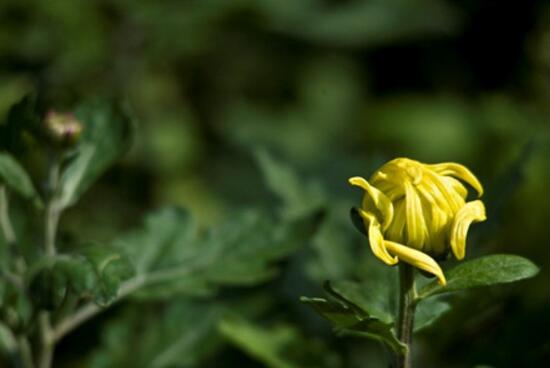
The beauty of chrysanthemums leaves a deep impression on everyone who has seen it, especially the sight of a whole field of chrysanthemums in full bloom, a scene comparable to “the whole city clad in golden armor,” which inevitably fills people with longing. But what should you do when potted chrysanthemums at home won't form buds or bloom? To avoid a decline in the chrysanthemum's ornamental value, we need to find the cause and solve it. For the specifics, read on.
2. Reasons chrysanthemums won't form buds or bloom
1. Light and temperature
Chrysanthemums are short-day plants. Although they need light, they cannot receive more than 12 hours of light per day; in addition, before blooming, chrysanthemums also need lower temperatures and a day-night temperature difference maintained at around 10°C, so that they can transform into flower buds and then form buds and bloom. Therefore, the reason chrysanthemums won't form buds or bloom is too much light and too high a temperature.
2. Improper care
Besides light and temperature, chrysanthemums can also fail to bloom if they are not cared for properly. The causes include:
① Overwatering at the seedling stage: this inhibits the chrysanthemum's growth, causing it not to bloom;
② Not pruning promptly enough: failing to carry out pinching and pruning at the appropriate time;
③ Improper fertilizing: chrysanthemums like fertilizer, and proper fertilizing can make their flowers bloom more beautifully. But once too much nitrogen fertilizer is applied while phosphorus and potassium fertilizer is lacking, it will cause the stems and leaves to grow excessively, ultimately causing all the buds on the plant to turn into leaf buds, and so on.
3. Solutions for chrysanthemums that won't form buds or bloom
1. Light: keep it appropriate
What should you do when chrysanthemums won't form buds or bloom? Now that you know the causes, the next step is to solve them. First, on light: after the chrysanthemum has grown about ten leaves, you should shorten the daylight hours and provide the chrysanthemum with growing conditions under short-day conditions as much as possible, which can promote flower bud differentiation.
2. Watering: reduce it
If a chrysanthemum won't bloom and the problem is watering, you should remember the chrysanthemum's traits of “needing a large amount, fearing waterlogging, and tolerating drought.” Water frequently, but not too much, generally once each in the morning and evening. If you have watered too much, it is best to change the potting soil immediately, which can make the chrysanthemum fresh again.
3. Fertilizing: increase it
Blooming naturally consumes a large amount of nutrients, so if a chrysanthemum won't bloom and the problem is insufficient nutrients, you should apply plenty of base fertilizer. In addition, after autumn begins, apply 1 dose of fully rotted, diluted liquid fertilizer about once a week; during the bud-forming period, apply 2 or 3 additional doses of 0.2% potassium dihydrogen phosphate or 0.5%-1% superphosphate solution.
4. Pruning: pinch the tips
If the chrysanthemum won't form buds or bloom because pruning was not done promptly, you should prune appropriately and do pinching. As for when it is suitable to prune, this is described in detail in the chrysanthemum pruning methods, so I won't say more here.
What to do when chrysanthemums won't form buds or bloom
Reasons chrysanthemums won't form buds or bloom
Internal causes
The chrysanthemum is a short-day plant. Under the condition of ensuring less than 12 hours of light per day, chrysanthemums can differentiate flower buds as early as the vegetative growth stage. At the same time, in addition to short-day conditions, lower temperatures and a day-night temperature difference maintained at around 10°C are also needed, and only under these environmental conditions can the chrysanthemum's terminal buds transform into flower buds and then form buds and bloom. Therefore, the reason chrysanthemums won't form buds or bloom may be a lack of the above conditions.
External causes
Improper care in daily maintenance can also affect chrysanthemum flower bud differentiation, which is the external cause of chrysanthemums not blooming. For example, the following situations can affect flower bud differentiation: overwatering at the seedling stage, not pruning promptly enough, failing to carry out pinching and pruning at the appropriate time, improper fertilizing, applying too much nitrogen fertilizer while lacking phosphorus and potassium fertilizer, thereby causing excessive stem and leaf growth and making all the buds on the plant turn into leaf buds, and so on.
Solutions for chrysanthemums that won't form buds or bloom
Light
Generally, after the chrysanthemum has normally grown about ten leaves, while maintaining the daylight length within the range of 14 to 15 hours, you need to shorten the daylight hours and provide the chrysanthemum with growing conditions under short-day conditions as much as possible, which can promote flower bud differentiation.
Watering
Remember the chrysanthemum's traits of “needing a large amount, fearing waterlogging, and tolerating drought.” In summer, water generously, generally once each in the morning and evening. After blooming, gradually reduce the amount of watering, and likewise reduce watering appropriately in winter. Be careful to prevent water from accumulating in the pot. Do a good job of ventilating and exchanging the air.
Fertilizing
When repotting, be careful to apply plenty of base fertilizer; for convenience, the base fertilizer can be leftover food from home. After autumn begins, apply 1 dose of fully rotted, diluted liquid fertilizer about once a week. During the bud-forming period, apply 2 or 3 additional doses of 0.2% potassium dihydrogen phosphate or 0.5%-1% superphosphate solution.
Pinching
Pinching can encourage the chrysanthemum to branch. Generally choose a sunny day to do it. After the chrysanthemum seedlings have formed a root system, that is, about 3 weeks after the cuttings are taken, carry out the first pinching, removing the tip that has not yet opened. For the second pinching, choose the time when new buds have sprouted at the top; when 4 or 5 leaves have grown, remove the leaves that are growing poorly, then pinch once about every 1 month, and stop pinching after late August. Keep the well-growing shoots and cut off the excess to prevent wasting nutrients. Remember that after each pinching, you should apply a dose of rotted fertilizer to encourage the side buds to sprout vigorously.
Why chrysanthemums won't bloom after you bring them home, and what to do when chrysanthemums won't form buds or bloom
The chrysanthemum is a short-day plant and can bloom earlier under short-day conditions. It likes sunlight, dislikes shade, is fairly drought-tolerant, and fears waterlogging. It likes a warm, humid climate but can also tolerate cold, and in the severe winter its rhizomes can overwinter underground. So why won't chrysanthemums bloom after you bring them home? What should you do when chrysanthemums won't form buds or bloom? Below, the editor of wed14 wedding website brings you the detailed content.
Why chrysanthemums won't bloom after you bring them home
Internal causes
The chrysanthemum is a short-day plant. Under the condition of ensuring less than 12 hours of light per day, chrysanthemums can differentiate flower buds as early as the vegetative growth stage. At the same time, in addition to short-day conditions, lower temperatures and a day-night temperature difference maintained at around 10°C are also needed, and only under these environmental conditions can the chrysanthemum's terminal buds transform into flower buds and then form buds and bloom. Therefore, the reason chrysanthemums won't form buds or bloom may be a lack of the above conditions.
External causes
Improper care in daily maintenance can also affect chrysanthemum flower bud differentiation, which is the external cause of chrysanthemums not blooming. For example, the following situations can affect flower bud differentiation: overwatering at the seedling stage, not pruning promptly enough, failing to carry out pinching and pruning at the appropriate time, improper fertilizing, applying too much nitrogen fertilizer while lacking phosphorus and potassium fertilizer, thereby causing excessive stem and leaf growth and making all the buds on the plant turn into leaf buds, and so on.
What to do when chrysanthemums won't form buds or bloom
Light
Generally, after the chrysanthemum has normally grown about ten leaves, while maintaining the daylight length within the range of 14 to 15 hours, you need to shorten the daylight hours and provide the chrysanthemum with growing conditions under short-day conditions as much as possible, which can promote flower bud differentiation.
Watering
Remember the chrysanthemum's traits of “needing a large amount, fearing waterlogging, and tolerating drought.” In summer, water generously, generally once each in the morning and evening. After blooming, gradually reduce the amount of watering, and likewise reduce watering appropriately in winter. Be careful to prevent water from accumulating in the pot. Do a good job of ventilating and exchanging the air.
Fertilizing
When repotting, be careful to apply plenty of base fertilizer; for convenience, the base fertilizer can be leftover food from home. After autumn begins, apply 1 dose of fully rotted, diluted liquid fertilizer about once a week. During the bud-forming period, apply 2 or 3 additional doses of 0.2% potassium dihydrogen phosphate or 0.5%-1% superphosphate solution.
Pinching
Pinching can encourage the chrysanthemum to branch. Generally choose a sunny day to do it. After the chrysanthemum seedlings have formed a root system, that is, about 3 weeks after the cuttings are taken, carry out the first pinching, removing the tip that has not yet opened. For the second pinching, choose the time when new buds have sprouted at the top; when 4 or 5 leaves have grown, remove the leaves that are growing poorly, then pinch once about every 1 month, and stop pinching after late August. Keep the well-growing shoots and cut off the excess to prevent wasting nutrients. Remember that after each pinching, you should apply a dose of rotted fertilizer to encourage the side buds to sprout vigorously.