How to grow potted Datura? Cultivation methods and precautions
Datura, everyone is probably familiar with this name, having heard it in many TV dramas, but few people really understand it. In fact, many people in our country grow this plant. So how do you grow potted Datura? What are the cultivation methods and precautions for Datura? Let me walk you through it below.
I. How to grow potted Datura
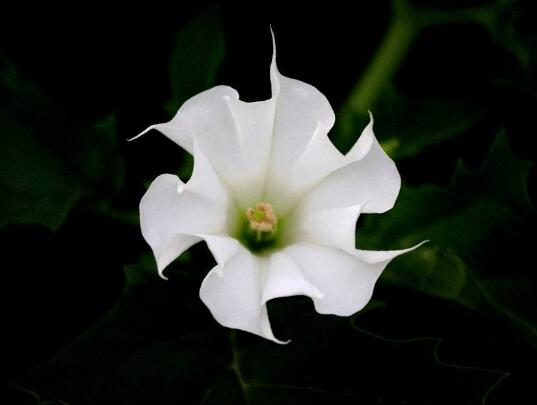
To know how to grow potted Datura, we first need to understand its growth habits. This plant likes a warm, humid environment, so you must keep plenty of light when growing it. Of course, this is only one part of it, and there are many other things to pay attention to. As for what they are? They are described in detail below, so let's read on.
II. Cultivation methods and precautions for Datura
1. Soil requirements
Datura is not too demanding about soil and can survive in many types of soil, but different soils still have a certain effect on its growth. The best choice is humus-rich soil, which has good drainage and lets Datura absorb nutrients better.
2. Fertilization requirements
Among the cultivation methods and precautions for Datura, fertilization is a very important aspect. The fertilizer chosen at each stage is different, and the fertilization requirements differ too. For this, you can refer to the article on how to fertilize Datura; I won't go into too much detail here.
3. Watering requirements
Datura likes a humid environment, so when watering you must water thoroughly and keep the soil moist, but remember never to let water accumulate, otherwise it easily causes root rot. There is no fixed watering frequency; just water according to conditions.
4. Light requirements
Among the cultivation methods and precautions for Datura, light is also a fairly important part. It is a light-loving plant, so you must keep plenty of light while growing it, though in summer when the light is too intense, you still need to provide shade.
5. Proper pruning
During Datura's growth, some dead branches and rotten leaves will appear, and then we need to prune them promptly. This not only improves its appearance but also encourages Datura to send out new branches, so proper pruning is very necessary.
6. Pest and disease control
While growing Datura, if it is not cared for properly, pests and diseases easily appear, and then we need to carry out control. For the specific control methods, you can refer to the article on pest and disease control for Datura, which has detailed information.
How to grow Datura, cultivation methods and precautions for Datura
Datura has an elegant columnar shape and beautiful, alluring flowers, but Datura is poisonous, so you must understand how to grow Datura. Only in this way can you not only grow Datura better but also prevent poisoning. Below, let me introduce the cultivation methods and precautions for Datura.
If you want to know how to grow Datura, first learn about its growth habits.
Datura has strong adaptability and likes a warm, humid, sunny environment. It fears waterlogging and is not very strict about soil; it can be planted in ordinary soil, but soil rich in humus and lime is best. The seeds germinate easily. The suitable germination temperature is about 15°C, and the germination rate is about 40%. From emergence to flowering takes about 60 days. After frost, the aboveground parts wither. When the temperature is below 2°C, the whole plant dies. The annual growth period is about 200 days.
Cultivation methods and precautions for Datura
1. Planting is relatively easy; just sow the seeds in fertile, well-drained soil.
2. For potted fertilization, you can scatter decomposed chicken manure or barnyard manure along the rim around the pot as a base fertilizer. It usually buds and blooms in June. If fertilization and watering are appropriate, it can bloom more and continuously produce new flowers, lasting without fading.
3. As the temperature rises, gradually increase the amount of watering to keep the soil moist, but not too dry or too wet, otherwise the leaves will turn yellow and fall off. In winter, reduce the frequency of watering; just make sure it is not too dry.
4. Except in midsummer when the temperature is high and the sunlight is intense, when the pot should be placed in partial shade, at other times it should be given plenty of light, and apply liquid manure once every 7-10 days. Before winter arrives, move it indoors to a sunny spot and keep the room temperature above 5°C. If it is below 4°C, it will cause yellow leaves or leaf drop.
5. After Datura is moved outside in spring, the dead branches should be pruned away. If the potted plant is too tall or has bare lower stems, it will affect its ornamental value, so it must be appropriately shortened to encourage new branches and renew the plant.
6. Datura is generally propagated by sowing, and can also be propagated by cuttings. When the seeds mature in winter, clean the seeds from the capsules and dry them, keeping them for sowing in March-April of the following year. During the germination period, cover with some straw and other materials to provide shade and retain moisture. It usually takes root and grows smoothly. After the seedlings grow larger, divide and transplant them, and most will grow quickly.
Precautions: The flowers and fruits of Datura are poisonous and must not be eaten, but they can be used as medicine.
How to grow Datura: cultivation methods and precautions for Datura
Datura is poisonous. Although it is not really suitable for growing at home, Datura has some other uses. For example, in terms of medicinal efficacy and effects, Datura is an important ingredient in mafeisan. Therefore, growing Datura still has certain social and economic significance.
How to grow Datura
1. Soil requirements for Datura
Planting is relatively easy, and it is not very demanding about soil. It can generally be planted in ordinary soil, but soil rich in humus and lime is best. Usually, sowing it in fertile, well-drained soil is enough.
2. How to fertilize Datura
For potted plants, you can scatter some spoiled yogurt or decomposed chicken manure around the pot as a base fertilizer. It usually begins to bud and bloom in June. If fertilization and watering are proper, it can also bloom more and continuously produce new flowers, lasting without fading.
3. How to water Datura
As the temperature rises, the amount of watering should also increase to keep the soil moist. But do not let it become too dry or too wet, otherwise the leaves will turn yellow and fall off. In winter, reduce the frequency of watering; just make sure it is not dry.
4. Temperature and light for Datura
Except in midsummer when the temperature is too high and the sunlight is too intense, when the pot should be placed in partial shade, at other times Datura should be given plenty of light, and apply manure once every 7-10 days.
In winter, move it indoors to a sunny spot. Keep the room temperature above 5°C, otherwise it will cause yellow leaves or leaf drop.
5. Shaping and pruning Datura
After Datura is moved outside in spring, the dead branches should be pruned away. If the potted plant is too tall or has bare lower stems, it will affect its ornamental value, so it must be appropriately shortened to encourage new branches and renew the plant.
Datura cultivation methods and precautions
1. Planting is relatively easy; just sow the seeds in fertile, well-drained soil.
2. For potted fertilization, you can scatter decomposed chicken manure or barnyard manure along the rim around the pot as a base fertilizer. It usually buds and blooms in June. If fertilization and watering are appropriate, it can bloom more and continuously produce new flowers, lasting without fading.
3. As the temperature rises, gradually increase the amount of watering to keep the soil moist, but not too dry or too wet, otherwise the leaves will turn yellow and fall off. In winter, reduce the frequency of watering; just make sure it is not too dry.
4. Except in midsummer when the temperature is high and the sunlight is intense, when the pot should be placed in partial shade, at other times it should be given plenty of light, and apply liquid manure once every 7-10 days. Before winter arrives, move it indoors to a sunny spot and keep the room temperature above 5°C. If it is below 4°C, it will cause yellow leaves or leaf drop.
5. After Datura is moved outside in spring, the dead branches should be pruned away. If the potted plant is too tall or has bare lower stems, it will affect its ornamental value, so it must be appropriately shortened to encourage new branches and renew the plant.
6. Datura is generally propagated by sowing, and can also be propagated by cuttings. When the seeds mature in winter, clean the seeds from the capsules and dry them, keeping them for sowing in March-April of the following year. During the germination period, cover with some straw and other materials to provide shade and retain moisture. It usually takes root and grows smoothly. After the seedlings grow larger, divide and transplant them, and most will grow quickly.
Precautions: The flowers and fruits of Datura are poisonous and must not be eaten, but they can be used as medicine.
Datura growth habits
Datura is a wild upright woody annual herb in the genus Datura of the nightshade family.
It has strong adaptability and likes a warm, humid, sunny environment. It fears waterlogging.
It is not strict about soil and can be planted in ordinary soil, but soil rich in humus and lime is best.
The suitable temperature for easy seed germination is 15°C, and from emergence to flowering takes about 60 days. When the temperature is below 2°C, the whole plant dies.
Uses of Datura
1. Sores on the face
Dry Datura flowers in the sun, grind them into powder, and apply a small amount to the sores.
2. Slow convulsions in children
Take seven Datura flowers, 2.5 qian of Gastrodia elata, ten scorpions (fried), and 2.5 qian each of Arisaema (prepared), cinnabar, and frankincense, and grind them together into powder. Take half a qian per dose, mixed with mint decoction.
3. As an anesthetic
In autumn, gather Datura flowers and hemp flowers, dry them in the shade, grind them into equal parts as powder, and take three qian mixed with hot wine. After a while, one becomes drowsy as if drunk. For cutting sores or cauterizing with fire, it is advisable to take this first, and then no pain is felt.
Besides being able to make an anesthetic, it can also treat facial sores and slow convulsions in children. Therefore, growing Datura currently has a certain use, and in addition, large quantities of Datura can also be used for ornamental purposes. But when growing Datura, we must be careful to avoid poisoning.