How to grow wax begonias? Detailed guide to cultivation methods and precautions
Begonias can be said to be one of the most popular flowers among the general public in China, and so many people grow begonias at home, with wax begonias being the most common of all, offering advantages such as a neat, rounded plant shape, abundant and densely packed flowers, ease of combining with other bedding plants, and a long four-season blooming ornamental period, which is why they are becoming ever more popular; their flowers come in both single and double forms. Wax begonias prefer a warm, humid environment, are afraid of cold, drought and intense heat, and dislike waterlogging, so they grow best in a semi-shaded, humid, warm environment.
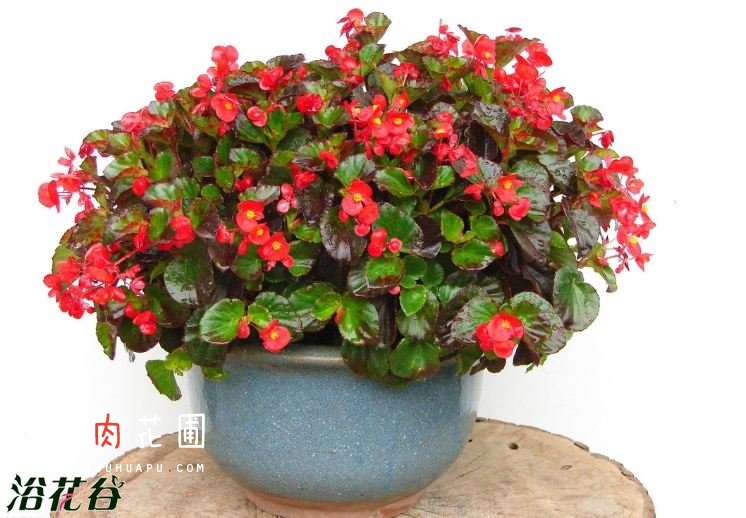
Cultivation methods for wax begonias
First, potting soil. The ideal potting soil for wax begonias is a mix of river sand, leaf mold and osmund fiber. Wax begonias are afraid of intense heat, so in summer they should be kept in a cool place for care.
Second, watering. Wax begonias like mild, moist conditions, so during the growing period you should water according to the plant's growth and changes in air temperature. Water sparingly during the sprouting stage and keep the potting soil slightly dry; if it is too wet, the roots will rot. During the growing period, water once every two days, and frequently spray water around the plant to increase air humidity. Also note that when watering, do not pour from the top of the leaves and stems; water along the edge of the pot, otherwise water easily collects on the stems and leaves and causes rot.
Third, fertilizing. During the growing period, wax begonias should be fertilized according to leaf color and leaf growth conditions, and fertilizer must not be applied in excess, otherwise the leaves will grow leggy and flowering will be affected. Before flowering, apply an appropriate amount of phosphorus and potassium fertilizer to improve flower quality.
Fourth, when winter comes, dig up the tuberous roots and hang them for storage in a dry, ventilated place, or move the potted plants indoors to a warm spot to overwinter.
Fifth, disease prevention. During hot, dry periods, wax begonias are prone to root rot and stem rot. At the first sign, promptly reduce watering and spray carbendazim for control. Continuous use for a period of time will show results.
Sixth, winter and summer management. Because wax begonias are affected by temperature in winter and summer, their growth is relatively slow, so fertilizer and water management need to be strengthened.
Seventh, sunlight. During the peak heat of midsummer, be sure to avoid direct strong sunlight on wax begonias, as this will scorch them.
Eighth, after wax begonias finish flowering, be sure to remember to promptly pinch out the growing tips and remove spent flowers, so that they can grow more luxuriantly.
Ninth, pests. The common pest of wax begonias is the leaf-rolling moth, whose larvae feed on young leaves and flowers, directly affecting the growth and development of wax begonias. In such cases, if the infestation is not particularly severe, you can pick them off by hand; for severe cases, spray with a diluted dimethoate solution.
Tenth, the pots of wax begonias should usually be placed on a balcony or in a courtyard for semi-shaded care, and must never be exposed to direct sunlight; also pay attention to ventilation. About half a month after planting wax begonias, apply one dose of decomposed fertilizer water; thereafter during the growing period, apply a light fertilizer water once every 20-30 days. In winter, move them indoors to a sunny spot, and the minimum temperature must not fall below 10 degrees.
Precautions
① Fertilizer. During the growing period of wax begonias, follow the principle of light, frequent feeding, mainly applying decomposed, odorless organic dilute fertilizer water or a soaked inorganic fertilizer solution. During the seedling establishment stage, apply more nitrogen fertilizer to promote leaf and branch growth; during the bud-forming and flowering stage, apply more phosphorus fertilizer to encourage more buds, resulting in more and brighter flowers. If fertilizer is lacking, wax begonia plants will wither and may even die.
② Water. During the vigorous growing period of wax begonias, the soil needs to hold more moisture; water promptly and keep it moist.
③ Summer and winter management. Because of the effect of temperature in summer and winter, growth is slow, so fertilizer and water management need to be strengthened. In the peak heat of midsummer, take measures to avoid strong direct light and lower the temperature, creating a small environment below 30°C for care, and keep the potting soil alternately dry and moist; too wet easily causes root rot, too dry causes leaves to wilt, so slightly moist is enough. If too much fertilizer is applied during this period, stems and leaves will become tender or rot disease will occur. In winter, as long as the temperature stays above 10°C, the plant can overwinter safely. In summer and winter management, if the temperature can be kept below 30°C and above 10°C, with watering kept appropriately dry and moist and fertilizer applied in the right amount, the plants will certainly be robust and can achieve continuous blooming in all four seasons.
[Wax begonia] Cultivation methods and precautions for wax begonias
Wax begonia flowers are already loved by many people, so many people grow wax begonias in their own homes. There are many varieties of wax begonias, offering advantages such as a neat, rounded plant shape, abundant and densely packed flowers, ease of combining with other bedding plants, and a long four-season blooming ornamental period. Let's take a look below at the cultivation methods and growing precautions for wax begonias.
Wax begonia cultivation method 1, wax begonia growing: potting soilThe ideal potting soil for wax begonias is a mix of river sand, leaf mold and osmund fiber. Wax begonias are afraid of intense heat, so in summer they should be kept in a cool place for care.
2, wax begonia growing: wateringWax begonias like mild, moist conditions, so during the growing period you should water according to the plant's growth and changes in air temperature. Water sparingly during the sprouting stage and keep the potting soil slightly dry; if it is too wet, the roots will rot. During the growing period, water once every two days, and frequently spray water around the plant to increase air humidity. Also note that when watering, do not pour from the top of the leaves and stems; water along the edge of the pot, otherwise water easily collects on the stems and leaves and causes rot.
3, wax begonia growing: fertilizingSummer fertilizing of wax begonias should be handled differently for new and old plants. For new plants propagated in the previous autumn, after each flush of flowers apply some decomposed, diluted cake fertilizer water, with a fertilizer-to-water ratio of 1:5, once a week, for two consecutive applications, and after two weeks they can bloom again. For perennial old plants or weak-growing plants, when the temperature is above 25°C, fertilizing must stop, and resume after the dog days have passed, to welcome the second peak blooming season.
4, winter care for wax begoniasWhen winter comes, dig up the tuberous roots and hang them for storage in a dry, ventilated place, or move the potted plants indoors to a warm spot to overwinter. For winter and summer management, because wax begonias are affected by temperature in winter and summer, their growth is relatively slow, so fertilizer and water management need to be strengthened.
5, wax begonia growing: pests and diseasesDuring hot, dry periods, wax begonias are prone to root rot and stem rot. At the first sign, promptly reduce watering and spray carbendazim for control. Continuous use for a period of time will show results. The common pest of wax begonias is the leaf-rolling moth, whose larvae feed on young leaves and flowers, directly affecting the growth and development of wax begonias. In such cases, if the infestation is not particularly severe, you can pick them off by hand; for severe cases, spray with a diluted dimethoate solution.
6, wax begonia growing: sunlightDuring the peak heat of midsummer, be sure to avoid direct strong sunlight on wax begonias, as this will scorch them.
7, care for wax begonias after floweringAfter wax begonias finish flowering, be sure to remember to promptly pinch out the growing tips and remove spent flowers, so that they can grow more luxuriantly.
8, wax begonia flower potsUsually they should be placed on a balcony or in a courtyard for semi-shaded care, and must never be exposed to direct sunlight; also pay attention to ventilation. About half a month after planting wax begonias, apply one dose of decomposed fertilizer water; thereafter during the growing period, apply a light fertilizer water once every 20-30 days. In winter, move them indoors to a sunny spot, and the minimum temperature must not fall below 10 degrees.
9, wax begonia growing: shade and ventilationWax begonias are very sensitive to sunlight, so as soon as summer arrives, adjust the lighting duration to create an environment suited to their growth. From mid-May to early June between 10:00 and 16:00, and from mid-June to late August between 8:00 and 18:00, shade treatment is needed. Plants grown indoors should be placed where there is scattered light and air circulation, and windows should be opened at night for ventilation and air exchange.
Precautions for growing and cultivating wax begonias 1, choosing seedlingsWhen buying seedlings, choose seedling plants with large, intact lower leaves and buds or shoots in the leaf axils. Such seedlings have strong growth vigor, many branches and abundant flowers.
2, winter cold protection and warmthWax begonias are afraid of cold, so cold protection and warmth measures should be taken early. Before Frost's Descent (Shuangjiang), move the pots indoors to a sunny spot facing south. When a cold wave arrives, they can be covered with a plastic bag, and the covering removed the next day after the sun comes out; they must not be placed next to a heater, otherwise the leaves will be scorched; in air-conditioned rooms, pay attention to ventilation.
3, summer cooling and ventilationIn summer, place the pots in a cool, ventilated spot, keep the temperature below 30°C, and avoid direct strong light that causes scorching.
4, fertilizer and water managementDuring the growing season, apply a dilute liquid fertilizer once about every 10 days; when flower buds form, increase the application of quick-acting phosphorus and potassium fertilizer to make the flowers brighter; watering should follow the rule of watering thoroughly once the soil looks dry, and pay attention to maintaining humidity, frequently spraying water on the leaves, especially in the hot summer and dry winter. The potting soil is better kept slightly on the dry side in summer and winter, which helps increase resistance, but it must not be too dry. Avoid rain soaking.