Five taboos to avoid in the cultivation and care of dahlias (dahlia)
Dahlias (dahlia) are perennial herbaceous flowers with flower heads, and the flowers are large and lovely. To grow dahlias well, you must pay attention to the “five taboos”.
- First, avoid waterlogging
The root system of dahlias consists of thick, juicy fleshy roots with a strong need for air, requiring a loose, breathable, well-drained soil environment. If the soil is compacted and waterlogged with insufficient oxygen, it easily causes root rot and even death. But dahlias have many leaves and large flowers, with high transpiration and water consumption, so they need a certain amount of water. If high temperature and dryness cause the leaves to wilt, water immediately, aiming to soak through at one time, and strictly avoid overwatering to prevent waterlogging; if the leaves wilt when the sky clears after rain, it is mainly because the root hairs are damaged and cannot absorb water, together with water loss through leaf transpiration. At this time, do not water immediately, but you may spray water on the leaves several times. Wait until the soil is slightly dry and new roots have emerged and restored their absorption function, then carry out normal water management. At ordinary times, the principle is to keep the soil moist.
Second, avoid shade
Dahlias like light and do not tolerate shade. In a shady, damp environment with insufficient light, the root system weakens, absorption capacity declines, leaf photosynthesis is low, flower bud development is poor, flowers are small and dull in color, and it may even be difficult for them to bloom. If severe light deficiency lasts a long time, the plant becomes spindly and eventually dies. Therefore, the dahlia cultivation environment must remain sunny so that it can grow and develop normally and produce brilliant flowers.
Third, avoid concentrated fertilizer
Dahlias have a strong root system and many large branches and leaves, so they need a large amount of fertilizer. On the basis of preparing high-quality nutrient soil with sufficient organic fertilizer, topdressing should be done with light fertilizer applied frequently. Avoid applying concentrated fertilizer, to prevent root burn that causes dead branches and dead seedlings.
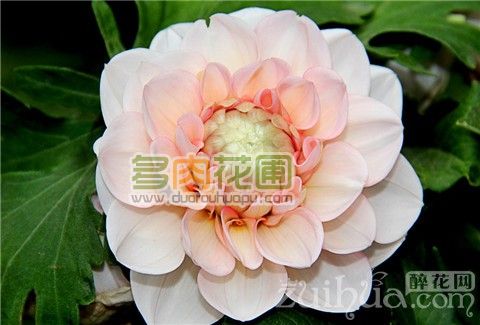
First taboo: waterlogging
The root system of dahlias consists of thick, juicy fleshy roots with a strong need for air, requiring a loose, breathable, well-drained soil environment. If the soil is compacted and waterlogged with insufficient oxygen, it easily causes root rot and even death. But dahlias have many leaves and large flowers, with high transpiration and water consumption, so they need a certain amount of water. If high temperature and dryness cause the leaves to wilt, water immediately, aiming to soak through at one time, and strictly avoid overwatering to prevent waterlogging; if the leaves wilt when the sky clears after rain, it is mainly because the root hairs are damaged and cannot absorb water, together with water loss through leaf transpiration. At this time, do not water immediately, but you may spray water on the leaves several times. Wait until the soil is slightly dry and new roots have emerged and restored their absorption function, then carry out normal water management. At ordinary times, the principle is to keep the soil moist.
Second taboo: shade
Dahlias like light and do not tolerate shade. In a shady, damp environment with insufficient light, the root system weakens, absorption capacity declines, leaf photosynthesis is low, flower bud development is poor, flowers are small and dull in color, and it may even be difficult for them to bloom. If severe light deficiency lasts a long time, the plant becomes spindly and eventually dies. Therefore, the dahlia cultivation environment must remain sunny so that it can grow and develop normally and produce brilliant flowers.
Third taboo: concentrated fertilizer
Dahlias have a strong root system and many large branches and leaves, so they need a large amount of fertilizer. On the basis of preparing high-quality nutrient soil with sufficient organic fertilizer, topdressing should be done with light fertilizer applied frequently. Avoid applying concentrated fertilizer, to prevent root burn that causes dead branches and dead seedlings.
Fourth taboo: severe summer heat
Dahlias like warmth and coolness, and dislike severe summer heat and high temperatures. The suitable growing temperature is 20 to 25°C. Therefore, dahlias grow and develop well in late spring, early summer, late autumn and early winter. In July to August, with high temperature and severe summer heat, growth is slow, flowering is poor or stops, so during the hot summer season, dahlias need attention to water supply to keep the plants alive. After the flowers fade, promptly cut off the spent flowers and stems, but do not cut the stems down immediately. After the heat of September has passed, cut back at the base of the old stems, leaving 2 to 3 nodes, to encourage autumn buds to sprout, so that after the end of October they can produce huge, vivid autumn flowers.
Fifth taboo: too many flowers
Dahlias have large flowers, and too many flowers will lead to poor flower quality and a short flowering period, so flowering should be controlled appropriately. Start with shaping the seedlings. When the established surviving seedlings are about 10 cm tall, leave 3 to 5 leaves and pinch out the growing tip to promote branching. During the branching growth period, continuously remove axillary buds and keep only the terminal bud, to promote strong branching. After flower buds appear, except for keeping 1 strong flower bud at the tip of each branch, the excess flower buds should be thinned out to ensure the flowers are large, spectacular and brilliant.
The above is all I have learned today about dahlias. I hope flower lovers will find this article helpful after reading it. If you want to learn more about dahlias, please continue to follow Duorou Huapu, and we will provide you with more related knowledge!
Five taboos in the process of cultivating and caring for dahlias
Dahlias are perennial herbaceous flowers with flower heads, and the flowers are large and lovely. To grow dahlias well, you must pay attention to the "five taboos".First taboo: waterlogging
The root system of dahlias consists of thick, juicy fleshy roots with a strong need for air, requiring a loose, breathable, well-drained soil environment. If the soil is compacted and waterlogged with insufficient oxygen, it easily causes root rot and even death. But dahlias have many leaves and large flowers, with high transpiration and water consumption, so they need a certain amount of water. If high temperature and dryness cause the leaves to wilt, water immediately, aiming to soak through at one time, and strictly avoid overwatering to prevent waterlogging; if the leaves wilt when the sky clears after rain, it is mainly because the root hairs are damaged and cannot absorb water, together with water loss through leaf transpiration. At this time, do not water immediately, but you may spray water on the leaves several times. Wait until the soil is slightly dry and new roots have emerged and restored their absorption function, then carry out normal water management. At ordinary times, the principle is to keep the soil moist.
Second taboo: shade
Dahlias like light and do not tolerate shade. In a shady, damp environment with insufficient light, the root system weakens, absorption capacity declines, leaf photosynthesis is low, flower bud development is poor, flowers are small and dull in color, and it may even be difficult for them to bloom. If severe light deficiency lasts a long time, the plant becomes spindly and eventually dies. Therefore, the dahlia cultivation environment must remain sunny so that it can grow and develop normally and produce brilliant flowers.
Third taboo: concentrated fertilizer
Dahlias have a strong root system and many large branches and leaves, so they need a large amount of fertilizer. On the basis of preparing high-quality nutrient soil with sufficient organic fertilizer, topdressing should be done with light fertilizer applied frequently. Avoid applying concentrated fertilizer, to prevent root burn that causes dead branches and dead seedlings.
Fourth taboo: severe summer heat
Dahlias like warmth and coolness, and dislike severe summer heat and high temperatures. The suitable growing temperature is 20 to 25°C. Therefore, dahlias grow and develop well in late spring, early summer, late autumn and early winter. In July to August, with high temperature and severe summer heat, growth is slow, flowering is poor or stops, so during the hot summer season, dahlias need attention to water supply to keep the plants alive. After the flowers fade, promptly cut off the spent flowers and stems, but do not cut the stems down immediately. After the heat of September has passed, cut back at the base of the old stems, leaving 2 to 3 nodes, to encourage autumn buds to sprout, so that after the end of October they can produce huge, vivid autumn flowers.
Fifth taboo: too many flowers
Dahlias have large flowers, and too many flowers will lead to poor flower quality and a short flowering period, so flowering should be controlled appropriately. Start with shaping the seedlings. When the established surviving seedlings are about 10 cm tall, leave 3 to 5 leaves and pinch out the growing tip to promote branching. During the branching growth period, continuously remove axillary buds and keep only the terminal bud, to promote strong branching. After flower buds appear, except for keeping 1 strong flower bud at the tip of each branch, the excess flower buds should be thinned out to ensure the flowers are large, spectacular and brilliant.