Pansy leaves turning yellow: just pay attention to four things including watering and shading to solve it easily
Pansies are a fairly common flower in people's daily lives and have high ornamental value. If you want them to produce beautiful blooms, you cannot be careless at all in the care process. If they are cared for improperly, problems such as yellowing leaves easily appear. So what should you do when pansy leaves turn yellow? Below, the editor will walk everyone through it.
I. What to do when pansy leaves turn yellow
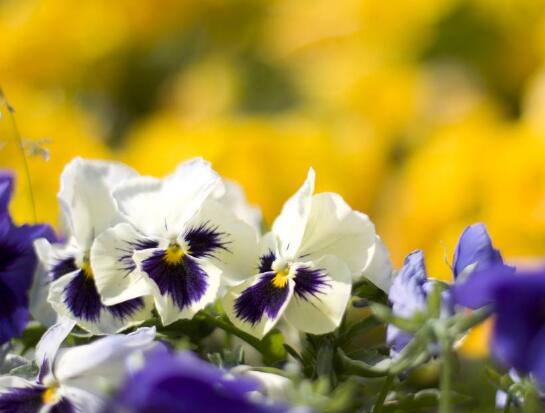
1. Insufficient watering
During the growth process of pansies, watering is an indispensable part. Only by keeping moisture sufficient can they grow better. As for the specific watering methods and frequency, everyone can refer to the article on how to water pansies. The editor will not go into too much detail here.
Note: Although pansies need sufficient moisture during growth, you also cannot water too frequently. It is best to follow the principle of watering when dry, and never allow waterlogging, otherwise it can easily lead to root rot in pansies. Everyone needs to pay attention to this point.
2. Long-term exposure to strong sun
Long-term exposure to strong sun is one of the main causes of yellowing pansy leaves. Although pansies are a light-loving plant, when summer sunlight is too intense, if they are still kept in the sun all day, yellowing leaves easily appear.
Note: When summer sunlight is too intense, we can move the pansies indoors to a semi-shaded place for growing. This not only allows the pansies to receive light, but also prevents the leaves from turning yellow because the sunlight is too strong. Everyone can pay attention to this point.
3. Improper fertilization
Fertilizer is one of the main nutrients during the growth process of pansies, so fertilization must be done regularly. If too little or too frequent fertilization is applied, it can cause pansy leaves to turn yellow. In addition, everyone also needs to pay attention to the fertilization method.
Note: When fertilizing pansies, there are many aspects that need attention, such as the fertilizer applied at different stages, the frequency of fertilization, and the fertilization method, all of which are very important. These points are introduced in detail in the article on how to fertilize pansies. Everyone can take a look.
4. Pests and diseases appear
When growing pansies, if they are grown improperly, it can also cause pansy leaves to turn yellow. Diseases such as scab, damping-off, aphids, and slugs are all relatively common pests and diseases of pansies. When they appear, we must deal with them promptly. If the matter drags on too long, it becomes very difficult to cure completely.
Note: When pests and diseases appear on pansies, we first need to distinguish which pest or disease has appeared based on the symptoms, and then treat it in a targeted way. For specific treatment methods, everyone can refer to the article on pest and disease prevention and control for pansies. The editor will not go into too much detail here.
What to do when pansies have insects: pest and disease prevention and control for pansies / this method is the most direct
Pansies are a highly ornamental plant, and they can be seen in many gardens in our country. However, if this beautiful flower suffers from pests and diseases, it will still affect its overall beauty. So what should you do when pansies have insects? How should pest and disease prevention and control for pansies be done? Below, the editor will walk everyone through it.
I. What to do when pansies have insects / spray with pesticide
If you want to know what to do when pansies have insects, first we need to know what kind of insect it is, so that we can deal with it in a targeted way. The most direct method for dealing with pests is to use pesticide spray, but the pesticide used for each kind of pest is different. This point is introduced in detail below. Let's take a look.
II. Pest and disease prevention and control for pansies
Pests
1. Slug pest
The slug is a very small pest, somewhat like a snail without a shell. Its peak period is around May to July each year, so special attention must be paid at this time every year. This pest mainly feeds on pansy leaves, and the leaves will be bitten with many small holes, which greatly affects their beauty. If not dealt with for a long time, it may also cause the leaves to fall off early.
Control method: When dealing with this pest, we can use 3% lime water or 100 times diluted ammonia water and spray it directly on the pansies with insects. This can directly and effectively eliminate this pest.
2. Aphid pest
In pest and disease prevention and control for pansies, aphids are a relatively common pest. They gradually suck the sap from the plant's leaves and stems, ultimately causing the plant to wither and die.
Control method: When dealing with this pest, we can choose 5 g of cigarette butts plus 75 ml of water, soak for 24 hours, and then spray directly to kill the pest.
3. Red spider mite pest
The high-risk period for the red spider mite pest is from June to July each year. This pest mainly feeds on the sap in pansy leaves, causing pansies to gradually lose nutrients and then wither and turn yellow.
Control method: When dealing with this pest, we can choose to use 3000-5000 times diluted Wute solution to spray and kill the pest.
Diseases
1. Seedling damping-off disease
In pest and disease prevention and control for pansies, seedling damping-off disease is extremely harmful. As its name suggests, this plant disease mainly harms pansy seedlings, causing the seedlings to begin rotting from the surface. As time goes on, it causes the entire seedling to wither and die directly.
Control method: When preventing and controlling this disease, we can choose to use 1:1:200 diluted Bordeaux mixture to spray and treat the seedlings. It needs to be sprayed once every 10-15 days, and generally after 1-2 times they can recover.
2. Scab disease
Scab disease mainly harms the tender leaves of pansies. In the early stage of the disease, some soaked-looking diseased spots appear on the leaves, and as time goes on these spots gradually spread, ultimately causing the plant to wither and die.
Control method: When preventing and controlling scab disease, it is best to do it in the early stage. If it drags on too long, it becomes very difficult to deal with. When preventing and controlling it, we can choose to use 50% Thiophanate wettable powder 600-800 times diluted solution to sterilize and treat pansies.
How to water pansies: watering methods and precautions for pansies / control the amount of watering
During the process of growing pansies, there are many places that need attention, among which watering is an indispensable part, and the water requirements of pansies are also different in each season. So how should pansies be watered? What are the watering methods and precautions for pansies? Below, the editor will walk everyone through it.
I. How to water pansies
Regarding the question of how to water pansies, there are many things to pay attention to. Pansies prefer a moist environment, so when growing them you should water frequently. However, this plant is not very tolerant of waterlogging, so when watering it is best not to cause water accumulation, otherwise root rot easily appears. Everyone should remember this point.
1. Watering in spring
When watering pansies in spring, we can control the frequency at once every 3-4 days, which is more beneficial to their growth. However, spring is a rainy season. If it has been raining often recently, then the watering frequency needs to be reduced somewhat.
2. Watering in summer
Regarding how to water pansies in summer, the most important thing is still to increase the watering frequency. Summer is the hottest season of the year, and sunlight is also relatively strong, so water evaporates relatively quickly. Therefore, in summer we must water frequently. The watering frequency is generally once a day, and the watering time is best chosen in the morning or evening.
3. Watering in autumn
Autumn temperatures are similar to spring, and both are relatively suitable seasons for pansies. However, there is one difference between these two seasons: the autumn climate is relatively dry, so compared with spring we need to increase the watering frequency for pansies. Generally, watering is needed once every 2-3 days. If the potting soil dries out too quickly, this frequency can be increased further.
4. Watering in winter
Many plants enter dormancy or semi-dormancy in winter, and pansies are no exception. Regarding how to water pansies in winter, the most important thing is still to reduce the amount of watering and the watering frequency, because winter weather is relatively cold. If watering is too frequent, it can easily freeze and damage the plant, so we can control the watering frequency at once every 7-10 days.
II. Watering methods and precautions for pansies
The watering method for pansies is very simple. First, we can prepare a spray bottle, then spray water onto the soil. The amount of water applied this way will be relatively even. After the soil has a certain degree of moisture, we need to stop watering to avoid water accumulation. Wait until the soil is nearly dry before watering again.