Watering method and timing for Zinnia: the stronger the light, the more you water
When it comes to zinnias, many people have probably heard of them. Although it is an herbaceous plant, it can produce extremely beautiful and vivid flowers, and because zinnias are very easy to grow, more and more people are starting to grow them in pots at home. But during the growing process, many flower lovers run into problems when watering, and they do not know how to water zinnias? When should zinnias be watered? For this, let the editor explain it to you.
I. How to water zinnias, timing/method
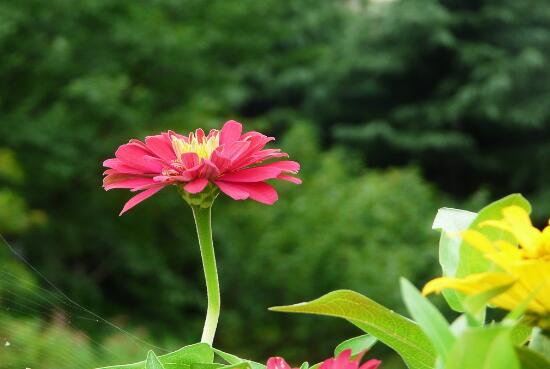
Watering is a field of knowledge, especially watering zinnias, which is very troublesome, because watering them requires looking not only at the soil but also at the external environment, such as light. Zinnias are not afraid of strong direct light, so under strong sun they need more watering, and in shady places watering should be reduced. So for how to water zinnias, you need to seize the right moment and master the method. For exactly how to do it, let us continue reading below.
II. When should zinnias be watered
How to water zinnias: first, seize the right moment, which means knowing when zinnias should be watered. In different environments, the number of waterings and the amount used are all different. And this requires us to judge for ourselves. The following are 3 methods for judging whether zinnias should be watered, with specific steps as follows:
1. Tap the pot: For when zinnias should be watered, the simplest way is to tap the pot. Specific method: lightly tap the flower pot at the 1/3 point with your finger. A relatively crisp sound means there is plenty of water in the soil, while a dull sound means the pot is dry, and at this point it needs watering.
2. Weigh by hand: If you are very sensitive to weight, before watering zinnias you can lift the flower pot and feel its weight. If it feels lighter, then it should be watered at this point. Of course, this weighing by hand also requires a process, otherwise mistakes are easy to make.
3. Probe the soil: How to judge whether zinnias should be watered? Besides the two methods above, the simplest and most direct way is to probe the soil. Specific method: flower lovers can insert a finger into the 1/3 point of the potting soil and feel it. If it is moist, do not water; if it is dry, or even so dry that a finger cannot be inserted, then it should be watered!
III. Watering methods for zinnias
Zinnias have extremely strong adaptability, and watering them actually has no fixed rule. Besides looking at the soil before watering, we can only decide based on combining their growth habits with the actual situation. Below, the editor will teach everyone how to water zinnias from 3 different angles, as follows:
1. Water according to light
In the growing methods for zinnias, it was once said that they like light and are not afraid of strong direct light. So in places with particularly strong light, the water in potted zinnias evaporates very quickly, and at this time we should water a moderate amount more.
However, if we place zinnias in a place with insufficient light, soil moisture will evaporate very slowly, and at this time watering should be reduced. If you still water heavily, it may very likely affect the development of its root system, causing it to grow leggy. So watering too much is one of the reasons zinnias grow leggy.
2. Water less during the seedling stage
If the propagation method chosen for zinnias is sowing, then during its seedling stage you should water as little as possible, as only this can promote robust growth of its seedlings. Then, just keep the soil at an appropriate moisture level (50-60%), and by no means make it too moist, otherwise root rot is very likely to occur.
3. Water more when transplanting
During the seedling stage of zinnias, we need to water less, but when transplanting zinnias, everyone should pay attention: at this time we must water thoroughly, as only this way can more water and nutrients be absorbed, ensuring its growth.
How to water zinnias
Water according to habits
First, let the editor introduce the growth habits of zinnias to everyone. This is something that must be understood no matter what kind of flower you grow! Zinnias like a warm climate and plenty of sunlight. They cannot stand severe cold and likewise cannot stand intense heat, but they have good adaptability to drought and poor soil and very strong vitality. Their roots go deep and their stems are very hard, so they will not easily fall over. Although they are not picky about soil, they grow best in fertile, deep soil. In addition, their temperature requirement for growth is between 15°C and 30°C.
Controlling water amount
Actually, how to water is truly hard to decide. Too much water and the roots will rot, but too little water is definitely also not okay. The editor tells everyone that there is no standard measuring criterion for watering zinnias; we can only decide based on combining their growth habits with the actual situation.
Water according to light
In places with particularly strong light, water also evaporates especially quickly, so you can water a moderate amount more. But if zinnias are placed in a place with insufficient light, the soil will evaporate moisture very slowly, and at this time watering must be reduced. If you still water heavily, it may very likely affect the development of its root system, causing it to grow leggy.
Watering during the seedling stage
When choosing the sowing method to grow zinnias, during its seedling stage you should water as little as possible, as only this can promote robust growth of its seedlings. Afterward, just keep the soil moisture between 50%-60%, and by no means make it too moist, otherwise root rot is very likely to occur.
Water more when transplanting
When transplanting zinnias, pay attention: at this time you must water thoroughly, as only this way can more water and nutrients be absorbed, ensuring its growth.
The above is the relevant content of today's topic. Wishing all flower lovers' zinnias grow better and better, and more and more beautiful!
What to do if zinnias grow leggy: reducing watering, increasing light, and fertilizing appropriately are key
Zinnias, because after blooming each petal is higher than the one below, are also called step-by-step high by people. Whenever zinnias bloom, their beautiful and peculiar flower shape, brilliant flower colors, and sturdy plant form all make people love them endlessly. But the one flaw is that if care is improper, leggy growth easily occurs. So what should be done if zinnias grow leggy? Next, the editor will tell everyone the causes and solutions.
I. What to do if zinnias grow leggy: find the cause
Zinnias like light and are not afraid of strong light. In summer, because water evaporates quickly, we need to water zinnias every day. But in the later stage of zinnia seedling growth, if we still water every day and they lack light, they easily grow leggy. So what should be done if zinnias grow leggy? Light, watering, fertilizing, and pinching are the main factors in zinnias growing leggy. For specific symptoms and solutions, let us continue reading below.
II. Causes of leggy growth in zinnias and solutions
1. Insufficient light
Zinnias, a plant with a very high light requirement. In the article on when zinnias bloom, we also learned that by adjusting the light duration, the flowering period can also be changed, making it earlier or later. And in the later seedling stage, zinnias grow very quickly. At this time, if light is insufficient, leggy growth is very likely to occur.
Solution: What to do if zinnias grow leggy? If it is caused by insufficient light, then at this time we should increase light. After the sun comes out in the early morning, everyone should move the zinnia seedlings to a place with sufficient light until the sun sets. After a period of time, the leggy growth phenomenon can stop.
2. Too much watering
In the watering methods for zinnias, it was once said that watering should depend on light. If light is strong, water evaporates quickly, and at this time more watering is needed; if light is insufficient, water in the pot evaporates relatively slowly, and we should water less. If at this time everyone still continues to water heavily, it will affect the root respiration of zinnias and cause leggy growth.
Solution: If the leggy growth of zinnias is caused by too much watering, watering should be paused and the pot moved under strong sun to let the water evaporate quickly. Afterward, water zinnias according to the correct watering method, as only this can avoid the occurrence of leggy growth.
3. Imbalanced nutrients
Zinnias like fertilizer, and sufficient nutrients can let zinnia seedlings grown from seed develop into robust plants. But nutrients must be balanced, otherwise leggy growth or other poor growth conditions easily occur.
Solution: When fertilizing, the amount of phosphorus and potassium fertilizer can be increased, and the proportion of nitrogen fertilizer reduced, to achieve a balanced nutrient ratio.
4. Too much fertilizer
In the sowing propagation of zinnias, we once said that when sowing, a small amount of fertilizer should be applied in the substrate, and phosphorus, potassium, or nitrogen fertilizer are all acceptable. However, if at this time everyone uses too much nitrogen fertilizer, it will cause the growth rate in the later seedling stage to exceed the normal level, resulting in leggy growth.
Solution: What to do if zinnias grow leggy? If it is caused by too much fertilizer, everyone should water heavily to dilute and flush out the fertilizer, or, if you do not mind the trouble, directly change the potting soil, letting zinnias become fresh again.
5. Untimely pruning
In the growing methods for zinnias, it was once said that everyone should pay attention to pruning, that is, pinching. If pinching is not timely, the phenomenon of leggy plant growth will appear, thus affecting ornamental value.
Solution: When the seedlings grow to about 10 cm, they need to be pinched. Generally, leaving 2-4 pairs of true leaves is enough. The benefit of doing this is that it can prevent zinnias from growing leggy and can also make the plant shape of zinnias look better. As for how to pinch zinnias, there is a detailed introduction earlier, so it will not be repeated here.
Overall, zinnias have strong adaptability, and leggy growth generally rarely occurs. But after all, plants are grown by people, and problems such as improper care are hard to avoid. So in order to grow zinnias more easily, we should keep the above content firmly in mind and prevent and control the occurrence of leggy growth. Regarding leggy growth in zinnias, the editor will stop here, hoping it can help everyone.