Zinnia cultivation methods and precautions: pinching is very important
Zinnia, a very beautiful herbaceous plant, has a long flowering period, rich flower colors, and is extremely easy to grow, so it is welcomed and loved by a large number of flower lovers. In daily life, many flower lovers grow zinnias in pots at home, but many of them do not know how to grow zinnias. In response, the editor has carefully compiled the cultivation methods and precautions for zinnias, which are very comprehensive. Friends who want to grow them must take a look~
I. How to grow zinnias: understand their habits
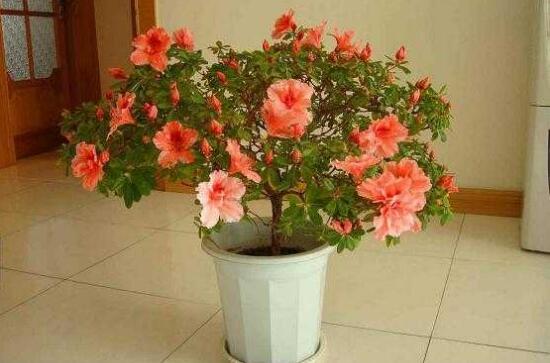
Indoor cultivation is not like growing outdoors; everything needs to be created by yourself, so for how to grow zinnias, we need to create the best growing environment according to their growth habits. In response, the editor will bring you the cultivation methods and precautions for zinnias from the aspects of soil, light, temperature, water, fertilization, pruning, and so on. Let us continue reading below.
II. Cultivation methods and precautions for zinnias
1. Soil
For how to grow potted zinnias, the first thing is naturally choosing soil. Because zinnias have strong vitality and also adapt very well, they do not have high requirements for soil. But if you want to grow zinnias well, it is best to use soil mixed with leaf mold, perlite, and river soil. Of course, ordinary soil is also fine; just fertilize later.
Precautions: Zinnias like a moist environment and need us to water them often, so the soil must be loose and well-drained; otherwise, it is prone to waterlogging, or it is difficult for zinnia roots to absorb water, thereby causing poor plant growth.
2. Light
In the cultivation methods for zinnias, light is indispensable, but we do not need to worry about light at all, because zinnias can directly receive direct sunlight; just let them sunbathe all day. Of course, there is no need to worry about shading; keeping them in sufficient light is necessary.
Precautions: Zinnias need sufficient light. If you find that the spaces between the leaves of the plant are large, this indicates that the light is insufficient and that leggy growth has appeared. At this time, we should supplement the zinnias with light.
3. Temperature
It is understood that zinnias like warmth and sunlight, and are not tolerant of severe summer heat and high temperatures or severe cold, so in the process of growing zinnias, we must pay attention to adjusting the temperature at any time.
Precautions: To grow zinnias well, we need to control the temperature. During the day, keep the temperature at 18-20°C; at night, keep it at 15-16°C. It is worth mentioning that in summer, zinnias grow very rapidly.
4. Watering
For how to grow zinnias, watering is very key. Because zinnias need sufficient light and are not afraid of strong direct light, under these conditions, the water in the pot soil will be lost very quickly, so we need to water them often. If it is summer, we can water the zinnias every day.
Precautions: Zinnias have a high water requirement, so watering cannot be too little, but it also cannot be too much; otherwise, it easily affects plant growth, thereby causing the appearance of yellow zinnia leaves. As for how to control the amount of watering, there is a detailed introduction in the zinnia watering methods, so I will not say more here.
5. Fertilization
Having finished talking about watering, let us then talk about fertilization. For zinnias potted at home, we need to fertilize them in a timely manner; generally, fertilizing once every 1.5 months is enough. As for the fertilizer, a compound fertilizer can be chosen.
Precautions: When fertilizing, first use an appropriate amount of water to dissolve the fertilizer, then pour it into the pot soil, to avoid the fertilization concentration being too high and causing root rot. In addition, when fertilizing, avoid the leaves to prevent burning the leaves.
III. Precautions for growing zinnias
Although there are already quite a few precautions in the zinnia cultivation methods above, to grow zinnias well, there are still many places that flower lovers need to pay attention to. In simple terms, there are also the following two points in the precautions for growing zinnias:
1. Pruning - pinching
In the process of growing zinnias, one point everyone must pay attention to is pinching, because if zinnias are not pinched, it will cause the symptom of few flowers. As for how to pinch zinnias, there is a detailed introduction earlier, so I will not say more here.
2. Pests and diseases
When growing zinnias in pots indoors, it is unavoidable to be troubled by pests and diseases. It is understood that the common diseases of zinnias include white star disease, black spot disease, and mosaic disease. These symptoms all appear on the leaves and seriously affect the ornamental value of the plant. So when pests or diseases are found, pesticide should be sprayed immediately for treatment. As for what pesticide to spray, there is a detailed introduction in the prevention and control of zinnia pests and diseases, so I will not say more here.
How to grow zinnias? Cultivation methods and precautions for zinnias
Zinnia, also known as zinnia, is native to Mexico and is a famous ornamental plant. Because its flowers are gorgeous, it is deeply favored by flower lovers. So, how should zinnias be grown? Next, I will introduce the cultivation methods and precautions for zinnias.
Image: Cultivation methods and precautions for zinnias
I. Cultivation methods for zinnias
1. Temperature
Zinnias like warmth and sunlight, and are not tolerant of severe summer heat and high temperatures or severe cold. The suitable growth temperature is 18-20°C during the day and 15-16°C at night. Growth is especially rapid in summer.
2. Light
A full-sun method can be used directly, with direct sunlight. If sunlight is insufficient, the plant is prone to leggy growth, and its resistance is also weaker; in addition, flowering will also be affected.
3. Watering
Because the light requirement is high, moisture evaporates very easily, so appropriate humidity needs to be maintained often; in summer, watering can be done every day.
4. Fertilization
When planting, apply 2-3 grams of compound fertilizer into the bottom of the pot. After planting, use an 800-fold dilution of Dexon to drench the roots for disinfection. Within 1 week after planting, the pot soil should be kept moist to promote the growth of surface roots. Once the roots grow to the bottom of the pot, topdressing can begin, fertilizing 2-3 times per week (apply water-soluble fertilizer on sunny days, with the concentration controlled within 200 mg/kg; apply granular fertilizer on rainy days at 2-3 grams per pot), and additionally supplement with 1 application of calcium fertilizer.
Image: Cultivation methods and precautions for zinnias
II. Precautions for growing zinnias
1. Plant shaping
If zinnias are not pinched, the plant will have too few side branches and also few flowers. Proper pinching can promote plant dwarfing and increase the number of flowers. When the seedlings grow to 4 leaves, plant them and pinch them to promote lower branches and form a better plant shape. Begin pinching one week after planting, keeping 4 pairs of true leaves, and decide whether to pinch again according to plant growth and branching. During the flowering period, continue to apply phosphorus and potassium fertilizers such as monopotassium phosphate to promote the continuous emergence of flower heads. After the flowers fade, promptly cut off the withered flower heads to reduce nutrient loss.
2. Pest and disease control
Common diseases of zinnias: white star disease, black spot disease, mosaic disease
In addition, zinnias also need to be guarded against leggy growth. Zinnia seedlings are very prone to leggy growth during the growing period. Pay attention to lowering the temperature, carrying out pinching, and watering less.
The above is an introduction to the cultivation methods and precautions for zinnias. Due to differences in the climate of the place of origin, growing zinnias in our country requires extra attention. I hope everyone can grow beautiful zinnias well.
How to plant zinnias? Cultivation methods and precautions for zinnias
Image: Zinnia
[Common questions] How to plant zinnias? Cultivation methods and precautions for zinnias
[Expert answer]
1. Temperature: Zinnias like a warm environment and are generally suitable for growing at around 15-23°C; early summer is the peak growth period.
2. Light: The duration of sunlight is related to later leggy growth in zinnias. If sunlight is less than 10 hours, the plant's stems are relatively fragile and therefore prone to disease.
3. Water: The sunlight duration requirement is relatively long, so the water requirement is also very high. Basically, watering is needed every day; in summer, the soil should be kept moist. Only in this way can good flowering be ensured.
4. Preventing leggy growth: So-called leggy growth means growth is not affected, but the flowering period is restricted. First, the temperature can be appropriately lowered, and then fertilizer can be applied. After the flower center begins to grow out, it can be removed to promote the transfer of growth hormones. This is also a way to limit height.
5. Shaping: The number and size of zinnia flowers are related to whether pinching is done. Proper pinching can dwarf the plant and also greatly increase the number of flowers. Generally, the pinching period is when the plant has grown about 4 true leaves; planting and pinching can be carried out. After flowering, remove the flower heads promptly to ensure the preparation of buds for flowering the following year.
6. Pest and disease control: Generally, zinnia diseases are mainly white star disease and black spot disease, usually caused by bacterial or fungal infection leading to spots on the leaves. The solution is to minimize continuous cropping, then ensure sufficient fertilizer, and disinfect and sterilize before sowing seeds to avoid the growth of parasites. If the diseased plant is a mature plant, then the diseased parts can be cut off, and then pesticides can be used as an aid. Generally, white star disease appears as small brown spots on the leaves, and after a long time there will be dark green rotting matter. Black spot disease is mainly rot; it is likely to develop at the seedling stage, with many small black spots that gradually spread. Mosaic disease, on the other hand, is non-artificial dwarfing of the plant and affects both the color and form of the flowers. It is generally caused by aphids.
[Editor's comments] Zinnias are very beautiful for decorating the home and make people feel refreshed. Many friends are asking how to care for zinnias. Above, the editor of First Agricultural Economics has given you a detailed introduction. In addition to paying more attention to the above points, tall varieties of zinnias are also very prone to lodging, so remember not to pinch during the seedling growth period. This can reduce the height, and after setting up supports, help them grow.