How to grow canna lilies? Master the cultivation methods and precautions, and water flexibly
Canna lily is a non-toxic plant with extremely high ornamental value, so more and more people are growing it. However, many flower lovers find that the canna lilies they grow are not only difficult to bloom but even have yellow leaves and weak stems. So how exactly should canna lilies be grown to look their best? Let's take a look at the correct canna lily cultivation methods and precautions.
How to grow canna lilies
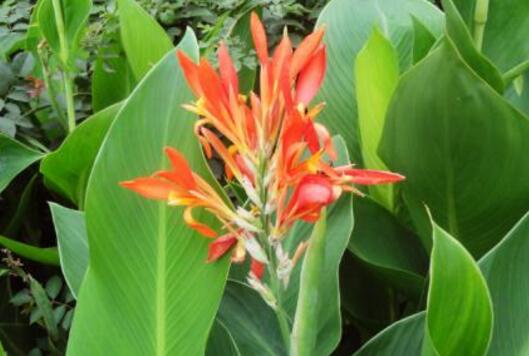
Many people fail to grow canna lilies well because they do not understand its growth habits. So before figuring out how to grow canna lilies, we should first familiarize ourselves with its preferences. Canna lily prefers a warm and humid climate, with an ideal temperature of 25-30 degrees, and has weak cold tolerance.
In addition, canna lily prefers fertile and loose soil; it has relatively high light requirements and likes plenty of sunlight as base fertilizer; it can tolerate a certain amount of moisture but dislikes waterlogging; it is rather afraid of strong winds but likes a well-ventilated environment. The correct canna lily cultivation methods and precautions are based on these growth habits.
Canna lily cultivation methods and precautions
1. What soil is suitable for canna lilies
It does not have high soil requirements, but if conditions allow, you can choose fertile, loose, well-drained sandy soil, for example, a mix of leaf mold, garden soil, and rice husk ash at a ratio of 33%, 50%, and 17%, which can make canna lilies bloom more brilliantly.
Precautions: No matter what kind of soil you choose, be sure to sterilize the soil. The method is to expose it to sunlight; high temperatures can kill most pathogens.
2. Canna lily growth temperature
Although its optimal growing temperature is 25-30 degrees, most people cannot maintain this temperature at all times. So under normal circumstances, we only need to ensure the temperature is above 15 degrees and below 30 degrees, and in winter the temperature should be kept above 10 degrees.
Precautions: If the temperature is below 10 degrees or above 40 degrees, the canna lily should be moved to a different environment. For example, when the temperature is high, move it to a shady place, and when the temperature is low, provide insulation.
3. Light requirements
Normal growth of canna lilies requires at least 5 hours of sufficient light every day, so letting it sunbathe for 5 hours a day can benefit its growth. If there is not enough light, the flowering period will be delayed and it will not bloom.
Precautions: Canna lily has relatively weak shade tolerance. Never plant it in a dark place, otherwise it will cause the plant to wither and die.
4. Fertilization
In canna lily cultivation methods and precautions, apply base fertilizer at the bottom of the pot before planting, fertilize 2-3 times a month during vigorous growth, and apply additional fertilizer before the flowering period to promote blooming.
Precautions: When fertilizing, pay attention to nutritional balance. If there is too much nitrogen fertilizer, the leaves will become thick and fleshy; if too much ferrous sulfate is applied, the leaf edges will scorch. Both should be avoided as much as possible.
5. Watering
From the seedling stage onward, the vigorous growth of canna lilies depends on watering. Watering should be neither too frequent nor too lazy. You can choose the watering time according to different growth stages, and the way to judge is whether the soil is moist without waterlogging.
Precautions: Watering is a key factor in growing canna lilies well. The main taboo is letting the plant's roots soak in water each time you water. If this happens, you should check whether the soil drainage is good and whether you are watering too much.
How to grow canna lilies? Cultivation methods and precautions for potted canna lilies
Canna lily, also known as red canna, small-flowered canna, small banana, etc., is a perennial herbaceous plant of the genus Canna in the family Cannaceae. Canna lily is a common flowering ornamental plant in subtropical and tropical regions. Its flowers are large and brightly colored with rich color varieties, and it has high ornamental value, so it is often grown indoors in pots. So how to grow canna lilies? The cultivation methods and precautions for potted canna lilies are introduced below.
Image: Canna lily
1. Cultivation methods for potted canna lilies
1. Use a deep, large pot and loose soil:Canna lily is a tuberous-rooted plant, so the pot should be relatively deep and large; a clay pot with a diameter of 3040 cm can be used. It has strong adaptability and is not picky about soil. It grows best in fertile, loose, well-drained sandy loam. You can mix equal parts leaf mold and garden soil and add a small amount of sand as potting soil. When planting, it should be planted deep, covering with 68 cm of soil. Place a layer of broken hard plastic foam blocks at the bottom of the pot to facilitate air permeability, drainage, and repotting. Replace the pot and soil once every spring.
2. Moderate watering and frequent fertilization:During the growing period of canna lilies, the potting soil should be kept alternately dry and wet. During the rainy season, drain accumulated water at any time to prevent waterlogging. During the dormant period, the potting soil should be kept somewhat dry. It likes fertilizer. Besides adding some bone meal and nitrogen-phosphorus-potassium compound fertilizer to the potting soil when potting, apply nitrogen-phosphorus-potassium compound fertilizer once about every half month during the growing period. Do not fertilize during flowering; continue fertilizing after the flowers fade. Avoid applying nitrogen fertilizer alone, otherwise there will be many leaves and few flowers. Do not fertilize during the dormant period.
Image: Canna lily
3. Likes light and warmth, afraid of cold:Canna lily is a shade-loving flower native to the tropics. It should be placed in a well-ventilated, sunny courtyard, rooftop garden, or west-facing balcony. In this way, not only will the tubers be large and produce many tillers, but the flowers will also be numerous and brightly colored. If placed in a shady area, the plant will be tall with few flowers and pale color, or even no flowers at all. It is afraid of frost and freezing. After frost descends, cut off all the withered and scorched yellow leaves, and place an empty flower pot upside down over the pot. South of the Yangtze River, it can overwinter safely outdoors; north of the Yangtze River, it needs to overwinter indoors. Prune the flower stems in time. For potted canna lilies, after the flowers fade, promptly cut off the flower stems from the lower part of the stem level with the soil surface, and fertilize to encourage new stems to sprout from the base of the stem. After 1.5 to 2 months, it can bloom again. In this way, from late May to October, it can bloom 34 times, always maintaining beautiful flowers and leaves.
4. Division propagation is easy to survive:In spring, along with repotting and changing the soil, pour out the tubers and cut them into several pieces with a sharp knife. Each piece must have at least 23 buds. Coat the cuts with sulfur powder or plant ash, then plant them separately in pots. You can also breed seeds after flowering and sow them for propagation the following spring.
Image: Canna lily
2. Precautions for potted canna lily cultivation
1. Ensure light:During the growing period, canna lilies require sufficient light. Make sure they receive at least 5 hours of direct sunlight every day.
2. Pay attention to controlling fertilizer amount:Potted canna lilies sometimes develop symptoms of scorched and yellowing leaf edges, mainly caused by applying too much ferrous sulfate. If fertilizer is applied too concentratedly during the hottest part of summer, it will burn the rhizomes of the canna lily and “burn it to death.” During the flowering period and overwintering period of canna lilies, stop fertilizing.
3. Never water with water that is too cold in summer:In the hot summer, if the water used for watering is too cold, it can also cause scorched leaf edges.
4. Prune promptly after flowers fade:When the flowers at the end of the stem fade, the stem branches should be cut off from the base at any time so as to sprout new buds and grow flower branches that bloom one after another.
[Editor's Conclusion]Canna lily likes a warm and sunny environment and is not cold-tolerant, so special attention is needed during cultivation. The above introduces the cultivation methods and precautions for potted canna lilies, hoping to help everyone!
Canna lily cultivation methods and precautions
Canna lily cultivation methods
Light
Canna lilies grow best in full sun. If the environment is too dark and light is insufficient, the flowering period will be delayed. If placed in a cool place while flowering, the flowering period can be extended.
Temperature
The suitable growth temperature for canna lilies is 15°C-30°C. When flowering, placing canna lilies in a low-temperature, unlit place can extend the flowering period. The ambient temperature must not be lower than 10°C.
When the temperature is as high as above 40°C, canna lilies can be moved to a ventilated and cool place. Around the time of frost descent, potted canna lilies can be moved to a place at 5-10°C to overwinter safely.
Watering
During the growing period, canna lilies need to be misted on the leaf surface 1-2 times a day to maintain humidity.
Because canna lilies greatly like fertilizer and tolerate moisture, the pot should be watered thoroughly, and the number of waterings should be controlled according to actual conditions.
Fertilization
Apply sufficient base fertilizer before planting. In addition, during the vigorous growth period, apply additional fertilizer 3-4 times each month.
Soil
Canna lilies do not have high soil requirements, but they grow best in loose, fertile, well-drained sandy loam. Fertile clay soil is also acceptable.
Precautions when cultivating canna lilies
Ensure light
During the growing period, canna lilies require sufficient light. Make sure they receive at least 5 hours of direct sunlight every day.
Pay attention to controlling fertilizer amount
Potted canna lilies sometimes develop symptoms of scorched and yellowing leaf edges, mainly caused by applying too much ferrous sulfate.
If fertilizer is applied too concentratedly during the hottest part of summer, it will burn the rhizomes of the canna lily and "burn it to death."
During the flowering period and overwintering period of canna lilies, stop fertilizing.
Never water with water that is too cold in summer
In the hot summer, if the water used for watering is too cold, it can also cause scorched leaf edges.
Prune promptly after flowers fade
When the flowers at the end of the stem fade, the stem branches should be cut off from the base at any time so as to sprout new buds and grow flower branches that bloom one after another.