How to grow mosquito repellent plant? Cultivation methods and precautions, better effect at higher temperatures
Every summer, people always get bitten by mosquitoes, often ending up covered in bumps. At this time, some people buy mosquito repellent products, while others grow mosquito repellent plants, and the mosquito repellent plant is the most common one, available at any flower shop. So how do you grow a mosquito repellent plant? For this, the editor has carefully compiled the cultivation methods and precautions for the mosquito repellent plant, very detailed, so friends who want to grow it must take a look~
I. How to grow mosquito repellent plant, create the environment
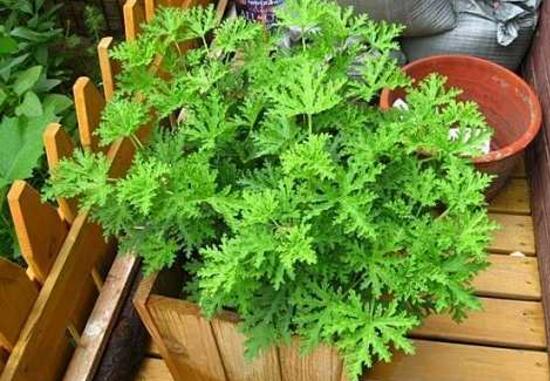
In the summer when mosquitoes break out, growing a pot of mosquito repellent plant is definitely a good choice. It not only looks beautiful, but also has an excellent mosquito repellent effect. As for how to grow a mosquito repellent plant, we need to create the soil, light, water and fertilizer, temperature and other conditions it needs. The specific requirements are all in the cultivation methods and precautions for the mosquito repellent plant, let's continue reading.
II. Cultivation methods and precautions for the mosquito repellent plant
1. Soil, slightly acidic
How to grow a potted mosquito repellent plant? First you must choose the soil well. According to the growth habits of the mosquito repellent plant, to grow it well, it is best to prepare loose, fertile, slightly acidic soil. The editor recommends: a nutrient soil mixed with 6 parts peat soil, 1.5 parts vermiculite, 1.5 parts perlite, and 1 part coal ash.
Precautions: During the seedling stage of the mosquito repellent plant, it grows very fast, so we need to repot frequently. Within 6 months, use the soil above; after 6 months, the plant is extremely adaptable and can use any soil. Two
2. Light, shade in summer
In the cultivation methods for the mosquito repellent plant, light is very important. It is understood that the mosquito repellent plant likes light, needs sufficient sunshine for growth, and light has a good effect on its development.
Precautions: Although the mosquito repellent plant likes light, it is not tolerant of strong light, so shade must be strengthened in summer, and it is enough to grow it indoors in a shaded spot.
3. Temperature, 10-25°C
How to grow a mosquito repellent plant? Temperature is something you must pay attention to, because the higher the temperature, the stronger the fragrance the mosquito repellent plant gives off, which can make the mosquito repellent effect better. It can overwinter safely above 0°C, and above 15°C it can normally give off a lemon fragrance.
Precautions: In an environment of 10-25°C, the mosquito repellent plant grows best; temperatures below 6°C and above 32°C are unfavorable for growth.
4. Watering, alternate dry and wet
Watering is a step that must be done when growing plants. When watering the mosquito repellent plant, we should follow the principle of alternate dry and wet. Simply put, it means waiting until the entire potting soil is basically dry before watering, and water thoroughly - dry thoroughly, water thoroughly, that is, alternating dry and wet. Ps: For home cultivation, you can also apply a small amount of cake fertilizer and rice water, etc.
Precautions: In summer high temperatures, water less, which is beneficial for well-developed roots and improving disease resistance. In addition, water once after each repotting.
5. Fertilizing, once every 15 days
Having covered watering, let's talk about fertilizing. After the mosquito repellent plant has recovered from transplanting for 10 days, we start fertilizing. Spring and autumn are the vigorous growth periods of the plant, and you can alternately apply 20:10:20 and 14:0:14 water-soluble compound fertilizer at 200ppm solution every 15 days.
III. Cultivation precautions for the mosquito repellent plant
Although there are already quite a few precautions in the cultivation methods for the mosquito repellent plant above, to grow it well there are still many things flower lovers need to pay attention to. The cultivation precautions for the mosquito repellent plant, simply put, include 2 more points: repotting and pests and diseases, as follows:
1. Repotting
During the seedling stage of the mosquito repellent plant, it grows relatively fast. Within 6 months, we should frequently change the potting soil. After 6 months, the plant is extremely adaptable, and generally the soil in the pot should be changed once a year, so that the mosquito repellent plant will not die because the soil has no nutrients.
2. Pests and diseases
Although the mosquito repellent plant is easy to grow, once mismanaged, it can easily cause diseases such as root rot or stem and leaf rot, followed by leaf shrinkage, black spots appearing, and then the whole plant shrinking. At this time, we need to find out which pest or disease is causing it, and then solve it accordingly. This is described in detail in the pest and disease control for the mosquito repellent plant, so I won't say more here.
How to grow mosquito repellent plant, cultivation methods and precautions for the mosquito repellent plant
The mosquito repellent plant is a green plant with a natural fragrance. Growing it indoors normally has the effect of repelling mosquitoes, and it can also purify the air and beautify the environment. But how should this beautiful mosquito repellent plant be grown? In a moment the editor will write out the cultivation methods for the mosquito repellent plant, and after reading them everyone will be able to learn.
How to grow mosquito repellent plant1. Growth habits of the mosquito repellent plant
The mosquito repellent plant likes to grow in a mild, refreshing environment. It fears severe cold in winter and high temperatures in summer. It is mostly planted in spring and autumn. In early spring, when the temperature reaches 20 degrees, it can sprout and take root in about a month, and then they are divided and planted into different flower pots. After dividing, they should be placed in a cool place to recover, and after seven days moved to a normal environment.
2. Soil for growing the mosquito repellent plant
The mosquito repellent plant likes slightly acidic soil. Normally you can choose loose, fertile acidic soil. When preparing the potting soil, you can add fertilizer culture soil, and at the bottom you need to place some crushed hoof pieces as base fertilizer. The mosquito repellent plant grows particularly fast, and needs repotting every year. It is best to repot in spring.
3. Temperature and light for growing the mosquito repellent plant
Normally when growing the mosquito repellent plant, it should be placed in a warm environment, with the lowest not below six degrees and the highest not above 32 degrees. It grows fastest in an environment of around 25 degrees. In addition, the mosquito repellent plant is a plant that likes moisture and water, and normally should be watered once a day, but the flower pot must not be allowed to accumulate water, which is greatly beneficial for rapid root growth. If water accumulates, its roots will rot, and at this time the rotten roots should be cleaned out promptly, otherwise the mosquito repellent plant will die.
How to grow mosquito repellent plant, cultivation methods and precautions for the mosquito repellent plant
Now summer has arrived, and whenever summer comes the mosquitoes come out too. Mosquito control is one of the important tasks of summer. Many people choose to place some plants with mosquito repellent effects at home, and the mosquito repellent plant is one of the common varieties. Currently mosquito repellent plants are sold on the market, but how do you grow a mosquito repellent plant? What are the cultivation methods and precautions for the mosquito repellent plant? Please listen to the editor's explanation below.
Basic information about the mosquito repellent plant
The mosquito repellent plant is also called mosquito repellent scented geranium, transgenic scented geranium, mainly referring to transgenic scented geranium (Pelargonium graveolens). Using transgenic technology, the mosquito repellent gene - the citronellal gene structure - is implanted into the "herb", using its own unique release system as a carrier to release citronellal substances into the air, while also implanting a DNA gene structure containing fresh scent and air-purifying effects, forming a "natural evaporator" that overflows with fragrance to achieve the mosquito repellent effect.
Scented geranium (Pelargonium graveolens) is a perennial herb or shrub-like plant, reaching up to 1 m in height. The stem is upright, 80-90 cm tall, grayish green, woody at the base, fleshy at the upper part, densely covered with glossy soft hairs, fragrant, with very strong vitality. The leaves have long stalks, broadly heart-shaped ovate, 5-7 palmate lobes, the lobes further divided, with serrated edges on the small lobes; the flowers are small, densely borne in small umbels, opposite the leaves. The whole plant can be steam-distilled for aromatic oil, and it is often cultivated as an aromatic plant. Because it has fragrance, it is often grown as a potted ornamental. Native to South Africa.
In fact, there is no such plant as the mosquito repellent plant; it is just a commercial name. The reason it is called "mosquito repellent plant" is that merchants gave it this name to make it sell better.
The various varieties of scented geranium themselves do not have a mosquito repellent effect; only the artificially transgenic scented geranium has this effect.
Propagation methods for the mosquito repellent plant
Usually propagated by sowing and cuttings, and cuttings in spring and autumn take root easily. In early March, sow the seeds into clean fine sandy soil, 3 cm deep. After sowing, wait 4 hours before watering thoroughly, and afterward keep the potting soil moist, not too dry or too wet. In early spring, place it indoors in a warm, bright spot. At a room temperature of about 20°C, it will sprout and take root in about 1 month. Then divide and plant, using ordinary culture soil in a small pot to grow the seedlings. When the seedlings grow strong and white roots emerge from the bottom hole of the pot, use fertilized culture soil with some crushed hoof pieces placed underneath as base fertilizer, and transfer to a chrysanthemum barrel pot for final planting.
Cultivation methods for the mosquito repellent plant
1. Soil
Mosquito net scented herb (mosquito repellent plant) likes neutral to slightly acidic soil, and is generally fertilized once every 15-20 days. When the plant height is 30 cm and it has 40 leaves, the mosquito repellent effect is best, and yellow leaves should be removed at any time. During the seedling stage it grows extremely fast, so during the seedling stage repotting is more frequent. Within 6 months, use a special self-mixed nutrient soil of 6 parts peat soil, 1.5 parts vermiculite, 1.5 parts perlite, and 1 part coal ash, with a pH that is slightly acidic to neutral. You can also buy a prepared commercial foliage plant substrate soil (pH 5.5-7) from the flower market. After six months, the plant is extremely adaptable and can use any soil. The main stem of a two-year-old plant becomes woody, and it can be pruned and shaped freely according to personal preference.
2. Temperature
The most suitable growth temperature for mosquito net scented herb (mosquito repellent plant) is 10-25°C. It can overwinter safely above 0°C, and above 15°C it can normally give off a lemon fragrance. The higher the temperature, the stronger the fragrance given off. Spraying an appropriate amount of water mist on the plant leaves can make the citronellal substances release continuously, thereby making the mosquito repellent effect better.
3. Light
Mosquito net scented herb (mosquito repellent plant) likes shade and is not tolerant of strong light during growth. Especially in summer, shade must be strengthened, and it can be planted under trees or in shaded places. Household potted plants are generally placed indoors in a shaded spot.
4. Water and fertilizer
Water once after each repotting, and start fertilizing 10 days after the plant recovers from transplanting. Spring and autumn are the vigorous growth periods of the plant. Alternately apply 20-10-20 and 14-0-14 water-soluble compound fertilizer at 200ppm solution every 15 days. Watering should follow the principle of alternate dry and wet. In summer high temperatures, water less and do not fertilize, which is beneficial for well-developed roots and improving disease resistance. For home cultivation, you can also apply a small amount of cake fertilizer and rice water, etc.
5. Pests and diseases
Diseases caused by improper management include root rot or stem and leaf rot, followed by leaf shrinkage, black spots appearing, and then the whole plant shrinking. This is caused by too much humidity, too high temperature, and at the same time poor ventilation or too dense seedlings. You can spray fungicides such as chlorothalonil or carbendazim (800 to 1000 times solution). But do not spray frequently.
Cultivation precautions for the mosquito repellent plant
Sudden leaf drop in a short period is often due to too large a temperature fluctuation or insufficient light. Leaves turning yellow and soon falling off are mostly caused by insufficient light and overwatering. This phenomenon also occurs when the winter temperature is too low.
Dry leaf tips or scorched leaf edges are sometimes due to too strong light or dry air, and sometimes caused by excessive fertilizing or dry potting soil. Excessive leggy growth of branches and leaves is mainly due to insufficient light, too much nitrogen fertilizer, and improper watering. It should be moved to a place with light, and the branch shape trimmed.
Yellow spots or brown spots on the leaves that look like water stains may be the result of too forceful watering, with mud splashing onto the leaves and then being exposed to the sun.