How Does Periwinkle Overwinter? Four Tips Including Reducing Watering to Help It Get Through Winter Easily
For most flowering plants, winter is a very difficult period, because the vast majority of plants are not cold-hardy, and periwinkle is no exception. So how does periwinkle overwinter? Below, the editor takes everyone through it.
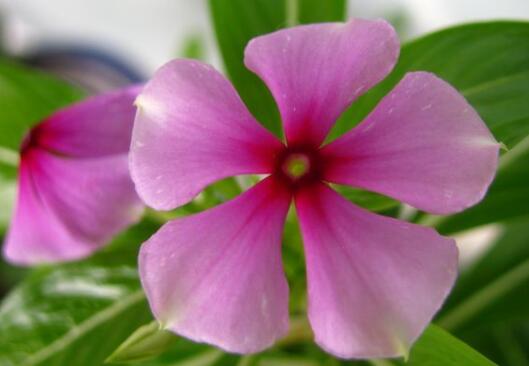
1. How Does Periwinkle Overwinter
1. Clean the Plant
Regarding how periwinkle overwinters, first we need to clean the plant before winter arrives, because if there is too much dust on the plant, it greatly affects its photosynthesis, and if it cannot carry out photosynthesis, the plant is very prone to frost damage.
2. Temperature Control
During the winter cultivation of periwinkle, the ambient temperature must not be too low. The most suitable temperature for periwinkle growth is around 20-33°C, but winter is its dormant period, so generally keeping the temperature above 10°C is enough, which allows it to get through the winter safely.
3. Light Control
Regarding how periwinkle overwinters, light is also a very important point. The outdoor temperature in winter is relatively low, so it is generally grown indoors, but indoors it is hard to receive light, so at noon each day when the temperature rises, it is best to move it outdoors to receive a few hours of light, which can enhance its cold resistance.
4. Watering Control
After entering winter, periwinkle's demand for water is not too high; generally watering once every 15-20 days is enough. Try to keep the potting soil dry, and by no means water too frequently, otherwise the plant is very prone to frost damage.
2. Treating Frost Damage in Periwinkle
When caring for periwinkle in winter, if the periwinkle gets frozen, by no means move it directly to a high temperature to thaw, as this will seriously harm the plant. If it gets frozen, just move the periwinkle indoors and let it thaw naturally. If the leaves are frozen, they can be pruned off in time; as long as the roots are not damaged, it is fine.
Periwinkle Catharanthus roseus (L.) G. Don Periwinkle Illustrated Guide: How to Grow Periwinkle / How to Propagate Periwinkle
Periwinkle ProfilePeriwinkle Catharanthus roseus (L.) G. Don
Periwinkle Cultivation Methods and Precautions An Introduction to Periwinkle
Periwinkle, scientific name: Catharanthus roseus (L.) G. Don, also known as golden marigold, four-season spring, daily new, wild goose head red, thirty-thousand flowers. Taiwan, China has bred multiple cultivars, with the breeding trend toward larger flowers. In terms of Chinese herbal medicine use, the whole plant can be used as medicine to relieve pain, reduce inflammation, aid sleep, relieve constipation and promote urination, etc. Some physicians also include it in compound formulas for treating cancer, as one of the medicinal ingredients, possibly because of the anti-tumor components it possesses. The entire plant is toxic and must be used with caution. After accidental ingestion, it can cause symptoms such as reduced white blood cells, reduced platelets, muscle weakness and paralysis of the limbs. The alkaloids contained in its milky sap, such as vinblastine and vincristine, have been extracted for use as chemotherapy drugs for various cancers such as leukemia and Hodgkin's disease.
Periwinkle is a perennial herbaceous plant. It has many flowers, a long flowering period and luxuriant blooms, flowering continuously from spring to autumn, hence the beautiful name "daily spring". Periwinkle contains more than 70 kinds of alkaloids and is a natural good medicine for preventing and treating cancer. Among them, vinblastine and vincristine have certain therapeutic effects on malignant tumors such as lung cancer, lymphosarcoma and acute leukemia in children, and it is the most widely used anti-cancer plant medicine source internationally.
Morphological Characteristics of Periwinkle
Subshrub, slightly branched, up to 60 cm tall, with watery sap, the whole plant hairless or only slightly hairy; stems nearly square, striped, grayish green; internodes 1-3.5 cm long.
Leaves membranous, obovate-oblong, 3-4 cm long, 1.5-2.5 cm wide, apex rounded, with a short tip, base broadly cuneate to cuneate, gradually narrowed into the petiole; veins flat on the leaf surface, slightly raised on the underside, lateral veins about 8 pairs.
Cymes axillary or terminal, with 2-3 flowers; calyx deeply 5-parted, inner surface without glands or glands inconspicuous, sepals lanceolate or subulate-acuminate, about 3 mm long; corolla red, salverform, corolla tube cylindrical, about 2.6 cm long, sparsely pubescent inside, throat constricted, with bristles; corolla lobes broadly obovate, about 1.5 cm long and wide; stamens inserted on the upper half of the corolla tube, but anthers hidden within the throat, free from the stigma; ovary and disk same as the genus characteristics.
Follicles paired, erect, parallel or slightly divergent, about 2.5 cm long, 3 mm in diameter; exocarp thickly papery, striped, pubescent; seeds black, oblong-cylindrical, truncate at both ends, with granular small tubercles. Flowering and fruiting almost year-round.
Ecological Habits of Periwinkle
It likes high temperature and high humidity, tolerates partial shade, and is not resistant to severe cold. The most suitable temperature is 20℃-33℃. It likes sunlight, avoids wetness and fears waterlogging. It can be cultivated in general soil, but saline-alkali soil is not suitable. Sandy soil or humus-rich soil with good drainage and ventilation is best. Flowering and fruiting almost year-round.
Periwinkle likes a warm, slightly dry and sunny environment. The suitable growth temperature is 18-24℃ from March to July, and 13-18℃ from September to March of the following year, with the winter temperature not lower than 10℃.
Periwinkle avoids wetness and fears waterlogging, so the potting soil should not be watered too much; excessive moisture affects growth and development. Especially for plants overwintering indoors, watering should be strictly controlled, and it is better to keep them dry, otherwise they are very prone to frost damage. For open-field cultivation, during heavy summer showers, pay attention to timely drainage to avoid waterlogging causing the entire patch to die.
Periwinkle is a light-loving plant. During the growth period it must have sufficient sunlight, so that the leaves are verdant and glossy and the flower colors are bright. If grown in shade for a long time, the leaves turn yellow and fall off.
It is suitable for fertile and well-drained loam, and tolerates poor soil, but must absolutely avoid alkaline soil. In compacted, poorly aerated clay soil, the plant grows poorly, the leaves turn yellow and it does not bloom.
Periwinkle Cultivation Techniques Transplanting/Potting
For those raised in plug trays, they should be transplanted into pots when they grow to 2-3 pairs of true leaves. Use 12 cm caliber nutritional pots, potting them in place in one go, without another repotting. If sowing and raising seedlings in open seedling trays by broadcasting, it is best to transplant the seedlings once into 72- or 128-cell trays at 1-2 pairs of true leaves, and then transplant them into pots.
Light Regulation
Periwinkle is a sun-loving plant. Both growth and flowering require sufficient sunlight, and sufficient light also helps prevent the plant from becoming leggy. In winter, insufficient sunlight and lower temperatures are unfavorable for growth.
Temperature Control
Periwinkle is relatively sensitive to low temperatures, so temperature control is very important. In the Yangtze River basin, protected cultivation must be used in winter. It stops growing below 15℃ and suffers frost damage below 5℃. Because periwinkle is relatively tolerant of high temperatures, it is often used in summer and during high-temperature seasons such as National Day in the Yangtze River basin and South China.
Water and Fertilizer Management
Periwinkle plants rot easily after rain, so in places with a lot of rainfall, greenhouse cultivation is needed, and the medium must have good drainage. For fully artificial cultivation, fertilization should use 20-10-20 and 14-0-14 water-soluble fertilizers, applied alternately once every 7-10 days at a concentration of 200-250 ppm. When the winter temperature is relatively low, reduce the use of 20-10-20 fertilizer. If ordinary soil is used as the medium, compound fertilizer can be mixed in an appropriate amount as a base fertilizer before potting the medium. When fertility is insufficient, topdress with water-soluble fertilizer.
Cultivation Management
In addition to normal fertilizer and water management, the key points for periwinkle are pinching and the prevention and control of stem and leaf rot during the rainy season. The purpose of pinching is to promote branching and control the flowering period. Generally, pinching begins at 4-6 true leaves (8-10 cm). When the new shoots grow 4-6 leaves (15-20 days after the first pinching), carry out the second pinching. It is best not to pinch more than 3 times (more than 3 pinchings will affect flower quality). The last pinching of periwinkle directly affects the flowering period. Generally, the last pinching in autumn (for National Day flowers) is 25 days before the initial flowering period, and the last pinching in summer is 3-5 days earlier than in autumn.
Periwinkle can be left unpinched, but in order to obtain a good plant shape, it needs to be pinched once or twice. The first time is at 3-4 pairs of true leaves; the second time, leave 1-2 pairs of true leaves on the new branches. Periwinkle is a perennial herbaceous plant, so if the finished product cannot be sold, it can be pruned again, and when a customer needs it, it can be grown to the ideal height and plant shape. During cultivation, regulators can generally be used, but paclobutrazol must not be applied.
Periwinkle Cultivation Methods
When the seedlings have 3 pairs of true leaves, transplant them into 10 cm pots, 3 plants per pot. When the seedlings are 7-8 cm tall, pinch once, and pinch 2 more times afterward, to promote more branching and more flowering. During the growth period, fertilize once every half month or use special fertilizer for pot flowers. For potted plants or flower beds planted out in the ground, flowering lasts from late May to early November, more than 5 months. During the flowering period, remove spent flowers at any time, so that the spent flowers do not mold and affect plant growth and ornamental value. August to October is the periwinkle seed collection period; collect as they ripen, so that the seeds are not lost.
In routine management, also pay attention to ensuring the plant receives sufficient light; being in shade for a long time with insufficient light will cause the leaves to turn yellow. If the soil is alkaline, compacted, poorly permeable and poorly aerated, it will also cause poor plant growth, yellow leaves and no flowering. In winter, move it indoors, keep the room temperature above 5 degrees, and control watering, keeping the potting soil on the dry side. If the room temperature is kept around 15-20 degrees, it can continue to bloom continuously. After spring begins, it can be moved outdoors for management. Periwinkle generally needs repotting once every two years of cultivation.
The fruit ripening period of periwinkle is September-October. The fruits mature successively, and the fruit shells crack easily, so they must be collected in time. Periwinkle propagation mostly uses sowing. Sowing is generally carried out in early April, either in the open field or in pots. In addition, in spring, tender branches from old plants can be taken for cutting propagation; after they survive, pinch the tops to promote more branching.
Generally, pinching begins at 4-6 true leaves (8-10 cm). When the new shoots grow 4-6 leaves (15-20 days after the first pinching), carry out the second pinching. It is best not to pinch more than 3 times (more than 3 pinchings will affect flower quality). The purpose of pinching is to promote branching and control the flowering period. The last pinching of periwinkle directly affects the flowering period. Generally, the last pinching in autumn is 25 days before the initial flowering period, and the last pinching in summer is 3-5 days earlier than in autumn.
Periwinkle Propagation Methods
Sowing, cutting and propagation are commonly used. In the Yangtze River basin and to the north, sowing is usually in mid-April, with an optimum germination temperature of 20-25℃, and transplanting when the seedlings have 3 pairs of true leaves. Management is simple, with no special requirements, but water accumulation should be avoided. During the growth period, pinching can be done 1-3 times.
Sowing Propagation
Sow in spring in April. Periwinkle has 750 seeds per gram, and the optimum germination temperature is 18-24℃. Use a sowing tray filled with a mixed soil of sterilized leaf mold, culture soil and fine sand; germination occurs 14-21 days after sowing. After emergence, at noon when the light is strong and the temperature is high, shade for 2-3 hours. When the seedlings are 5 cm tall and have 3 pairs of true leaves, they can be potted.
Cutting Propagation
In spring or early summer, cut tender branches 8-10 cm long, remove the lower leaves, keep 2-3 pairs of leaves at the top, insert them into a sand bed or leaf mold, keep the cutting medium slightly moist, at a room temperature of 20-24℃; they root 15-20 days after cutting.
Tissue Culture Propagation
Use shoot tips as explants. After sterilization, cut the shoot tips into several segments, each 0.4-0.6 cm, and inoculate them on MS medium supplemented with 6-benzylaminopurine 5 mg/L and naphthaleneacetic acid 0.2 mg/L. After 1 month of culture, adventitious buds grow. Then transfer them to 1/2 MS medium with kinetin 0.2 mg/L and indoleacetic acid 2 mg/L added; after half a month, white roots begin to grow, becoming complete plants.
Periwinkle is mostly raised by sowing, and can also be raised by cutting, but the seedlings from cutting propagation are not as robust as seedling plants grown from seed.
1. Sowing and Seedling Raising
① Seed collection time: Periwinkle fruits mature at different times because of different flowering times, so seeds must be collected as they ripen. After the fruit matures and its color turns black, the skin cracks easily and causes the seeds to be lost, so seeds must be collected in time. When you see the fruit skin turning yellow and the black seeds inside can be faintly seen, it is time to harvest.
② Sowing time: The suitable temperature for seed germination is 20-25℃. Propagation is usually by sowing from March to May, and it is mostly grown as an annual. To bloom earlier, sow and raise seedlings in a greenhouse in early spring, giving a 20℃ environment, and move them to the open field for cultivation when spring is warm.
③ Seedbed preparation: Choose a place with high, well-drained terrain, facing south and sunny, and with good drainage. The substrate is best prepared with peat + perlite at 3:1, or leaf mold can be used. Water thoroughly with 500-600 times carbendazim solution, and after it dries slightly, loosen and level the soil, making a seedbed 1.2 m wide.
④ Sowing technique: Sow by broadcasting, about 1000 seeds per square meter. After sowing, cover with fine thin sandy soil, do not let the seeds be exposed directly to light, water thoroughly with a fine watering can, and cover with plastic film or straw curtains to keep the soil moist; seedlings emerge in 7-10 days. After emergence, remove the film or straw curtains and gradually strengthen the light. The seedlings grow slowly in the early stage and faster after the temperature rises. Thin the seedlings in time. To prevent periwinkle damping-off, spray and water once a week with 800 times chlorothalonil or thiophanate-methyl, for 2-3 consecutive weeks.
2. Cutting and Seedling Raising
Cutting is mostly carried out from April to July. For cutting propagation, choose tender branches from robust, pest- and disease-free mature plants as cuttings. Generally, select tender branches 10-12 cm long from the top of the plant, and the cutting length should preferably be 5-7 cm. The cutting substrate uses a mixed substrate of plain sand, vermiculite and peat. Wrap a small mud ball around the base of the cutting, insert it into a cold frame, at a room temperature of 20-24℃; roots form after about 20 days, and after the cuttings root and survive, they can be transplanted into pots. Because seedlings from cutting propagation grow less vigorously than seedling plants grown from seed, it is rarely used in cultivation.
Periwinkle seeds number between 700-750 per gram. Periwinkle is a perennial herbaceous plant and can bloom all year round under suitable conditions. However, in the Yangtze River basin, because the climate is too cold, it is often grown as an annual, with sowing time mainly concentrated from January to April. Sowing should use a relatively loose artificial medium, and seedlings can be raised by bed sowing or box sowing; where conditions permit, plug tray seedling raising can be used. The medium requires a pH value of 5.8-6.2 and an EC value of 0.5-0.75, and after disinfection treatment, keep the medium temperature at around 22-25℃ after sowing.
Seedling Raising Stage
First Stage:
4-6 days after sowing, the radicle emerges. Initially keep the seedling medium moist, without fertilizing, and keep the temperature at 25-26℃. Periwinkle seeds are photophobic and germinate better under dark conditions, so they need to be lightly covered with coarse vermiculite or black plastic film.
Second Stage:
Control the medium temperature at 22-24℃. As soon as the radicle emerges, control the moisture content; watering after the medium dries slightly can promote germination and control disease. At this stage, strengthen the light so that the daily light duration reaches 12-18 hours. The main root can grow to 1-2 cm, the cotyledons unfold, and the first true leaf grows. Control the soil pH value at 5.5-5.8 and EC below 0.75. After the cotyledons fully unfold, start fertilizing with 50-75 ppm of 14-0-14 and 20-10-20 water-soluble fertilizers, used alternately every seven days. At this stage, after the embryo emerges from the medium and before the cotyledons unfold, special attention should be paid to maintaining air humidity, to avoid the seed coat failing to fall off due to overly dry air, especially when the temperature is relatively low, which is even more likely to happen. This stage lasts about 7-10 days.
Third Stage:
Control the medium temperature at 20-25℃. Below this range, the chance of disease increases and growth slows. Keep the medium alternating between dry and wet, but do not let it lack water and wilt. Periwinkle needs a warm and dry environment; such an environment is beneficial to the plant's root development. Control the soil pH value at 5.5-5.8 and the EC value below 1. Fertilization can alternate 100-150 ppm of 20-10-20 and 14-0-14 water-soluble fertilizers every 5-7 days. This stage lasts about 14-21 days.
Fourth Stage (7 days):
Control the medium temperature at 18-20℃. When the medium has properly dried out, water again, apply 100-150 ppm of 14-0-14 water-soluble fertilizer, and strengthen ventilation to prevent leggy growth. This stage lasts about 7 days.
Periwinkle Disease Control
The periwinkle plant itself is toxic, so it is relatively resistant to pests and diseases. The main diseases at the seedling stage include: seedling damping-off, gray mold, etc. In addition, prevent fertilizer damage and pesticide damage at the seedling stage. If they occur, immediately water thoroughly with clean water, strengthen ventilation, and reduce the harm. The main pests include: red spider mites, aphids, tea moths, etc. Long periods of rain are very unfavorable to periwinkle, and it is especially prone to disease. During production, it must not be exposed to rain.
Basal Rot
Symptoms: Mainly harms the base of the stem; the cortex and xylem of the root crown turn dark brown, the aboveground part wilts, and in severe cases the whole plant dies.
Disease characteristics: This disease is caused by fungi. The pathogen is Fusarium oxysporum. The pathogen overwinters in the soil and spreads through irrigation water or rainwater in spring of the second year, invading through wounds, and after onset produces conidia for secondary infection. Applying infected fertilizer makes the disease likely to occur, and continuous cropping or stagnant moisture makes the disease severe.
1. Promptly pull out diseased plants and burn them.
2. Replace with new potting soil or disinfected potting soil.
3. Avoid applying diseased residues and incompletely decomposed farmyard manure as base fertilizer.
4. For newly affected potted diseased plants and field-planted diseased plants and their neighboring healthy plants, control the spread of the disease by drenching with medicine plus spraying. Use 500 to 1000 times potassium permanganate solution, or 300 times Shuangxiaoling aqueous solution, or 40% sulfur-carbendazim suspension 600 times, or 50% carbendazim 500 times, or 30% hymexazol aqueous solution 1000 times, or 45% triadimefon-carbendazim wettable powder 1000 times, or 56% Kaoshan dispersible granules 1000 times, spraying and drenching continuously 4 to 5 times, with intervals short at first and longer later.
Black Spot
Symptoms: Harms leaves and stems. The leaves initially show small dark brown spots, which soon expand into irregular large spots, reddish brown, with the center turning grayish white and necrotic. As the spots increase and enlarge, the entire leaf turns brown and dies. The stem begins to develop disease from the base of the petiole, developing longitudinally into long strip-shaped dark brown spots.
Disease characteristics: This disease is caused by fungi. The pathogen is Alternaria. The pathogen overwinters on diseased plant residues, and seeds can transmit the pathogen; both are primary infection sources. The disease is severe after high temperature and heavy rain. The pathogen spreads by wind and rain.
Control methods:
1. Horticultural control: Implement crop rotation, choose well-drained plots for planting, and promptly remove diseased leaves and diseased stems.
2. Chemical control: Spray once with 65% zineb 600 times, or 70.5% mancozeb 600 times; when spraying, spray both the front and back of the leaves.
Yellowing Disease
Symptoms: The leaves of affected plants turn yellow.
Pathogen: Phytoplasma. Its forms include spherical, elliptical and irregular shapes, etc. This pleomorphic body generally has a diameter of 80-800 nm.
Control methods:
1. Pull out diseased plants.
2. Choose healthy plants as propagation mother plants.
3. Control the leafhopper vector to reduce field transmission. Commonly used pesticides include 50% phoxim 800 times, or 50% dichlorvos 1000 times, etc.
4. Treat diseased plants with tetracycline.
Mosaic Disease
Symptoms: The whole plant is affected. Mosaic symptoms appear on the leaves. The plant grows poorly, and markings and deformities also appear on the flowers.
Pathogen: A disease caused by infection with cucumber mosaic virus (CMV). CMV also has a very wide host range and can infect 45 families and 124 species of plants. Its resistance is not as strong as TMV, and it is not tolerant of dryness. The lethal temperature is 70℃ for 10 minutes, the dilution endpoint is more than ten thousand times, and the virus particles are spherical. In the field it is mainly transmitted by aphids.
Transmission routes:
1. Cucumber mosaic virus (CMV) mainly overwinters on perennial herbaceous weeds, becoming the primary infection source for the coming year.
2. After these overwintering weeds sprout in spring, the virus is transmitted to the affected plants through aphids (green peach aphid, cotton aphid, etc.). In the field it is mainly transmitted by aphids; contact transmission plays little role.
Control methods:
1. Eradicate weeds early and eliminate the infection source.
2. Control aphids in time and reduce the transmission vector.
Phytophthora Blight
Symptoms: Leaves, stems and flowers can all be affected. The diseased parts initially produce grayish brown oily small spots, which after expansion become dark brown irregular spots. Under moist conditions, the diseased parts produce a sparse white mold layer. In severe cases, the stems bend and droop, and the leaves and flowers soft-rot.
Disease characteristics: This disease is caused by fungi. The pathogen is Phytophthora nicotianae. The pathogen overwinters in the soil with diseased residues. The suitable temperature for disease onset is 28%, relative humidity above 85% is favorable for spore formation, and relative humidity above 95% makes mycelial growth vigorous. Therefore, high temperature, heavy rain and high humidity are the conditions for the epidemic of this disease.
Control methods:
1. Horticultural control: Periwinkle likes a warm, sunny and slightly dry environment, fears severe cold and avoids water accumulation. If planted in the ground, choose a plot with high, dry terrain and good drainage for planting. It can also grow in shady places, but watering should be strictly controlled, keeping the potting soil moderately dry as much as possible. When watering, avoid overhead watering and excessive watering. Change overhead watering to bottom irrigation or the saucer soaking method, and grass can also be placed over the plant base to reduce the number of waterings. At low temperatures, pay attention to watering and do not overwater.
2. Chemical control: After entering the rainy season, carry out preventive control before disease onset, promptly spraying 27% copper hydroxide suspension 600 times, or 53.8% Kocide 2000 dry suspension 1000 times, or 30% basic copper sulfate suspension 300-400 times; at the peak of disease onset, spray 72% Curzate or Keshuangqing, or cymoxanil-mancozeb wettable powder 600 times, or 70% phosphonate-mancozeb wettable powder 500 times.
Distribution Area of Periwinkle
Native to the Mediterranean coast, India and tropical America. The history of periwinkle cultivation in China is not long; it is mainly cultivated in areas south of the Yangtze River, and cultivation is relatively common in Guangdong, Guangxi, Yunnan and other provinces (autonomous regions).
Various provinces and cities in China have introduced many new periwinkle cultivars from around the world, for potted and planting trough ornamental use.
Variety Classification of Periwinkle
White Periwinkle
Latin scientific name: Catharanthus roseus (L.) G. Don cv. Albus
Flowers white, cultivated in Guangdong, Guangxi and other provinces and regions.
Yellow Periwinkle
Latin scientific name: Catharanthus roseus (L.) G. Don cv. Flavus
Flowers yellow, produced in Huangliu, Hainan Province. Grows in open, barren places.
Common varieties include:
1. Apricot Delight, plant height 25 cm, flowers pink, flower diameter 4 cm, red eye.
2. Blue Pearl, flowers blue, white eye.
3. Cooler series, among which Grape has rose-red flowers.
4. Poppermint, flowers white, red eye.
5. Icy Pink, flowers pink.
6. Raspberry Red, flowers deep red with white eye.
7. Heat Wave series is the earliest-blooming variety among Madagascar periwinkles, including Orchid with purple-red flowers and Grape with light purple-blue flowers.
8. Parasol, plant height 40 cm, flower diameter 5.5 cm, the largest flower among Madagascar periwinkles.
9. Passion, flowers deep purple, yellow eye, flower diameter 5 cm.
10. Pacificas, large flowers, flower diameter 5 cm, strong branching, only 60 days from sowing to flowering.
The newest varieties are:
1. Balcony Lavender, flowers light purple
2. Cherry Kiss, flowers red
3. Caribbean Lavender, flowers light purple
The role and uses of Madagascar periwinkle: ornamental value
Madagascar periwinkle is suitable for potted plants, flower beds and rock garden viewing, and is especially suitable for large flower troughs; whether white flowers with red centers or purple flowers with white, the decorative effect of flower troughs is excellent. In tropical regions, Madagascar periwinkle is used as a ground cover plant under forests, planted in large patches; when in bloom, a sheet of snow white, blue-purple or deep red has its own unique style. Madagascar periwinkle is suitable for rotation with pot marigold; in summer and autumn Madagascar periwinkle produces delicate and beautiful pink flowers, while in spring pot marigold produces bright and dazzling yellow flowers. Tall-stemmed varieties can also be used as cut flowers for viewing.
The dietary therapy or medicinal value of Madagascar periwinkle
The medical information and health dietary therapy information on Huahua Network is for reference only and cannot be used as a basis for diagnosis or medical treatment. Any health problem should be consulted with professional medical staff, and the treatment of any disease should follow doctor's advice.
Ultimate flower-protecting mission: to love yourself, start from reality and strictly follow doctor's advice. For illness, do not be careless, do not delay, do not give up hope, face it bravely, warm the silent world with love, and care for the flower field in your heart with your heart.
Medicinal value
Functions and indications
Cools the blood and lowers blood pressure, calms and soothes the nerves. Used for hypertension, fire and scald burns, malignant lymphoma, choriocarcinoma, and monocytic leukemia.
① Guangzhou Army's "Handbook of Commonly Used Chinese Herbal Medicines": "Calms and soothes the nerves, pacifies the liver and lowers blood pressure. Treats hypertension."
② "Color Atlas of Commonly Used Chinese Herbal Medicines": "Treats Hodgkin's disease and malignant tumors."
③ "Guangxi Medicinal Plant Directory": "Treats leukemia, lung cancer, choriocarcinoma, and lymphatic tumors."
Usage and dosage
Internal use: decocted in water, 10-25 g; or extract made into injection.
Single prescriptions and proven remedies
1. To treat hypertension: (1) Madagascar periwinkle 12 g, Siegesbeckia herb (Sigeshiglia) 10 g, cassia seed 6 g, chrysanthemum 10 g, once daily, decocted in water. (2) Madagascar periwinkle, common selfheal, and sand ginseng 15 g each, decocted in water.
2. To treat burns: Madagascar periwinkle 6-15 g, decocted in water; fresh product pounded and applied externally to the affected area.
3. To treat Hodgkin's disease and leukemia: Madagascar periwinkle 30 g, Portulaca oleracea seeds, camptotheca bark, and Isatis root 45 g each, decocted in water and mixed with 0.5 g natural indigo to take.
4. To treat burns and scalds: Madagascar periwinkle 30 g, Ilex pubescens root bark 60 g, decocted in water, the decoction mixed with egg white and applied externally to the affected area, reapplied when dry.
5. To treat mumps: Madagascar periwinkle 15 g, decocted in water and taken in 2 divided doses; part of the decoction mixed with 2 g natural indigo and applied to the affected area, reapplied when dry.
6. To treat leukemia: Madagascar periwinkle 6-15 g, decocted in water.
7. To treat lung cancer: Madagascar periwinkle 6-15 g, decocted in water.
The usual internal dosage of this product is 10-15 g of the whole plant. External use in appropriate amount.
Adverse reactions and treatment
After applying vinblastine, there is mostly varying degrees of leukocyte decrease, with some cases showing more significant decrease, returning to normal only 1-2 weeks after stopping the drug; therefore, the leukocyte count should be checked before each injection. If it is below 4000, injection should not be given even if the interval has already reached 1 week, and injection may only be given after recovery to above 4000. There is less effect on red blood cells and platelets. A small number of patients may have mild decrease in appetite and other gastrointestinal reactions (nausea, vomiting, constipation, etc.) after medication, and some patients develop nervous system symptoms such as insomnia, dizziness, temporary mental depression, paresthesia, and loss of deep tendon reflexes; in addition, there are oral mucositis, urinary retention, sinus tachycardia, etc.; it has a marked inhibitory effect on animal bone marrow and lymphoid tissue, sperm formation disorder, intestinal mucosal edema, intestinal epithelial cell degeneration and necrosis, and long-term large-dose application can cause liver cell atrophy.
It is somewhat irritating to veins, and there may be temporary pain at the injection site; if it leaks subcutaneously, it can cause local necrosis. The clinical toxicity of vincristine is mainly manifested in the nervous system: paresthesia (numbness and tingling of the limbs), loss of deep tendon reflexes, general weakness, movement disorders, hoarseness, ptosis, diplopia; in addition, there are constipation, muscle pain, and abdominal pain (colicky). About 20% of patients show hair loss; general side effects do not affect treatment, but individual cases develop more serious side effects and need temporary discontinuation. Peripheral nerve damage mostly appears after 6-10 weeks, and recovery after discontinuation is very slow. Injection can cause fever, generally falling to normal within 3 days. This agent also has a certain inhibitory effect on the hematopoietic system; at 2-4 weeks of medication, hemoglobin, platelets and leukocyte counts drop to the lowest, then rise as the condition improves, but compared with other anticancer drugs its inhibitory effect is relatively small. It is also irritating to veins, so it must not leak subcutaneously during intravenous injection.
Cultural background and related research of Madagascar periwinkle
In November 2012, Dr. Tang Kexuan, a "Changjiang Scholar" distinguished professor of the Ministry of Education at Shanghai Jiao Tong University and a Shanghai leading talent, led a team using 8 years to solve the problem that had troubled the world for decades, the difficulty of achieving genetic transformation and plant regeneration of Madagascar periwinkle, greatly increasing the content of cancer-treating substances in Madagascar periwinkle. Within 3-5 years, it is expected that the price of the anticancer drug vinorelbine injection will drop from 220 yuan per vial to less than 100 yuan.
Through metabolic technology, Tang Kexuan's team overexpressed the transcriptional regulatory factors and key enzymes in the biosynthesis pathway of Madagascar periwinkle alkaloids, greatly increasing the content of cancer-treating substances in Madagascar periwinkle.
The flower language of Madagascar periwinkle
The flower language of Madagascar periwinkle is: pleasant memories
Madagascar periwinkle pictures
Vinca major, complete collection of Vinca major pictures, introduction to the characteristics of Vinca major
Vinca major is native to the Mediterranean coast and the Americas, and is also found in India and other places. It likes a warm and humid environment; it not only likes light but can also tolerate shade fairly well, and can pass through cold winters safely; it likes to grow in deep, fertile and moist loam. Vinca major grows rapidly in deep soil in semi-shaded and moist places; nodes can root when they touch the ground and can quickly cover the ground. For the variant varieties of Vinca major, variegated varieties are mostly used as ornamental potted plants. After potting, this variegated variety should preferably be kept in a semi-shaded place for care; in summer, it is suitable to give bright scattered light, avoid direct sunlight, and appropriately spray water to lower temperature and increase humidity. During the growing period, water must be sufficient; when winter comes, it should be moved indoors, and as long as it is placed in an environment with a temperature not lower than 5 degrees it can overwinter safely.
Vinca major has two varieties, distinguished by flower color. One is purple vinca, which blooms purple flowers; the other is red vinca, which blooms red flowers. The two varieties each have their own characteristics: purple Vinca major is elegant and fresh, while red Vinca major is passionate and beautiful.
Vinca major belongs to evergreen vine-growing shrub plants. If this flower is placed in a hanging manner, letting its natural stems and vines droop and sway with the wind, and beautiful small flowers bloom among the lush sheets of leaves, it appears very lovely and moving. Vinca major likes a warm and humid environment; it likes sunlight while also being fairly tolerant of shade and cold, and likes to grow in deep, fertile and moist soil. It is mostly used for potted viewing and home decoration; at present, in our country's gardens it is widely used as ground cover plants. It has a variant variety called variegated Vinca major; this variant is quite distinctive, and what is viewed is its leaves. Its leaves have a green base color with many yellow-white markings, making it a very unique and beautiful foliage plant. Its ornamental value is also particularly strong.
Characteristics of Vinca major
Vinca major is about 50 cm tall; young branches are green or reddish-brown. The whole plant of Vinca major is hairless; obovate-oblong leaves grow in pairs, leaf stalks are short, and the main vein is obviously white. Flower color is purple or red. Flowers grow from the leaf axils, and each bloom is solitary; it is rarely possible to see 2 flowers under one leaf at the same time. The flower shape of Vinca major is funnel-shaped corolla, with stamens hidden inside and flattened filaments. What is rather special is that at the tip of its anther there is a tuft of membranous hairs, closely appressed to the stigma; the floral disc is composed of 2 to several ligulate pieces, the top of the style has hairs, and the base has an annular disc seat. Vinca major has one leaf and one flower; at the top of the main stem, each time a leaf grows, two flowers appear below the leaf, so Vinca major has particularly many flowers, and the flowering period is especially long. The flowering period is April-May, with luxuriant blooms and full of vitality. Flowering is uninterrupted from spring to autumn, hence the beautiful name "daily spring."
Among the many garden ground cover plants, varieties that can remain evergreen in all four seasons and simultaneously endure severe heat and severe cold are already few, such as Hanqing vine. Vinca major, however, on the basis of cold resistance and heat resistance, also has brilliant flower colors at the same time, which greatly enhances its garden value. Vinca major fears an overly moist environment; in winter, Vinca major plants should not be watered too much, as excessive water will instead affect the growth and development of Vinca major. Especially for plants overwintering indoors in winter, the amount of watering should be very strictly controlled, and it is best to keep the potting soil dry; otherwise, the root system of Vinca major is very easily frozen and killed. If cultivated in open garden ground, pay attention to timely drainage in summer to avoid waterlogging causing the whole patch to die.
Summary: The beautiful and distinctive Vinca major can decorate not only our small environment, but also the larger environment we live in together. Through the above understanding, do you now have a more detailed understanding of Vinca major?