How to fertilize the purple magnolia? Six tips to make the flower buds bigger
Although the purple magnolia is a plant that loves fertilizer, there are still many finer points when fertilizing it. For example, before winter arrives, applying phosphorus and potassium fertilizer rather than nitrogen fertilizer can improve its cold resistance. So just how should the purple magnolia be fertilized most scientifically? Let us take a look at the fertilization methods for the purple magnolia.
How to fertilize the purple magnolia
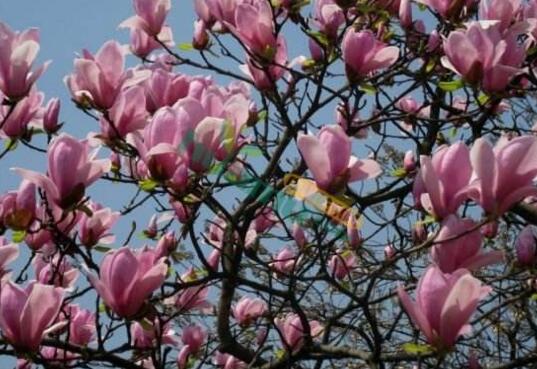
We know that the main effects and uses of the purple magnolia include ornamental value and medicinal value, and fertilizing can make the flower buds more swollen and the flower colors more alluring, which undoubtedly maximizes its ornamental value. So how should the purple magnolia be fertilized to make the flower buds bigger? It needs light fertilizer applied frequently.
Fertilization methods for the purple magnolia
1. Apply enough base fertilizer
Whether grown in pots or in the open ground, enough base fertilizer should be applied before planting. If conditions allow, livestock manure can be used as the base fertilizer; if not, organic fertilizer can be used as the base fertilizer, which can make the soil more nutritious.
2. Seedling stage
After the new buds grow out, rotted cake fertilizer is best. Its fertilizer concentration is moderate and is most suitable for absorption by the roots, allowing the new buds to grow more rapidly and robustly.
3. Growing period
During the growing period, the plant needs all kinds of nutrients. So how should the purple magnolia be fertilized at this time? The answer is once every 15-20 days with nitrogen-phosphorus-potassium fertilizer; common organic compound fertilizer will do. None of the three elements nitrogen, phosphorus, and potassium can be omitted.
4. Flowering period
Before the flower buds form, liquid fertilizer can be applied once every 4 days, but when fertilizing, some water should be added to reduce the fertilizer concentration. In the fertilization methods for the purple magnolia, this stage is very critical.
5. After the flowering period
At this time, phosphorus and potassium fertilizer should be the main focus; do not apply only nitrogen fertilizer, otherwise it will cause leaf growth with few new flowering branches sprouting. Balanced fertilization can promote more flower bud formation, and there will be more flowers when it blooms the following spring.
6. Fertilizing in winter
Before winter arrives, liquid fertilizer can be applied once, after which fertilization can stop. At this time the purple magnolia grows very slowly, and its fertilizer requirements are much lower than at other times.
Notes: When fertilizing in summer, do not water before fertilizing; instead let the soil dry slightly, and water only after fertilizing. During the flowering period, a little FeSO4 can be added when fertilizing, which can make the leaves greener.
How to grow the purple magnolia, cultivation methods and precautions for the purple magnolia / repotting requires care
The flowers of the purple magnolia are huge and the flower colors are alluring, so it can be said to be very beautiful. Therefore, more and more people want to grow it. But if you want it to bloom smoothly, the prerequisite is correct care techniques. So how is the purple magnolia best grown? Let us take a look at the cultivation methods and precautions for the purple magnolia.
How to grow the purple magnolia
Growing any plant should involve care techniques formulated according to its growth habits. So how should the purple magnolia be grown? First you must understand its characteristics. The purple magnolia likes a warm and humid environment. In terms of temperature, it is relatively cold-resistant but not heat-tolerant. In terms of soil, it likes fertile acidic soil with good drainage. It loves fertilizer and is not drought-tolerant, and it fears waterlogging.
Cultivation methods and precautions for the purple magnolia
1. Choosing a pot
The pot should be chosen slightly deeper and larger, which can ensure that the plant's growth will not be obstructed by the pot walls. Some foam blocks can be placed over the drainage hole at the bottom of the pot to increase drainage at the bottom.
Notes: The pot should not be chosen too large either, otherwise using too much soil will cause nutrients to be dispersed, and neither watering nor fertilizing can be fully absorbed. The foam padding should not block the drainage hole.
2. Choosing soil
The purple magnolia is not tolerant of saline-alkaline soil. So in choosing soil, how should the purple magnolia be grown? The answer is that acidic sandy soil is best, such as leaf mold and garden soil, and 50 grams of bone meal or organic fertilizer can be added to it.
Notes: The purple magnolia mainly obtains nutrients through the soil, so good soil can ensure that the purple magnolia gets enough nutrients. Therefore, be sure to pay attention to whether the soil is healthy and free of toxins, so as to ensure that the purple magnolia is free from the invasion of pests and diseases.
3. Temperature
The purple magnolia is a relatively cold-resistant plant. Even in the north it can overwinter outdoors. However, when growing it, be careful not to place it in a relatively high-temperature environment, such as a kitchen or near a heat source.
Notes: Although the purple magnolia has strong cold resistance, it is relatively afraid of strong winds. So in winter, if the wind is strong, attention should be paid to protecting the purple magnolia to avoid damage to the branches, leaves, or roots.
4. Light
The purple magnolia likes sunlight and has weak shade tolerance. Although it can grow in a semi-shaded environment, its growth will be relatively slow and flowering will also be affected, making the flowers thin and weak with dull colors, and it will be unable to give play to the ornamental value among the effects and uses of the purple magnolia.
Notes: When growing it indoors, be sure to ensure the light is not too weak. For example, dark corners or enclosed environments are not conducive to the growth and development of the purple magnolia.
5. Fertilizing
How much the purple magnolia blooms and whether the colors are vivid are closely related to fertilization. Therefore, before the flowering period and within the 2 months after the flowers fade are very critical. Before the flowering period, applying phosphorus and potassium fertilizer can make the flower buds swell; after the flowers fade, it can promote the purple magnolia to produce more flower buds. It can be seen that fertilization is important in the cultivation methods and precautions for the purple magnolia.
Notes: Never over-fertilize. Before winter arrives, a topdressing of phosphorus and potassium fertilizer can be applied once, which can increase the cold resistance of the purple magnolia; afterward, fertilizer should be reduced.
6. Watering
The purple magnolia fears waterlogging and is not drought-tolerant. So when watering, neither water too much nor go for long periods without watering. Keep the soil moist without becoming waterlogged, and water again after the soil dries.
Notes: When the rainy season arrives, drainage and waterlogging prevention must be done promptly to avoid rainwater soaking the roots of the purple magnolia in water for a long time.
7. Repotting
Repot and change the soil once every 1-2 years, which can prevent root rot. When changing the soil, half or one third of the original soil should be retained; do not remove all the soil.
Notes: Repotting is usually chosen in April-May, staggered from the flowering period. After repotting, the purple magnolia will have a period of adjustment. At this time, pay attention to moderate watering and you may pause fertilization.
What is the flower language of the purple magnolia, how long is the flowering period of the purple magnolia / with tips for more blooms
Because the purple magnolia has gorgeous flower colors and graceful flower posture, it is often used for viewing or given to friends. So what does it mean to give a purple magnolia to a friend? What is the flower language of the purple magnolia? How long is the flowering period of the purple magnolia? With these questions, let us look for the answers together.
What is the flower language of the purple magnolia
In China, the purple magnolia is a very precious flower, mainly used for viewing flowers. So what is the flower language of the purple magnolia? The answer is: “fragrant feelings and thoughts, handsome and elegant bearing,” because it is known for its light and elegant fragrance and graceful posture.
What does the purple magnolia represent
The purple magnolia represents appreciation of the other person, because when it is about to bloom, it looks like an upright writing brush. If you give a purple magnolia to someone, it means praising the other person for being talented, expressing appreciation.
How long is the flowering period of the purple magnolia
Botanists have found through research that the flowering period of the purple magnolia is generally in spring, that is, March-April. The time of flowering is greatly affected by temperature. For example, purple magnolia cultivated in a greenhouse may bloom in March, while open-ground cultivation will bloom in April.
How to make the purple magnolia bloom more
1. Reasonable fertilization
The number of flower buds is directly related to the number of flowering branches of the purple magnolia. The more flowering branches, the more flower buds there may be, and naturally the more flowers will bloom. This requires reasonable fertilization. For example, applying compound fertilizer once every 10 days before flowering can promote flower bud growth. For details, refer to the detailed introduction in how to fertilize the purple magnolia.
2. Scientific pruning
Many plants need shaping in normal times to maintain a beautiful plant shape, but the purple magnolia is not like this. Excessive pruning will cut off some flowering branches, so the pruning method for the purple magnolia is especially important. Generally, after the flowers fade, branches longer than 15 cm and overly dense branches should be cut off, and there is no need to prune as they grow.
3. Control light and temperature
As we introduced earlier, the flowering of the purple magnolia is mainly affected by temperature, so keeping the temperature at 15-20 degrees can make it bloom more. In addition, light must also be sufficient. The planting location is best in a sunny spot. In a semi-shaded environment it will have very few flowers, and if it is too dark it may not bloom at all.