How to grow Madagascar periwinkle? Care methods and precautions, control the watering amount well
Madagascar periwinkle is a highly ornamental flower. It can be seen in many gardens in our country, and many people in our country also grow this plant at home. However, there are many things to pay attention to during cultivation. How to grow Madagascar periwinkle? What are the cultivation methods and precautions for Madagascar periwinkle? Below, the editor will take everyone to learn about it.
I. How to grow Madagascar periwinkle
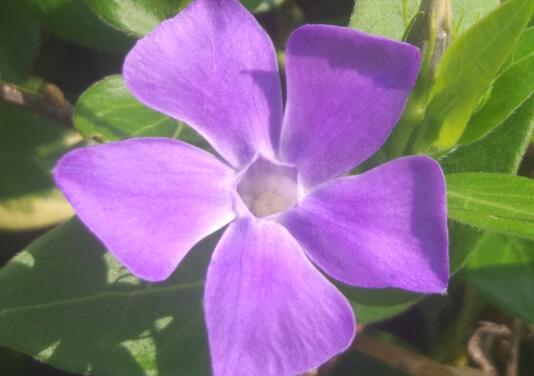
If you want to know how to grow Madagascar periwinkle, first we need to understand its growth habits. Madagascar periwinkle is a plant that likes light and high temperatures, so during cultivation you must maintain sufficient light. Of course, this is only one point; there are many other things to pay attention to. There is a detailed explanation in the cultivation methods and precautions for Madagascar periwinkle below. Let us continue reading.
II. Cultivation methods and precautions for Madagascar periwinkle
1. Soil selection
Among the cultivation methods and precautions for Madagascar periwinkle, choosing soil is the first step and a relatively important step. It is best to choose soil with relatively high looseness, so that drainage is better and Madagascar periwinkle can absorb nutrients better. You must not choose soil containing salt and alkali; this kind of soil is not conducive to the growth of Madagascar periwinkle.
2. Fertilization management
Fertilizer is one of the main nutrients in the growth process of Madagascar periwinkle. Before planting, we need to add an appropriate amount of base fertilizer to the soil. When Madagascar periwinkle reaches the growth period, its demand for fertilizer will be relatively large, and it basically needs to be fertilized once about every 10 days. In terms of fertilizer, we can choose water-soluble fertilizer.
3. Temperature management
Madagascar periwinkle is a plant that tolerates high temperatures but not cold, so during cultivation the temperature must be controlled well and must not be too low. The most suitable temperature for the growth of Madagascar periwinkle is between 20-33°C. Therefore, among the cultivation methods and precautions for Madagascar periwinkle, temperature is a point that requires great attention.
4. Watering management
When watering Madagascar periwinkle, it must be done in an appropriate amount. It is best to wait until the soil is completely dry before watering. When watering, water thoroughly once. Remember not to cause waterlogging, otherwise it can easily lead to root rot in Madagascar periwinkle.
5. Light management
As mentioned above, among the cultivation methods and precautions for Madagascar periwinkle, light is a very important part. Growing Madagascar periwinkle outdoors so that it receives light for a long time can make it grow better. Everyone should remember this point.
6. Pest and disease control
When cultivating Madagascar periwinkle, if you are not careful or the method is wrong, pests and diseases can easily appear. At this time, we need to deal with them promptly and must not leave them unchecked, because this will cause the plant to wither and die. For specific control methods, everyone can refer to the article on pest and disease control for Madagascar periwinkle. The editor will not introduce too much here.
Cultivation methods and precautions for Madagascar periwinkle: teaching you how to grow Madagascar periwinkle correctly
Madagascar periwinkle blooms continuously from spring to autumn, so it has the beautiful name “daily spring.” So what are the cultivation methods and precautions for Madagascar periwinkle? Below, wed114 wedding website shares with you how to grow Madagascar periwinkle correctly, hoping it will be helpful to you.
Cultivation methods and precautions for Madagascar periwinkle: teaching you how to grow Madagascar periwinkle correctly
Cultivation methods and precautions for Madagascar periwinkle:
1. Sunlight: Madagascar periwinkle is a light-loving plant. During the growth period, it must have sufficient sunlight, so the leaves are verdant and glossy and the flowers are brightly colored. If it grows in a shaded place for a long time, the leaves turn yellow and fall off.
2. Soil: It is suitable for fertile and well-drained soil and tolerates poor soil, but avoid alkaline soil. Compacted, poorly aerated clay soil results in poor plant growth, yellowing leaves, and no flowering.
3. Temperature: It likes a warm, slightly dry, and sunny environment. The suitable growth temperature is 18~24℃ from March to July, and 13~18℃ from September to March of the following year. In winter, the temperature should not be lower than 10℃.
4. Fertilization: When fertilizing, every ten days you can adopt a method of applying compound fertilizer and liquid fertilizer alternately. The bottom of the pot soil for Madagascar periwinkle should also be laid with a layer of base fertilizer as much as possible to ensure the nutrient content of the pot soil.
Cultivation methods and precautions for Madagascar periwinkle: teaching you how to grow Madagascar periwinkle correctly
5. Watering: Madagascar periwinkle dislikes moisture and fears waterlogging. The pot soil should not be watered too much; being too wet affects growth and development. Especially plants overwintering indoors should have watering strictly controlled, and it is better to keep them dry, otherwise they are very likely to freeze. For open-field cultivation, during heavy summer rain showers, pay attention to timely drainage to avoid waterlogging causing the whole patch to die.
6. Insect pests: The Madagascar periwinkle plant itself is toxic, so it is relatively resistant to pests and diseases. The main diseases at the seedling stage include: seedling damping-off, gray mold, etc. In addition, prevent fertilizer damage and pesticide damage at the seedling stage. If they occur, immediately water thoroughly with clean water, strengthen ventilation, and reduce the harm.
Cultivation methods and precautions for Madagascar periwinkle: teaching you how to grow Madagascar periwinkle correctly
7. Diseases: Madagascar periwinkle stem and leaf rot mainly occurs in the rainy season, and its pathogen is Phytophthora. When the disease is severe, it causes massive death and seriously affects mass production. Chemical control methods: before rain, use 65% Hao Sheng Ling 600-800 times or 1% equal-amount Bordeaux mixture for protection. If the disease occurs, promptly spray 72% Kelu 600-800 times or 25% Previcur 600-800 times, spraying once a week for a relatively good control effect
8. Pruning: Madagascar periwinkle is an herbaceous plant and is relatively suitable for pot cultivation, but be careful not to let the plant grow too tall, which would affect indoor decoration and ornamental value. Therefore, after the plant survives in the pot, it should undergo several pinching treatments to promote more branching and more flowering. After flowering, the faded flowers must be cut off.
Madagascar periwinkle cultivation methods, precautions for cultivating Madagascar periwinkle
Madagascar periwinkle is a plant with very beautiful flowers, and its place of origin is actually the Mediterranean coast of Europe. Madagascar periwinkle blooms almost all year round, and its flower colors are gorgeous. It is a very common potted ornamental plant. Below, let us look at the daily cultivation methods for Madagascar periwinkle.
Precautions for Madagascar periwinkle cultivation methods 1. Fertile soilIt is suitable for fertile and well-drained soil and tolerates poor soil, but avoid alkaline soil. Compacted, poorly aerated clay soil results in poor plant growth, which will cause Madagascar periwinkle leaves to turn yellow and even fail to bloom.
2. Sufficient sunlight exposureMadagascar periwinkle is a light-loving plant. During the growth period, it must have sufficient sunlight, so the leaves are verdant and glossy and the flowers are brightly colored. If it grows in a shaded place for a long time, the leaves turn yellow and fall off.
3. Temperature and humidityIt likes a warm, slightly dry, and sunny environment. The suitable growth temperature is 18~24℃ from March to July, and 13~18℃ from September to March of the following year. In winter, the temperature should not be lower than 10℃.
4. Control the amount of wateringMadagascar periwinkle dislikes moisture and fears waterlogging. The pot soil should not be watered too much; being too wet affects growth and development. Especially plants overwintering indoors should have watering strictly controlled, and it is better to keep them dry, otherwise they are very likely to freeze. For open-field cultivation, during heavy summer rain showers, pay attention to timely drainage to avoid waterlogging causing the whole patch to die.
5. Fertilization controlWhen fertilizing, every ten days you can adopt a method of applying compound fertilizer and liquid fertilizer alternately. The bottom of the pot soil for Madagascar periwinkle should also be laid with a layer of base fertilizer as much as possible to ensure the nutrient content of the pot soil.
6. Pest preventionThe Madagascar periwinkle plant itself is toxic, so it is relatively resistant to pests and diseases. The main diseases at the seedling stage include: seedling damping-off, gray mold, etc. In addition, prevent fertilizer damage and pesticide damage at the seedling stage. If they occur, immediately water thoroughly with clean water, strengthen ventilation, and reduce the harm.
7. PruningMadagascar periwinkle is an herbaceous plant and is relatively suitable for pot cultivation, but be careful not to let the plant grow too tall, which would affect indoor decoration and ornamental value. Therefore, after the plant survives in the pot, it should undergo several pinching treatments to promote more branching and more flowering. After flowering, the faded flowers must be cut off.