How to fertilize wintersweet? Master four techniques for more blooms and vivid colors
Wintersweet is a very unique flowering ornamental plant. It is both cold-tolerant and heat-tolerant, which is why it is so loved by people. As we know, among the cultivation methods for wintersweet, fertilizing is a very important step. So how should wintersweet be fertilized to be considered correct? Let me tell you the detailed method.
How to fertilize wintersweet
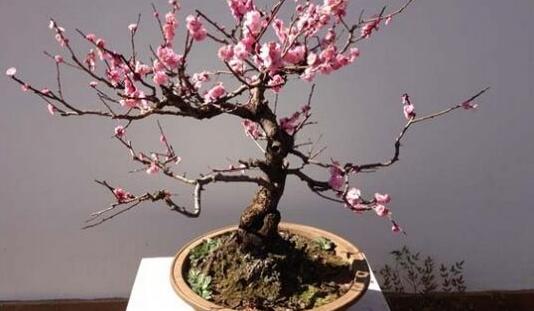
Wintersweet is a plant that likes fertilizer, but it is also afraid of concentrated fertilizer, so when fertilizing, you need to pay attention to the amount and timing. We can look at it from its growth stages and each season.
1. How to fertilize wintersweet in spring
In early spring or after the flowering period ends, wintersweet is generally repotted or the soil is turned. At this time, base fertilizer should be applied, such as organic fertilizer, livestock manure, etc., mixed into the potting soil, or applied at the bottom of the pot, but the amount should not be too much. Generally, one tenth of the soil is sufficient.
In addition, 1-2 applications of leaf-unfolding fertilizer are needed. The fertilizer should be mainly phosphorus and potassium fertilizer, and also include nitrogen fertilizer. After fertilizing, you can water appropriately, but remember that too much watering will make the fertilizer concentration too low, causing some fertilizer to flow out of the pot with the water.
2. Summer
In May-June, decomposed fertilizer water should be applied once a month. This is the main growth period of wintersweet and also a critical time for flower bud differentiation. The number of flower buds determines the final number of flowers, so it must not be neglected.
In summer, potassium dihydrogen phosphate should also be applied to the roots 1-2 times. It can promote the roots' absorption of nutrients, allowing flower buds to differentiate better and grow healthily.
3. Autumn
Autumn is the main period for flower bud growth, so how should wintersweet be fertilized at this time? In early autumn, apply — one application of dry fertilizer, applying 40 grams to 60 grams of decomposed cake fertilizer powder per pot, to better enrich flower bud growth.
In late autumn, an organic liquid fertilizer should be applied once. It can provide the nutrients needed for wintersweet to bloom and also promote flowering, so it is very necessary.
4. Winter
When winter begins, topdressing can be done, mainly with organic liquid fertilizer, and then fertilization should stop while waiting quietly for wintersweet to bloom. After the flowers fade in January and the temperature rises again, normal management can be resumed according to the correct cultivation methods.
Care measures for the southern plant Canary date palm
Part One: "Compilation of Southern Plants"
Frangipani
Frangipani, its flowers really look like eggs, milky white on the outside and bright yellow in the center, just like egg white and yolk, and they are really cute. Its branches are thick and fleshy. The leaves are also large, and the flowers and leaves cluster at the top of the branches. Frangipani blooms brilliantly in summer, giving people a feeling of purity and elegant temperament, very suitable for people to admire carefully. After the leaves fall, the bare trunk curves naturally, and its shape is very beautiful. It is very suitable for planting in courtyards and lawns. Frangipani likes a high-temperature, high-humidity environment with plenty of sunlight and good drainage. It is naturally robust and can tolerate drought, but it fears cold and is averse to waterlogging. It likes to grow in acidic soil, but it is also resistant to alkalinity. Cultivation is best with deep, fertile, well-aerated acidic sandy loam rich in organic matter. Propagation uses the cutting method. When planting frangipani, you should also pay attention to pest and disease control. For example, if brown small spots appear on the leaves or even the leaves turn dark black, that is frangipani angular leaf spot, and at this time you should pay attention and take measures. Of course, there may also be other diseases, so frangipani needs your care and attention. In fact, besides white, frangipani also comes in red and yellow. All can extract essential oils for making high-grade cosmetics, soap, and food additives, with quite high prices and great commercial development potential. The fresh flowers can also be dried for making tea, commonly known as frangipani tea, which has the effects of treating heat dysentery and moistening the lungs and detoxifying. The frangipani tree has a beautiful form, with many branches on the stem, strange shapes, and countless variations. Its leaves resemble loquat leaves. After they fall in winter, semicircular leaf scars remain on the branches, much like antlers decorated with beautiful spots. It can be called the top choice small tree for landscaping, courtyard arrangement, and potted ornamental viewing in tropical regions. The bark is thin and grayish green, rich in toxic white sap, which can be used externally to treat scabies, redness and swelling, and other conditions. The wood is white, light, and soft, and can be used to make musical instruments, tableware, or furniture. Frangipani flower meaning: nurturing hope, resurrection, rebirth, as simple and ordinary as life, so it can always be so close to people, without distance.
Magnolia
Magnolia is a tall deciduous tree with dark gray bark that is rough and cracked. The branchlets are slightly stout and grayish brown. The winter buds and flower stalks are densely covered with pale grayish-yellow long silky hairs. The leaves are papery, obovate, broadly obovate, or obovate-elliptic, with the base of vigorous shoots having elliptic leaves. Magnolia flowers look very much like lotus flowers. When in full bloom, the petals spread out in all directions, making the courtyard appear in patches of green and white, with dazzling white light, and it has high ornamental value. Coupled with waves of delicate fragrance that refresh the heart, it is truly an ideal flower type for beautifying courtyards. Magnolia likes light and is relatively cold-tolerant, and can overwinter in the open ground. It loves dryness and avoids low humidity. Waterlogging at the planting site easily causes root rot. It likes fertile, well-drained, slightly acidic sandy soil, and can also grow in weakly alkaline soil. In the warmer south, it can bloom from December to January of the following year. Magnolia flowers have strong resistance to harmful gases. For example, if this flower is planted in a factory polluted by sulfur dioxide and chlorine gas, it has a certain resistance and sulfur-absorbing capacity. With artificial fumigation using sulfur dioxide, 1 kg of dry leaves can absorb more than 1.6 grams of sulfur. Therefore, magnolia is a very good pollution-resistant landscaping tree species for areas with air pollution. Magnolia likes light. Young trees are relatively shade-tolerant and not tolerant of strong light or west-facing sun. Too much light or west-facing sun easily causes sunburn injury to the trees. Magnolia likes fertilizer. In addition to applying base fertilizer when planting, it should be fertilized every year afterward. Sufficient fertilizer can make the plant grow vigorously, with green and thick leaves, not only producing many buds, but also large flowers, a long flowering period, and rich fragrance. Magnolia is a tree species with relatively strong disease resistance. Its main diseases include anthracnose, chlorosis, and leaf sunburn disease. Besides ornamental value, magnolia also has medicinal and edible value. Magnolia flowers contain volatile oils, mainly citral, clove oil acid, etc., and also contain magnoflorine, alkaloids, yulan magnolia extract, capric acid, rutin, oleic acid, vitamin A, and other components, and have certain medicinal value. Magnolia flowers are pungent and warm in nature and taste, with the effects of dispelling wind and cold, opening the orifices, and ventilating the lungs and nose. They can be used for headaches, blood stasis-type dysmenorrhea, nasal congestion, acute and chronic sinusitis, allergic rhinitis, and other conditions. Modern pharmacological research shows that magnolia flowers have an inhibitory effect on common skin fungi.
Magnolia flowers are rich in vitamins, amino acids, and various trace elements, and have the effects of dispelling wind and cold and regulating qi and the lungs. They can be processed into snacks or brewed as tea. The magnolia flower meaning represents gratitude. Magnolia often produces large white flowers amid lush greenery, and with their fragrant scent, they give people an indescribable temperament, truly fresh and lovely. Because the tree is tall and the flowers bloom relatively high, swaying in the wind and full of spirit, like a heavenly maiden scattering flowers, it is very lovely.
Maranta
Maranta is a herbaceous plant. Most varieties have underground rhizomes or tubers, with single, relatively large leaves, ovate or ovate-lanceolate, with veins arranged in a feather-like pattern, in two rows, and entire margins. Maranta is a relatively good ground cover plant with diverse colors and is a very good foliage plant. Maranta is a tropical plant that likes warm, humid, and brightly lit environments. It is not cold-tolerant and not drought-tolerant, and fears harsh sun exposure. If exposed to direct sunlight, it will scorch the leaves, causing localized scorching at the leaf edges, stopping new leaf growth, and turning leaf color yellow. Therefore, shading should be noted during cultivation. Maranta is relatively sensitive to water. During the growing season, it should be watered thoroughly to keep the potting soil moist, but the soil should not be waterlogged, otherwise it will cause root rot and even plant death. Maranta is a bit "delicate." It requires enough careful attention all 365 days. If there are a few days of major environmental fluctuation, it will leave "evidence of the crime" on the plant. This is the consensus of maranta seedling traders and producers. Plants in the Marantaceae family do not have many pests and diseases, mainly scale insects, whiteflies, and so on. Of course, it also has other value, such as medicinal value and dietary value. Maranta starch is almost entirely starch, contains no vitamins, and has a protein content of only 0.2%. It can be used as a thickener for soups, sauces, puddings, and dessert pastries. Added to water and boiled, it becomes a transparent, odorless, tasty paste. Maranta starch is fine in texture. Compared with other starches, it can be cooked at lower temperatures and in shorter times, and is easy to digest. It is especially suitable for making custards and other egg products that cannot be overcooked, and is also suitable for making light-flavored, low-salt, and low-protein foods. Effects: clears the lungs and stops cough, clears heat and promotes urination. Indications: used to treat cough due to lung heat and painful urination due to damp-heat in the bladder.
Loropetalum chinense var. rubrum
Loropetalum chinense var. rubrum is an evergreen shrub or small tree. The bark is dark gray or light grayish brown, with many branches. Young branches are reddish brown and densely covered with stellate hairs. Leaves are leathery, alternate, ovate or elliptic, 2 - 5 cm long, with a short pointed tip, rounded and oblique base, asymmetrical, both sides with stellate hairs, entire margins, dark red. Loropetalum chinense var. rubrum likes light and is slightly shade-tolerant, but in shade the leaf color easily turns green. It has strong adaptability and is drought-tolerant. It likes warmth and is cold-tolerant. Its sprouting and branching ability is strong, and it is tolerant of pruning. It is tolerant of poor soil, but is suitable for growing in fertile, moist, slightly acidic soil. Loropetalum chinense var. rubrum has luxuriant branches and leaves, a graceful posture, is tolerant of pruning, and tolerant of wiring, and can be used for hedges and also for making stump bonsai. During the flowering season, the whole tree is full of red flowers, extremely spectacular. Loropetalum is an evergreen plant, and new leaves are bright red. Different strains differ in leaf color and flower color at maturity, and leaf size also differs. In landscape applications, the main considerations are leaf color and leaf size, bringing about leaf color contrast and color contrast, and the flowering periods can also be staggered. Main pests: aphids, geometer moths, yellow noctuid moths, black cutworm moths, large and small cutworms, and scarab beetles, etc. Common diseases of Loropetalum chinense var. rubrum: anthracnose, damping-off, and mosaic disease. Anthracnose: mainly harms old leaves and basal leaves. Because the leaves themselves are red, the lesions appear as
black round spots, or nearly round, causing early defoliation. Damage is severe in the rainy season from July to August. The pathogen is Actinonema. The fungus overwinters as mycelium on diseased leaves and is the primary infection source for the disease the following year. When you find disease on the branches and leaves of Loropetalum chinense var. rubrum, you must treat it promptly.
Ornamental peach
Ornamental peach is a variety of peach, a tree, 3-8 m tall; crown broad and spreading; bark dark reddish brown, rough and scale-like when old; branchlets slender, hairless, glossy, green, turning red on the sunny side, with many small lenticels; winter buds conical, blunt at the apex, covered with short pubescence, often clustered 2-3 together, with a leaf bud in the middle and flower buds on both sides. Leaves long elliptic-lanceolate, elliptic-lanceolate, or obovate-lanceolate. Ornamental peach likes sunlight, is drought-tolerant, and is not tolerant of humid environments. It likes a warm climate and has good cold tolerance, able to overwinter safely in natural environments at minus 25 degrees Celsius. It requires fertile, well-drained soil. It does not like waterlogging. If planted in waterlogged low-lying places, seedling death is likely. Landscape value: ornamental peach has large flowers and vivid colors, is beautiful when blooming, and has an ornamental period of as long as 15 days. In landscaping, it is widely used by lakesides, streams, both sides of roads, parks, and so on. In small-scale greening projects such as courtyard greening accents and private gardens, it is also used for potted viewing, and is also often used for cut flowers and making bonsai. A common form is also weeping ornamental peach. Ornamental peach has a wide range of landscaping uses and outstanding greening effects, and shows particularly good results in the same year of planting. It can be planted in rows, in groups, or as a specimen, and shows particularly good greening effects in the same year. Ornamental peach is one of the commonly used colorful nursery stock in landscaping, and is usually used together with seedlings such as purple-leaf plum and purple-leaf sand cherry. When combined with flowering shrubs, it creates a scene of a hundred flowers blooming together. Besides ornamental value, it also has medicinal value. The gum secreted from the peach tree trunk, commonly known as peach gum, can be used as an adhesive and is a polysaccharide substance. Hydrolysis can produce arabinose, galactose, xylose, rhamnose, glucuronic acid, etc. It is edible and also used medicinally, with the effects of breaking blood stasis, harmonizing blood, and boosting qi. Diseases and pests often occur in summer and autumn. Its main diseases include white rust and brown rot, shot hole disease, anthracnose, gummosis, and leaf curl. Main pests include aphids, red spiders, scale insects, and red-necked longhorn beetles.
Artificial plant communities
1. Satsuki azalea + Loropetalum chinense var. rubrum + Euonymus japonicus 'Aureo-marginatus' + thornless holly ball
These four plants have strong adaptability and are relatively widely planted in Fuzhou. Three foliage-color plants are planted linearly, giving rich leaf color, and together with large-specimen thornless holly balls, they form a neat, full, and clearly layered roadside greening color band effect.
2. Loropetalum chinense var. rubrum + Photinia × fraseri ball + Michelia figo + Japanese maple
Loropetalum chinense var. rubrum itself is widely planted in Fujian and has good adaptability. Its leaf color and flower color are both beautiful. The old leaves of the Photinia × fraseri ball are green, accented by red new leaves, setting each other off beautifully. The combination of the four plants is richly layered and forms a landscape road with longitudinal rhythm, spatial layering, and a strong guiding sense.
3. Loropetalum chinense var. rubrum + Japanese aralia + Canary date palm + frangipani
This combination of several plants is mainly green, with leaves both small (Loropetalum chinense var. rubrum) and large (Japanese aralia, frangipani), while the Canary date palm adds a touch of tropical flavor. The layers are rich, and it has the effect of narrowing space, making people feel close to it.
4. Moso bamboo + iris
Moso bamboo is very suitable for planting in Fuzhou. It is a running bamboo, with spacing between the culms. Iris has a graceful posture and colorful flowers. The two together are very charming.
5. Small-leaf gardenia + Loropetalum chinense var. rubrum + aucuba + osmanthus
Small-leaf gardenia has leaves like sparrow tongues and a low plant form, and can be used as the lowest layer plant. Aucuba leaves have yellow spots and are a relatively good foliage plant, while the tree osmanthus has a subtle fragrance that refreshes the heart. The combination has spacing and density, changes in leaf color, and added floral fragrance.
6. Azalea + Loropetalum chinense var. rubrum + Fagraea ceilanica + canna
Azalea flowers are gorgeous, and with Loropetalum chinense var. rubrum and Fagraea ceilanica as a foil, they are even more moving. Canna leaves are large, narrowing the space and making people feel friendly.
7. Ground-cover lawn + marigold + Photinia × fraseri + Loropetalum chinense var. rubrum ball + Dan gui osmanthus
With green ground cover as the base, marigold's bright yellow flowers are extremely beautiful. Behind the marigold, Loropetalum chinense var. rubrum and red Photinia serve as a foil, and the Dan gui osmanthus tree has a spreading form. The several plants set each other off and are richly varied.
8. Dwarf lilyturf + guava tree
Both dwarf lilyturf and guava tree adapt very well in Fuzhou and grow normally. The leaves are fine and soft, very suitable as ground cover. The guava tree bark is yellow and smooth, with a graceful posture and relatively large leaves, well spaced, very suitable for a sparse woodland path.
9. Lawn + Agave americana var. marginata + pruned and shaped banyan + Senna bicapsularis
With green lawn as the base, agave leaves are thick and large, with leaf color alternating silver-yellow and green, and paired with pruned and shaped banyan, they are very harmonious, while Senna bicapsularis has a beautiful posture and vivid flower color. This combination of several plants is richly layered, with color variation but harmony.
10. Ophiopogon bodinieri + broadleaf lady palm + areca palm + papaya tree
This plant arrangement is suitable for one side of a small building. Ophiopogon bodinieri leaves are fine and soft, while broadleaf lady palm and areca palm leaves are thicker and larger, and papaya leaves are large and palmate, with fruit borne on the trunk, and its posture is very graceful.
11. Copperleaf + Duranta erecta + Loropetalum chinense var. rubrum
As a plant combination for a pattern flowerbed, copperleaf has vivid leaf color and serves as the edge, Duranta erecta has yellow-green leaf color, and Loropetalum chinense var. rubrum has dark purple leaf color. The combination of the three plants as a pattern flowerbed is extremely attractive.
Part Two: "Maintenance Plan 4"
Landscaping maintenance and management plan
Maintenance management is very important in landscaping. It is a long-term, repeated task with relatively comprehensive technical requirements, including damage by people and animals, sanitation and cleaning, pruning of flowers, grasses, and trees, watering and fertilizing, pest and disease control, and flowerbed planting, etc. The completion of green space does not mean the completion of the landscape. People often say "three parts planting, seven parts management." Only with high-quality, high-level maintenance management can the landscape gradually take shape and become perfect.
Current characteristics of plants in the park:
1. The green area covers about 2,454.19 million sq m, with a high greening coverage rate and a large number of trees and pruned shaped shrubs of different specifications and varieties. The initial growth has gradually taken shape. After careful investigation, the plant planting characteristics can be roughly divided into two areas according to the original master plan:
1) Plaza area: The plant planting style in this area is relatively open. The plaza is mainly planted with ginkgo, Phoebe zhennan, and large trees in
rows, appropriately combined with low shrubs, and the overall space is relatively transparent.
2) Factory area: The plant species combination in this area is complex, with large and small trees, shrubs, and ground cover plants interplanted.
The entrance is mainly planted with relatively precious large plants (Canary date palm, jacaranda, small-leaf banyan stump,
premium osmanthus, etc.). Whether the office area courtyard can still maintain its elegant and refined, spacious and grand
scenery, and whether the hotel villa area courtyard can still carry forward its delicate, gentle, leisurely, and relaxed atmosphere,
all depends on later maintenance and management.
2. From the current greening conditions in the area, we can find the following problems: 1) Shaped shrubs grow poorly and have monotonous shapes; 2) Flowering shrubs have poor tree vigor, and flowering conditions (including number of flowers, flower size, color, and reblooming) are unsatisfactory; 3) Lawns have many weeds, and in local areas there is a trend of gramineous weeds running rampant; 4) Pests and diseases are present.
1. We plan to take the following corrective measures:
1. Promote three-dimensional gardening and carry out hedges and shrubs in varied graceful shapes. For flowering shrubs planted as accents, take growth-promoting measures to encourage growth and then shape them according to their form, which depends on the specific plant's growth and plant shape; in local areas, hedges are highly regular, and the uniform long strips undoubtedly make the courtyard, which should be free and leisurely, appear mechanical and rigid. We can likewise try pruning them into wavy shapes, matching the relaxed and casual landscaping of the residential area, enlivening the atmosphere of the entire courtyard and also creating a more flowing living environment.
2. Immediately begin pest and disease control. For plants showing pest and disease characteristics, immediately carry out large-scale chemical control.
3、
4、
5. For lawn weeds, apply chemicals and increase the workload of manual removal. For different plants, implement different maintenance and management plans (mainly fertilizer supply: base fertilizer, topdressing, foliar fertilizer; different plants in different seasons all have different fertilization methods and fertilizer choices). Plant labeling. We classify and count all the plants, then make green labels indicating their
family, genus, species, and growth habits, and label all plants in the area. In this way, it can both
enrich employees' general knowledge of plants and add to the cultural atmosphere of the park, and with eye-catching labels
bring more attention to the greening.
6. Greening maintenance is not a matter of one morning or one evening. While doing the corrective work well, we will likewise
adopt different maintenance and management measures for different plants at different times. We arrange our daily work by month
(detailed rules attached below), striving to make our work bring the landscape effect in the blueprint to the extreme, and
likewise ask Party A to offer more opinions, so that our work gradually becomes more perfect and complete.
7. Maintenance responsibilities
Within the contracted maintenance period, our company, in accordance with landscaping maintenance operating procedures and landscaping maintenance quality standards, organizes reasonably, maintains carefully, and dispatches professional horticulturists to organize, guide, and arrange management and protection work, and flexibly dispatches no fewer than experienced workers according to the weather in each season and plant growth conditions, completing the maintenance management task with guaranteed quality and quantity.
6. Maintenance content
1. Management procedures: including watering, opening basins and earthing up, pruning, fertilizing, weeding, pruning and bud removal, pest and disease control, straightening, and replanting (nursery stock costs calculated separately), and the entire process. {Care measures for the southern plant Canary date palm}.
2. Management tools:
A. Flower shears, long shears, high-altitude shears, grass shovels, lawn mowers
B. Sprayers, buckets, wheelbarrows, bamboo baskets
C. Shovels, hoes, saws, electric saws, ladders
D. Fuel, maintenance costs
3. Maintenance content:
A. Trees: apply organic fertilizer once a year, applying 0.25 kg of cake fertilizer per plant; topdress once, applying 0.1 kg of compound fertilizer mixed with urea per tree, using hole application, spraying, and water-fertilizer methods, then cover with soil, water thoroughly, with water penetration depth of more than 10 cm; control pests and diseases promptly; maintain the trees' natural growth state without shaping pruning; promptly cut off yellow branches, diseased and pest-infested branches, shaded vigorous shoots, and drooping branches that obstruct vehicle passage; promptly clean up pruned material. Remove weeds around the tree roots once a week to ensure there are no weeds.
B. Shrubs, hedges, bag seedlings: fertilize once every quarter, applying 10 kg of urea mixed with compound fertilizer per 667 sq m, using broadcast application and water-fertilizer methods, watering once within three hours after application, watering once a day (except rainy days), with water penetration depth of more than 10 cm; control pests and diseases promptly; for those pruned into round, square, or conical shapes, do minor pruning once a week and major pruning once a month, with smooth and attractive cuts; promptly remove pruned material; promptly cut off dead branches and diseased and pest-infested branches; promptly replant old, diseased, and dead plants; remove weeds once a week.
C. Herbaceous plants: fertilize once every quarter, applying 10 kg of urea mixed with compound fertilizer per 667 sq m, using broadcast application and water-fertilizer methods, watering once within three hours after application, watering once a day (except rainy days), with water penetration depth of more than 10 cm; control pests and diseases promptly; cut off spent flowers once a week and remove weeds once a week; promptly cut off dead branches and yellow branches.
D. Taiwan grass: fertilize once every quarter, applying 10 kg of urea mixed with compound fertilizer per 667 sq m, with even fertilization and thorough watering, with water penetration depth of more than 5 cm; control pests and diseases promptly; promptly replant wilted and missing parts, with coverage rate above 98%; prune 1-2 times a month.
(2) Specific annual landscaping maintenance work arrangement:
January: the month with the lowest temperatures of the year, when open-ground trees are in a dormant state.
1. Winter pruning: fully carry out shaping and pruning work on deciduous trees; prune dead branches, damaged branches, diseased and pest-infested branches on large and small trees, and branches that interfere with overhead lines and buildings.
2. Street tree inspection: promptly inspect the tying and staking of street trees, and immediately correct any loosened ties, wire embedded in bark, or loose stakes.
3. Pest control: winter is a favorable season for eliminating landscape pests. You can dig in the loose soil under trees to collect the pupae and cocoons of slug moths and burn them in a concentrated way. In mid-January, scale insects begin activity, but at this time they move slowly, and we can adopt the method of scraping off the larvae on the trunks. Controlling pests in winter often yields twice the result with half the effort.
4. Green space maintenance: in green spaces, flowerbeds, and other places, pay attention to removing large weeds; lawns should be promptly weeded and edged; in green spaces, pay attention to antifreeze watering.
February: temperatures rise somewhat compared with last month, and trees are still in a dormant state.
1. Maintenance is basically the same as in January.
2. Pruning: continue pruning dead branches and diseased branches of large and small trees. Before the end of the month, finish pruning all kinds of trees.
3. Pest control: continue to focus on preventing slug moths and scale insects.
March: temperatures continue to rise. After mid-month, trees begin to sprout, and in late month some trees (such as camellia) bloom.
1. Tree planting: spring is a favorable time for planting trees. After the soil thaws, immediately seize the opportunity to plant trees. Before planting large and small trees, do planning and design well, dig (excavate) the tree pits in advance, and achieve planting while digging, transporting, planting, and watering. When planting shrubs, likewise achieve digging, transporting, and planting as you go, and water fully to improve seedling survival rate.
2. Spring irrigation: because spring is dry and windy with high evaporation, to prevent spring drought, water green spaces and other areas promptly.
3. Fertilizing: after the soil thaws, apply base fertilizer to plants and irrigate. {Care measures for the southern plant Canary date palm}.
4. Pest and disease control: this month is a critical time for pest and disease control. Some nursery stock showed sooty mold, and the boxwood leaf roller also appeared (use pesticides such as fenitrothion for control). For slug moth control, the method of digging for pupae can continue to be used.
April: temperatures continue to rise, and trees all sprout, bloom, or unfold leaves and begin to enter a period of vigorous growth.
1. Continue planting trees: in early April, seize the time to plant trees that sprout late. For shrubs that died in winter (azalea, Loropetalum chinense var. rubrum, etc.), promptly pull them out and replant. Water newly planted trees fully.
2. Irrigation: continue to water maintained green spaces promptly.
3. Fertilizing: for lawns and shrubs, combine with irrigation and topdress with quick-acting nitrogen fertilizer, or carry out foliar spraying as needed.
4. Pruning: cut off branches that dried up in winter and spring; evergreen hedges can be pruned.
5. Pest and disease control: (1) After the second molting, scale insects successively move into bark cracks, tree holes, trunk bases, wall corners, and other places, secreting white waxy thin cocoons and pupating. They can be swept away with a hard bamboo broom and then buried deeply or soaked in a concentrated way. Alternatively, use pesticides such as fenitrothion by spraying. (2) Longhorn beetles begin activity. You can use a grafting knife or self-made steel wire to remove the larvae, but the wound should be as small as possible. (3) Control work for other pests and diseases.
6. Maintenance in green spaces: pay attention to removing weeds and climbing plants in large green spaces. Lawns should also be weeded and edged.
May: temperatures rise sharply, and trees grow rapidly.
1. Watering: during the peak leaf-unfolding period, trees have a very large water demand and should be watered in a timely manner.
2. Pruning: prune spent flowers. Street trees undergo the first bud-removal pruning.
3. Pest and disease control: continue to focus on catching longhorn beetles. The first generation of slug moths hatches, but has not yet reached a harmful level; make corresponding measures according to the actual situation in the maintenance area. Sooty mold caused by scale insects, aphids, etc. has also entered its peak period (on crape myrtle, Pittosporum tobira, oleander, etc.). In mid- and late May, spray 10?20 times rosin mixture and 50% parathion emulsifiable concentrate at 1500?2000 times dilution to control diseases and kill pests. (Others can use pesticides such as insecticidal elements and Huabao.)
June: high temperatures
1. Watering: plants have a large water demand, so water promptly and do not "leave it to heaven."
2. Fertilizing: combine loosening soil and weeding, fertilizing, and watering to achieve the best effect.
3. Pruning: Continue disbudding and sucker removal on street trees. Prune hedges, topiary balls and some flowering shrubs. {Maintenance measures for the southern plant date palm}.
4. Drainage work: During heavy rain, pay attention to drainage in low-lying areas.
5. Pest and disease control: In mid to late June, the stinging caterpillar enters its peak hatching period, and measures should be taken promptly. At present, spraying with 50% fenitrothion emulsion at 500-800 times dilution is basically used. (Or spray with compound BT emulsion.) Continue manual capture of longhorn beetles.
6. Do a good job of pre-flood and pre-typhoon inspections of trees; straighten, reinforce and re-tie loose or leaning trees.
July: Temperatures are at their highest, and strong winds and heavy rain will occur after mid-month.
1. Transplanting evergreen trees: During the rainy season, with sufficient moisture, conifers and bamboos can be transplanted, but pay attention to weather changes and water promptly once high temperatures occur.
2. Drainage: Drain promptly after heavy rain.
3. Topdressing: Apply quick-acting fertilizers such as nitrogen fertilizer dry before rain.
4. Street trees: Carry out typhoon-prevention disbudding and pruning; prune all branches that conflict with power lines, and check each tree stump one by one; if any are found loose or unstable, straighten and tie them tightly immediately. Prepare in advance in terms of labor organization, materials and tools and equipment, and send people to inspect at any time, handling dangerous situations promptly when found.
5. Pest and disease control: Continue controlling longhorn beetles and stinging caterpillars. For longhorn beetles, injection with 50% fenitrothion at 1:50 dilution (or Guoshu Bao, or Yuanke No. 3) and then sealing the hole can also achieve good results. For the camphor tree shoot borer, prune promptly and destroy the pest nests to prevent renewed damage.
August: Still the rainy season.
1. Drainage: After heavy rain, drain promptly in low-lying waterlogged areas.
2. Typhoon prevention for street trees: Continue doing a good job of typhoon prevention for street trees.
3. Pruning: In addition to the summer pruning of general trees, carry out shaping pruning of hedges.
4. Cultivation and weeding: Weeds also grow vigorously, so weed promptly, and fertilization can be combined with weeding.
5. Pest and disease control: Focus on capturing longhorn beetles, and pay attention to capturing longhorn beetles at the roots. Aphid damage and the camphor tree shoot borer should be controlled promptly. In humid weather, pay attention to powdery mildew and rot, and take measures promptly. September: Temperatures decline somewhat; do related work well for welcoming National Day.
1. Pruning: In preparation for city appearance work, disbud street trees below the third-level branching. Shape hedges. Weed within green areas, edge the lawn, and promptly remove dead trees, so that trees have green branches and leaves and green areas are clean and neat.
2. Fertilization: For some trees that grow weakly and whose branches are not sufficiently full, apply additional phosphorus and potassium fertilizer.
3. Pest and disease control: Shot hole disease (cherry, peach, plum, etc.) reaches its peak incidence; use 500% carbendazim at 1000 times dilution to prevent infection. Longhorn beetles begin to shift to damaging the roots; pay attention to capturing longhorn beetles at the roots. Also promptly control carpenter moths on poplars and willows. Do a good job of controlling other pests and diseases.
4. Do a good job of inspecting all kinds of landscaping facilities before the holiday.
October: Temperatures drop; in late October early winter begins, trees start to shed leaves and gradually enter dormancy.
1. Prepare well for autumn tree planting; once cold-hardy trees shed their leaves in late October, planting can begin.
2. Green area maintenance: Promptly remove dead trees and water promptly. Do a good job of weeding and edging in green areas and lawns. Fertilize herbaceous flowers that grow poorly.
3. Pest and disease control: Continue capturing longhorn beetles at the roots. Also pay attention to observing and controlling the camphor tree shoot borer. November: The soil begins to freeze at night and thaw by day, entering deep winter.
1. Tree planting: Continue planting cold-hardy plants, completing before the soil freezes.
2. Soil turning: Turn the soil in green areas to expose pests preparing to overwinter.
3. Watering: Water dry, compacted soil, completing before the freeze.
4. Pest and disease control: Various pests prepare to overwinter in late November, so control tasks are relatively light.
December: Low temperatures; winter maintenance work begins.
1. Winter pruning: Prune some evergreen trees and shrubs.
2. Eliminate overwintering pests and diseases.
3. Prepare well for next year's adjustment work: After deciduous plants shed their leaves, observe the maintenance area and map out the positions to be adjusted.
VII. Green area maintenance quality objectives
1 Maintenance technical measures for landscaping are complete and management is proper, achieving no exposed loess.
2 Landscape plants
2.1 Growth is normal. Various plants in newly built green areas reach normal form within three years; if plants or grass are damaged or die due to poor management, the replacement seedlings must survive within one year.
2.2 Garden trees have basically complete crowns, with main and lateral branches evenly distributed, appropriate in number, and reasonably pruned; the interior is not tangled, and there is ventilation and light penetration. Flowering shrubs bloom promptly and normally, and are pruned promptly after flowering. Hedges and color blocks have normal branches and leaves and are neat and uniform. Street trees have no missing plants, and there are no dead trees in green areas.
2.3 Deciduous trees have normal new shoot growth and normal leaf size and color. Under ordinary conditions, yellow leaves, scorched leaves, curled leaves and leaves with insect honeydew or webs must not exceed 5%, and the retention rate of normal leaves is above 90%. Coni-
Article Three: "Annual Greening Maintenance Plan"
Annual Greening Maintenance Plan
January
1. Carry out winter shaping and pruning of various deciduous trees, cutting off dead branches, overlapping branches, crossing branches, diseased and pest-infested branches, and lower lateral branches, to ensure that tree development trends toward reasonableness, tree branch form is improved, and pest and disease breeding is reduced.
2. Appropriately thin trees that are too densely growing, which can reduce pests and diseases and increase growth vigor.
3. Carry out winter plowing and soil turning to improve the soil, and apply winter fertilizer to all trees, ground cover and lawns to ensure the nutrient needs of seedlings and lawns.
4. Winter is a favorable season for eliminating garden pests. In the loose soil under trees, dig out stinging caterpillar pupae and cocoons and burn them in a concentrated way.
5. As circumstances require, scarify individual lawn types and prune 1-2 times. February
1. Carry out weeding, pruning and fertilization work on lawns.
2. Do a good job of pest and disease control, especially paying attention to powdery mildew on narrow-leaved mahonia and to the globular mealybug on coral trees and Fatsia japonica.
3. In particular, strengthen freeze prevention and insulation measures for trees, and do a good job of loosening and banking soil around tree roots.
4. Apply one topdressing (urea) to cool-season lawns at the end of the month at 10g per mu.
March
1. To prevent spring drought, water trees promptly.
2. Promptly mow lawns and remove weeds, and clean up winter grass in tree beds and flower beds.
3. Pest and disease control: Strengthen observation and inspection, and do a good job of forecasting, reporting and control. In particular, pay special attention to sooty mold and the boxwood leaf roller. In mid-March, crape myrtle mealybug eggs hatch; from late March, pear rust occurs on Malus species and cool-season lawns; pay attention to prevention and reporting.
4. For local sunken or low-lying spots appearing in lawns, carry out soil banking and sand covering, and carry out low pruning of winter ryegrass lawns to ensure the sprouting and growth of the underlying grass.
April
1. Do a good job of loosening soil, weeding and pre-flowering fertilization for field-planted flowers and trees. In particular, apply light fertilizer to herbaceous perennial flowers and spring-sown herbaceous flowers, and for lawns and shrubs, combine with irrigation and apply quick-acting nitrogen fertilizer, or carry out foliar spraying as needed.
2. Cut off branches that dried up in winter and spring; pruning of evergreen hedges can begin.
3. Pest and disease control: Mainly control aphids, sooty mold and beetles. And keep relevant records.
May
1. This month is the peak period of leaf expansion for trees, with a very large water requirement, so water promptly.
2. Prune spring flowering shrubs such as osmanthus and Malus halliana, and promptly carry out disbudding work on plane trees, red-leaf plum, crape myrtle and other trees.
3. Weed flower beds and shrub color blocks. At the same time, carry out weeding work on lawns, and promptly prune lawn grass to control its height.
4. Pest and disease control: Do a good job of forecasting, reporting and control.
June
1. Water plants promptly to ensure sufficient water supply for plants.
2. Loosen soil and weed tree beds and color-block shrubs, and carry out weeding work on lawns.
3. Lawns should be pruned promptly, and their growth height controlled, paying attention to controlling the occurrence of large-scale pests and diseases. Apply one application of compound fertilizer to lawns that grow poorly or lack fertilizer, so they can pass the summer safely.
4. Pest and disease control: Do a good job of forecasting, reporting and control.
July
1. In high-temperature weather, in particular ensure that watering work for plants is carried out.
2. Carry out soil loosening and weeding work on flower beds and color-block shrubs, and at the same time do a good job of weeding ground cover. This month the weather is hot, with high temperatures and relatively high humidity; weeds grow quickly, so seize the opportunity to carry out weeding work to prevent grass from running wild, and continue cultivation, weeding and loosening the soil.
3. Seriously do a good job of typhoon and flood prevention, reinforcing and securing trees in the garden to prevent lodging; for low-lying or seriously waterlogged places, dredge and drain promptly.
4. Pest and disease control: Do a good job of forecasting, reporting and control.
August
1. Carry out summer pruning of evergreen trees, and carry out shaping pruning of hedges.
2. Lawn weeds grow vigorously, so weed and prune promptly, control lawn height, and fertilization can be combined with weeding. Promptly supplement and topdress fertilizer, mainly P and K fertilizer, combined with N fertilizer; for small seedlings, shrubs and herbaceous flowers, apply light fertilizer frequently, and at the same time pay attention to mastering the fertilization period and climate.
3. In high-temperature weather, be sure to ensure daily watering and drought resistance work; it must not be chosen between 10 and 15 o'clock, to avoid burning seedlings. (Including: tree bed maintenance, weed control, soil loosening, etc.)
4. Continue doing a good job of typhoon and flood prevention, further reinforcing and securing large trees in residential areas to prevent lodging; and for low-lying and other easily waterlogged places, promptly dredge drainage channels to prevent water from accumulating for too long.
5. Pest and disease control: Do a good job of forecasting, reporting and control.
September
1. Carry out shaping pruning of hedges. Weed green areas and promptly remove dead trees, so that trees have green branches and leaves and green areas are clean and neat.
2. Thin trees that are too densely growing, and at the same time carry out disbudding work.
3. Lawns should be pruned, edged and cleared of weeds promptly, and attention should be paid to pest and disease control work.
4. Carry out weeding work on flower beds and color-block shrubs, and at the same time do a good job of weeding ground cover, and collect flower seeds.
5. Pest and disease control: Do a good job of forecasting, reporting and control.
October
1. Prune spherical shrubs to ensure a beautiful appearance, neatness and clear layering. Prune the tree form of evergreen trees so that their growth and development trend toward reasonableness and their tree posture and appearance are improved.
2. Strengthen management of newly planted herbaceous flowers, promptly fill gaps and water, and fertilize those that grow poorly.
3. Pest and disease control: Do a good job of forecasting and reporting, actively control, and keep relevant records. November
1. Carry out thinning and pruning of evergreen trees and evergreen shrubs, mainly for ventilation and light penetration, reducing pests and diseases and enhancing growth vigor.
2. Do a good job of weeding and edging in flower beds, color-block shrubs and green areas, promptly pull out weeds, and promptly replant empty or bare spots. As circumstances require, adjust trees in the local layout, and some evergreen trees and a few deciduous tree species can be transplanted. Also begin cold protection and insulation work; for trees with
poor cold resistance, carry out straw wrapping and soil banking.
3. Strengthen maintenance and management of newly planted plants, paying attention to timely watering and appropriate pruning. As circumstances require, scarify and aerate lawns, and at the same time prune 2-3 times.
4. Carry out fertilization work in late this month, and carry out green area soil turning combined with increasing the application of organic fertilizer.
5. Pest and disease control: Do a good job of forecasting and reporting, actively control, and keep relevant records. December
1. Do a good job of weeding and edging in color-block shrubs and green areas, and promptly pull out weeds.
2. Carry out thinning and pruning of evergreen and deciduous trees and shrubs, mainly removing residual stumps and dead branches, in order to make next year's tree growth better (flowering shrubs that have already formed flower buds must not be pruned), and at the same time pay attention to cleaning insect cocoons on trunks and branches.
3. Wrap sago palms, date palms and other southern plants with straw rope to ensure they overwinter safely.
4. Pest and disease control: Do a good job of forecasting and reporting, actively control, and keep relevant records.
Article Four: "Latest Commonly Used Southern Landscape Plants"
Commonly Used Garden Plants in Southern Landscapes
Evergreen trees:
Norfolk Island pine, slash pine, Chinese fir, Caribbean pine, Chinese weeping cypress, mahogany, big-leaf mahogany, Sterculia lanceolata, Chinese saraca, sugar apple, longan, Dracontomelon duperreanum, Michelia macclurei, golden shower tree, Chinese arborvitae, Chinese juniper, dragon juniper, Fokien cypress, Buddhist pine, Japanese cedar, Japanese blueberry tree, long-leaf podocarp, white champaca, southern magnolia, houpo magnolia, Cinnamomum burmannii, camphor tree, cinnamon, Gmelina hainanensis, Hainan ormosia, Taiwan acacia, Siamese senna, red camel's foot tree, camel's foot tree, butterfly tree, almond, mango, Ormosia henryi, Cleistocalyx operculatus, Elaeocarpus hainanensis, avocado, Alstonia scholaris, false betel nut palm, Chinese fan palm, fishtail palm, queen palm, rose apple, Hainan rose apple, sapodilla, lemon-scented gum, Timor white gum, swamp mahogany, blue gum, cajeput tree, Irvingia malayana, Chinese torreya, Chinese plum yew, Indian rubber tree, banyan, small-leaf banyan, large-fruited fig, weeping fig, yellow banyan, sacred fig, horsetail tree, jackfruit, Acer cinnamomifolium, Castanopsis sclerophylla, ring-cupped oak, candlenut, silver oak, Elaeocarpus apiculatus, big-leaf elaeocarpus, sea hibiscus, iron wintergreen, glossy privet, osmanthus, loquat, Albizia falcataria, royal palm, fishtail palm, Washingtonia palm, sugar palm, Canary Island date palm, bishop wood, red sandalwood, Dillenia turbinata, jackfruit, yellow cassia, jackfruit, big-leaf privet, Michelia chapensis, Schefflera octophylla, Heteropanax fragrans
Deciduous trees:
Terminalia mantaly, Chinese swamp cypress, water snowbell, Chinese tallow, Japanese raisin tree, sand pear, soapberry, goldenrain tree, frangipani, bald cypress, pond cypress, Chinese tulip tree, white magnolia, Chinese parasol tree, sawtooth oak, cork oak, Chinese hackberry, Chinese elm, white oak, camptotheca, large-flowered crape myrtle, beautiful ceiba, flamboyant tree, peacock flower, jacaranda, yellow cassia, chinaberry, Chinese mahogany, coral tree, cockspur coral tree, chestnut, silk tree, golden acacia, Kalopanax septemlobus, sweetgum, weeping willow, Magnolia soulangeana, purple-leaf plum, ornamental peach, plum, papaya, Indian
rosewood, red-leaf plum
Evergreen shrubs:
Sago palm, Chinese plum yew, orchid tree, big-leaf box, Elaeagnus pungens, camellia sasanqua, sweet viburnum, spotted laurel, Hypericum, Areca triandra, areca palm, Chinese fan palm, four-season orchid tree, golden trumpet, Justicia gendarussa, callistemon, Fukien tea, gardenia, crown of thorns, poinsettia, Jasminum mesnyi, Aucuba japonica, Chinese holly, azalea, Cordyline terminalis, croton, red mulberry, golden-edged mulberry, golden-leaf fig, Senna tora, Rhododendron ovatum, Ardisia japonica, orange jasmine, Excoecaria cochinchinensis, ylang-ylang, camellia, oil tea, big-leaf tea, oleander, yellow oleander, small-flowered golden trumpet, Serissa japonica, banana shrub, pittosporum, mahonia, nandina, Fatsia japonica, magnolia coco, Chinese hibiscus, Chinese lantern, Rhododendron simsii, yucca, Yucca, Hainan box, Licuala palm, soft-leaf date palm, dwarf fishtail palm, dwarf lady palm, Rhapis excelsa,
golden banyan, fiddle-leaf fig, willow-leaf fig, golden shrimp plant, Schefflera octophylla, variegated Duranta, golden Duranta, Justicia gendarussa, golden-leaf privet, giant taro, Philodendron bipinnatifidum, Monstera deliciosa, Aspidistra, snake plant, Rhaphiolepis indica, variegated hibiscus, Euphorbia cotinifolia, small-leaf box, African jasmine, Brunfelsia, Hamelia patens, crinum lily, spider lily, Calliandra, Chinese fringeflower, Datura suaveolens, white mussaenda, red mussaenda, Rhododendron pulchrum, Western azalea, Senna bicapsularis, Tecomaria capensis, myrtle, Ixora, Jasminum mesnyi, jasmine, Euphorbia cotinifolia, Plumbago auriculata, Oxypetalum caeruleum, butterfly pea, nandina, pepper tree, Excoecaria cochinchinensis,
Deciduous shrubs:
Cotton rose, Spiraea cantoniensis, Spiraea prunifolia, modern rose, Abelia chinensis, pomegranate, Callicarpa, Magnolia liliiflora, Lespedeza, Lonicera maackii, Hydrangea macrophylla, rose of Sharon, redbud, Prunus japonica, Spiraea thunbergii, pearl bush, butterfly tree, elderberry, fig, Sichuan pepper, trifoliate orange, Buddleja, Ligustrum sinense
Vines:
Monstera deliciosa, bougainvillea, Millettia reticulata, firecracker vine, Rangoon creeper, Akebia trifoliata, honeysuckle, Euonymus fortunei, creeping fig, kiwifruit, Euonymus fortunei, Hong Kong rhaphidophora, Mucuna birdwoodiana, wax plant, Epipremnum pinnatum, pothos, star jasmine, Chinese ivy, English ivy, Kadsura japonica, Boston ivy, trumpet vine, passionflower, Lagerstroemia multiflora, Mucuna sempervirens, Thunbergia grandiflora
ylang-ylang, Thunbergia grandiflora, Rangoon creeper, coral vine, Boston ivy, firecracker vine, white Mucuna, Clerodendrum speciosum, wisteria, creeping fig, cypress vine, morning glory, Ipomoea cairica, snake vine, Jasminum officinale, Aristolochia gigantea, garlic vine, wood rose, Bignonia chamberlaynii, passionflower
Bamboos:
Bambusa textilis, Bambusa chungii, moso bamboo, fernleaf bamboo, Phyllostachys glauca, Bambusa vulgaris 'Vittata', Neosinocalamus affinis, Bambusa multiplex, Pleioblastus amarus, Indocalamus tessellatus, Buddha belly bamboo, Dendrocalamus latiflorus, Bambusa textilis, Thai bamboo, Bambusa pervariabilis, Chimonobambusa quadrangularis, green bamboo, Bambusa multiplex 'Riviereorum', Bambusa multiplex 'Alphonse Karr', red bamboo
Lawns and ground cover plants:
Bermuda grass, Chinese lawngrass, fine-leaf lawngrass, carpet grass, centipede grass, jointed paspalum, Manila grass, Japanese lawngrass, Guangdong evergreen, spiderwort, oyster plant, lilyturf, large-leaf curculigo, Liriope, Reineckea carnea, Aspidistra, black-eyed Susan vine, Acorus gramineus, autumn zephyr lily, Chinese chive lily, Lycoris aurea, white butterfly, butterfly iris, oxalis, Tradescantia zebrina,
Calathea roseopicta, arrowhead plant, white butterfly arrowhead plant, pothos, Tradescantia zebrina, sword fern, clearweed, Rhoeo spathacea, peace lily, silver-edged lilyturf, red-flowered lantana, yellow-flowered lantana, purple-flowered lantana
Dianthus, Dusty Miller, Bleeding Glory-Bower, Shrimp Plant, Firecracker Plant, Asparagus Fern, Beach Evening Primrose, Beach Morning Glory, Ivy, Star Jasmine, Ginger Lily, Umbrella Plant, Papyrus, Iris, Purple Loosestrife, Narcissus, Lotus, Water Lily, Trifid Wedelia, Red Wood Sorrel, Brazilian Peanut Vine, Dichondra, Purple Copperleaf, Round-Leaf Bloodleaf, Coleus, Fine-Leaf Verbena, Alternanthera, Rain Lily, Pink Rain Lily, Amaryllis, Lily, Calla Lily, Periwinkle, Centipede Grass, Manila Grass, Korean Lawn Grass, Bermuda Grass, Large-Leaf Carpet Grass, Variegated Axonopus, Bahia Grass, Dwarf Lilyturf
Palms:
Royal Palm, Washington Palm, Triangle Palm, King Palm, Foxtail Palm, Butia Palm, Bottle Palm, Spindle Palm, Mediterranean Date Palm, Canary Island Date Palm, Bismarck Palm, Oil Palm, Fish-Tail Palm, Palm, Dragon Scale Palm, Chinese Fan Palm, Queen Palm, Fish-Tail Palm, Queen Palm, Mexican Fan Palm, Slender Lady Palm, Dwarf Fish-Tail Palm, Giant Fish-Tail Palm, Areca Palm, Three-Stamen Betel Nut Palm, Traveler's Palm, Bamboo Palm,
Seasonal Flowers
Star Flower, African Impatiens, Four-Season Begonia, Scarlet Sage, Petunia, Hybrid Dianthus, Ornamental Kale, Peacock Flower, Marigold, Nasturtium, Pansy, Summer Pansy, Cockscomb, Calendula, Globe Amaranth, Zinnia, Moss Rose, Purslane, Cosmos, Cineraria, Spider Flower, Daylily, Lavender, Purple Loosestrife
Chapter Five: "Examples of Southern Plant Arrangements"
Southern Plant Arrangements
Split-Leaf Philodendron + Umbrella Plant + Variegated Galangal
Large Dracaena + Rainbow Dracaena + Heavenly Bamboo + Boston Fern + Placement Stones
Royal Palm + Fish-Tail Palm + Slender Lady Palm + Canna + Coleus + Croton
Royal Palm + Canary Island Date Palm Head + Red Dracaena + Red Mulberry + Ixora
Royal Palm + Alexander Palm + Areca Palm + Large-Leaf Bamboo Palm + Golden Dewdrop
Chapter Six: "Common Southern Garden Plants"
Common Plants for Southern Courtyards
I. Palms:
1. Royal Palm 2. Alexander Palm 3. Washington Palm 4. Silver Date Palm 5. Canary Island Date Palm 6. Three-Stamen Betel Nut Palm
7. Chinese Fan Palm 8. Mexican Fan Palm 9. Areca Palm 10. Bamboo Palm (Fine-Leaf Bamboo Palm) 11. Golden Bamboo Palm 12. Soft-Leaf Date Palm
II. Trees (Street Trees, Shade Trees):
1. Flamboyant Tree 2. Kapok 3. Beautiful Silk-Cotton Tree 4. Coral Tree 5. Pointed-Leaf Elaeocarpus 6. Blackboard Tree
7. Small-Leaf Banyan 8. Water Stone Banyan 9. Mango 10. Chinaberry 11. Cinnamomum 12. Large-Leaf Trumpet Vine
13. Red Sandalwood 14. Frangipani 15. Tropical Almond 16. Traveler's Palm 17. Red-Spined Pandanus 18. Autumn Maple
19. Star Fruit 20. Pointed-Leaf Osmanthus 21. Golden Shower Tree 22. Albizia 23. Paperbark Tree
24. Eucalyptus 25. Hainan Rose Apple 26. Large-Leaf Aphanamixis 27. Bauhinia 28. Mahogany
29. Giant Banyan 30. Flame Tree 31. Yellow Trumpet Tree 32. Goldenrain Tree
III. Flowering Shrubs:
1. Four-Season Osmanthus 2. Fine-Leaf Bamboo 3. Tree Fern 4. Yellow Banyan 5. Bougainvillea
6. Yellow Cassia 7. Red Bottlebrush 8. Variegated Sisal 9. Hibiscus 10. Fagraea 11. Variegated Banyan
12. Hibiscus 13. Michelia 14. Trumpet Vine 15. Powderpuff Plant 16. Tabernaemontana 17. Dragon Orchid
18. Century Plant 19. Yucca 20. Trumpet Vine 21. Yellow Oleander 22. Polyscias
IV. Ground Cover or Color Blocks:
1. Pittosporum 2. Monstera 3. Pothos 4. Bird's Nest Fern 5. Red Ruby 6. Large-Leaf Polygonum 7. Schefflera
8. Little Angel 9. Golden Dewdrop 10. Cigar Flower 11. Fine-Leaf Frog Orchid 12. Three-Star Maranta 13. Hairy Azalea
14. Dwarf Fan Palm 15. Split-Leaf Philodendron 16. Variegated Duranta 17. Spider Lily 18. Tradescantia 19. Soft-Branch Allamanda
20. Variegated Galangal 21. Asparagus Fern 22. Golden Peanut 23. Fine-Leaf Ixora 24. Boston Fern 25. Yellow Shrimp Plant
26. White Butterfly 27. Clearweed 28. Variegated Dieffenbachia 29. Rainbow Cordyline 30. Croton 31. Liriope
32. Silver-Edged Grass 33. Jasmine 34. Velvet Calathea 35. Taiwan Grass 36. Large-Leaf Carpet Grass
37. Manila Grass 38. Bermuda Grass 39. Ryegrass 40. Tall Fescue
Some other commonly used plants:
1. Bodhi Banyan 2. Giant Banyan 3. Water Stone Banyan 4. Bellflower 5. National Day Flower 6. Golden Shower Tree
7. Siamese Senna 8. Sausage Tree 9. Thailand Yellow Large Golden Flower Ball 10. Golden Melaleuca
11. Winged Cassia 12. Twin-Pod Cassia 13. Rose of Sharon 14. Water Banyan 15. Grey Manglietia
16. Hainan Sapium 17. Variegated Money Tree 18. Hainan Ormosia 19. Mahogany
20. Albizia 21. Sandalwood Cinnamon 22. Autumn Osmanthus 23. Bay Laurel 24. Mexican Fan Palm 25. Fine-Leaf Bamboo
26. Indian Yellow (Purple) Sandalwood 27. Red Sandalwood 28. Dianella 29. Leizhou Banyan 30. Cat's Tail Tree
Common Southern Garden Plants
1. Evergreen Trees
Norfolk Island Pine, Cunningham's Araucaria, Keteleeria, Large-Leaf Araucaria, Kauri, Masson Pine, Slash Pine, Camphor Tree, Japanese Cinnamon, Giant Eucalyptus, Paperbark Tree, Rose Apple, Hainan Rose Apple, Autumn Maple, Taiwan Acacia, Maqian Acacia, Ear-Pod Acacia, Red Sandalwood, Small-Leaf Banyan, Large-Leaf Banyan, Giant Banyan, Bird Banyan, Indian Rubber Fig, Variegated Indian Rubber Fig, Bodhi Tree, Candlenut, Mahogany, Dillenia, Blackboard Tree, Tropical Almond, Small-Leaf Tropical Almond, Jackfruit, Wax Apple, Ambarella, Sapodilla, Chinaberry, Beefwood, White Magnolia, Night-Flowering Magnolia, Firepower Michelia, Small-Leaf Elaeocarpus, Southern Magnolia, Sea Hibiscus, Mango, Longan, Lychee, Olive, Loquat, Waxberry, Pomelo, Water Stone Banyan, Buddhist Pine, Dragon Juniper, Podocarpus, Osmanthus, Four-Season Osmanthus, Michelia, Aglaia, Camellia, Weeping Fig, Butterfly Fruit, Slant-Leaf Fig
2. Deciduous Trees
Dawn Redwood, Pond Cypress, Bald Cypress, Chinese Swamp Cypress, Tulip Tree, Chinese Parasol Tree, Rough-Leaf Glochidion, Albizia, Large-Leaf Silk Tree, Leucaena, Sweetgum, Weeping Willow, Sausage Tree, Anthocephalus, Silver Birch, Hackberry, Soapberry, Chinese Pistache, Chinaberry, Chinese Tallow, Mu Oil Tree, Ginkgo, Sterculia, Persimmon, Fig, Mulberry, Papaya, Guava, Red Maple, Acacia
3. Palms
Alexander Palm, Royal Palm, King Palm, Bottle Palm, Spindle Palm, Triangle Palm, Foxtail Palm, Queen Palm, Oil Palm, Sugar Palm, Large Silk Palm, Washington Palm, Canary Island Date Palm, Mediterranean Date Palm, Iranian Date Palm, Chinese Fan Palm, Fish-Tail Palm, Sugar Palm, Scale Date Palm, Soft-Leaf Date Palm, Three-Stamen Betel Nut Palm, Green Palm, Fragrant Palm, Giant Fish-Tail Palm, Dwarf Fish-Tail Palm, Areca Palm, Palm, Banana, Traveler's Palm, Cordyline, Bamboo Palm, Fine-Leaf Bamboo Palm, Nicolas Bird of Paradise, Red-Stem Philodendron, False Alocasia
4. Ornamental-Foliage Shrubs
Golden-Leaf Weeping Fig, Golden Banyan, Fiddle-Leaf Fig, Willow-Leaf Fig, Garcinia, Variegated Reed Bamboo, Drooping Polyalthia, Red-Spined Pandanus, Pittosporum, Variegated Hibiscus, Sago Palm, Red Bottlebrush, Woody Night Jasmine, Cotinus, Golden-Vein Justicia, Japanese Aralia, Creeping Juniper, Variegated Cassava, Heavenly Bamboo, Schefflera, Variegated Schefflera, Pepper Tree, Red-Back Excoecaria, Red Mulberry, Japanese Lilac, Duranta, Variegated Duranta, Yellow-Leaf Duranta, Orange Jasmine, Croton, Lance-Leaf Croton, Hainan Croton, Gold-Dust Croton, Gendarussa, Fujian Tea, Small-Leaf Boxwood, Golden-Leaf Privet, Crown of Thorns, Yellow-Striped Century Plant, Agave, Silver-Edged Agave, Yucca, Bottle Palm, Aspidistra, Snake Plant, Cactus, Alocasia, Split-Leaf Philodendron, Monstera, Variegated Shell Ginger, Scaevola, Thick-Leaf Rhaphiolepis, Colorful Breynia, Ceylon Leaf-Flower, Chinese Rose
5. Flowering Shrubs
African Jasmine, Yesterday-Today-Tomorrow, Rare Jasmine, Rose of Sharon, Hibiscus, Chinese Lantern, Bell Flower, Poinsettia, Powderpuff Plant, Bougainvillea, Large-Flower Gardenia, Hydrangea, Red-Bract Flower, Melastoma, Red-Flower Loropetalum, Large-Flower Datura, White Mussaenda, Red Mussaenda, Yellow Allamanda, Western Azalea, Twin-Pod Cassia, Hard-Stem Trumpet Vine, Rose Myrtle, Ixora, Foxtail Pearl, Yunnan Jasmine, Jasmine, Crinum Lily,
Spider Lily, Crab-Claw Flower, Dwarf Canna, Stone Flax, Fiddle-Leaf Coral, Blue Snow Flower, Blue Star Flower, Butterfly Flower
6. Ground Cover
Purple-Back Calathea, Arrowhead Vine, White Butterfly Arrowhead Vine, Pothos, Tradescantia, Boston Fern, Clearweed, Small Oyster Plant, Peace Lily, Liriope, Silver-Edged Liriope, Red-Flower Lantana, Yellow-Flower Lantana, Purple-Flower Lantana, Dusty Miller, Bleeding Glory-Bower, Shrimp Plant, Firecracker Plant, Asparagus Fern, Beach Evening Primrose, Beach Morning Glory, Ivy, Star Jasmine, Ginger Lily, Umbrella Plant, Papyrus, Iris, Purple Loosestrife, Narcissus, Lotus, Water Lily, Trifid Wedelia, Red Wood Sorrel, Brazilian Peanut Vine, Dichondra, Purple Copperleaf, Round-Leaf Bloodleaf, Coleus, Fine-Leaf Verbena, Alternanthera, Rain Lily, Pink Rain Lily, Amaryllis, Lily, Calla Lily, Periwinkle, Centipede Grass, Manila Grass, Korean Lawn Grass, Bermuda Grass, Large-Leaf Carpet Grass, Variegated Axonopus, Bahia Grass, Dwarf Lilyturf
7. Vines
Large-Flower Thunbergia, Rangoon Creeper, Coral Vine, Boston Ivy, Trumpet Vine, White-Flower Mucuna, Beautiful Clerodendrum, Wisteria, Ficus Pumila, Cypress Vine, Morning Glory, Maple-Leaf Morning Glory, Snake Vine, Jasmine, Large-Flower Dutchman's Pipe, Garlic Vine, Wood Rose, Bignonia, Passion Flower
Chapter Seven: "Document on Common Southern Plant Arrangements"
Practical Plant Arrangement Table ---- Concise Table of Common Plant Arrangements
Aquatic Plants:
Wetland Plants: Hankow Willow, Weeping Willow, Cotton Willow, Sand Willow, Artemisia Willow, Soap Willow, Small-Leaf Poplar, Liaoning Poplar, Sand Juniper, Chinese Juniper, Oriental Arborvitae, Dawn Redwood, Chinaberry, Chinese Wingnut, White Ash, Forsythia, Elm, Cut-Leaf Elm, Chinese Elm, Chinese Tallow, Cherry Blossom, Eucommia, Goldenrain Tree, Cotton Rose, Rose of Sharon, Oleander, Boston Ivy, Grape, Wisteria, False Indigo, Tamarisk, Buttercup, Water Hyacinth, Long-Leaf Alkali Grass, Marsh Willow-Leaf, Willow-Leaf Grass, Marsh Betony, Chinese Betony, Mint, Lindernia, Speedwell, Watercress, Scirpus, Water Wool Grass, Flat-Stem Scirpus, Water Nutgrass, Flower-Spike Water Nutgrass, Globe-Spike Pycreus, Red-Phosphorus Pycreus, Jointed Rush, Small-Flower Rush, Small Rush, Fine Rush, Knotgrass, Common Smartweed, Red Smartweed, Clustered Smartweed, Dock-Leaf Smartweed, Willow-Leaf Smartweed, Small Arrow-Leaf Smartweed, Mile-a-Minute, Spiny Smartweed, Halberd-Leaf Smartweed, Large Halberd-Leaf Smartweed, Japanese Knotweed, Lalang Grass, Reed Grass, Large-Leaf Grass, Beckmannia, Long-Awn Clubhead, Wild Rice Grass, Amur Silvergrass, Job's Tears, Hemarthria, Wetland Ground Orchid
Emergent Plants: Softstem Bulrush, Reed, Lotus Root, Arrowhead, Broad-Leaf Caldesia, Water Plantain, Lotus, Purple Loosestrife, Cattail, Duck Tongue Grass, Monochoria, Sweet Flag, Pickerelweed, Rice, Kandelia, Narcissus, Water Celery, Wild Rice Stem, Taro, Marsilea, Reed, Water Chestnut, Three-Square Bulrush, Needle Rush, Water Torch, Umbrella Sedge, Broad-Leaf Cattail
Floating Plants: Duckweed, Water Hyacinth, Water Lily, Gorgon Nut, Victoria Lily, Spatterdock, Water Hyacinth, Floating Heart, Water Shield, Yellow Bladderwort, Floating Fern, Dragon-Bone-Petal Floating Heart
Submerged Plants: Hornwort, Water Plantain
Colorful-Foliage Plants:
Red or Purple: Sweetgum, Lacquer Tree, Japanese Maple, Amur Maple, Oriental Bittersweet, Red Oak, Tang Maple, Chinese Tallow, Staghorn Sumac, Sumac, Mountain Ash, Heavenly Bamboo, Euonymus, Hawthorn, Chinese Pistache, Chinese Wingnut, Barberry, Hubei Hornbeam, Boston Ivy
Golden Yellow or Yellow-Brown: Ginkgo, Persimmon, Goldenrain Tree, Tulip Tree, Chinese Parasol Tree, Elm, Walnut, Catalpa, Dawn Redwood, Crape Myrtle, Chinese Elm, Machilus, Wild Jujube, Kiwi, Horse Chestnut, Water Elm Mountain Ash, Wintersweet, Pomegranate, Yellow Cassia, Witch Hazel, Soapberry, Acacia
Aromatic Plants:
Aromatic plants that can be planted in residential areas include: herbs such as Mint, Basil, Lemon Balm, German Chamomile, Lemongrass, Sage, Dandelion, Calendula, Thyme, Borage, Scented Geranium, Mallow; and shrubs such as Lavender, Rosemary, Gardenia, Rose, Lemon Verbena.
Woody plants arranged to release fragrance in turn through the four seasons, such as: Plum Blossom and Orange Blossom in spring; Gardenia and White Magnolia in summer; Osmanthus in autumn and Wintersweet in winter.
Pollution-Resistant and Exhaust-Gas-Resistant Plants: Black Locust, Paulownia, Whitebark Pine, Chinese Juniper, Coral Tree, Photinia, Pittosporum, Japanese Aralia, etc.
Nitrogen-Fixing Plants: Robinia, Lonicera, Albizia, False Indigo, Caragana, Soybean, Lespedeza, Melilotus, Pea, Bean, Waxberry, Elaeagnus, Cycas
Nectar-Source, Bird-Attracting and Butterfly-Attracting Plants: Dwarf Yew, Buddhist Pine, Torreya, Japanese Holly, Camphor, Waxberry, Privet, Ternstroemia, Viburnum, Aucuba, Mahonia, Firethorn, Boxwood, Pittosporum, Japanese Aralia, etc., Butterfly Bush, Chinese Pistache, and other fragrant-flower plants (such as plants of the Citrus genus in the Rutaceae family)
Perennial (Herbaceous) Flowers: Torch Lily (Red-Hot Poker), Lupine, Blue Fescue, Astilbe, Coreopsis, Golden Creeping Jenny, Oregano, Large-Flower Hibiscus, Red-Flower Mint, Variegated Star Jasmine, Thistle-Leaf Mesembryanthemum, Hellebore, Spider Lily, Daylily, Iris, Spiderwort, Hosta, Variegated Canna, Red-Leaf Canna, New York Aster, Farfugium, Bletilla, Perennial Verbena
Four-Season Flowering Trees:
Spring: Various Cherry Blossoms (Early Cherry, Late Cherry, Weeping Cherry, etc.), various Crabapples (Midget Crabapple, Chinese Crabapple, Japanese Crabapple, etc.), Magnolia Family (Southern Magnolia, White Magnolia, Two-Joy Magnolia, Purple Magnolia, Red Magnolia, Michelia, Deep-Mountain Michelia, etc.), Redbud, Red-Leaf
Plum, Peach Blossom, Camellia, Winter Jasmine, Lilac, etc.
Summer: Crape Myrtle, Rose of Sharon, Hydrangea, Michelia, Summer Azalea, Pomegranate (Flower), Gardenia, Trumpet Vine, Albizia, Acacia. Autumn: Osmanthus, Crape Myrtle, Rose of Sharon, Flowering Pomegranate, Cotton Rose, Trumpet Vine, etc.
Winter: Honeysuckle, Heavenly Bamboo, Plum Blossom, Michelia, Camellia, Sasanqua, etc.
Classification Diagram of Common Greening Tree Species:
(I) Evergreen Coniferous Trees
1. Tree Type: Deodar Cedar, Korean Pine, Black Pine, Dragon Juniper, Masson Pine, Chinese Juniper, Sago Palm, Norfolk Island Pine, Japanese Cedar, Torreya
2. Shrub Type: (Buddhist Pine), Oriental Arborvitae, Sapphire Cypress, Creeping Juniper, Japanese Cedar, Five-Needle Pine
(II) Deciduous Coniferous Trees (No Shrubs):
Tree Type: Dawn Redwood, Golden Larch, Pond Cypress, Bald Cypress
(III) Evergreen Broadleaf Trees:
1. Tree Type: Camphor, Southern Magnolia, Privet, Palm
2. Shrub Type: Coral Tree, Large-Leaf Boxwood, Small-Leaf Boxwood, Boxleaf Boxwood, Chinese Holly, Orange Tree, Photinia, Pittosporum, Osmanthus, Oleander, Yellow Jasmine, Winter Jasmine, Gold-Dust Coral, Heavenly Bamboo, June Snow, Small-Leaf Privet, Japanese Aralia, Gardenia, Distylium, Camellia, Hypericum, Azalea, Yucca (Pineapple Flower, Arrow Hemp), Sago Palm (Iron Tree), Mahonia
(IV) Deciduous Broadleaf Trees:
1. Tree Type: Weeping Willow, Straight Willow, Chinese Wingnut, Dragon-Claw Willow, Chinese Tallow, Sophora, Green Parasol (Chinese Parasol
Tree), Plane Tree (French Parasol), Sophora (Chinese Sophora), Coiled Sophora, Albizia, Ginkgo, Chinaberry (Bitter Chinaberry), Catalpa
2. Shrub Type: Cherry Blossom, White Magnolia, Peach Blossom, Wintersweet, Crape Myrtle, Redbud, Maple, Green Maple, Red-Leaf Plum, Japanese Crabapple, Bell-Flower Crabapple, Hydrangea, Maple-Leaf Hydrangea, Golden Bell Flower (Golden Bar), Cotton Rose, Rose of Sharon (Hibiscus), Mountain Mahogany (Cassia Tree), Pomegranate
(V) Bamboo Type: Ci-Xiao Bamboo, Bamboo, Moso Bamboo, Black Bamboo, Guanyin Bamboo, Phoenix-Tail Bamboo, Buddha-Belly Bamboo, Golden-Inlaid-Jade Bamboo
(VI) Vines: Wisteria, Star Jasmine, Boston Ivy (Boston Ivy, Wall-Climbing Tiger), Ivy, Grape Vine, Euonymus
(VII) Flowers: Sunflower, Everlasting Chrysanthemum, Scarlet Sage, Canna, Five-Color Amaranth, Kale (Ball Cauliflower), Chrysanthemum, Orchid
(VIII) Lawn: Velvet Grass, Zoysia Grass, Lilyturf, Four-Season Green Grass, Tall Fescue, Manila Grass, Clover, Dichondra
Detailed Table of Common Plant Arrangements
Table of Commonly Used Street Trees
Name Scientific Name Family Tree Shape Characteristics
Camphor Cinnamomun camphcra Camphor Family Spherical Evergreen large tree, alternate leaves, three-veined, double aromatic, spherical berries.
Plane Tree Platanus x acerifolia Platanaceae Oval Likes warmth, pollution-resistant, tolerant of pruning. Large crown with dense shade, suitable as street tree and shade tree.
Maple Liquidamdar formosana Hance. Hamamelidaceae Conical Deciduous tree, bark grey and smooth, leaves triangular, slow-growing, beautiful tree form
Flamboyant Tree Delonix regia Raffin Fabaceae Umbrella-Shaped Sun-loving, likes warm-hot climate, not cold-tolerant, fast-growing, pollution-resistant, wind-resistant; flowers red and beautiful, flowering period May to August
Albizia Albizia julibrissin Mimosoideae Umbrella-Shaped Flowers pink, June to July, suitable as shade ornamental tree and street tree
Acacia Albizia farnesiana Wild. Mimosoideae Umbrella-Shaped Deciduous sub-tree, fast-growing, densely branched and leafy, flowers golden yellow, excellent tree vigor
Weeping Willow Salix babylonica Linn. Salicaceae Umbrella-Shaped Deciduous sub-tree, suitable for low-temperature areas, grows luxuriantly and rapidly, beautiful tree form
Banyan Ficus retusa Linn.. Moraceae Spherical Deciduous tree, broad crown, fast-growing, strong canopy density, suitable for various types of pruning
Camphor Tree Cinnamomum camphora Ness. Lauraceae Spherical Evergreen tree, broad crown, large and rounded, grows vigorously, beautiful tree form
Chinese Fan Palm Livitonia chinensis R.Br. Arecaceae Umbrella-Shaped Single upright trunk, dark green leaf surface, grows vigorously, very beautiful posture
Longan Tree Euphoria longana Lanark. Sapindaceae Round Evergreen tree with round crown, strong canopy density, relatively slow-growing, very beautiful posture
Chinaberry (Chinaberry Tree) Melia azedarach Linn. Meliaceae Umbrella-Shaped Deciduous tree, fast-growing, irregular crown, slightly umbrella-shaped, flowers pale purple
Chinese Parasol Tree Sterculia platanifolia L. Sterculiaceae Umbrella-Shaped Evergreen tree, broad leaves, fast-growing, upright when young, crown spreading when old
Paper Mulberry Broussonetia papyrifera Vent. Urticaceae Umbrella-Shaped Evergreen tree, leaves huge and soft-thin, branches spreading in all directions, umbrella-shaped crown, beautiful posture
Alder Alnus formosana Makino. Fagaceae Umbrella-Shaped Evergreen tree, tolerant of moisture and heat, unsuitable for dry land and hard soil, tall and beautiful tree form
Ash Tree Faxinus insularis Hemsl. Oleaceae Umbrella-Shaped Evergreen tree, strong tree vigor, fast-growing, beautiful tree form and leaf shape. Norfolk Island Pine Araucaria cuninghamii Araucariaceae Conical Evergreen coniferous tree, sun-loving, likes warm-hot climate, not cold-tolerant, likes fertilizer, fast-growing, narrow conical crown, beautiful posture
Qinghai Spruce Picea carassifolia Pinaceae Tower-Shaped Evergreen coniferous tree, neutral, shallow-rooted, suitable for the Northwest region
Korean Pine Pinus koraiensis Pinaceae Tower-Shaped Evergreen coniferous tree, weakly sun-loving, likes cold-cool humid climate and acidic soil, needles blue-green
Chinese juniper (Juniper) Sabina chinensis Cupressaceae Conical shape. Evergreen conifer, sun-loving, young trees slightly shade-tolerant, drought- and poor-soil tolerant, cold-hardy, slightly moisture-tolerant, tolerant of pruning, good dust-blocking and sound-insulating effect
Southern magnolia Magnolia grandiflora L. Magnoliaceae Ovate shape. Evergreen tree, large white fragrant flowers, graceful tree form,
Formosan koa (Taiwan acacia) Acacia confusa Merr. Fabaceae Umbrella shape. Evergreen tree, bark smooth when young and rough when old, trunk mostly crooked, strong growth vigor
Date palm Phoenix dactylifera L. Arecaceae Pinnate shape. Evergreen broadleaf tree, trunk branching, strong heat resistance, vigorous growth, graceful posture
Canary Island date palm Phoenix dactylifera Arecaceae Pinnate shape. Evergreen broadleaf tree, thick sturdy trunk, tall and majestic, dense spreading pinnate fronds,
Royal palm (King coconut) Oreodoxa regia H.B.K. Arecaceae Umbrella shape. Single upright trunk, up to 18m tall, slightly swollen in the middle, pinnate compound leaves, very strong vitality, great ornamental value
Ginkgo Ginkgo biloba Ginkgoaceae Umbrella shape. Deciduous broadleaf tree, yellow autumn leaves, cold-hardy, deep-rooted, intolerant of waterlogging, resistant to many toxic gases
Chinese tulip tree (Chinese tulip poplar) Liriodendron chinense Magnoliaceae Umbrella shape. Deciduous broadleaf tree, prefers warm humid climate, fairly strong resistance, fertile acidic soil, fast-growing, long-lived, leaves shaped like a Chinese jacket, flowers yellow-green, large and beautiful.
Chinese white poplar Populus tomentosa Salicaceae Umbrella shape. Deciduous broadleaf tree, prefers cool temperate climate, pollution-resistant, deep-rooted, fast-growing, fairly long-lived; neat tree form, straight trunk, gray-white bark
Lombardy poplar Populus nigra var. italica Salicaceae Narrow cylindrical shape. Deciduous broadleaf tree, cold- and drought-tolerant, slightly tolerant of saline-alkali and waterlogging, fast-growing
Chinese elm Ulmus parvifolia Ulmaceae Umbrella shape. Deciduous broadleaf tree, prefers warm humid climate, drought- and poor-soil tolerant, deep-rooted, fast-growing, long-lived, resistant to smoke, dust and toxic gases, strong dust-retention capacity
Box elder (Ash-leaved maple) Acer negundo Aceraceae Umbrella shape. Deciduous broadleaf tree, prefers fertile soil and cool humid climate, tolerant of smoke and dust, dry cold, light saline-alkali, and pruning, yellow autumn leaves{Maintenance measures for the southern plant date palm}.
Table of Traits of Commonly Used Landscape Trees
Name Scientific name Family Tree shape Characteristics
Camphor tree Cinnamomun camphcra Lauraceae Spherical shape. Large evergreen tree, alternate leaves, triplinerved, aromatic, berries spherical.
London plane Platanus x acerifolia Platanaceae Ovate shape. Prefers warmth, pollution-resistant, tolerant of pruning. Broad crown and dense shade, suitable as a street tree and shade tree.
Southern magnolia Magnolia grandiflora L. Magnoliaceae Ovate shape. Evergreen tree, large white fragrant flowers, graceful tree form,
Yulan magnolia Magnolia denudata Magnoliaceae Umbrella shape. Fairly cold-hardy, afraid of waterlogging. Flowers large and pure white, blooming March to April. Suitable for courtyard viewing.
Chinese tulip tree (Chinese tulip poplar) Liriodendron chinense Magnoliaceae Umbrella shape. Deciduous broadleaf tree, prefers warm humid climate, fairly strong resistance, fertile acidic soil, fast-growing, long-lived, leaves shaped like a Chinese jacket, flowers yellow-green, large and beautiful.
Chinese arborvitae Thuja orientalis Linn Cupressaceae Conical shape. Evergreen tree, neat form when young, mostly crooked when old, strong growth, long-lived, beautiful tree posture
Ash tree Faxinus insularis Hemsl. Oleaceae Round shape. Evergreen tree, strong constitution, fast-growing, beautiful tree posture and leaf shape Bischofia Bischoffia javanica Blanco Euphorbiaceae Round shape. Evergreen tree, very attractive when young leaves sprout, vigorous growth, beautiful tree posture
Weeping willow Salix babylonica Linn. Salicaceae Umbrella shape. Deciduous sub-tree, suitable for low-lying wet ground, lush and rapid growth, beautiful tree posture
Chinese incense cedar Calocedrus macrolepis Kurz Cupressaceae Umbrella shape. Evergreen tree, bark gray-brown, with irregular longitudinal fissures; branchlets alternate, green and flat when young.
Royal palm Roystonea regia Arecaceae Umbrella shape. Single upright trunk, up to 18m tall, slightly swollen in the middle, pinnate compound leaves, very strong vitality, great ornamental value
Japanese spindle tree Euonymus japonica Celastraceae Ovate shape. Prefers warm humid climate, resistant to toxic gases. Grown for foliage. Suitable for hedges and foundation planting.
Maple Liquidamdar formosana Hance. Hamamelidaceae Conical shape. Deciduous tree, bark gray and smooth, leaves triangular, slow-growing, beautiful tree posture
Chinese wingnut Pterocarya stenoptera Juglandaceae Umbrella shape. Highly adaptable, moisture-tolerant, fast-growing. Suitable as a shade tree, street tree, bank-protection tree
Creeping juniper Sabina procumbens Cupressaceae Evergreen creeping dwarf shrub, branches sprawling along the ground, leaves needle-like. Slow-growing, uniquely styled tree form, bright green flowing foliage. Suitable for ground cover and beautification around courtyard rocks, ponds, sand pits, slopes, etc.{Maintenance measures for the southern plant date palm}.
Golden dewdrop Duranta repens Verbenaceae Round shape. Evergreen shrub. Suitable for large potted plants, flower troughs, hedges. Golden-leaf Duranta is mainly grown for foliage, widely used, can serve as ground cover, pruned into shapes, used to form patterns or emphasize color combinations, dazzling and eye-catching. Chinese holly Ilex cornuta Aquifoliaceae Round shape. Resistant to toxic gases, slow-growing. Green leaves and red berries, very beautiful. Suitable for foundation planting. Paper mulberry Broussonetia papyrifera Vent. Moraceae Umbrella shape. Evergreen tree, leaves huge, soft and thin, branches spreading in all directions, graceful posture
Chinese elm Ulmus parvifolia Ulmaceae Umbrella shape. Deciduous broadleaf tree, prefers warm humid climate, drought- and poor-soil tolerant, deep-rooted, fast-growing, long-lived, resistant to smoke, dust and toxic gases, strong dust-retention capacity
Chinese juniper Juniperus Chinensis Linn Cupressaceae Conical shape. Evergreen medium tree, densely growing branches, dark green, vigorous growth, suitable for pruning, beautiful tree posture
Japanese pittosporum Pittosporum tobira Pittosporaceae Round shape. White flowers fragrant, blooming in May. Suitable for foundation planting, hedges or potted plants. Date palm Phoenix dactylifera Linn Arecaceae Umbrella shape. Trunk tillering, up to 20-25m tall, leaves gray-white with arched curvature, vigorous growth, beautiful tree posture
Hankow willow Salix matsudana Salicaceae Umbrella shape. Suitable as a shade tree, street tree, bank-protection tree
Silk tree Albizia julibrissin Mimosaceae Umbrella shape. Flowers pink, June to July, suitable as a courtyard ornamental tree, street tree
Japanese black pine Pinus Thumbergii Porl. Pinaceae Conical shape. Evergreen tree, bark gray-brown, branchlets orange-yellow, leaves hard and in pairs, long-lived
Purple-leaf plum Prunus cerasifera. F.arropurpurea Rosaceae Umbrella shape. Deciduous small tree, branchlets smooth, reddish-brown, leaves ovate, all purplish-red, pale pink small flowers in April, drupe purple. Suitable for both specimen and group planting, as a backdrop.
Washington palm Washingtonia filifera Wend. Arecaceae Umbrella shape. Single cylindrical trunk, enlarged at the base, up to 4-8m tall, leaf blade fan-shaped and round, vigorous growth, beautiful tree posture{Maintenance measures for the southern plant date palm}.
Japanese pagoda tree Sophora japonica Fabaceae Umbrella shape. Dense branches and leaves, broad crown, suitable as a shade tree, street tree
Scrambled egg tree Cassia glauca Lam. Fabaceae Round shape. Deciduous tree, even-pinnate compound leaves, yellow flowers, fast-growing, beautiful tree posture
Box elder (Ash-leaved maple) Acer negundo Aceraceae Umbrella shape. Deciduous broadleaf tree, prefers fertile soil and cool humid climate, tolerant of smoke and dust, dry cold, light saline-alkali, and pruning, yellow autumn leaves
Japanese maple Acer palmatum Aceraceae Umbrella shape. Elegant leaf shape, red autumn leaves. Suitable for courtyard viewing and potted plants.
Golden larch Pseudolarix amabilis Rehd. Pinaceae Ovate tower shape. Evergreen tree, branches and leaves spread out, leaves linear, alternate on long shoots, small leaves radiating, tree posture vigorous and upright.
Bottle palm Hyophorbe amaricaulis Mart. Arecaceae Umbrella shape. Trunk about 3 m tall, base oval and swollen, forming a bottle shape, very beautiful posture
Mandarin orange tree Citrus reticulata Rutaceae Round shape. Flowers white, fruit yellow-green, fragrant. Suitable for group planting.
Chinaberry tree Melia azedarch Linn. Meliaceae Round shape. Deciduous tree, bark gray-brown, bipinnate odd-pinnate compound leaves, flowers purple, fast-growing
Snowbush (June snow) Serissa serissoides Rubiaceae Round shape. Evergreen small shrub. Dark green leaves, snow-white flowers, slightly pale pink. Delicate branches and leaves, fine texture, suitable for potted plants, low hedges, ground cover, flower beds, pruned shapes.
Dragon juniper Juniperus chinensis var. Kaituka, Hort Cupressaceae Upright tower shape. Evergreen medium tree, densely growing branches, dark green, vigorous growth, very long-lived, very beautiful tree posture
Dragon-claw pagoda tree S. j. cv. Pendula Fabaceae Umbrella shape. Branches drooping, suitable for courtyard viewing, opposite planting or row planting
Dragon-claw willow S. m. cv. Tortuosa Salicaceae Round shape. Branches twisted like a roaming dragon, suitable as a shade tree, ornamental tree
Pygmy date palm Phehix Roebelenii Brien. Arecaceae Umbrella shape. Upright trunk, 2m tall, petioles thin and small, leaflets alternate or opposite, an excellent variety with beautiful leaves
Buddhist pine Podocaarpus macrophyllus D. Don Podocarpaceae Long conical shape. Evergreen tree, simple and elegant bearing, can be pruned as high-grade bonsai material, or shaped into round, conical, layered forms for courtyard landscaping and beautification.
Masson pine Pinus massoniana Lamb. Pinaceae Umbrella shape. Evergreen tree, trunk bark reddish-brown, winter buds brown, large trees majestic
Nandina Nandina domestica Berberidaceae Umbrella shape. Elegant branches and leaves, red berries in autumn and winter; courtyard ornamental, can be group-planted or potted. Norfolk Island pine Araucaria ecelsa Br. Araucariaceae Conical shape. Evergreen coniferous tree, branches whorled, lower ones drooping, leaves dark green, beautiful tree posture, vigorous growth
Glossy privet Ligustrum lucidum Oleaceae Ovate shape. Flowers white, blooming in June. Suitable as a hedge or street tree.
Chinese fan palm Livistona chinensis R. Br. Arecaceae Umbrella shape. Upright trunk up to 6-12m tall, leaves round, petiole margins spiny, lush growth, elegant posture
Globe juniper Junlperus chinensis cv. Globosa. Cupressaceae Broad round shape. Shrub, no main trunk, branches clustered.
Green maple Acer serrulatum Aceraceae Umbrella-conical shape. Deciduous tree. Upright trunk. Light and graceful tree posture, can be grown into elegant high-grade bonsai, an elegant street tree, landscape tree, forest-bathing tree.
Boxleaf holly (Chinese box) B. bodinieri Buxaceae Ovate shape. Dense branches and leaves, suitable for courtyard viewing. Can be group-planted, used as a hedge or potted. Japanese cedar Cryptomeria japonica D. Don Taxodiaceae Conical, ovate, round shape. Evergreen tree. Branches whorled, graceful
Chapter Eight: "Cultivation and Maintenance of Arecaceae Plants"
The Arecaceae is a very distinctive group of evergreen plants in the monocot class, with stems single or clustered, upright or climbing; leaves clustered at the top of the stem, well-developed root system, drought-tolerant, poor-soil tolerant, strong disease and pest resistance, and outstanding for creating tropical-style garden landscapes. This edition will introduce their introduction, transplanting and disease control.
Brief Introduction to the Introduction Process
There are 183 genera and about 2400 species of Arecaceae plants worldwide, widely distributed in tropical and subtropical humid regions of the world. High temperature and high humidity are important conditions for the normal growth and development of most palm plants; a few palm plants have unique adaptability to adverse environments, such as the silver date palm (wild date palm) distributed in extremely arid areas at the edge of deserts, and quite a few palm species that can tolerate long-term water immersion, such as the swamp palm. Most palm plants are rich in fiber, with tough stems and well-developed root systems, and have strong wind resistance, such as the Alexander palm and Chinese fan palm.
Since the 1940s, in the construction of numerous tropical and subtropical cities around the world, the landscape value of palm plants has been recognized, and they have been used as key varieties for urban greening and beautification, such as in Miami in the United States, Jakarta in India, Bangkok in Thailand, as well as Cape Town in South Africa and Singapore, etc.
Some landscaping companies in Guangdong began the work of introducing and applying palm plants since the early 1980s. Over the following more than twenty years, southern provinces and regions such as Guangxi, Fujian and Yunnan, and later Jiangsu, Zhejiang, Shanghai, Chongqing and Yunnan, all successively set off a boom in introducing, producing and applying palms.
Several units led by the Guangdong Palm Landscaping Company, based on plant geography and ecology theory, through observational research on the growth and mortality rates of introduced and acclimatized Arecaceae plants, found that plants native to the Northern Hemisphere generally have cold-hardiness potential because they experienced ancient glacial climates, while species native to high-latitude, high-altitude regions of the Southern Hemisphere also have relatively strong cold tolerance. Through research on the cold tolerance and cold-tolerance mechanisms of palm plants, researchers found that the main factors affecting introduction and acclimatization are: temperature, light, humidity, water and soil, etc. The most notable effect of the temperature factor is governing plant growth and development; winter low temperature is the leading factor affecting the success or failure of palm plant introduction and acclimatization; through research on palm salt tolerance and shade tolerance, researchers selected a batch of varieties with relatively strong saline-alkali tolerance and shade tolerance; at the same time, through the control of pests and diseases such as palm Phytophthora blight, coconut leaf beetle, and red palm weevil, the incidence of palm pests and diseases was greatly reduced. In addition, researchers also studied the mechanism of palm seed germination, summarized and invented the technique of palm seed germination acceleration, mastered the techniques of whole-crown transplanting and large-specification container seedling cultivation of palm plants, and did fruitful work on techniques such as soil improvement and winter cold protection and care.
At present, researchers have screened and promoted about 80 species of palm plants in South China, including royal palm, Chinese fan palm, bamboo palm, South coconut, fishtail palm, etc.; the Arecaceae plants successfully applied in Shanghai and surrounding areas mainly include Butia palm, Mexican washingtonia, Canary Island date palm, Washington palm and more than ten other species, and the related research techniques have been appraised by experts as reaching the world's advanced level.
Taking the Washington palm as an example
On the Occurrence and Control of Phytophthora Blight
Damage and General Symptoms of Palm Phytophthora Blight
This disease often occurs and causes damage on palm plants such as royal palm, large Chinese fan palm, Washington palm, Mexican fan palm, and Canary Island date palm. On affected plants, the central leaves cannot emerge normally, new leaves shrink and wither, and in severe cases the whole plant withers in patches. The pathogen of Phytophthora blight is caused by Phytophthora, which can be identified by incubation in a culture box. The pathogen mainly overwinters in the soil or on diseased plant residues. The pathogen spreads through watering, rain splash, air movement, etc.
Occurrence Pattern of Phytophthora Blight in Washington Palm
This disease occurs during the high-temperature, high-humidity period between summer and autumn. In cases of drought followed by rain, or poor management after transplanting, such as heavy watering, soil water content
suddenly increasing, poor ventilation, or plants located in a wind gap, they are prone to infection. The disease is severe in low-lying, poorly drained, continuous-cropping plots. In addition, this disease is often related to severe root injury during seedling digging followed by long-distance transport.
When it occurs, the base of the unexpanded young central leaves rots, the leaves turn gray-green and droop, and they can be pulled out with slight force. Dissecting the stem, one can see paste-like secretions with a foul odor at the growing point or even the entire central part of the plant, and white mold-like growth can appear on the affected tissue. Severely affected plants often also show root damage, with the main symptoms being blackened, rotted roots,
with an unusual smell. This disease mainly occurs at the seedling stage and in nurseries; adult trees planted in green spaces are less affected.
Symptoms
In recent years, the damage in nursery plots has been relatively severe. In the early stage of the disease, yellow-brown water-soaked lesions first appear near the ground, the lesions rapidly expand and are slightly sunken, and when moist the surface is densely covered with white cottony mold, and the diseased part rots and smells foul. When it occurs on leaves, the diseased part is yellow-brown and white mold grows under moist conditions. When it occurs on the stem, it is initially dark green, then expands, becomes moist and soft, and in the later stage the upper part shows withering. This disease can harm the entire palm plant. Sometimes purulent liquid oozes when the root system and stem are cut open, and in severe cases the margins of the veins of young leaves carry large amounts of gray-black mycelium. Phytophthora blight is a vascular disease; in severe cases the whole plant wilts and droops, dries up, and eventually dies, with a high fatality rate.
According to surveys, the peak period of this disease is mostly the high-temperature, high-humidity period, that is, the optimum temperature is 27°C to 35°C. For example, in 2006, the disease period in the coastal areas near the Pearl River Delta was July to October, in Xiamen August to November, in Shanghai June to September (also occurring in early spring), and in the western mountainous areas of the Pearl River Delta August to November, but in all places the disease can be seen within 1 to 2 months after typhoons and rainstorms, sometimes occurring sporadically, sometimes appearing in patches.
Control Methods
I. Preventive Cultivation Measures
1. Pay attention to ventilation, drying and drainage in the nursery. In autumn and winter each year, moderately prune the leaves, and open trenches and earth up the planting site, etc., to keep the nursery land dry. At ordinary times, increase the application of potassium fertilizer, and also apply quicklime and superphosphate separately, to enhance the density of plant tissues and resistance to infection, and improve the disease resistance of the plants.
2. Choose a good plot; choose loam or sandy loam plots with high terrain and good drainage for planting.
3. Practice crop rotation; plots that have grown Washington palm require a rotation of three to four years or more.
4. Strengthen field management, increase the application of organic fertilizer, promote robust plant growth with deep roots and lush leaves, and improve resistance. Practice high-ridge (bed) cultivation. Appropriately control watering during the rainy season, drain water promptly after rain so that the ground dries after rain; water promptly in case of drought, and strictly prohibit flood irrigation when watering, and carry out watering in the afternoon or evening on sunny days.
5. Achieve prevention first and integrated control. Observe regularly at ordinary times, often prune dead branches and fallen leaves, and when diseased plants are found, clean them up promptly, bury them deeply or burn them, and disinfect the diseased holes with lime.
II. Chemical Control
One to two months before the onset of the disease in summer and during the disease period, use 64% Sandofan wettable powder (1:500 to 600), 80% fosetyl aluminum (1:400), or other hymexazol types such as Kameitong, that is, soil fungicide (usual amount 600 to 700 times), lime-sulfur mixture (1:1:100), dexon (500 times), etc. for control. Specific control methods: when transplanting Washington palm, first spray the planting site and the roots of the Washington palm with 600 to 700 times soil fungicide solution, or first dig holes and expose them to the sun for sterilization during consecutive sunny days, or spread lime powder for disinfection, or use 500 times dexon solution for soil disinfection.
After a typhoon, promptly spray Sandofan (better) or fosetyl aluminum (prone to resistance), adding 0.4% washing powder, and pour into the heart or spray for both prevention and treatment. You can also spray with 700 times 80% mancozeb solution, once every 7 to 10 days, spraying two or three times in succession, which can effectively prevent and control the occurrence of Phytophthora blight. After adopting this measure, the Washington palm and Mexican washingtonia at the Shanghai base of the Guangdong Palm Landscaping Company have dropped from a disease incidence of 20% in 2004 to below 10%.
Control Experience
The control effect of using carbendazim etc. is not obvious. If in the early stage of the disease all leaves are cut off and the plant is transplanted elsewhere, about 30% can successively revive after 2 to 3 years, but the growth is poor.
It is understood that this disease rarely occurs in high-temperature, dry areas such as Los Angeles, so this disease is related to high temperature and high humidity, and the infection route is through surface water, groundwater and rainwater, etc. When the plant's root system, trunk, leaves, etc. are damaged, the pathogen invades and multiplies in large numbers when water is sufficient, eventually causing blockage of the vascular conducting tissue, and the plant wilts and dies from water loss. The heart rot disease introduced in some literature is actually also Phytophthora blight, only occurring at the central leaf part.
This disease is different from anthracnose, which occurs on leaves and shows water-soaked small spots at onset, then expands into larger lesions, is easy to find, and can generally be controlled with agents such as carbendazim. As for leaf spot disease, it refers to diseases occurring on leaves, with common pathogens such as Phyllosticta, Pestalotia, etc., often causing leaf blight, but anthracnose and leaf spot disease rarely cause plant death. Transplanting Techniques for Large Single-Trunk
Preparation Before Transplanting
l. Root-prune the seedlings to be transplanted in advance; after root pruning, the soil ball size is twice the ground diameter, and the root-pruning depth is 50 cm to 60 cm. Stones and broken roots should be removed from the root-pruned soil and it should be backfilled promptly, with good moisture retention: the purpose is to exercise the adaptability of the seedlings and promote new root growth. After root pruning, it is best to keep them for more than 30 days, and transplant only when new roots begin to sprout. If heeled-in seedlings are used, the effect is even better.
2. Dig holes and prepare the ground. Dig holes 20 days before transplanting at the planting site; the hole specification is generally 1.5 times the soil ball. The soil from the holes should be exposed to the sun in the open air for a period, and the backfill soil is best a pre-prepared mixed soil: pond mud + farmyard manure or mushroom soil + an appropriate amount of decomposed phosphate fertilizer + an appropriate amount of river sand, with sand:soil at 4:6.
Planting Time
In the Pearl River Delta region, transplanting can be done throughout the year, with the best in spring and autumn, and the summer and winter seasons should be avoided as much as possible, especially January and July. Most Arecaceae plants prefer warmth and humidity; in summer the temperature is high and seedlings evaporate water quickly, easily causing excessive water loss and affecting survival; in winter the temperature is low, some places even have frost, and strong north winds can easily cause frostbite or even death of seedlings.
Moving Seedlings
Some large single-trunk Arecaceae seedlings have relatively thick stems, the work of moving seedlings is heavy, and the seedlings are very easily injured. Therefore, when moving seedlings, the trunk should be wrapped with burlap bags or straw, especially the green wrapped part at the boundary between the trunk and the petiole. First, it protects the trunk; second, it retains moisture and shields from the sun. In addition, when lifting seedlings, combine with pruning leaves, remove old leaves, and retain 40% to 45% of the leaves (specifically depending on the vigor of the tree). At the same time, cut off the leaves together with the petiole by 1/5, to minimize water evaporation.
Planting
It is best to plant seedlings the same day they are dug; if the time is too long, the seedlings evaporate a lot of water and are easily affected in survival due to water loss. If they cannot all be planted the same day, cover them well with shade netting and spray a small amount of water on the leaf surface every day, doing well in shading and moisture retention.
1. Backfilling soil Once the seedling is positioned, backfill the soil. When the backfill reaches half the height of the soil ball, first compact the loose soil. After backfilling is complete, shape the soil mound into a "water storage basin" slightly higher around the edge and slightly lower in the middle, to facilitate watering and moisture retention.
2. Watering After backfilling, immediately water thoroughly to settle the roots. Before watering, first use bamboo poles etc. to poke and firm the loose soil around the soil ball, until the loose soil no longer sinks.
3. Fixing There are many kinds of supports; using three bamboo poles to form a triangular support is the most economical and practical one. The tying height is at 2/3 of the trunk.
Post-Planting Management
l. Moisture retention Spray the leaves and the trunk wrapping twice a day, except on rainy days, spraying until the leaves and trunk wrapping are moist. Do not water at the roots, because excess water will flow down and accumulate, causing root rot. Cover the area around the tree base with straw to shield from the sun, prevent excessive soil temperature differences from causing soil compaction, and keep the soil around the soil ball loose, moist and aerated, which is favorable for new root sprouting.
2. Wind protection Because transplanted large single-trunk palm plants are generally taller, and after transplanting are often affected by thunderstorms and strong winds, check regularly after planting whether the supports are loose, and especially after strong winds, if the trunk is found to be tilted, straighten and re-tie it promptly.
3. Topdressing About one month after planting, urea water can be used for foliar topdressing, sprayed, with topdressing about once every half a month. After the first new leaf grows and matures, use fully decomposed peanut bran for hole fertilization. Dig the holes in a ring trench outside the edge of the soil ball, with the trench width and depth each 30 cm, and mix the fertilizer and backfill soil evenly.
4. Pest and disease control Newly transplanted large single-trunk Arecaceae seedlings are relatively weak in vigor and highly susceptible to pests and diseases, especially young leaves and central leaves. For insect control, 5% methamidophos plus 5% omethoate can be applied. At present, the invasive pest "coconut leaf beetle" is quite serious in its damage to Arecaceae plants; adults and larvae concentrate in the overlapping spaces of the not-yet-unfolded central leaves and gnaw the leaf flesh, causing part or all of the newly emerged leaves to wither and die, and affected plants grow slowly or even die. The control methods include the following: ① 1000 times 81% malathion emulsifiable concentrate; ② 500 times cypermethrin; ③ use "Yejiaqing", all of which can achieve good control effects. Based on actual operation, the author believes that the simplest, most convenient and long-lasting method is to hang a "Yejiaqing" packet on the central leaf combined with tying during planting for control.
For large single-trunk Arecaceae seedlings, about one month after planting, whether they have survived can be roughly determined by whether the leaves remain green, but to truly determine survival, one generally has to wait one growing season, using whether new shoots and new roots have emerged as the standard. After the author adopted the above transplanting techniques in construction, the transplanting survival rate increased from the original 75% to over 90%, and the above techniques are highly operable and necessary to promote and apply.
Transplanting Techniques for Seedlings, Large Trees and Clustered Seedlings
Key Techniques for Transplanting Seedlings
Palm plants are most suitable for transplanting for a period after they germinate and take root. At this time the seedlings are smaller, can be transplanted with seeds, and in addition have few fibrous roots, so the root system is not easily damaged when moving seedlings. Use nutrient bags for seedling cultivation; the size depends on the cultivation time of the seedlings. Generally speaking, for 1-year-old seedlings a 16 cm x 18 cm container is suitable, and for 2-year-old seedlings 19 cm x 20 cm; nutrient bags that are too small are not conducive to rapid seedling growth. The nutrient soil is prepared with loose topsoil, burned soil and wheat bran, mixed evenly in a 5:2:1 ratio with a small amount of phosphate fertilizer, then bagged. First fill half a bag of mixed soil, then place the seedling, then straighten the seedling and fill it full, then compact it so that the seedling root system and the mixed soil are pressed closely together, and water thoroughly. Palm plants cannot be planted too deep, otherwise it will affect seedling growth. If too deep, lift the seedling upward so that the seedling root system spreads out.
Key Techniques for Transplanting Large Trees
Arecaceae plants are cultivated in nurseries for 5 to 10 years, and most require several rounds of bed-to-bed transplanting, so selecting sparsely planted strong seedlings gives a higher survival rate.
Reduce damage to the root mass Palm plant root tissue is young and tender, with many lateral roots and capillary roots; when digging, carry as large a soil ball as possible and prevent it from loosening and cracking. Minimize the degree of root mass damage so as to maintain normal respiration and water absorption capacity and improve transplanting survival rate. During construction, accurately set out lines and position the holes to avoid rework and prevent the soil ball from loosening.
Leaf pruning The amount of leaves retained at transplanting should be comprehensively determined according to different species, the climate at transplanting, and transplanting and maintenance conditions, etc.
Generally, about 40% of the original leaf count should be retained. Retaining too many leaves will cause the leaves to yellow and wither due to large water evaporation; retaining too few leaves makes plant recovery difficult and the cycle long, and the initial landscape effect is also poor.
Protect the plant's stem and its pseudostem During the processes of digging, carrying, loading and unloading the plant, the stem should be protected from damage, and the pseudostem part should not be squeezed or bent; this is the guarantee for the plant's health and rapid recovery.
Soil at the new planting site Arecaceae plants suffer damage to root tips when transplanted, and it is difficult for new root tips to sprout within one month after transplanting, so water absorption capacity is weak. At this time, if the soil has good permeability and aeration, it is favorable for seedling survival, so when planting, dig large holes and pay attention to the quality of the imported soil, adding peat soil and compound fertilizer, to facilitate the recovery of palms after planting.
During the maintenance within one month after planting, the plants have poor adaptability, so the seedlings must be carefully tended. Be sure to replenish water in time and provide appropriate shade, striving to have new leaves emerge within three months. If continuous rainy weather occurs for several days after transplanting, palm seedlings will recover better, because rainy days can avoid the adverse effects of scorching sun exposure.
Key techniques for transplanting large clustered seedlings
Clustered species in the palm family have multiple growth points, and after developing into a multi-stemmed clumped state, they can quickly grow new roots after transplanting. However, clustered palms also have disadvantages such as heavy trunks and large leaf areas that cause high water evaporation, as well as poor ventilation that makes them vulnerable to strong winds. Therefore, in addition to the measures used for transplanting single-stemmed palms, the following technical measures should be added:
1. Implement the "fibrous root method" for transplanting: after digging out a relatively large root ball, use a small shovel to remove part of the soil along the outer edge of the root ball, retain more fibrous roots and an appropriate root ball size, and immediately wrap it with lightweight moisture-retaining material to reduce the weight of the root ball while ensuring survival. For example, this method can be used for transplanting slow-recovering clustered palms such as Arenga engleri and Areca triandra.
2. Implement bare-root temporary planting or container planting for centralized maintenance until new roots sprout and the plants stabilize before formal planting. This method is suitable for robust clustered palms such as Areca palm (Dypsis lutescens), Ptychosperma elegans, and Chamaedorea seifrizii, and can reduce transportation costs and facilitate construction.
In summary, for transplanting large seedlings and large trees of palms, in brief, five aspects should be well handled: selecting strong seedlings; digging good root balls and careful transportation; moderate pruning of leaves; ensuring good aeration and drainage at the planting site; and carrying out post-planting maintenance for sun protection and moisture retention. The sign of successful transplanting of large seedlings and large trees is being able to retain most leaves and sprout new leaves within half a year after planting, with the emergence of three healthy new leaves being complete success.
Drainage: First understand the hydrological conditions of the planting site, and try to place the bottom of the root ball at a position 100-150CM above the year-round groundwater level of the planting site with deep fertile soil. At the same time, a drainage layer for the root ball underground and a surface runoff drainage network should be established to prevent water accumulation in the root ball after planting. If the hydrological conditions cannot meet the requirements, the raised root ball planting method can be used, that is, using loose media mixed with fertile soil or coarse sand to first pile up the planting site as high as possible to meet the above requirements, then place the plant on the soil mound, and fill the root ball with mixed loose soil or planting soil mixed with humus. Remove debris from the soil around the planting site, or appropriately improve the soil with loose media, so as to achieve loose and breathable conditions for the plant roots. Strengthen inspections during the rainy season, promptly clear drainage facilities and appropriately loosen the soil around the roots to prevent waterlogging and drain accumulated water. Moisture retention: Immediately after planting, water once with root-setting water to ensure the root ball is moist and closely integrated with the surrounding soil, promoting root development. Then water thoroughly three more times and promptly cover the root ball to prevent surface soil cracking. In hot summer, spray water on the ground and canopy more often to increase environmental humidity and reduce transpiration. Leaf moisture retention treatments include: a. Newly planted seedlings should have leaves appropriately pruned to reduce the transpiration area of the leaves; b. Appropriately spray anti-transpirants on the leaves to inhibit plant physiological metabolism and reduce physiological water loss; c. In sunny weather, spray mist on the leaves as much as possible to strengthen leaf water absorption and weaken transpiration; check the moisture status of the root ball and roots at any time and replenish water in time to ensure the root ball remains moist and the roots can breathe freely. Fertilization: After planting, in addition to maintaining moisture for the plants, foliar fertilizer can be sprayed at an appropriately low concentration to strengthen post-planting nutritional supplementation. Frequently check the root sprouting status of the plants; if new roots are found, consider increasing root fertilization, generally choosing the season when the monthly average temperature is above 2O℃, mainly applying organic fertilizer, with an appropriate addition of compound fertilizer high in P and K, to promote balanced nutrition for the plants and ensure their rapid recovery and healthy growth. Pest and disease control: Spray pesticides before the seedlings leave the nursery to prevent pests and diseases. After arriving at the site, the plants also need to be sprayed with pesticides before unloading, and ensure three consecutive applications at intervals of one week to ten days within one month after planting. Afterwards, a reasonable pest and disease control plan should also be formulated. Special
Chapter Nine: "Maintenance Plan"
Landscaping of Shidalien (Nanjing) Optoelectronics Co., Ltd.
Main
ten
ance
Plan
Nanjing Gensen Flowers and Trees Co., Ltd.
October 8, 2010
Project Overview
"Shidalien (Nanjing) Optoelectronics Co., Ltd." is located at No. 31 Hengfei Road, Nanjing Economic and Technological Development Zone, with a green area of 28,186 sq m. The landscaping plant configuration in the factory area is relatively reasonable, rich in color, and with obvious seasonal changes, forming a distinct layered and natural ecological plant community that basically displays the natural landscape of the plants. The arrangement of flowering shrubs and hedges among the factory buildings gives each factory area a different landscape style. Dozens of plant species have been planted in the factory area, including camphor tree, Magnolia grandiflora, zelkova, osmanthus, and crape myrtle. Among them are a tree-lined avenue composed of large-sized camphor trees, and scenic spots at the gatehouse composed of varieties such as ancient red maple, pomegranate, Malus spectabilis, ginkgo, and Canary Island date palm.
In view of the existing conditions of the factory landscaping, we believe that the initial construction of the landscaping was relatively extensive, with insufficient understanding of plant habits, especially inadequate replacement of planting soil in green areas, and in some areas the garbage soil was not replaced, resulting in poor plant growth.
Landscaping Maintenance Plan Schedule
January (Minor Cold, Major Cold)
1. Shaping and pruning of fruit trees.
2. Frequently check cold-protection equipment, facilities, and seedling cold-protection wrappings.
3. Turn the soil for winter plowing and apply sufficient winter fertilizer.
4. Prune dead, residual, diseased, and pest-infested branches and leaves, thoroughly remove overwintering bagworm cases, slug moth cocoons, and latent overwintering pests.
February (Start of Spring, Rain Water)
1. Continue winter pruning of deciduous trees and fruit trees.
2. Continue pruning diseased and pest-infested branches, and observe the occurrence of pests and diseases (such as cottony cushion scale, giant mealybug, etc.).
3. Continue collecting manure and making compost, prepare potting soil, and continue applying winter fertilizer to various deciduous trees. March (Awakening of Insects, Spring Equinox)
As the weather gradually warms, many pests and diseases are about to occur. Maintain and repair various insect-control and disease-prevention equipment and prepare medicines. Pay attention to the occurrence of aphids and giant mealybugs, and achieve timely control. April (Pure Brightness, Grain Rain)
1. Carry out control of pests such as scale insects, mites, cutworms, white grubs, and mole crickets, as well as diseases such as powdery mildew and rust.
2. Do well in loosening soil, weeding, and pre-flowering fertilization. Apply dilute fertilizer weekly to perennial flowers and spring-sown herbaceous flowers.
3. Do well in bud removal and pruning of trees. Remove excess tender buds and improperly positioned branches at any time.
4. Dredge and repair the drainage system.
May (Start of Summer, Grain Full)
1. Perform post-flowering pruning of spring-flowering shrubs and hedge pruning. According to technical operation requirements, carry out bud removal and pruning of trees, and prune and remove root sprouts from the base of small seedlings at any time.
2. Continue strengthening tree maintenance and management, do well in replanting, thinning, and final spacing of seedlings, increase supplementary fertilization, and apply dilute fertilizer frequently.
3. This month the temperature gradually rises, and pests and diseases heavily harm trees and flowers. Attention should be paid to pest forecasting and disease prevention work.
4. Carry out lawn mowing and continue removing weeds from the lawn.
June (Grain in Ear, Summer Solstice)
1. This month enters the plum rain season, with high temperature and high humidity, so replanting should be carried out promptly.
2. Perform post-flowering pruning and fertilization of flowering shrubs, and pinch and prune some spring-sown herbaceous flowers.
3. Continue removing weeds and continue mowing.
4. Do well in pest and disease control. This month focus on controlling pests such as bagworms, slug moths, tussock moths, inchworms, and soft scale insects, as well as leaf spot disease, anthracnose, and sooty mold.
July (Minor Heat, Major Heat)
1. This month the weather is hot and weeds grow quickly, so continue intertillage weeding and loosening the soil.
2. Pests such as bagworms, slug moths, longhorn beetles, soft scale insects, armored scale insects, the second generation of cottony cushion scale, and mites occur in large numbers. Attention should be paid to their control, while continuing to control anthracnose, powdery mildew, leaf spot disease, etc.
3. During the dog days with high temperatures and little rain, irrigation is needed to resist drought. This month is also a month with more heavy rain, so attention should be paid to waterlogging prevention.
4. This month enters the typhoon and tidal flood season, so typhoon and flood prevention work should be done well, with frequent inspections and timely righting of wind-thrown trees.
August (Start of Autumn, End of Heat)
1. Continue intertillage weeding and loosening the soil.
2. Continue doing well in drought prevention and drainage to ensure normal growth of seedlings.
3. This month the seedlings grow vigorously, so supplementary fertilizer should be applied in time, and for small seedlings, dilute fertilizer should be applied frequently.
4. Continue doing well in typhoon and flood prevention, and right wind-thrown trees promptly when found.
5. Continue doing well in pest and disease control, and carefully control major pests harmful to trees (bagworms, second-generation slug moths, longhorn beetles, mites, etc.) and major diseases (powdery mildew, anthracnose, leaf spot disease, etc.).
September (White Dew, Autumn Equinox)
1. Continue to do well in pest elimination and disease control; in particular, frequently check the occurrence of aphids, wood borers, etc., and control them immediately once found.
2. Continue intertillage weeding, continue removing lawn weeds, carry out lawn mowing, and perform shaping and pruning of topiary and hedges.
3. Continue to do well in pest and disease control. In particular, check the relatively frequent occurrence of aphids, bagworms, slug moths, brown spot disease, and sooty mold on flowering shrubs, and control them in time.
October (Cold Dew, Frost Descent)
1. Do well in pest and disease control, and eliminate various adult insects and eggs.
2. Continue intertillage weeding.
3. After the seedlings stop growing, check the survival rate and gain a clear understanding of the stock to ensure the smooth progress of winter and spring landscaping work.
November (Start of Winter, Minor Snow)
1. Do well in cold protection, whitewash some trees, or wrap them with straw rope.
2. Carry out winter tree pruning, cutting off diseased branches and dead branches; egg-bearing branches as well as competing branches and ex