Is wisteria toxic? Actually, it can be grown indoors
Wisteria is a highly ornamental flowering plant, and it can be seen in many gardens in our country. Because of its high ornamental value, many people want to grow one at home. However, many plants are somewhat toxic, so this point must be clarified when growing them. Is wisteria toxic? Can wisteria be grown indoors? Below, the editor will walk everyone through it.
1. Is wisteria toxic? Yes, it is toxic
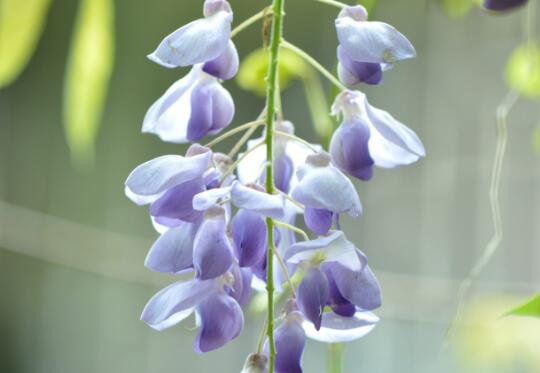
As for whether wisteria is toxic, it actually is. Its seeds are somewhat toxic, and if accidentally eaten, they can cause symptoms such as vomiting and diarrhea in humans. Although its seeds are toxic, the plant itself does no harm to humans and actually has many benefits. As for what they are? Let's take a look below.
2. Can pregnant women eat wisteria? It is advisable not to
After a woman becomes pregnant, her bodily functions change greatly. As for whether pregnant women can eat wisteria? Here the editor's advice is that it is best not to. After all, wisteria is somewhat toxic. For the sake of the child and her own health, a pregnant woman had best not eat wisteria, so as to avoid unnecessary trouble.
3. Can wisteria be grown indoors? Yes, it can
As for whether wisteria can be grown indoors, the answer is yes. Although wisteria seeds are somewhat toxic, the plant itself is not toxic and also has many benefits for people, so growing it indoors is completely fine. However, if grown indoors, it is best to grow it on a windowsill, so that it can also receive plenty of light.
4. Benefits of growing wisteria indoors
1. Beautifying the indoor environment
Wisteria is a highly ornamental flowering plant. Its flowers are graceful and it naturally has a fresh and elegant temperament. If you grow one at home, it will greatly improve the indoor environment and will also become an indispensable sight in the home.
2. Purifying indoor air
Wisteria is a natural air purifier. It has a natural resistance to harmful gases such as sulfur dioxide and hydrogen oxide, and it also has a certain ability to adsorb dust in the air. It also has benefits for people's lives such as increasing oxygen, lowering temperature, reducing dust, and reducing noise. It can make people's living environment healthier.
Do not grow toxic flowers indoors. Do you have any of these flowers at home?
At night, night-blooming jasmine stops photosynthesis and releases a large amount of carbon dioxide, which is harmful to human health. If kept in a bedroom or living room for a long time, it can make people dizzy and cough, and even cause asthma and insomnia.
The entire plant of heavenly bamboo (Nandina domestica) is toxic, mainly containing nantenine and other substances. Accidental ingestion can cause symptoms such as whole-body spasms and coma.
The entire plant of poinsettia is toxic. The white milky sap in the stems and leaves can cause allergic reactions in humans, leading to red, swollen, hot, and painful skin. After accidental ingestion, symptoms of poisoning such as nausea, vomiting, and diarrhea can occur, and even death.
The toxic part of calla lily is the flower, which contains a large amount of calcium oxalate crystals and alkaloids, so do not casually touch the cut stem or accidentally eat it, to prevent the toxins from entering the mouth and causing poisoning symptoms such as coma. Generally speaking, as long as the calla lily is not damaged, it will not cause great harm to the human body, but households should be cautious about growing it.
The entire plant of sensitive plant (Mimosa pudica) is toxic. The plant contains compounds such as flavonoids and mimosine, and the leaves of Mimosa pudica contain a contractile protein similar to myosin. If a person accidentally eats Mimosa pudica, their hair and eyebrows may suddenly fall out.
The seeds, stems, and bark of wisteria are all toxic. The seeds contain cytisine. After accidental ingestion, they can cause vomiting and diarrhea, and in severe cases can also cause bleeding from the mouth and nose, cold hands and feet, and even shock and death.
Common toxic flowers: which flowers are toxic and cannot be grown
Common toxic flowers: which flowers are toxic and cannot be grown
Some flowers are beautiful in appearance or have brightly colored blooms, and these characteristics make us love them. However, growers must understand that some flowers are toxic, so when growing flowers, pay a little attention and care for them carefully, making flower growing an easy and enjoyable thing.
1. Oleander
The stems, leaves, flowers, and floral scent of this plant are all toxic. If you smell its scent for a long time, it will make people drowsy and reduce intelligence. The milky white sap it secretes can also cause poisoning if accidentally ingested.
2. Poinsettia
The entire plant is toxic, especially the white sap in the stems and leaves, which irritates the skin, causing redness and swelling and triggering allergic reactions. If the stems or leaves are accidentally eaten, there is a risk of poisoning and death.
3. Corn poppy
The entire plant is toxic and contains toxic alkaloids, with the fruit being especially toxic. If accidentally eaten, it can cause central nervous system poisoning, and in severe cases may even endanger a person's life.
4. Heavenly bamboo
The entire plant is toxic. After accidental ingestion, it can cause poisoning symptoms such as whole-body twitching, spasms, and coma.
5. Lantana
The flowers and leaves are both toxic. If accidentally eaten, they can cause symptoms such as diarrhea and fever.
6. Tulip
The flowers contain toxic alkaloids. After staying beside them for 2 to 3 hours, symptoms of poisoning such as dizziness and mental confusion can occur, and in severe cases can also lead to hair loss, so this flower is not suitable for growing at home.
7. Azalea
The plants and flowers of yellow azaleas and the flowers of white azaleas all contain toxins. Accidental ingestion can cause poisoning, and in severe cases can endanger a person's health.
8. Narcissus
Growing it at home is generally no problem, but do not break its bulb, which contains lycorine. Accidental ingestion can cause vomiting and enteritis in humans; the sap of the leaves and flowers can cause red and swollen skin. Be especially careful not to get this sap into your eyes, as it may cause blindness.
9. Sensitive plant
It contains toxins. Too much contact can cause sparse eyebrows, yellowing hair, and even hair loss. So do not fiddle with it too much with your fingers.
10. Wisteria
Its seeds, stems, and bark are all toxic. After accidental ingestion, it can cause vomiting and diarrhea, and in severe cases can also cause bleeding from the mouth and nose, cold hands and feet, and even shock and death.
11. Cactus
The spines contain toxic sap. After a person is pricked, it can cause allergic symptoms such as red, swollen, painful, and itchy skin, making the whole body uncomfortable and unsettled.
12. Pencil cactus
The white sap that flows out after its stem is broken can cause red and swollen skin, and if it gets into the eyes, it can cause blindness.
13. Lantana
The flowers and leaves are toxic. Accidental ingestion can cause diarrhea and fever.
14. Dumb cane
The flowers and leaves contain oxalic acid and asparagine. After accidental ingestion, they can cause swelling and pain in the mouth, throat, esophagus, and stomach and intestines, and even damage the vocal cords, causing a person to become mute.
Here we have briefly introduced some flowers that contain toxins. Of course, there are many more, so before buying flowers, we should first clearly understand whether they are toxic and how to avoid the risks. For some flowers that cause poisoning if accidentally eaten, if there are children at home, try not to buy them, or after buying them, place the flowers somewhere children cannot reach. If some flowers have toxic floral scents, try not to buy them, or place them far away from people in a very well-ventilated place.