What to Do When Hosta Leaves Turn Yellow? Apply Light Fertilizer, Water Frequently, Avoid Strong Light
Among the effects and uses of hostas, the most widely known is their ornamental value. However, during the process of growing hostas, if the method is wrong, yellowing leaves are very likely to occur. So what should you do when hosta leaves turn yellow? Below, the editor will walk you through it.
1. What to Do When Hosta Leaves Turn Yellow / Find the Cause
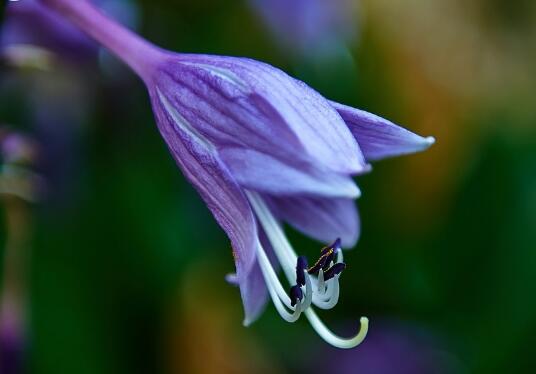
If you want to know what to do when hosta leaves turn yellow, first you need to know what is causing it. As long as you find the cause, dealing with it is actually fairly simple. The details are covered in the text below, so let's take a look.
2. Causes of Yellowing Hosta Leaves and Solutions
1. Improper fertilizing
During the growth of hostas, fertilizer is one of their main nutrients. If too little or too concentrated fertilizer is applied, it can cause hosta leaves to turn yellow. Too little fertilizer leads to insufficient nutrients and yellowing leaves, while concentrated fertilizer easily burns the hosta and causes yellowing leaves.
Solution: During the growing season, hostas have a fairly high demand for fertilizer, so it is best to fertilize once a month. However, before fertilizing, you must first dilute it with water so the hosta can absorb it better; otherwise, it easily burns the plant.
2. Too little watering
During cultivation, hostas need frequent watering. Only sufficient water allows them to grow faster. If you water too little or the intervals are too long, it will cause hosta leaves to turn yellow, so everyone should pay attention to this.
Solution: If the yellowing leaves are caused by too little watering, we need to replenish the water. However, do not water too much; just keep the soil moist. If you water too much and waterlogging occurs, it easily causes the hosta roots to rot.
3. Strong light exposure
Hosta is a typical shade plant, so during cultivation it must not be exposed to strong light. If the light is too strong, it will cause hosta leaves to turn yellow, which not only ruins its beauty but also affects its growth.
Solution: During the growing season, it is best to move hostas to a semi-shaded spot for cultivation. This avoids direct sunlight and this environment is also more favorable for hosta growth, so everyone should pay attention to this.
What to Do When Hosta Leaves Turn Yellow: Causes and Solutions for Yellowing Hosta Leaves
Hosta is also known as white crane immortal and white calyx. It is a perennial herbaceous flower of the Liliaceae family. What should you do when you encounter yellowing hosta leaves during cultivation? Next, follow along to see the causes and solutions for yellowing hosta leaves.
1. Unsuitable soil
Growing hostas requires well-drained soil. Poorly drained planting medium causes waterlogging, which leads to root rot and yellowing leaves in hostas.
Solution: When planting hostas in the open ground, choose deep sandy loam with good drainage, or mix in potting soil; for container growing, choose loose, fertile potting soil.
2. Overwatering
During cultivation, if watering is excessive and drainage is poor, the roots rot due to lack of oxygen, causing the leaves to turn yellow.
Solution: Do not overwater hostas, so as to avoid excess moisture. During the rainy season, drain promptly after rain.
3. Too little watering
Hostas like water and cannot tolerate drought. Pay attention to watering during the growing season. Long-term insufficient water supply makes leaves prone to withering and yellowing. If the environment is too dry or exposed to dry hot winds, it can also easily cause yellow leaves.
Solution: During the growing season, keep the potting soil moist. When the air is dry, spray water on the leaves to maintain humidity.
4. Excessive light
Hosta is a shade-loving plant and cannot tolerate direct strong light, especially in summer. Under direct strong light, in mild cases the leaves go from thick to thin and the leaf color changes from emerald green to yellow-white, with poor growth; in severe cases the leaves turn yellow and even necrotic spots appear at the leaf margins.
Solution: When planting hostas, choose a spot with shade and no direct sunlight. For container growing, in summer it should also be placed in a spot with more than 80% shade.
5. Too much fertilizer
Hostas do not need much fertilizer. In addition to applying sufficient base fertilizer before planting, after the plant sends up flower scapes you can appropriately apply some potassium dihydrogen phosphate, which will make the flowers bloom very well. But if too much fertilizer is applied during growth, especially concentrated or raw fertilizer, it is even more likely to cause leaves to turn yellow and drop.
Solution: Fertilize hostas in moderation so they can grow vigorously, with emerald leaves and fragrant flowers. When fertilizing, prevent liquid fertilizer from getting on the branches and leaves.
More informationHow to Grow Hostas: Cultivation Methods and Precautions for Hostas / Avoid Strong Light
Hosta is a highly ornamental plant. It can be seen in many gardens in our country, and many people in our country also grow it. However, there are many things to pay attention to during cultivation. So how do you grow hostas? What are the cultivation methods and precautions for hostas? Below, the editor will walk you through it.
1. How to Grow Hostas
2. Cultivation Methods and Precautions for Hostas
1. Soil selection
During hosta cultivation, choosing the soil is the first step and the step that lays the foundation, so it is very important. Generally, it is best to choose fairly fertile sandy soil. This kind of soil has good drainage and aeration, allowing hostas to absorb nutrients better during growth.
2. Fertilizer management
Among the cultivation methods and precautions for hostas, fertilizing is a very important part. Hostas have a fairly high demand for fertilizer during growth, basically requiring fertilization once a month. However, when fertilizing, remember that the fertilizer must first be diluted; otherwise, it easily burns the plant.
3. Environmental control
As the editor mentioned above, hosta is a shade plant, so during cultivation it is best to maintain environmental humidity so it can grow better. Remember not to grow it in too dry an environment.
4. Watering management
In the cultivation methods and precautions for hostas, watering is also fairly important. Hostas like moist environments, so during cultivation you need to keep the soil moist and water frequently. However, do not water too much; if you water too much and cause waterlogging, it may cause the roots to rot.
5. Light management
When growing hostas, avoid strong light. Generally, it is best to grow them in a semi-shaded spot. If they receive direct sunlight for a long time, it easily causes their leaves to turn yellow and also affects their development.
6. Pest and disease control
During the growth of hostas, if care is improper, pests and diseases are very likely to appear. These problems are also the most headache-inducing. So when they appear, you must deal with them promptly; otherwise, if things drag on, the plant can easily die. For specific treatment methods, you can refer to the article on pest and disease control for hostas. The editor will not go into too much detail here.