Rose of Sharon cultivation methods and precautions: water and fertilizer should not be excessive
We know that among the effects and benefits of rose of Sharon, it not only has high nutritional value but can also treat many ailments, so many people grow it. So how should rose of Sharon be grown to thrive better? Let us look at the cultivation methods and precautions for rose of Sharon.
How to grow rose of Sharon
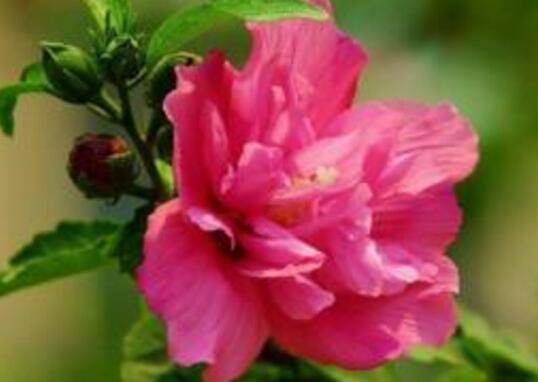
To know the cultivation methods for rose of Sharon, you must first understand its growth habits. Rose of Sharon has very strong adaptability to the environment. It has characteristics such as tolerance to dryness, shade, heat, cold, pruning, waterlogging, and poor soil, and on top of this its sprouting ability is extremely strong, so it is very easy to grow.
Suitable environment for rose of Sharon
1. Soil
The soil requirements of rose of Sharon may be the loosest among plants. It can grow in heavy clay and can also grow in poor soil, but to grow it better, using fertile, well-drained acidic soil is preferable.
2. Temperature
Rose of Sharon has strong cold and heat tolerance, but it prefers a warm environment, so in the cultivation methods and precautions for rose of Sharon, a temperature of 18-25 degrees is most suitable. At this time it grows fastest. In winter, note that the temperature must not be below 0 degrees, and in summer it should not be above 35 degrees.
3. Light
Rose of Sharon has outstanding shade tolerance and can grow normally in a semi-shaded environment, but it prefers an environment with ample light. Lack of light will cause its flower color to be dull and its flowering to be reduced, so it should be placed in a bright place for care. If it is in a full-light environment, it should be shaded in summer.
Cultivation methods for rose of Sharon
1. Watering
Rose of Sharon has strong tolerance to both drought and waterlogging, but during cultivation, the soil should be kept from becoming too dry or frequently waterlogged. Therefore, when watering, keep the soil moist and do not let it become too dry. In summer, water should also be sprayed on the leaves.
2. Fertilizing
Rose of Sharon is a plant that likes fertilizer, so how should rose of Sharon be grown when fertilizing? Pay attention to rational fertilization. For example, before buds form, additional phosphorus and potassium fertilizer is needed to promote flowering and make the flower color more vivid, while during the growth period, nitrogen fertilizer should be applied to provide the nutrients needed for growth and make the leaves more emerald green.
3. Pruning
When rose of Sharon sprouts in spring, it can be shaped and pruned. In the spring of the second year after planting, the trunk can be cut back to promote branching at the base, thereby training rose of Sharon into an ideal tree shape and giving it higher ornamental value. In the cultivation methods and precautions for rose of Sharon, pruning is easily overlooked.
Precautions for growing rose of Sharon
1. Loosening soil and repotting
Whether cultivated in the open ground or in pots, regular soil loosening and repotting are needed. Generally, the soil should be loosened or the pot changed once every 1-2 years, so as to ensure soil permeability and good drainage, and at the same time prevent the soil from becoming too poor and affecting flowering.
2. Soil disinfection
Although rose of Sharon does not have high soil requirements, it is not completely without requirements, and the most important point is that the soil must be healthy and free of pathogens and insect eggs. To achieve this, the soil needs to be disinfected before planting.
3. Water and fertilizer should not be excessive
Whether watering or fertilizing, note that excessive amounts should be avoided. Do not water heavily just because it tolerates waterlogging, causing the roots to soak in water for a long time, and excessive fertilization will cause the leaves to become thick and fleshy and will also affect bud formation. This kind of shortcut approach is not advisable when growing rose of Sharon.
How to grow potted rose of Sharon
If growing rose of Sharon in household pots, in addition to understanding the above points, attention should also be paid to the prevention and control of pests and diseases. The preventive method is to keep the environment ventilated and clean, and when pests and diseases occur, promptly use medication for treatment to avoid the spread of damage.
How to grow flowers in autumn, methods for planting flowers in autumn
Autumn flower cultivation methods, how to grow flowers in autumn?
1. Watering. For most flowers, water once every 1-2 days according to the dryness or moisture of the potting soil; for flowers that bloom in autumn and winter or early spring, as well as autumn-sown herbaceous flowers, water normally according to the actual needs of each type of flower. Other flowers should gradually reduce the amount of watering to avoid excessive water and fertilizer, which can cause leggy growth and affect flower bud differentiation and safe overwintering; for moisture-loving foliage plants, in addition to daily watering, water should also be sprayed 1-2 times; for some acid-loving flower species, an appropriate amount of ferrous sulfate can be added to the water, with a concentration not greater than 0.1%.
2. Fertilizing. Since this is the period of vigorous growth for most flowers, in addition to ensuring water supply, fertilizing is also crucial. According to the habits and needs of different flower species, apply additional fertilizer of different types and concentrations.
For autumn chrysanthemums, osmanthus, camellias, rhododendrons, and others that bloom once a year, apply 2-3 additional liquid fertilizers mainly based on phosphorus fertilizer in a timely manner, otherwise not only will the flowers be few and small, but bud drop may also occur; for roses, Aglaia, jasmine, hibiscus, four-season begonias, and fruit-viewing plants such as kumquat and pomegranate that bloom multiple times a year, in addition to ensuring nitrogen supply, an appropriate amount of phosphorus and potassium fertilizer should also be applied, such as potassium dihydrogen phosphate, superphosphate, etc.; for foliage plants such as Monstera deliciosa and Brazilian wood, low-concentration nitrogen-containing liquid fertilizer can be applied to promote lush and emerald leaves; for most flowers, after Cold Dew in northern regions, the temperature becomes lower, and generally no more fertilizing should be done.
3. Shaping and pruning. When the autumn temperature is around 20°C, many flowers will sprout tender branches. Except for some tender branches that should be retained, the rest should be cut off in a timely manner to reduce nutrient consumption. The retained tender branches should also be pinched in a timely manner to prevent leggy growth; for flowers that bud in autumn such as chrysanthemums, roses, and rose of Sharon, except for retaining one well-growing main bud at the top, the side buds should all be removed in a timely manner; for species that bloom for a long time, such as roses, hibiscus, jasmine, and geraniums, the spent flowers and faded stems should be removed in a timely manner, and the tips of branches that have already bloomed should be pruned to promote the growth of lower side shoots, so as to continue blooming continuously.
Around Cold Dew in northern regions, most flowers should be moved indoors one after another for overwintering according to their degree of cold resistance, so as to avoid cold damage. The time for moving indoors should vary according to the flower species and the region. For most flowers, when the weather first turns cold, if there is no frost, do not rush to move them indoors, because moving them indoors too early will affect nutrient accumulation and is unfavorable for growth the following year. Therefore, under the premise of not suffering cold damage, the time for moving indoors should be a bit later.
Three key points for flower care in early autumn
Autumn is a season of variable temperatures: early autumn is like summer, mid-autumn is more moderate, and late autumn is already cold. This is also the time when most flowers enter their second growth period. For flowers at this time, water and fertilizer management is extremely important.
Watering: For most flowers, water once every 1-2 days according to the dryness or moisture of the potting soil; for flowers that bloom in autumn and winter or early spring, as well as autumn-sown flowers, water normally according to the actual needs of each type of flower. Other flowers should gradually reduce the amount of watering to avoid excessive water and fertilizer, which can cause leggy growth and affect flower bud differentiation and safe overwintering; for moisture-loving foliage plants, in addition to daily watering, water should also be sprayed 1-2 times; for some acid-loving flower species, an appropriate amount of ferrous sulfate can be added to the water, with a concentration not greater than 0.1%.
Fertilizing: Since this is the period of vigorous growth for most flowers, in addition to ensuring water supply, fertilizing is also crucial. According to the habits and needs of different flower species, apply additional fertilizer of different types and concentrations. For autumn chrysanthemums, osmanthus, camellias, rhododendrons, and others that bloom once a year, apply 2-3 additional liquid fertilizers mainly based on phosphorus fertilizer in a timely manner, otherwise not only will the flowers be few and small, but bud drop may also occur; for roses, Aglaia, jasmine, hibiscus, four-season begonias, and fruit-viewing plants such as kumquat and pomegranate that bloom multiple times a year, in addition to ensuring nitrogen supply, an appropriate amount of phosphorus and potassium fertilizer should also be applied, such as potassium dihydrogen phosphate, superphosphate, etc.; for foliage plants such as Monstera deliciosa and Brazilian wood, low-concentration nitrogen-containing liquid fertilizer can be applied to promote lush and emerald leaves; for most flowers, after Cold Dew in northern regions, the temperature becomes lower, and generally no more fertilizing should be done.
Shaping and pruning: When the autumn temperature is around 20°C, many flowers will sprout tender branches. Except for some tender branches that should be retained, the rest should be cut off in a timely manner to reduce nutrient consumption. The retained tender branches should also be pinched in a timely manner to prevent leggy growth; for flowers that bud in autumn such as chrysanthemums, roses, and rose of Sharon, except for retaining one well-growing main bud at the top, the side buds should all be removed in a timely manner; for species that bloom for a long time, such as roses, hibiscus, jasmine, and geraniums, the spent flowers and faded stems should be removed in a timely manner, and the tips of branches that have already bloomed should be pruned to promote the growth of lower side shoots, so as to continue blooming continuously.
Around Cold Dew in northern regions, most flowers should be moved indoors one after another for overwintering according to their degree of cold resistance, so as to avoid cold damage. The time for moving indoors should vary according to the flower species and the region. For most flowers, when the weather first turns cold, if there is no frost, do not rush to move them indoors, because moving them indoors too early will affect nutrient accumulation and is unfavorable for growth the following year. Therefore, under the premise of not suffering cold damage, the time for moving indoors should be a bit later.