How to grow Gerbera daisies? Potted Gerbera daisy (florist's gerbera) cultivation methods and precautions
Gerbera daisy, also known as the florist's gerbera, has large and brilliantly colored flowers. It is a very famous and popular ornamental plant, often used as material for cut flowers and dried flowers. In daily life, many flower enthusiasts like to grow Gerbera daisies themselves, so how do you grow Gerbera daisies? Below are the editor's selected cultivation methods and precautions for Gerbera daisies, very comprehensive, so anyone who wants to grow them should definitely take a look~
1. How to grow Gerbera daisies: understand their habits
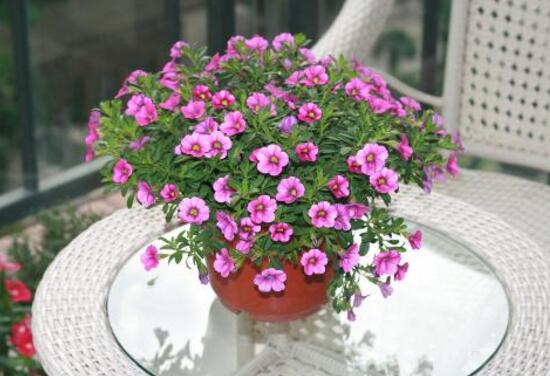
Growing indoors is not like growing in the wild; we have to create everything ourselves, so to know how to grow Gerbera daisies, we first need to understand their growth habits and then create an environment favorable for their growth. In this regard, the editor will bring you the cultivation methods and precautions for Gerbera daisies from the aspects of soil, light, temperature, watering, fertilizing, pruning, and more. Let's continue reading.
2. Cultivation methods and precautions for potted Gerbera daisies
1. Soil: slightly acidic
How to grow potted Gerbera daisies? First, of course, is choosing the soil. Whether you are planting them yourself or repotting, the choice of soil is crucial. According to the growth habits of Gerbera daisies, you should choose loose, fertile, well-draining, slightly acidic soil.
Pot and soil selection: The pot does not need to be too large; 12-18cm is suitable for Gerbera daisies; for soil, you can use a mix of 2 parts peat and 1 part perlite, or a commercially available potting soil with peat as the main component, such as Cuiyun and others.
2. Light: full sun in winter
During the cultivation of Gerbera daisies, we need to provide them with sufficient light. Because Gerbera daisies love light and have relatively high light requirements, when not lacking water, the more sun they get, the stronger they grow, growing fast and blooming abundantly.
Precautions: Be sure to give Gerbera daisies sufficient light. When light is insufficient, artificial supplementary lighting is needed. In addition, in summer, when the sunlight is too strong, you need to shade Gerbera daisies from some of the intense sunlight, while in winter, try to ensure full sun.
3. Temperature: 20-25°C
In the cultivation methods for Gerbera daisies, temperature is also something everyone needs to pay attention to. It is understood that Gerbera daisies are neither heat-tolerant nor cold-tolerant. When growing indoors, it is best to keep the temperature between 20-25°C.
Precautions: In winter, the temperature should not drop below 10°C, otherwise Gerbera daisies will stop growing. It is worth mentioning that the extreme tolerance temperature for Gerbera daisies is 5-40°C, but it cannot last too long. Everyone must pay attention to this point.
4. Watering
How to grow Gerbera daisies? Watering is naturally indispensable. It is understood that Gerbera daisies prefer humid environments. During the growing season, we need to ensure an adequate water supply. In summer when temperatures are high, you can water lightly and frequently; in winter when temperatures are low, the watering interval can be longer.
Watering timing: You can often touch the leaves of Gerbera daisies with your hand. If they are firm, they do not need water; when they are slightly soft but not wilting is the best time to water.
Precautions: When watering Gerbera daisies, do not choose noon; it is best to schedule it in the morning or evening. In addition, be careful not to water into the center of the leaves.
5. Fertilizing
Having covered watering, let's talk about fertilizing, which is also very important in the cultivation methods for Gerbera daisies. It is understood that Gerbera daisies have a high demand for fertilizer. Fertilizing should be light and frequent; in spring, fertilize once a week; in summer and winter, fertilize less, once every half month is sufficient.
Precautions: When the temperature is too high or too low, stop fertilizing. In addition, fertilizing Gerbera daisies should be adequate and balanced. Like other herbaceous plants, if you want them to grow strong, use a fertilizer with balanced nitrogen, phosphorus, and potassium. As for how to fertilize Gerbera daisies, the specifics were introduced earlier, so we won't say more here.
6. Pruning
The above points must be done in the process of growing Gerbera daisies, and the following are things everyone needs to pay special attention to, such as pruning and pest and disease control. First is pruning. During the growth process, Gerbera daisy leaves may turn yellow or become too dense. At this time, you should prune appropriately, cutting off yellow leaves, dead leaves, and overly dense leaves.
7. Pests and diseases
During the growth of Gerbera daisies, due to improper care and various other reasons, pest infestations and diseases will inevitably occur. Among them, diseases include powdery mildew, leaf spot, and viral diseases, while pests include whiteflies, cabbage caterpillars, and thrips. As for what to do, there is a detailed introduction in the pest and disease control section for Gerbera daisies, which you can refer to for solutions.
Florist's gerbera / Gerbera daisy flower meaning: cultivation methods and growing techniques for Gerbera daisies
Gerbera daisy, also known as the florist's gerbera, symbolizes mutual respect and love, perseverance, and fearlessness of hardship. In some regions, people like to use florist's gerberas to make bouquets for decorating the bridal room during wedding celebrations. Taking its homophonic meaning, it reflects the mutual respect and love of newlyweds. Gerbera daisy is a perennial herbaceous plant with many flower colors, including white, purple, yellow, red, and orange. Want to learn more about Gerbera daisy flower meanings, cultivation methods, and growing techniques? wed114 will give you a detailed explanation!
Florist's gerbera / Gerbera daisy flower meaning: cultivation methods and growing techniques for Gerbera daisies
Gerbera daisy flower meaning
The flower meaning of Gerbera daisy symbolizes mystery, mutual respect and love, perseverance, and fearlessness of hardship.
The flower meaning of Gerbera daisy is eternal happiness. Its most commonly used flower meaning in China: elegant, noble, and reclusive.
Potted Gerbera daisy production
Some friends have grown them in pots, so the editor will tell everyone about the aspects that need attention in the daily production process of potted Gerbera daisies.
1. The production greenhouse must have relevant facilities that meet conditions for ventilation, shading, and heating. If possible, it should also be equipped with seedbeds, ground cloth, or an irrigation system. The greenhouse used for production must be sealed to prevent insects from entering.
2. Temperature should be controlled between 15°C and 25°C, with the maximum temperature limit not higher than 30°C, and the minimum not lower than 13°C. Under general production conditions, the daily average temperature is 18°C to 19°C; when it exceeds 19°C, ventilation should be applied.
3. The medium must have good air permeability and drainage performance. The best substrate is a mix of peat and perlite. The pH value should be 5.5 to 6.0, and the EC value should be 0.7 to 1.0. This is beneficial for Gerbera daisies' absorption of trace elements.
Florist's gerbera / Gerbera daisy flower meaning: cultivation methods and growing techniques for Gerbera daisies
4. Potted Gerbera daisies are very sensitive to water. The correct watering time is in the morning or evening, and the plants should be relatively dry at nightfall. When Gerbera daisy plants begin to grow roots, they must be watered from below, and a bottom-soaking method can be used; during high temperatures, you can water from above the plants, but be careful to prevent fungal mold starting from the center of the plant.
5. Gerbera daisies relatively like fertilizer. When fertilizing in summer, the ratio of nitrogen to potassium is 2:1, and in winter it is 1.5:1. The pH value of the fertilizer should be 5.5 to 6.0.
Florist's gerbera / Gerbera daisy flower meaning: cultivation methods and growing techniques for Gerbera daisies
6. The most suitable day length for Gerbera daisies during growth is 11 hours to 13 hours. When light is low, artificial supplementary lighting can be used. Requirements for artificial supplementary lighting: 3500 to 4000 lux per square meter. Supplementary lighting should be carried out 4 weeks after the plants are potted.
Summary: The above are the flower meanings and cultivation methods of Gerbera daisies. Friends in need can refer to them accordingly. Different plants correspond to different cultivation methods, so everyone should pay attention to the methods and pest and disease control when growing them.
How to grow Gerbera daisies? Cultivation methods and precautions for Gerbera daisies
Gerbera daisy, also known as florist's gerbera, lamp flower, Persian flower, etc., is a perennial herbaceous plant of the genus Gerbera in the Asteraceae family. Gerbera daisies have rich flower colors, such as the red “Passion”, the white “Bianca”, and the yellow “Sun Dance”, etc., with high ornamental value, and are often potted indoors. So, how do you grow Gerbera daisies? The cultivation methods and precautions for Gerbera daisies are introduced below.
Image: Gerbera daisy
1. Cultivation methods for Gerbera daisies
1. Light and temperature:Gerbera daisies like a growing environment with sufficient light and have relatively high light requirements. Sufficient light should be maintained during the growth process of Gerbera daisies. When light is insufficient, artificial supplementary lighting is needed. In addition, in summer, you need to shade Gerbera daisies from some of the intense sunlight, while in winter, try to ensure full sun. Gerbera daisies are plants that are neither heat-tolerant nor cold-tolerant. The suitable temperature for their growth is 20°C-25°C. In winter, the temperature should not be lower than 10°C, otherwise growth will stop.
2. Soil:Gerbera daisies like fertile and loose soil, require good drainage, and slightly acidic soil is more suitable.
Image: Gerbera daisy
3. Watering and fertilizing:Gerbera daisies have relatively high water and fertilizer needs. During the growing season, maintain an adequate supply of water and fertilizer. Watering should vary according to seasonal changes; in summer, you can water more frequently, and in winter, the watering interval can be longer. Watering time can be scheduled in the morning or evening, and be careful not to water into the center of the leaves. Gerbera daisies also have a high demand for fertilizer. Fertilizing should be light and frequent. Generally, in spring and autumn, fertilize once a week; in summer and winter, fertilize less, once every half month, and stop fertilizing if the temperature is too high or too low.
4. Propagation methods:Gerbera daisies can be propagated by sowing, but the offspring will show variation, so generally division propagation and cutting propagation are used, and tissue culture can also be used.
Image: Gerbera daisy
2. Precautions for growing Gerbera daisies
1. Pruning:During the growth of Gerbera daisies, due to the growth of branches and leaves, leaves may turn yellow or become too dense. At this time, pruning is needed, cutting off yellow leaves, dead leaves, and overly dense leaves.
2. Pests and diseases:During the growth of Gerbera daisies, there will be diseases such as powdery mildew, leaf spot, and viral diseases, as well as pests such as whiteflies, cabbage caterpillars, and thrips.
[Editor's concluding remarks]Gerbera daisies like an environment that is warm in winter and cool in summer, with air circulation and sufficient sunlight. They are not cold-tolerant and avoid extreme heat, so special attention is needed during care. The above has introduced the cultivation methods and precautions for Gerbera daisies, hoping to help everyone!