What to do when calendula leaves turn yellow? Pay attention to 7 points, fertilize appropriately and repot into a larger pot
Calendula, a highly ornamental flower, is loved by gardening enthusiasts for its beautiful blooms and vivid flower colors. In daily life, many people grow calendula, but beginners often encounter yellowing leaves when growing it, which seriously affects its ornamental value. So what should you do when calendula leaves turn yellow? On this, the editor has summarized 7 causes of yellowing calendula leaves. Let's take a look together!
1. What to do when calendula leaves turn yellow: find the cause
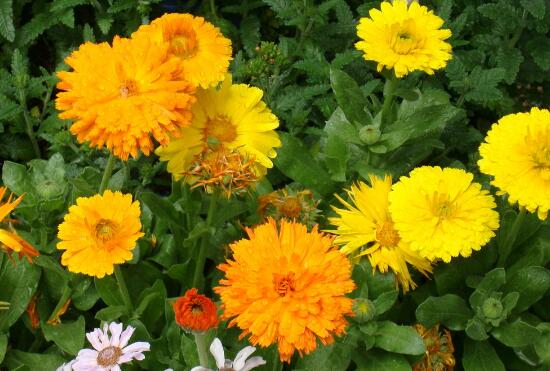
Although calendula is easy to grow, if it is not cared for properly, for example if you do not strictly follow the cultivation methods for calendula, symptoms of yellowing leaves may appear. People often think calendula is sick, but in fact this is only one cause; improper watering, fertilizing and lighting can all cause yellow leaves. Below are 7 causes of yellowing calendula leaves and their solutions. Let's continue reading.
2. Causes of yellowing calendula leaves and their solutions
1. Sudden environmental change
There are actually many causes of yellowing calendula leaves, but environmental factors are the first thing to consider. The reason is that many gardening enthusiasts buy their calendula online, which easily results in a large regional gap; the calendula cannot adapt for a while, and thus shows symptoms of yellow leaves.
Solution: At this point you can communicate with the seller to find out the growing environment the calendula was in before purchase, then recreate the same environment at home. After that, change it slowly until the plant fully adapts to the current environment. After some time, the calendula will recover its health.
2. Big plant, small pot
In fact, a pot that is too small is also one of the causes of yellowing calendula leaves. It is said that some calendula varieties have large flowers and many roots, and once water and fertilizer are sufficient, they will grow very large. If the pot is too small at this point, it cannot meet the calendula's growth needs; its old leaves will dry, turn yellow and lose their luster, and the new leaves will be thin and weak.
Solution: Very simple. Repot frequently; when you feel the calendula has grown big enough, move it to a slightly larger pot, and add 30% leaf mold to the soil to ensure normal growth.
3. Overwatering (water-induced yellowing)
Calendula likes a moist environment, so we usually need to water it more. But beginners easily make mistakes here; because they cannot judge the watering amount and frequency, they overwater, which causes water to accumulate in the potting soil, leading to oxygen deprivation, root rot, and finally causing the new leaves to turn pale yellow.
Solution: Once discovered, watering should be controlled immediately, then move the pot to a ventilated, sunny spot so the water evaporates quickly, and loosen the soil frequently. In severe cases, it is even simpler: just replace the potting soil directly so the plant becomes fresh again.
4. Insufficient humidity
Too much watering is bad, but too little watering is also bad. If the weather is dry and indoor humidity is low, yellowing calendula leaves can also appear.
Solution: Frequently spray and wash the branches and leaves with water close to room temperature to increase air humidity. Then water the pot; when watering, do it gradually and do not water too much at once.
5. Overfertilizing
Calendula likes fertilizer, but you cannot fertilize too much. Once there is too much, the flower cannot absorb the excess fertilizer, which causes root burn and affects the absorption of water and nutrients, resulting in yellow leaves.
Solution: Very simple. If you have fertilized too much, water more to dilute the fertilizer in the soil. If the condition is severe and root rot appears, you can cut off the rotten roots, replace the potting soil, and replant.
6. Cold damage
Calendula likes a warm environment. If it is moved outdoors before temperatures have risen, or if temperatures drop very low and it has not yet been moved indoors, the calendula will suffer cold injury and show symptoms of yellow leaves.
Solution: Do a good job of cold protection in early spring and late autumn. If yellowing calendula leaves are caused by temperatures that are too low, you should immediately move the potted plant indoors and keep the indoor temperature at 7-20°C.
7. Pests and diseases
Besides the points above, yellowing calendula leaves can also be caused by mosaic virus disease. Symptoms: the calendula leaves turn yellow and also show mottled patches of yellow and green.
Solution: Pay attention to timely disease prevention, spray medicine promptly, and provide sufficient light and ventilation. As for the specific steps, they are covered in detail in calendula pest and disease control, so I will not say more here.
Overall, calendula is not difficult to grow, but after all it has its own growth habits, so symptoms of yellow leaves are hard to avoid. However, after reading the above, I believe everyone knows not to panic, right? When problems appear, just follow the methods above. That is all the editor has to share about yellowing calendula leaves, and I hope it helps everyone.
What causes yellowing calendula leaves? What to do when calendula leaves turn yellow
Calendula likes a sunny environment, has strong adaptability, can tolerate lows of -9°C, and fears hot weather. It is not picky about soil, but loose, fertile, slightly acidic soil is best. It can self-sow, grows fast, is relatively cold-tolerant, and is not picky about soil. So what causes yellowing calendula leaves? What should you do when calendula leaves turn yellow? Below, the wed114 wedding website editor brings you the detailed content.
What causes yellowing calendula leaves
1. Big plant, small pot
Some calendula varieties have larger flowers and more roots, and need more water and fertilizer; a small pot cannot meet their growth needs, so at this point the old leaves dry, turn yellow and lose their luster, and the new leaves are thin and weak. Repot every few decades, and add 30% leaf mold to the soil to ensure normal growth.
2. Lack of water
Reduced watering will cause the plant's leaves to droop. At this point, spray water on the leaves immediately, then water the pot; when watering, do it gradually and do not water too much at once.
When the weather is dry and indoor humidity is low, yellow leaves can also appear. This is especially severe in areas where coal fires or heating are used indoors in winter. At this point, frequently spray and wash the branches and leaves with water close to room temperature to increase air humidity. In summer, frequently sprinkle water on the ground to keep the local environment moist.
3. Improper fertilizing
During the growing period of calendula, not fertilizing for a long time or fertilizing insufficiently will cause yellow leaves. When fertilizing too much, the flower cannot absorb the excess fertilizer, which causes root burn and affects the absorption of water and nutrients.
In summer, fertilize once a week, and never fertilize too much. If you have fertilized too much, water more to dilute the fertilizer in the soil. When fertilizer is lacking, the soil can become compacted; fertilize immediately, results appear within a week, then fertilize regularly so the flower grows normally.
4. Cold damage
If calendula is moved outdoors too early and is hit by cold wind, or if it is not moved indoors in time during the cold autumn, the flower will suffer freezing injury and develop yellow leaves. Therefore, do a good job of cold protection in early spring and late autumn.
5. Pests and diseases
Yellowing calendula leaves are often caused by mosaic virus disease. The yellowing leaves also show mottled patches of yellow and green. Pay attention to timely disease prevention, spray medicine promptly, and provide sufficient light and ventilation.
Cultivation and care of calendula
When the seedlings have 3 true leaves, transplant once; when they have 5-6 true leaves, plant them in 10-12 cm pots. 7-10 days after planting, pinch the growing tips to encourage branching, or spray the leaf surface 1-2 times with 0.4% daminozide solution to control plant height. During the growing period, fertilize once every half month, or use "Huiyou" 20-20-20 general-purpose fertilizer. With sufficient fertilizer, calendula blooms more and larger. Conversely, with insufficient fertilizer, the flowers clearly become smaller and degenerate. If not saving seed during the flowering period, cut off faded flowers, which helps the flowering branches sprout, produce more blooms, and extend the viewing period. To save seed, choose plants with large, brightly colored flowers and pure variety; collect seed on sunny days to prevent shedding.
During the growing period of calendula, keep the soil moist, and apply 10 times diluted decomposed urine once every 15-30 days, stopping fertilization at the end of February. When calendula reaches the late seedling stage, with 4-5 leaves, pinching the tips (that is, pinching) can promote side branch development and increase the number of flowers. Removing the top immediately after the first flush of flowers fades can also encourage side branches to bloom again.
In addition, treat the seeds at low temperature before sowing: place the seeds in a 0°C refrigerator for 24 hours, take them out, and sow them directly in the open field. The seedbed should be shaded; they sprout in mid-August. Apply diluted decomposed manure water once a week, and they can also bloom in late September.
The flowering period of calendula can be adjusted by changing cultivation measures. The main adjustment measures are as follows:
1. After normal flowering in early spring, promptly remove the spent flower stems to encourage new branches to grow and bloom; strengthen water and fertilizer management, and by September-October it can bloom again.
2. Sow in pots in late August in autumn
3. Sow directly in the courtyard in late March or early April. After the seedlings emerge fully, thin them appropriately or transplant, and provide reasonable fertilizer and water conditions; they can bloom in early June. Because calendula flowering requires a fairly long low-temperature stage, spring-sown plants grow weaker and have smaller flowers than autumn-sown ones.
4. Sow in the open field in late August in autumn. When the lowest temperature rises to 0°C, remove the straw curtain immediately. At this point, water appropriately to keep the soil moist, and at the same time apply diluted cake fertilizer water once about every 15 days. In this way, by May Day, the calendula can bloom in full glory.
In addition, place calendula seeds in a 0°C refrigerator for several days for low-temperature treatment, then sow in the open field in early August, and they can also bloom in late September.
What to do when calendula leaves turn yellow, and how to handle it
When calendula leaves turn yellow, people often think bacteria are to blame, but in fact this is only one cause; improper watering, fertilizing and lighting can all cause yellow leaves. Below, let's look at the causes of yellowing calendula leaves.
Analysis of yellowing calendula leaves: big plant, small pot causing yellowing calendula leavesSome calendula varieties have larger flowers and more roots, and need more water and fertilizer; a small pot cannot meet their growth needs, so at this point the old leaves dry, turn yellow and lose their luster, and the new leaves are thin and weak. Repot every few decades, and add 30% leaf mold to the soil to ensure normal growth.
Lack of water causing yellowing calendula leavesReduced watering will cause the plant's leaves to droop. At this point, spray water on the leaves immediately, then water the pot; when watering, do it gradually and do not water too much at once.
When the weather is dry and indoor humidity is low, yellow leaves can also appear. This is especially severe in areas where coal fires or heating are used indoors in winter. At this point, frequently spray and wash the branches and leaves with water close to room temperature to increase air humidity. In summer, frequently sprinkle water on the ground to keep the local environment moist.
Improper fertilizing causing yellowing calendula leavesDuring the growing period of calendula, not fertilizing for a long time or fertilizing insufficiently will cause yellow leaves. When fertilizing too much, the flower cannot absorb the excess fertilizer, which causes root burn and affects the absorption of water and nutrients.
In summer, fertilize once a week, and never fertilize too much. If you have fertilized too much, water more to dilute the fertilizer in the soil. When fertilizer is lacking, the soil can become compacted; fertilize immediately, results appear within a week, then fertilize regularly so the flower grows normally.
Cold damage causing yellowing calendula leavesIf calendula is moved outdoors too early and is hit by cold wind, or if it is not moved indoors in time during the cold autumn, the flower will suffer freezing injury and develop yellow leaves. Therefore, do a good job of cold protection in early spring and late autumn.
Pests and diseases causing yellowing calendula leavesYellowing calendula leaves are often caused by mosaic virus disease. The yellowing leaves also show mottled patches of yellow and green. Pay attention to timely disease prevention, spray medicine promptly, and provide sufficient light and ventilation.
High alkalinity causing yellowing calendula leavesBecause potted flowers are watered for a long time, salt and alkali accumulate in the potting soil; in severe cases, an alkaline crust forms on the potting soil and causes the leaves to fall off. The method is to replace the soil or spray ferrous sulfate solution on the leaves to neutralize it. Using alum fertilizer water and fermented rice-washing water can both give relatively good results, but do not apply too much. If ferrous sulfate is applied too much, the leaves will also turn yellow but will not fall off; at this point, water appropriately with alkaline water to adjust it.
Dry air causing yellowing calendula leavesSome flowers grown in the north that like moist air, such as camellias and orchids, often develop dry leaf tips, scorched leaf margins, or scorched spots on the leaves when the air is too dry. Symptoms such as curled, wrinkled edges turning brown can also occur. This is especially severe in areas where coal fires or heating are used indoors in winter. At this point, you should frequently spray and wash the branches and leaves with water close to room temperature to increase air humidity. For growing flowers on a balcony at home in summer, sprinkle water on the balcony floor to keep the local environment moist and also lower the temperature.
It is different from the common plants in the Asteraceae family; it fears hot weather but is relatively tolerant of low temperatures, and an environment of minus nine degrees will not affect it. Therefore, before planting this plant, you must first understand its growth habits, and then use reasonable care methods.