Four Causes of Yellowing Leaves on Daylilies and How to Fix Them
When a plant's leaves turn yellow, it means its health is failing. For example, when growing daylilies, yellowing leaves indicate that the daylily is in poor health. Why do daylily leaves turn yellow? What should we do when they do? Let's look at the specific causes and solutions.
Why Daylily Leaves Turn Yellow
1. Lack of light
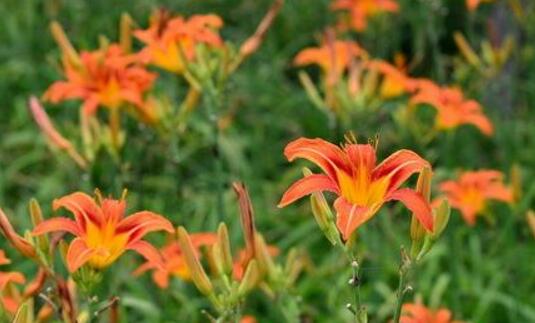
Daylilies like sunlight but also tolerate shade, yet they cannot grow in a light-deficient environment for long; otherwise, the lack of light impedes respiration and photosynthesis, causing the leaves to lose their green color and turn yellow.
2. Compacted soil
Some flower growers do not understand the methods and precautions for growing daylilies, so when planting them they use soil that is not loose and drains poorly. After a period of accumulation, the soil becomes compacted, leading to poor root growth, which in turn makes the leaves turn yellow.
3. Too little fertilizer
Generally speaking, daylilies need 3-4 topdressings a year. If applying dilute fertilizer frequently, this is usually done once every 15-20 days. If the soil is not fertile enough, fertilizer is the main source of nutrients the daylilies need to grow, and too little fertilizer leads to malnutrition, so yellowing daylily leaves are unavoidable.
4. Pests and diseases
Aphids, red spider mites, leaf blight, rust, and so on - these pests and diseases all cause leaves to turn yellow. Not only that, they also slow the plant's growth and, in severe cases, can kill the entire daylily. They are one of the biggest threats to daylily leaves.
What to Do When Daylily Leaves Turn Yellow
1. Move it out of the shade
Move the daylily out of the dark, light-deficient environment as soon as possible and place it in a bright, well-ventilated spot. Once the leaves return to normal, move it into sunlight. Do not move it directly from a dark environment into strong direct sunlight.
2. Loosen the soil and repot
No matter what kind of soil was used when planting, you need to loosen the soil regularly. This prevents the soil from compacting and also stops pathogens from overwintering in the soil. If the daylily is potted, it also needs repotting once every 2 years.
3. Fertilize properly
During the growing season, fertilize properly. You can apply a liquid fertilizer once a month, following the principle of dilute fertilizer applied frequently; the concentration can be slightly lower each time. This not only provides nutrients but also strengthens the daylily and improves its ability to resist pests and diseases.
4. Do a good job of pest and disease control
When pests or diseases appear, treat them immediately. The usual method is spraying with chemicals, and promptly remove the branches and leaves eroded by pests and diseases to prevent the plants from infecting one another.
Causes of Yellowing Daylily Leaves and What to Do About It
The daylily is a perennial herbaceous plant with fleshy roots. Its leaves are flat and long and linear, and fairly wide. When it blooms, it is full of vitality and energy. Such a beautiful plant - what should you do if its leaves turn yellow? Below, let's look specifically at the causes of yellowing daylily leaves and the measures to deal with them.
Causes of yellowing daylily leaves:
Daylilies like moisture but are also drought-tolerant, and they like sunlight and need sufficient light. The main soil requirement for daylilies is good drainage; the soil should be moist but not waterlogged. So, based on the daylily's growth habits, insufficient light, poor soil drainage, or overwatering that makes the growing soil excessively wet will all cause the daylily's leaves to turn yellow.
When fertilizing daylilies, too little fertilizer or too few applications will cause the daylily to lack nutrients, which in turn causes the leaves to turn yellow.
If a daylily suffers from pests and diseases such as leaf blight and rust, this will also cause the leaves to turn yellow or drop off.
What to do when daylily leaves turn yellow:
First, give the daylily a growing environment with plenty of sunlight and moist, well-draining soil. Water in moderation, keeping the soil moist but not waterlogged.
Second, fertilize regularly and properly. Do not let the daylily lack fertilizer; ensure it has the nutrients it needs to grow.
For disease control in daylilies, weed promptly, and remove leaves that have already withered and yellowed as well as dried stems and leaves. Then spray with a 50% mancozeb solution diluted 500-800 times.
Care after treating yellowing daylily leaves:
Once the yellowing of the daylily leaves has been cured, take even more careful care of it. Place it in a semi-shaded spot and ensure ventilation, light, and water supply, and fertilize properly.
Prevent and control pests and diseases promptly, and check often for signs of disease. Spray with chemicals at the first sign of disease, and prune away the affected parts.
What to Do When Daylily Leaves Turn Yellow
Causes of Yellowing Daylily Leaves
Daylilies like moisture but are also drought-tolerant, and they like sunlight and need sufficient light. The main soil requirement for daylilies is good drainage; the soil should be moist but not waterlogged. So, based on the daylily's growth habits, insufficient light, poor soil drainage, or overwatering that makes the growing soil excessively wet will all cause the daylily's leaves to turn yellow.
When fertilizing daylilies, too little fertilizer or too few applications will cause the daylily to lack nutrients, which in turn causes the leaves to turn yellow.
If a daylily suffers from pests and diseases such as leaf blight and rust, this will also cause the leaves to turn yellow or drop off.
Preventing and Treating Yellowing Daylily Leaves
First, give the daylily a growing environment with plenty of sunlight and moist, well-draining soil. Water in moderation, keeping the soil moist but not waterlogged.
Second, fertilize regularly and properly. Do not let the daylily lack fertilizer; ensure it has the nutrients it needs to grow.
For disease control in daylilies, weed promptly, and remove leaves that have already withered and yellowed as well as dried stems and leaves. Then spray with a 50% mancozeb solution diluted 500-800 times.
Care after preventing and treating yellowing daylily leaves
Once the yellowing of the daylily leaves has been cured, take even more careful care of it. Place it in a semi-shaded spot and ensure ventilation, light, and water supply, and fertilize properly.
Prevent and control pests and diseases promptly, and check often for signs of disease. Spray with chemicals at the first sign of disease, and prune away the affected parts.