Goldfish Plant Pinching and Topping Method Illustrated, Prune in May for More Blooms
As a beautiful indoor potted plant, the goldfish plant (Nematanthus gregarius) is kept in many homes, but growing it well is not easy. In daily life, flower lovers who grow goldfish plants all want to pinch them, because pinching can make the goldfish plant produce more branches and avoid leggy growth. So how do you pinch a goldfish plant? Next, let us bring you the illustrated guide to pinching and topping the goldfish plant.
I. How to Pinch the Goldfish Plant, Timing/Method
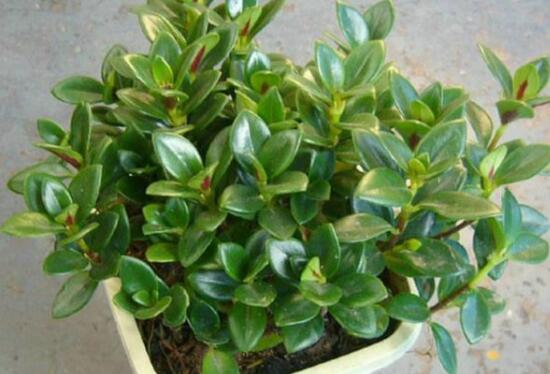
The goldfish plant grows fast and looks lush with branches and leaves, but being too lush is not good, because if the vines are too long, nutrients cannot be transported properly, which may lead to fewer flowers. So pinching is very important, as it can dwarf the goldfish plant and avoid leggy growth. As for how to pinch the goldfish plant, this requires pruning at the right time.
II. Illustrated Guide to Pinching and Topping the Goldfish Plant
1. Pinching Time
Normally, you can choose to pinch in May-June, but in some cases it still depends on the growth of the goldfish plant. The specific pinching time is best in the morning.
If it is a goldfish plant you propagated yourself, after it takes root and survives, wait about 2 months, and then you can pinch it. After pinching, fill the pot with soil in a fixed posture. After potting, when the new branches grow to a certain length, pinch again, so that the branches and leaves spread out to form a drooping branch shape, which looks more beautiful.
2. Pinching Position/Purpose
The purpose of pinching the goldfish plant is to prevent excessive growth of the branches and leaves, control the branches to grow to a certain height, make the branches and leaves strong and vigorous, and promote branching of the plant. So the pruning position for the goldfish plant is the topmost end of each branch, which is the only way to achieve the greatest pruning effect.
3. Pinching Method
How do you pinch the goldfish plant? After making the above preparations, you can officially start pinching. Specific operation: use scissors to cut off the top 1/3 of each new shoot of the goldfish plant. After cutting, promptly deal with the leaves at the cut, which can be directly cleaned away, as this is beneficial to the growth of new buds.
Note: when pinching, do not cut its main branch. After pinching, it must not be placed in the sun to be exposed. Move it to a place that is both shady and ventilated. Wait until no liquid is flowing from the cut, then move the potted plant into the sunlight. Watering and fertilizing are the same, both should wait until the cut has dried.
4. Precautions
1. The pinching time must be well controlled, neither too early nor too late. Too early will affect the growth of the root system and lead to weak seedlings; too late will cause the plant to grow leggy and become unattractive. It is better to wait until the branches and leaves have grown a little larger and thicker before pruning.
2. Pinching will control the height of the goldfish plant, and at the same time it will also speed up the growth of its side branches. So in daily care, in order to avoid leggy side branches, appropriate pruning should also be carried out.
3. The number of times to pinch the goldfish plant should be determined according to its own growth condition, but all pinching actions must be stopped before the flowering period of the goldfish plant.
How to Pinch and Top the Goldfish Plant (Illustrated) How to Prune the Goldfish Plant
The goldfish plant is one of the flower potted plants that many people like to grow, but some flower lovers find that the goldfish plant they grow easily becomes leggy, resulting in a complete loss of beauty. In fact, you can choose to top the goldfish plant, that is, pinch it. This can not only prevent it from growing leggy, but also help it enter the flowering period faster. Now let us learn the topping techniques together with the editor!
How to Pinch and Top the Goldfish Plant (Illustrated)
1. Choice of Pinching Time
Usually May to June is chosen, but in some cases it still depends on the growth of the goldfish plant. Pinching should be done in the morning.
2. Choice of Pinching Position
The topmost end of each branch of the goldfish plant.
3. Pinching Method
Use scissors, preferably flower scissors specially used for pruning plants, to cut off the top 1/3 of each new shoot. After cutting, promptly deal with the leaves at the cut, which can be directly cleaned away, as this is beneficial to the growth of new buds. But when pinching, do not cut its main branch. After pinching, it must not be placed in the sun to be exposed. Move it to a place that is both shady and ventilated. Wait until no liquid is flowing from the cut, then move it into the sunlight. Watering and fertilizing are the same, both should wait until the cut has dried.
4. Precautions
Pruning of side branches: pinching will control the height of the goldfish plant, and this will also speed up the growth of its side branches at the same time, so in daily care be sure to pay attention and do not let its side branches grow leggy; appropriate pruning should also be carried out.
Number of pinchings: the number of times to pinch should be determined according to the growth condition of the goldfish plant, but all pinching actions must be stopped before the flowering period of the goldfish plant. The goldfish plant can bloom multiple times within a year, and the intervals between flowering periods are also different, so in daily life be sure to observe more before pinching.
How to Prune the Goldfish Plant
1. Pruning Time
After the goldfish plant grows normally, pay attention to management to help it grow new branches. When it can be pinched, pinch it so that it branches more. Generally, pinching can be carried out around two months after survival, and then the pot can be filled with soil in a fixed posture. After potting, when the new branches grow to a certain length, pinching can be carried out, so that the branches and leaves spread out to form a drooping branch shape, which looks more beautiful and full of artistic sense.
2. Daily Pruning
When the goldfish plant is not growing leggy, the pinching adopted can be carried out branch by branch. Doing this not only makes the plant shape look better as it grows, but the branches will also become thick and woody, which is beneficial for resisting diseases and pests, and can also support the weight of the whole plant's branches hanging down. Most importantly, doing this increases the number of flowers.
Why the Goldfish Plant Does Not Bloom
1. Insufficient light: the goldfish plant likes a shady environment, but light is essential for green-leaf plants to survive. While enjoying the warmth of the sun, they accumulate nutrients for themselves. With insufficient light, the plant grows poorly, and blooming is even less likely.
2. Improper watering: the goldfish plant likes a cool and dry environment, and has a short dormant period in winter, blooming after waking up. If watered too much, it is very easy to cause the stems and branches to soften and rot and die. If the plant is infected by diseases and pests, it is very difficult for it to bloom.
3. Poor ventilation: the goldfish plant is most averse to being grown in a stuffy environment. If the growing environment has no circulating air, the leaves will gradually wilt and turn yellow, and normal growth will be inhibited. If it happens to be in the flowering season, the flower buds cannot grow normally and it will be difficult to bloom.
Growth Habits of the Goldfish Plant
It likes high temperature, high humidity, and a shady environment. If it is placed in the sun for a long time, or if it is too dry or the winter temperature is too low, it will cause leaf drop. The goldfish plant is most prone to losing leaves in winter, and this is related to temperature. The suitable growth temperature for the goldfish plant is 18-22°C. It is averse to low temperatures. If the temperature is below 10°C for two consecutive days, the leaves will begin to turn yellow and dry out, until even a very slight vibration will cause leaf drop. Besides low temperature, if the temperature continues to exceed 30°C, it will also drop leaves. In summer, with high temperatures, the goldfish plant grows very slowly or almost stops growing. At this time, appropriate shading measures should be taken so that it can grow vigorously and not drop leaves.
As mentioned above, everyone should now understand how to top and pinch! In fact, if you want plants to be more beautiful, be sure to pay attention to pruning and care. This can not only prolong their lifespan, but also make them more beautiful and elegant!