What to Do When Cymbidium Leaves Turn Yellow? Learn These 6 Tips, Water and Fertilizer Are Key
Many flower enthusiasts are probably familiar with the Cymbidium orchid. It is a very precious variety among orchids, with large blooms and vivid flower colors, and is often grown indoors in pots. However, in the process of growing Cymbidium orchids, many people encounter yellowing leaves. So what should you do when Cymbidium leaves turn yellow? For this, the editor has summarized 6 causes. Let's take a look!
I. When Cymbidium Leaves Turn Yellow, Find the Cause
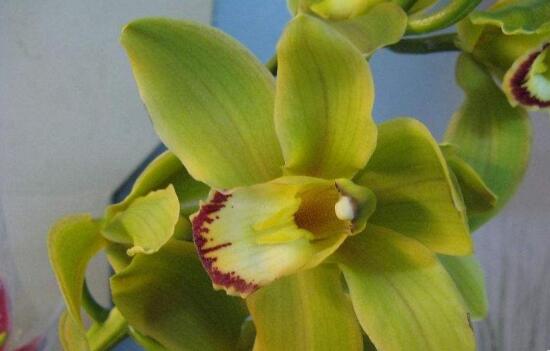
In daily life, many people grow Cymbidium orchids, but beginners often do not follow the proper Cymbidium growing methods when caring for them, so they frequently run into yellowing leaves, which seriously affects their ornamental value. So what should you do when Cymbidium leaves turn yellow? For this, the editor has summarized 6 causes of yellowing Cymbidium leaves. Let's take a look!
II. Causes of Yellowing Cymbidium Leaves and Solutions
1. Sudden Environmental Change
There are actually many causes of yellowing Cymbidium leaves, but environmental factors are the first thing everyone should consider. The reason is that many flower enthusiasts buy their Cymbidium orchids online, which can easily create a large regional gap. The Cymbidium cannot adapt for a while, and yellowing leaves appear as a result.
Solution: At this point, you can communicate with the seller to find out what growing environment the Cymbidium was in before purchase, and then recreate that same environment at home. After that, change it slowly until the plant fully adapts to the current environment. After some time, the Cymbidium will recover its health.
2. Too Much Watering
Cymbidium orchids like a moist environment, so we need to water them frequently. But Cymbidium orchids have fleshy roots that can store water, so they are fairly drought-tolerant. Once watered too much, water easily accumulates at the bottom of the pot, affecting root aeration and causing root rot. The final result is that the leaves gradually turn yellow.
Solution: Reduce watering and move the pot to a ventilated, sunny spot so the water evaporates quickly. Once the Cymbidium recovers, water based on the principle of watering when dry and stopping when wet, and flexibly adjust the number of days between waterings according to room temperature. For specific details on how to water Cymbidium orchids, there is a detailed introduction earlier, so I will not go into it here.
3. Too Much Fertilizer
Cymbidium orchids like fertilizer, but once too much is applied, fertilizer burn can occur and cause yellowing leaves. In addition, with potted Cymbidium orchids bought from flower shops, some sellers add flower soil to the pot. After we bring them home, the organic matter in some of that soil ferments and releases heat, scorching the roots and causing root rot, which makes the Cymbidium leaves turn yellow or even die.
Solution: When too much fertilizer has been applied, water appropriately to dilute it. If it is a newly purchased potted plant, it is recommended to carefully check the flower's potting soil to ensure the plant grows robustly.
4. Temperature Too Low
Cymbidium orchids like a warm environment. Although they are fairly cold-tolerant, they cannot withstand temperatures that are too low. Especially in the north, they need to be cared for indoors in winter. If they are hit by cold air, the leaves can also turn yellow.
Solution: If the yellowing of Cymbidium leaves is caused by cold air, the situation is usually not serious. You just need to cut off the yellowed leaves and nurse the plant back slowly. After some time, it will recover.
5. Humidity Too Low
Cymbidium orchids have relatively high requirements for air humidity. If indoor air humidity is low and the temperature is on the high side, yellow leaves with scorched edges easily appear. In addition, being near an air conditioner and exposed to cold or hot air can also easily cause Cymbidium leaves to turn yellow.
Solution: Use a spray bottle to mist the leaves every day to increase air humidity. If the yellowing is caused by an air conditioner, simply move the plant away and cut off the yellow leaves.
6. Insufficient Light
Besides the points above, another possible cause of yellowing Cymbidium leaves is light that is too weak. It is understood that Cymbidium orchids like light but cannot tolerate direct strong light. Once they are placed in a shaded spot indoors for a long time, their growth will suffer and symptoms will appear, leading to yellow leaves.
Solution: When growing Cymbidium orchids indoors, it is best to place them on a balcony or in a spot with plenty of light, and also pay attention to whether the plant adapts to the microclimate of that location.
Overall, Cymbidium orchids are still quite easy to grow, but because many flower enthusiasts are beginners, yellowing leaves are unavoidable. Still, after reading this whole article, I believe everyone now has a clearer idea. If yellowing leaves appear, just follow the methods above. That is all the editor has to share about yellowing Cymbidium leaves, and I hope it helps everyone.
What to Do When Cymbidium Leaves Turn Yellow, and How to Grow Cymbidium Orchids
There are many varieties of Cymbidium orchids, and their flowers are large, vividly colored, subtly fragrant and elegant, making them very popular. But many people still do not understand Cymbidium cultivation well, so some growing problems arise. Below, let's talk about what to do when Cymbidium leaves turn yellow, and how to grow Cymbidium orchids.
What to Do When Cymbidium Leaves Turn Yellow
1. Light Too Poor
Cymbidium orchids like light but fear direct strong light. Generally, scattered light is best. Light that is too weak will also cause poor growth and symptoms such as yellow leaves. Indoor appreciation usually determines where the flowers are placed based on the indoor location. When placing Cymbidium orchids, pay attention to whether the location suits their growth, so that there is neither direct strong light nor insufficient scattered light.
2. Improper Watering
Although Cymbidium orchids like moisture, their potting medium holds moisture strongly and their roots are fleshy, so they tolerate mild drought relatively well. Therefore, it is recommended not to water too much or too often, otherwise excessive watering will cause root rot and yellow leaves. For watering Cymbidium orchids, clean water close to room temperature is enough. You can adjust the number of days between waterings according to room temperature. When watering, pour slowly and gently, do not dump it in hastily.
3. Too Much Fertilizer
During the flowering period, Cymbidium orchids are not suited to fertilizer water, otherwise the flowering period shortens. Improper fertilizer use can also cause fertilizer burn and yellow leaves, so it is suitable to apply fertilizer after the flowering period ends.
4. Temperature Too Low
Although Cymbidium orchids are fairly cold-tolerant, they cannot withstand lower temperatures, which can damage leaves or flowers and gradually turn the leaves yellow. For this type of damage, you can only cut off the yellowed Cymbidium leaves and nurse the plant back slowly, but it usually will not die.
5. Unsuitable Environment
Cymbidium is a flower that likes relatively high air humidity. If indoor air humidity is low and the temperature is on the high side, yellow leaves with scorched edges easily appear. You can mist more times each day to increase the humidity of the microclimate. In addition, if it is directly hit by air conditioning or placed near heating and other environments prone to dryness, scorched edges and yellow leaves are also very likely. When this happens, just make adjustments, but leaves that have already turned yellow can only be cut off.
6. Improper Repotting
Cymbidium orchids sold on the market are all repotted into relatively beautiful and elegant porcelain pots, but during the repotting process, because the pot is a bit large, some sellers add flower soil to the pot. However, some of that soil is not fully decomposed. After it is repotted and sold, when the organic matter ferments and releases heat, it harms the plant, scorching the roots and causing root rot, which makes the plant's leaves turn yellow or die. So when choosing a Cymbidium orchid, carefully check the flower's potting soil to ensure the plant grows robustly.
How to Grow Cymbidium Orchids
1. Soil: Cymbidium orchids require a loose, breathable, well-drained growing medium. They can be grown in leaf mold, or in a mix of moss, charcoal bits, fern roots, charcoal, bark pieces, crushed brick and so on. Ordinary potting soil and the potting soil used for growing Chinese orchids are not suitable. Soil with poor aeration and drainage will cause root rot.
2. Watering: Cymbidium orchids like relatively high air humidity. In spring, summer and autumn, while giving the roots sufficient water, mist the leaves frequently. But after flowering in early spring, during the Cymbidium's brief dormancy, watering must be reduced. Only when new shoots grow larger new roots can you water more.
3. Sunlight: Cymbidium orchids need plenty of scattered light to grow. In summer and autumn, use a shade net to provide about 50% shade. On cloudy days or in winter and spring when sunlight is soft, open the shade net to let in direct light. But during the flowering period, place the orchid in a spot with weaker light so its flowers bloom vividly.
4. Temperature: They like warm winters and cool summers, with an optimal growing temperature of 10°C to 25°C. The nighttime temperature should preferably be around 10°C. Especially during the flowering period, keeping the temperature above 5°C and below 15°C can extend the flowering period by more than 3 months.
5. Fertilizing: During the growing period, apply light fertilizer frequently. You can top-dress with diluted chemical fertilizer or compound fertilizer. If more bone meal or decomposed soybean cake fertilizer is applied, the flowers can be larger and more numerous. Liquid fertilizer should be diluted at 1:1000 and applied once every 10 days. Before flowering, apply enough fertilizer. Do not fertilize during the flowering period or in midsummer.
6. Pests and Diseases: If the growing environment is poor, Cymbidium orchids are prone to pest and disease damage. Common diseases include Fusarium disease, black rot, soft rot, anthracnose, gray mold, southern blight and so on. Therefore, spray a fungicide once every half month to prevent diseases. Special attention must also be paid to keeping the environment, water source, planting materials and tools clean.
7. Pruning: The pseudobulbs of Cymbidium orchids generally contain more than 4 leaf buds. To avoid dispersing nutrients, the newly emerging small shoots and their growth points must be thoroughly removed. This operation should begin after the flowering period ends, removing shoots once a month, and stop before the new flowering period, so that nutrients can be concentrated and the mother pseudobulb strengthened, making the flowers bloom larger and more numerous.
The above is an introduction to the causes of and solutions for yellowing Cymbidium leaves, as well as how to grow Cymbidium orchids. I hope it can help everyone. For more home knowledge, please stay tuned.
What to Do When Cymbidium Leaves Turn Yellow, and How to Grow Cymbidium Orchids
Cymbidium belongs to the orchid family, genus Cymbidium. It is an evergreen perennial epiphytic herbaceous flower, native to subtropical and temperate regions. The plant is upright, the flower stems are erect or drooping, and the flowers are large and brightly colored. It is mainly used as a potted ornamental. Cymbidium flowers are very large, and the color combinations are especially vivid and beautiful. If you like Cymbidium orchids, then follow the editor below to learn what to do when Cymbidium leaves turn yellow and how to grow Cymbidium orchids.
What to Do When Cymbidium Leaves Turn Yellow
1. Improper Watering
Although Cymbidium orchids like moisture, their potting medium holds moisture strongly and their roots are fleshy, so they tolerate mild cold and are fairly cold-resistant. Therefore, it is recommended not to water too much. For watering, clean water close to room temperature is enough. Do not apply fertilizer water during the flowering period. Apply fertilizer only after the flowering period ends, otherwise the flowering period shortens, and improper fertilizer use will cause fertilizer burn. You can adjust the number of days between waterings according to room temperature. When watering, pour slowly and gently, and do not be too hasty.
2. The Potting Medium Contains Organic Matter That Decomposes Easily
The Cymbidium orchids currently sold on the market are all repotted into relatively beautiful and elegant porcelain pots, but during the repotting process, because the pot is a bit large, some sellers add flower soil to the pot. However, not all flower soil is fully decomposed. After the pot is sold, when the organic matter ferments and releases heat, it causes some harm to the plant. The Cymbidium's roots are scorched and gradually develop root rot, which can cause the plant to turn yellow or wither and die. It is recommended to carefully inspect the flower's potting soil once, so as to ensure the flower grows healthily and robustly.
3. Cold Air Damage
Although Cymbidium orchids are fairly cold-tolerant, they cannot withstand relatively low temperatures. On the way home after purchase, they may well be hit by cold air, causing some damage to the leaves or flowers. If it does not show at the time, the symptoms will gradually emerge a few days later. For this type of damaged flower, you can only cut off the yellowed leaves and nurse it back slowly, but in general it will not die.
4. Unsuitable Microclimate
Cymbidium orchids are flowers that like high air humidity. If placed indoors where air humidity is relatively low and the temperature is relatively high, yellow leaves with scorched edges will appear. You can mist several more times a day to increase the humidity of the microclimate. In addition, if it is directly hit by air conditioning or placed near heating and other microclimates prone to dryness, scorched edges or yellow leaves are also very likely. If this happens, just make some adjustments, but leaves that have already turned yellow can only be cut off.
5. Light Too Poor, Too Little Light
Cymbidium orchids like light but fear direct strong light. Generally, scattered light is best. Insufficient light will also cause poor growth symptoms. Indoor appreciation usually determines where the flowers are placed based on the indoor location, but at this time you should also pay attention to whether the flower adapts to the microclimate of that location.
How to Grow Cymbidium Orchids
1. Soil: Cymbidium orchids require a loose, breathable, well-drained growing medium. They can be grown in leaf mold, or in a mix of moss, charcoal bits, fern roots, charcoal, bark pieces, crushed brick and so on. Ordinary potting soil and the potting soil used for growing Chinese orchids are not suitable. Soil with poor aeration and drainage will cause root rot.
2. Watering: Cymbidium orchids like relatively high air humidity. In spring, summer and autumn, while giving the roots sufficient water, mist the leaves frequently. But after flowering in early spring, during the Cymbidium's brief dormancy, watering must be reduced. Only when new shoots grow larger new roots can you water more.
3. Sunlight: Cymbidium orchids need plenty of scattered light to grow. In summer and autumn, use a shade net to provide about 50% shade. On cloudy days or in winter and spring when sunlight is soft, open the shade net to let in direct light. But during the flowering period, place the orchid in a spot with weaker light so its flowers bloom vividly.
4. Temperature: They like warm winters and cool summers, with an optimal growing temperature of 10°C to 25°C. The nighttime temperature should preferably be around 10°C. Especially during the flowering period, keeping the temperature above 5°C and below 15°C can extend the flowering period by more than 3 months.
5. Fertilizing: During the growing period, apply light fertilizer frequently. You can top-dress with diluted chemical fertilizer or compound fertilizer. If more bone meal or decomposed soybean cake fertilizer is applied, the flowers can be larger and more numerous. Liquid fertilizer should be diluted at 1:1000 and applied once every 10 days. Before flowering, apply enough fertilizer. Do not fertilize during the flowering period or in midsummer.
6. Pests and Diseases: If the growing environment is poor, Cymbidium orchids are prone to pest and disease damage. Common diseases include Fusarium disease, black rot, soft rot, anthracnose, gray mold, southern blight and so on. Therefore, spray a fungicide once every half month to prevent diseases. Special attention must also be paid to keeping the environment, water source, planting materials and tools clean.
7. Pruning: The pseudobulbs of Cymbidium orchids generally contain more than 4 leaf buds. To avoid dispersing nutrients, the newly emerging small shoots and their growth points must be thoroughly removed. This operation should begin after the flowering period ends, removing shoots once a month, and stop before the new flowering period, so that nutrients can be concentrated and the mother pseudobulb strengthened, making the flowers bloom larger and more numerous.