5 Reasons for Yellowing Leaves on Schefflera and How to Fix Them, Pay Special Attention to Light
Schefflera, a healthy green plant, is not only beautiful to look at but can also absorb nicotine and harmful gases, protecting people's health, so many households keep one. But during cultivation, many flower lovers encounter the symptom of yellowing leaves. So what should you do when Schefflera leaves turn yellow? In response, the editor has summarized 5 reasons. Let's take a look together!
I. When Schefflera Leaves Turn Yellow, Find the Cause
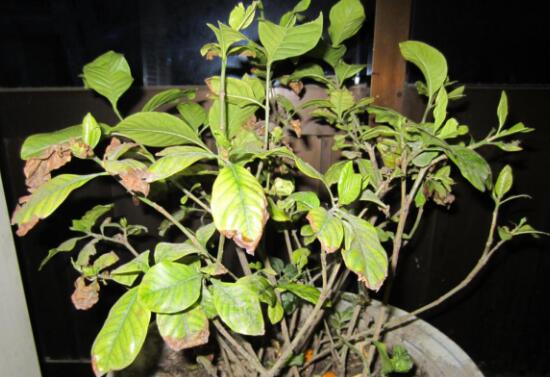
Yellowing leaves on Schefflera is something many beginners encounter during cultivation, usually caused by not following the proper cultivation methods for Schefflera. When this happens, flower lovers must be very worried, but don't panic. As long as you take the right remedial measures, the Schefflera can still be saved.
II. Causes of Yellowing Schefflera Leaves and How to Fix Them
1. Sudden Environmental Change
Regarding the causes of yellowing Schefflera leaves, the first thing to consider should be environmental issues, which can be divided into two scenarios: first, a Schefflera bought at a flower market, because the environment changed too drastically, the Schefflera cannot adapt for a while, resulting in yellowing leaves; second, placing the Schefflera in a poorly ventilated environment or near an air conditioner, which can also cause yellowing leaves.
Remedial method: Communicate with the shop to learn about the growing environment of the Schefflera before purchase, then recreate the same environment at home. After a period of time, the plant will recover its health. If it is caused by a poor indoor environment, it's simple - just improve the environment, which basically means clearing away clutter and moving the pot to a ventilated spot.
2. Improper Light
Schefflera is an indoor potted plant that prefers semi-shade conditions but dislikes strong light, so providing appropriate light is very necessary. However, many beginners find this hard to control, leading to improper light conditions: ① Insufficient light will affect its growth, causing leaves to turn yellow and drop; ② Excessive light will cause the Schefflera leaves to become scorched, yellow, and drop after being exposed to intense sun.
Remedial method: When light is insufficient, give the Schefflera appropriate sun exposure; when light is strong, provide shade. When light is excessive, move it to a ventilated, shaded area and water appropriately. After the plant recovers, move it to a semi-shade location for normal care.
3. Improper Watering
Schefflera prefers moist conditions and is not drought-tolerant. It needs sufficient water during growth, but cannot be watered too much, otherwise yellowing leaves easily occur: ① Watering too much causes waterlogged soil, making it hard for the roots to breathe. Over time, this causes root rot, leading to yellowing and falling leaves; ② Watering too little causes the soil to become too dry, resulting in the plant being deprived of water, causing leaves to droop, turn yellow, and drop.
Remedial method: If overwatered, move the pot to a well-lit, ventilated area to let the water evaporate quickly. In severe cases, repot with fresh soil. If underwatered, increase the amount and frequency of watering, but don't water too much at once - just keep the soil moist. In high summer temperatures, you can spray water on the leaves or around the plant.
4. Improper Fertilization
Besides watering, improper fertilization is also one of the causes of yellowing Schefflera leaves. Schefflera needs certain nutrients during growth. If nutrients are insufficient - that is, too little or no fertilizer - the leaves will turn yellow and drop due to nutrient deficiency. However, too much fertilizer will cause the soil concentration to become too high, burning the roots and also causing leaves to turn yellow.
Remedial method: If under-fertilized, give the Schefflera appropriate fertilizer, noting to dilute with water each time. If over-fertilized or the fertilizer is too concentrated, immediately remove the plant, wash the roots, and repot with fresh soil.
5. Pests and Diseases
During cultivation, Schefflera will inevitably face threats from pests and diseases due to various reasons, such as leaf spot disease, which in severe cases can cause leaves to turn yellow and drop. For this, everyone should pay attention to protective measures and spray relevant chemicals. As for what to spray, there is a detailed introduction in the pest and disease control section for Schefflera, so we won't go into detail here.
Overall, Schefflera is still quite easy to grow, but since many flower lovers are beginners, yellowing leaves will inevitably occur. However, after reading this article, I believe everyone has a better understanding now. If yellowing leaves occur, just follow the methods above to remedy it. That's all the editor has to share about yellowing Schefflera leaves, hoping it can be helpful to everyone.
What to Do When Schefflera Leaves Turn Black and Drop, 3 Causes Easily Solved / Pay Attention to Light and Water
Like goose feet, and evergreen year-round, this kind of leaf is the signature feature of Schefflera, leaving an unforgettable impression. But if these lovely leaves turn black and drop, the Schefflera will become very unattractive. Flower lovers must be very anxious! So what should you do when Schefflera leaves turn black and drop? In response, the editor has summarized 3 causes and included solutions. Let's take a look together.
I. When Schefflera Leaves Turn Black and Drop, Find the Cause
As a common indoor potted plant, Schefflera can be said to be very easy to grow. Some flower lovers often ignore it for days, and it still doesn't die. But is that what everyone wants? Once Schefflera leaves turn yellow, black, or even drop, although it hasn't died, is this ugly state really any different from death? In response, the editor will tell you the causes of blackening Schefflera leaves and their solutions.
II. Causes of Blackening and Dropping Schefflera Leaves
1. Insufficient Light
Schefflera is a plant that likes semi-sunny environments. When grown indoors, we need to let it get some sun from time to time. Once it goes without light for a long time, the Schefflera easily develops blackening leaves.
2. Overwatering
Schefflera prefers moist environments and should be watered regularly, but not too much, otherwise it easily causes water accumulation in the pot, damaging its root system and preventing the Schefflera from properly absorbing nutrients from the soil, which also causes its leaves to turn black.
3. Poor Environment
When growing Schefflera indoors, the environment shouldn't be too poor, especially regarding ventilation. Once the home is too stuffy and enclosed, over time it will affect the plant's survival and physiological activities, resulting in Schefflera leaves turning black and dropping.
III. Solutions for Blackening and Dropping Schefflera Leaves
Because there are many reasons for Schefflera leaves turning black and dropping, you need to treat the specific cause when dealing with this problem. First, cut off the blackened leaves, then implement different rescue measures according to different situations. The specific steps are as follows:
① If insufficient light is causing the Schefflera leaves to turn black, the remedy is simple - move it to a place with good light and care for it well. Of course, the light shouldn't be too strong. It will recover after a period of time.
② If overwatering is causing the leaves to turn black and drop, first, stop watering and move the pot to a well-lit, ventilated area to let the water evaporate quickly. Afterward, gradually resume watering, just keeping the soil moist.
③ If a poor environment is causing the leaves to turn black, then move it to a place with good air circulation and care for it well. It will recover after a period of time.
Overall, Schefflera is a plant with extremely strong adaptability. As long as you care for it attentively, it will grow very beautifully. But if you completely ignore the proper cultivation methods for Schefflera, over time it will also develop various problems, so be attentive when caring for it! That's all the editor has to share about Schefflera leaves turning black and dropping, hoping it can be helpful to everyone.
Identification and Prevention of Cold and Freezing Damage in Flowers and Trees
Potted or ground-planted flowers and trees, when suddenly hit by a cold wave moving south in late autumn or early winter, or by the sudden arrival of "early frost," can easily suffer cold damage or freezing damage. In spring, when potted flowers are moved outdoors or when protective films covering cultivated flowers and trees are removed, suddenly encountering a late-arriving "late frost" or "late spring cold snap" can also very likely cause the plants to suffer cold or freezing damage again. Whether it is large-scale production cultivation or small-scale potted plants for flower enthusiasts, the prevention of cold damage must be given high importance, otherwise it will bring you serious losses and long-lasting "regret."
Cold damage is a physiological disease, not an infectious disease induced by pathogens. It generally refers to damage caused by low temperatures directly acting on the plant, including cold injury and freezing injury, and does not include indirect winter drought, frost heaving, and other winter damage.
Winter drought and frost heaving are indirect damage caused by low temperatures. Winter drought refers to: some evergreen flowers, under certain special weather conditions in winter, such as persistent and strong winds or a not-too-cold but very sunny day, have relatively high transpiration rates. However, because soil temperature is low, roots absorb water slowly, and the plant's internal water cannot maintain normal balance, causing leaves and other tissues to dehydrate and dry out. This is essentially a type of drought damage. For example, the leaves of plants like wood betony and jasmine suddenly dry up on dry, cold, sunny days. Frost heaving refers to: when melted snow water seeps into the soil and refreezes, certain plants, especially seedlings or herbaceous flowers, are often lifted up together with the frozen soil, breaking the close contact between roots and soil, and even tearing the root mass. Before the root system has time to recover, if weather conditions that promote strong transpiration occur, the plant will wilt and die. For example, wintersweet planted in flower pots, placed in a very cold and shaded location in winter, due to the pot soil being relatively wet and freezing, the root ball is lifted up and separated from the pot wall. If not discovered in time and replanted, or moved to a warmer environment, the roots may very likely die from exposure and dehydration, ultimately leading to plant death.
I. Types and Causes of Cold Damage
Because the causes of cold damage differ, the resulting harm also varies. The differences between cold damage and general infectious diseases are: first, it is not contagious, and no pathogens appear on the damaged parts; second, the same type of flower and tree placed in the same environment often shows symptoms simultaneously overnight, with tender shoots and new leaves being most severely affected; third, it occurs under low temperature or particularly cold weather conditions, and the degree of harm is related to the plant species, the duration of low temperature, the speed of temperature recovery, and the lower limit of low temperature.
Calathea Cold Damage
Poinsettia Cold Damage
Mini Monstera Cold Damage
Petunia Cold Damage
Syngonium Cold Damage
Dieffenbachia 'Marianne' Cold Damage
1. Causes of Cold Injury
Some ornamental plants native to tropical or subtropical regions, when affected by low temperatures above freezing (0°C~5°C or slightly higher) for several days or even just a few hours, suffer severe damage to or death of their tissue structures. This type of cold damage, which does not reach the level of freezing within tissues, is called "cold injury" and is caused by the disruption of normal cellular metabolism, which becomes disordered and produces toxic substances. Different physiological activities and metabolic processes in plants each have their own maximum, minimum, and optimal temperatures. When environmental temperature changes, their physiological activities and metabolic processes are affected differently. If the temperature exceeds a certain range, the coordinated relationships between them are disrupted, producing large amounts of substances that would not normally be produced or accumulated. Further research found that under cold injury conditions, the rate of protein hydrolysis increases by 4~9 times compared to normal conditions; nucleic acid metabolism is also severely disrupted; in addition, temperature decline also affects the oxidative activity of sensitive mitochondrial membranes in plant cells.
From this we can see: first, ornamental plant species that experience cold injury are usually plants native to tropical or subtropical regions; second, the temperature condition for cold injury is damage from low temperatures above freezing; third, the duration of cold injury varies, usually several days, or even just a few hours. Generally in late autumn or early winter or early spring, sudden temperature changes are most likely to cause cold injury in ornamental flowering and foliage plants native to tropical or subtropical regions. This typically manifests as overly tender new shoots and young leaves turning "purple," "brown," "yellow," "wilting," or "necrotic." For example, frost-struck Salvia splendens, Reineckea carnea, Kalanchoe blossfeldiana, Bougainvillea, and Tradescantia pallida all belong to this category.
Sun Star Cold Damage
Vinca Cold Damage
Little Angel Cold Damage
Mosquito Plant Cold Damage
Ficus microcarpa Cold Damage
Green Emperor Cold Damage
Green Giant Cold Damage
Peperomia argyreia Cold Damage
Tradescantia fluminensis Cold Damage
Dieffenbachia seguine Cold Damage
Schefflera macrophylla Cold Damage
2. Causes of Freezing Injury
Freezing injury refers to damage caused by ice formation inside the tissues of ornamental plants when they are in an environment below 0°C or exposed to prolonged extreme low temperatures.
Ice crystal formation inside plant tissues can occur in two ways: one is intracellular freezing, and the other is intercellular freezing. The former refers to when plant tissues freeze rapidly, ice crystals form in the vacuoles and protoplasm, destroying the protoplasm structure and causing protein denaturation. Some membranes within the protoplasm are also punctured, usually leading to tissue death. Therefore, the result of this type of "freezing injury" is very severe and irreversible. For example, when a cold wave suddenly moved south from the north in early winter, causing a rapid temperature drop in a short time, the winter of 2004 caused large numbers of foliage plants in southern China to die from freezing injury. In early December 2005, temperatures in the Hefei area suddenly dropped from 12°C~15°C to -3°C~-5°C, causing severe freezing damage to the leaves and young stems of large numbers of ground-planted Magnoliaceae plants such as Manglietia chingii, Michelia yunshanensis, Manglietia insignis, and Manglietia ruyuanensis. The latter refers to when, as environmental temperature gradually decreases, ice crystals gradually form within plant tissues. Because the solution concentration in intercellular spaces is generally lower than that of the protoplasm and vacuolar fluid, when the cooling rate is not too fast, the water in intercellular spaces reaches freezing point and freezes before the cell interior. The formation of ice crystals then causes water in the protoplast to move outward, causing cell fluid concentration, protoplasm dehydration, protein precipitation, cell membrane denaturation, and cell wall rupture. When ice crystals form in intercellular spaces, whether the cell tissue dies depends on the cell's freezing tolerance and the speed and frequency of freezing and thawing. One mechanism of freezing injury is protoplasm dehydration; its consequences are the same as dehydration under drought conditions, namely that mechanical stress generated by cell wall deformation causes irreversible damage to the protoplasm structure. After cell fluid concentration, the concentration of salt ions and organic acids increases, which may also poison the protoplasm. The severity of freezing injury is related to the speed of freezing - the faster the freezing, the more severe the damage, because when freezing is rapid, the possibility of intracellular freezing is greater. If freezing is limited to intercellular spaces, the faster the freezing, the faster the cells lose water and contract, and the greater the destructive effect of the resulting mechanical stress. The serious consequences of freezing injury are also related to the thawing speed of frozen tissues. Generally, in the case of intracellular freezing, tissue necrosis is inevitable regardless of the thawing speed. In the case of intercellular freezing, the faster the thawing, the greater the damage, because the cell wall rapidly absorbs water from melted ice and expands, but the protoplasm attached to the cell wall absorbs water more slowly, and thus is torn and damaged. For example, after severe freezing, Abutilon and Bougainvillea glabra suffered bark tearing and death due to rapid temperature recovery.
II. Specific Manifestations of Cold Damage in Ornamental Plants
1. Xylem Blackening
Among the various tissues of mature branches of woody flowers, the cambium is the most cold-resistant, followed by the phloem, while the xylem and pith are the least cold-resistant. Therefore, mild freezing injury only shows pith discoloration, moderate freezing injury shows xylem discoloration, and only severe freezing injury damages the phloem. If the cambium in the stem or branches becomes discolored, it loses its ability to recover, which may lead to the death of the entire plant.
2. Trunk Bark Cracking and Necrosis
Some flower and tree species native to tropical and southern subtropical regions with high water content in their bark, such as Hibiscus rosa-sinensis, Abutilon, Fagraea ceilanica, Cinnamomum cassia, Pachira aquatica, Euphorbia milii var. splendens, and Ficus microcarpa. When the environmental temperature drops to around -3°C, not only will the leaves and branches be frozen to death, but even the outer bark of the stems, especially at the root collar area, will crack and necrose due to water in the tissues forming ice crystals - expanding when cold and contracting when warm - even causing the entire plant to die.
Michelia alba Cold Damage
Tradescantia pallida Cold Damage
Anthurium Cold Damage
Alocasia Cold Damage
Kalanchoe Cold Damage
Golden Emperor Cold Damage
Euphorbia neriifolia Freezing Damage
3. Color Changes in Tender Shoots and New Leaves
The first is "yellowing": in cold seasons, due to excessively low temperatures, the leaves of some flowers that require higher overwintering temperatures will also turn yellow or even drop due to cold damage, such as Anthurium, spider plants, trailing pothos, and Peperomia argyreia. The second is "whitening": for example, spider plants, Amaryllis, and Tradescantia zebrina placed or planted outdoors, when encountering lower temperatures, the new shoots and tender leaves lose their original luster and show abnormal "whitening and loss of green color." The third is "scorching": the new shoots and tender leaves of some ornamental plants, due to frost damage, develop "scorching" on new leaves, such as spider plants, Clivia, and Fatsia japonica. The fourth is "purpling": some ornamental plants, under low temperature conditions, show "purple-brown" discoloration at leaf tips or leaf margins, such as Zamioculcas zamiifolia, Cymbidium sinense, and Camellia (new leaves).
4. New Shoots and Tender Leaves Look Scalded by Boiling Water
Some ornamental plants with high water content in leaves, new shoots, or stems, including some succulents such as pothos, Fagraea ceilanica, Hibiscus rosa-sinensis, Rieger begonia, Aptenia cordifolia, Clivia, Alocasia, Aloe, Kalanchoe, Rhapis excelsa, Phoenix canariensis (seedlings), Washingtonia filifera, Zamioculcas zamiifolia, and Green Giant, when the environmental temperature suddenly drops from 5°C~8°C to below -3°C~-5°C and lasts for an extended period, their newly sprouted tender branches and leaves look as if scalded by boiling water or cooked, all dying within a short time, with bark cracking and peeling.
5. New Shoots and Tender Leaves Brown, Wither, and Necrose
The new shoots and tender leaves of some underdeveloped ornamental plants, such as Ficus microcarpa, Mahonia fortunei, Fatsia japonica, Nerium oleander, Pachira aquatica, and Cycas revoluta, look as if burned by fire, very unsightly.
6. Plant Body Necrotic and Hollow
Generally, succulents, after suffering freezing damage, often become shriveled and hollow, with the entire plant necrotic. Such as Echinopsis, Opuntia, Euphorbia, and Cereus.
III. Prevention and Treatment of Cold Damage in Ornamental Plants
1. Prevention of Cold Damage in Ornamental Plants
(1) Choose More Cold-Resistant Flower Species
Flower enthusiasts should choose foliage, flowering, or fruit ornamental plant species based on the lowest temperature in normal years in your area or the highest room temperature you can maintain at home in winter (generally 5°C~6°C is needed). In typical homes in the Yangtze River basin, without heating equipment, you can choose Camellia japonica, Camellia sasanqua, Jasminum sambac, Michelia alba, Clivia, Belgian azalea, Prunus mume, wintersweet, Buddha's hand, bitter orange, Anthurium, and Cycas revoluta. Do not choose Codiaeum variegatum, Calathea species, Fittonia, Adenium obesum, Hypoestes, Polyscias, Phalaenopsis, Dieffenbachia 'Marianne', Syngonium, or Zamioculcas zamiifolia.
(2) Carry Out Cold Resistance Training in Stages
Common potted plants such as Pinus parviflora, Pinus thunbergii, Pinus densiflora, Pinus taiwanensis, Chaenomeles, Ulmus parvifolia, Acer buergerianum, Prunus mume, Camellia japonica, Ginkgo biloba, Sabina chinensis, Platycladus orientalis, and Sabina chinensis can be considered for overwintering in the ground. It is best to carry out cold resistance training in several stages after the year's growth has ended. The first stage is 0°C~6°C, lasting several days to several weeks, with sufficient light. For evergreens, this can convert starch in the leaves to sugar and divide large vacuoles into several small vacuoles. Some fat-containing species can convert starch to fat. The second stage is -3°C~-5°C, where the fine structures and enzymes within the protoplasm reorganize, enabling cells to tolerate dehydration caused by freezing. The third stage is between -10°C~-15°C, giving the protoplasm stronger freezing tolerance to survive the cold winter. Some less cold-tolerant succulents, such as Aporocactus, Haworthia, Sedum, and Graptopetalum, if kept on balconies or outdoors long-term, will have a gradual adaptation process and can go from tolerating 0°C to tolerating -5°C~-7°C.
Amaryllis Freezing Damage
Camellia Freezing Damage
Howea forsteriana Freezing Damage
Roystonea regia Freezing Damage
Aloe Freezing Damage
Schefflera octophylla Freezing Damage
Philodendron bipinnatifidum Freezing Damage
Bougainvillea Freezing Damage
Clivia Freezing Damage
Kumquat Freezing Damage
Phalaenopsis Freezing Damage
Phoenix roebelenii Freezing Damage
Musa basjoo Freezing Damage
Osmanthus Freezing Damage
Rhapis excelsa Freezing Damage
Monstera deliciosa Freezing Damage
Cycas revoluta Freezing Damage
Fatsia japonica Freezing Damage
Abutilon Freezing Damage
Nerium oleander Freezing Damage
Caryota ochlandra Freezing Damage
Licuala grandis Freezing Damage
Pachira aquatica Freezing Damage
Cycas revoluta Trunk Freezing
(3) Strengthen Cold-Resistant Cultivation Management
After mid-autumn, control water and fertilizer supply for potted ornamental plants, appropriately increase phosphorus and potassium fertilizer to promote branch lignification and full tissue development, enhancing cold resistance. For example, you can water or spray a 0.3% potassium dihydrogen phosphate solution. Winter pruning or manually removing some leaves (such as Michelia alba) to reduce transpiration area can produce good results in preventing low-temperature damage. Strengthen pest and disease control to promote robust plant growth without autumn shoots or tender shoots.
(4) Provide Freeze Protection for the Tree Body
For tall camellias, osmanthus, banana shrubs, southern magnolias, Canary Island date palms, sago palms and the like planted in the ground, the trunks can be wrapped with straw rope or plastic film, the trunks whitewashed or the canopy sprayed white (7%-10% lime milk); the canopy can also be covered and bound with plastic film, or sprayed with a wax preparation or liquid plastic, all of which can provide a certain degree of freeze protection.
(5) Artificial heating to drive off the cold
For potted plants placed in a greenhouse, during especially cold weather an electric heater or coal stove can be used inside the greenhouse for heating; heating is especially important at 5-6 o'clock in the morning, the coldest time of the day; outside the greenhouse, straw curtains or felt blankets should be added for insulation. In ordinary homes, double-layered plastic bags can be placed over the plants; for potted flowers kept indoors, if conditions permit, the air conditioner can be turned on from about 6 am to 10 pm to prevent anthuriums, arrowroots, clivias, Phalaenopsis orchids, Oncidium orchids, Cymbidium sinense and Cymbidium hybrids from suffering cold damage. For garden-planted flowering trees such as camellias, osmanthus and banana shrubs, water can be sprayed over the canopy at dawn when frost is about to occur, or frost-prevention smoke agents can be lit before frost forms in the morning, which can effectively prevent “radiation frost.”
(6) Delaying bud break to prevent late frost
Using growth regulators or other methods to prolong plant dormancy and delay bud break can avoid frost damage caused by early-spring cold waves. For example, spraying garden-planted flowering plants before bud break or in late autumn with B9, ethephon, maleic hydrazide, potassium naphthaleneacetate (250mg/kg-500mg/kg), or maleic hydrazide (0.1%-0.2%) solution all have fairly good results. If potted flowers encounter a “late frost” after being moved outdoors, they can be covered with large double-layered plastic film and uncovered after temperatures rise during the day.
2. Rescue and treatment of cold damage in ornamental plants
(1) Reasonable pruning
For plants that have suffered cold damage, reasonable pruning measures should be adopted; heavy pruning should not be carried out, otherwise harmful side effects will occur. So how should the amount of pruning be properly controlled? The damaged organs should be cut back to healthy parts to promote renewal and growth of the branches, while also ensuring a relative balance between the aboveground and underground organs. Generally, pruning immediately after damage can retain 1cm-2cm of the damaged branch portions to prevent the healthy branch portions from drying and shrinking further downward; if pruning is done after spring begins, it can be cut back to healthy parts to facilitate wound healing; practice has proved that damaged plants given reasonable pruning recover faster than those given heavy pruning or no pruning.
For ordinary evergreen potted woody flowering plants and foliage plants, all dead portions should be cut off in time, and they should be moved to a relatively warm environment.
(2) Protecting and repairing wounds
For large flowering plants whose trunk bases are only locally (on the northwest side) affected by freeze damage, the necrotic parts can be gouged out, painted with a wound-healing agent, and then wrapped and protected with film to create a relatively warm micro-environment for them; for some damaged bonsai plants, they can be remedied by bridge grafting or approach grafting to replace the roots.
(3) Strengthening pest and disease control
After ornamental plants suffer low-temperature damage, because their tree vigor is relatively weak, they are extremely prone to attack by pests and diseases, so chemical agents can be applied in conjunction with prevention and treatment of freeze damage. Among these, fungicides plus moisture-retaining adhesive agents have relatively good results, followed by fungicides plus high-lipid film; both are better than plain fungicides or whitewash agents. This is because the main agent, the fungicide, can only disinfect and sterilize the surface, while the auxiliary agents, the moisture-retaining adhesive and the high-lipid film, both retain moisture and raise temperature, all of which help the formation of callus tissue in frost-cracked bark, thereby promoting healing of freeze injuries.
(4) Fertilizing with caution
For plants that have suffered freeze damage, high-concentration chemical fertilizers should not be applied immediately after overwintering; instead, after temperatures rise and the root system recovers its absorption function, low-concentration liquid fertilizers should be sprayed or watered on, for example 0.3% monopotassium phosphate and 0.3% urea solution can be applied alternately by spraying or watering, with very good results.