Six Reasons for Yellowing and Wilting Leaves on Philodendron 'Imperial Green' and How to Fix Them
Philodendron 'Imperial Green' is a perennial evergreen plant, and its leaves should normally stay lush green all year round. However, because every grower's environment and methods differ, some growers run into the problem of yellowing leaves, which is a real headache. So what should you do when Philodendron 'Imperial Green' leaves turn yellow? In my view, the main reasons are the following six.
What to Do When Philodendron 'Imperial Green' Leaves Turn Yellow
1. Unsuitable Temperature
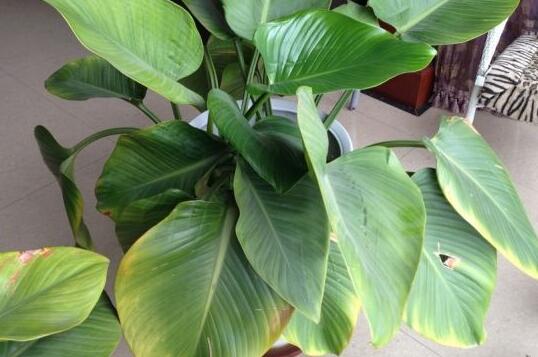
Philodendron 'Imperial Green' is fairly adaptable when it comes to temperature, but its ideal range is 20-30°C. If the temperature drops below 10°C or rises above 35°C, the leaves easily turn yellow with dry edges.
Solution: Pay attention to changes in ambient temperature. When the temperature is too low or too high, take certain measures to cool things down or keep it warm, such as placing it in a cool spot in summer, moving it back indoors in winter, and so on.
2. Humidity Too Low
In the care guide for Philodendron 'Imperial Green', we know it likes to grow in humidity of 50-70%. If the humidity is relatively low, not only will the leaves turn yellow, but the leaves will also droop, seriously affecting its appearance.
Solution: When the air is fairly dry, you can fill a spray bottle with some water and mist around the plant and over the leaf surfaces to raise the air humidity.
3. Unsuitable Light
Philodendron 'Imperial Green' is a shade-loving plant and is not well suited to growing in full sunlight, especially since it cannot be exposed to blazing sun in summer. If the light is too strong, the leaves will show scorch damage. Of course, it also cannot go without light for long periods, otherwise the leaves will lose their green color and slowly turn yellow and wither.
Solution: What should you do when Philodendron 'Imperial Green' leaves turn yellow because of unsuitable light? The first thing to do is move it to a semi-shaded environment for care, and second, avoid direct sunlight on it in normal times.
4. Over-Fertilizing
If the old leaves of Philodendron 'Imperial Green' turn yellow and drop while the new leaves look uneven on the surface, you can check whether you have been over-fertilizing recently. If the fertilizer concentration is fairly high and you fertilize frequently, fertilizer burn will occur, and the result is yellowing leaves on Philodendron 'Imperial Green'.
Solution: Stop fertilizing. If the excess fertilizer is not too severe, you can water more to dilute the concentration, but you need to make sure drainage is good. When the excess is fairly severe, you can bury some cabbage seeds in the soil and pull them out after they sprout.
5. Frequent Watering
Some growers think Philodendron 'Imperial Green' likes a moist environment, so they water it often, and each time they water heavily, keeping the soil constantly too wet. This is very damaging to the roots, and the result is yellowing leaves.
Solution: Reduce how often you water and let the soil dry out somewhat. If the yellowing still has not improved after a while, you can take the plant out of its pot to check how the roots are growing. If there are rotten roots, cut them off promptly, then replace the potting soil and replant.
6. Pests and Diseases
The main targets of pests and diseases are the leaves and roots of Philodendron 'Imperial Green'. If the sap in the leaves is sucked out, it will not only cause yellowing but also various spots, and it will keep spreading to other leaves, so it needs to be dealt with promptly.
Solution: Identify the cause based on the symptoms. For methods, you can refer to the pest and disease control methods for Philodendron 'Imperial Green'. In normal times, do a good job with care and management, keeping the environment suitable to reduce the chance of pests and diseases.
What to Do When Yew Leaves Turn Yellow: Five Causes to Consider Together, with Solutions
Although the yew is a relatively precious plant, growing it is not as difficult as you might imagine. Still, you need to know some tips when planting it, otherwise it may cause yellowing leaves. So what should you do when yew leaves turn yellow? Below is a detailed introduction to several common causes and solutions.
What to Do When Yew Leaves Turn Yellow
1. Watering Problems
Although the yew is not the most drought-tolerant, it can still survive in slightly dry soil. If you water too much, it will cause root rot, while if you water too little, the leaf surfaces will lose their luster and the new shoots at the top will wilt. This is what growers often call water-yellow and drought-yellow.
Solution: Remove the yellowed leaves, then water reasonably. We have covered this in detail in how to water a yew, and growers can use that as a reference. In addition, make sure the soil is airy and drains well, so the water you pour in can be absorbed by the roots. When watering, you can also add some medicine to prevent root rot.
2. Light Problems
1. Light too strong. The yew is also called the Chinese yew, and it is actually a shade-loving plant. If it is often exposed to blazing sun, the water in its tissues will be consumed too quickly, and the leaves may be scorched and turn yellow.
2. Light too weak. Besides too much sun, lack of light is also one of the causes of yellowing leaves, because its leaves need normal photosynthesis. If the light is too weak, photosynthesis will be affected, and poor leaf growth will make the leaves yellowish.
Solution: What should you do when yew leaves turn yellow because of light problems? When growing it, you should neither expose it to blazing sun nor keep it in a dim place for a long time. Seeing 4-5 hours of scattered light each day is ideal.
3. Humidity Problems
Humidity is often overlooked, but it is fairly important for the growth of the yew. If the environment is fairly moist and the humidity is suitable, it will grow smoothly. On the other hand, if the humidity is low and the air is dry, the leaves may dehydrate quickly and curl and turn yellow.
Solution: Watch the ambient humidity. When the air is fairly dry, you can use a spray bottle to mist the leaf surfaces. This not only rinses the leaves and makes them look better, but also raises the surrounding air humidity. Of course, do not spray too much, since standing water will actually have a bad effect.
4. Temperature Problems
1. Temperature too high. The yew originally grows on semi-shaded slopes, and it likes a cool climate best. If the temperature is too high, some old, weaker leaves may turn yellow and drop early.
2. Temperature too low. Normally, the yew can withstand low temperatures below -30°C, but if it is kept in an ultra-low temperature environment for a long time, some leaves will inevitably turn yellow.
Solution: What should you do when yew leaves turn yellow because of temperature? Keep the temperature from being too high or too low. If the summer temperature is fairly high, you can take cooling measures, such as misting or moving it to a shady spot. In winter, when the day-night temperature difference is large, pay attention to cold protection.
5. Environmental Problems
A newly purchased yew, or one suddenly moved to a place with fairly big environmental changes, may also develop yellow leaves, because it needs time to adapt. In the cultivation of many plants, this stage is called hardening off.
Solution: Try to keep environmental changes from being too big, such as suddenly placing it in front of a vent. Try to keep the environment stable, avoiding situations like overly large day-night temperature differences or watering that goes from too much to too little.
What to Do When Pothos Leaves Turn Yellow? Causes and Solutions
Pothos is a large evergreen climbing plant in the genus Epipremnum of the Araceae family. It grows in tropical regions and often climbs over rocks and tree trunks in rainforests. It is extremely adaptable and comes back to life when it touches water. Because of its tenacious vitality, it is called the “flower of life.” It has very high ornamental value and can also absorb benzene, trichloroethylene, formaldehyde and more from the air. Now let us take a look at what to do when pothos leaves turn yellow!
Insufficient Water Causes Leaf Edges to Dry Up
[Cause] If there is not enough water in the pothos soil, the leaf edges will dry up and turn yellow, and leaves will also drop.
[Solution] Water the pothos with enough water in time.
Too Much Water Causes Dull Yellow Leaf Surfaces
[Cause] If there is too much water in the pothos soil or container, it will also cause yellow leaves. The leaf surfaces will look dull yellow and lusterless, and the roots may even rot.
[Solution] Stop watering and loosen the soil moderately.
Direct Sunlight Causes Leaves to Wilt
[Cause] Pothos grows in cool, shady environments, so leaving it in strong light for a long time easily causes the leaves to wilt and wither, and then turn yellow and drop.
[Solution] Place the pothos in a cool place with light, and water it appropriately.
Dim Light Causes New Leaves to Turn Yellow
[Cause] If pothos is kept for a long time in a dim, poorly ventilated place, the green leaves will turn yellowish because of a lack of chlorophyll, and especially the newly grown leaves will also be yellowish.
[Solution] Place the pothos in a cool spot with plenty of light.
Too Much Fertilizer Causes Old Leaves to Drop
[Cause] If you fertilize pothos too much, excess nutrients will accumulate in the old leaves, which will then also turn yellow and eventually drop.
[Solution] Reduce how often you fertilize, and water with plain water to dilute the fertilizer in the soil.
Too Little Fertilizer Causes Roots and Leaves to Turn Yellow
[Cause] When pothos lacks nutrients and is under-fertilized, the leaf surfaces will gradually fade and turn yellow, and the leaves near the roots will turn yellow first and drop.
[Solution] Fertilize more often.
Poor Ventilation Causes Green Leaves to Turn Yellow
[Cause] The growing environment for pothos needs to be ventilated and cool. In winter, the indoor temperature should not be too warm, and you should also pay attention to ventilation, otherwise dry heat will also cause green leaves to turn yellow.
[Solution] Open the windows for ventilation and water more to ensure nutrition.
Old Leaves Turning Yellow Is Normal
[Cause] Pothos needs to adapt to a new environment, which generally takes about 30 days. During this period, individual old leaves will show signs of yellowing. This is normal and part of the adjustment period.
[Solution] Do not rush to take measures. Once it returns to normal, the pothos will grow vigorously.