How to grow a Money Tree? Growing methods and precautions, acidic soil and frequent watering
The Money Tree, also called the Money Plant, is very common indoors. It is a plant with an auspicious meaning and good looks, deeply loved by flower enthusiasts. In daily life, many people want to grow a Money Tree, but they do not know how to care for it. For this reason, the editor has carefully compiled the growing methods and precautions for the Money Tree, which are very comprehensive. Friends who want to grow one should definitely take a look~
I. How to grow a Money Tree: understand its habits
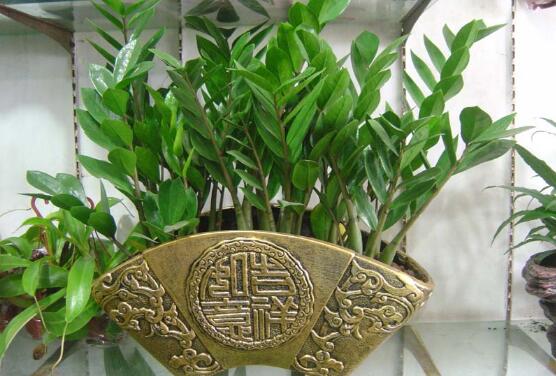
The Money Tree likes a warm, humid environment with good air circulation. When grown indoors, it should be placed in a ventilated spot and watered frequently. In winter, relevant cold protection measures are also needed. In addition, the Money Tree dislikes strong direct sunlight and is afraid of heavy, sticky soil and water accumulation in the pot. So how do you grow a Money Tree? Just meet its growing habits. Let us continue reading for the specific requirements.
II. Growing methods and precautions for the Money Tree
1. Soil: slightly acidic
How to grow a Money Tree: the first step is choosing soil. Although potted plants bought from flower shops come with soil, it is very difficult to grow a Money Tree well in that soil. For this reason, according to the growing habits of the Money Tree, we should grow it in loose, fertile, well-drained, organic-rich, slightly acidic soil.
Recommended soil: soil mixed from coarse sand, peat, washed coal cinders and a small amount of garden soil.
2. Light: avoid strong light
In the growing methods for the Money Tree, light is indispensable. It is understood that the Money Tree likes light, but it also has strong shade tolerance, so we can place it indoors for a long time (in a relatively bright place) and let it get some sun from time to time. Of course, the light cannot be too strong.
Precautions: The Money Tree dislikes direct strong light. In spring, autumn and winter, it can be placed outside in the sun directly; but in summer, when the light is too strong, everyone should provide shading or move it indoors, otherwise the newly sprouted tender leaves are easily scorched. If the Money Tree's leaves turn yellow, the first thing to consider is whether the light is too strong.
3. Temperature: 20-32°C
In the process of growing a Money Tree, adjusting the temperature in a timely way helps the plant grow. The Money Tree likes a warm environment. To grow it well, it is best to keep the room temperature between 20-32°C. In summer, when the temperature exceeds 35°C, the Money Tree grows poorly, and measures such as spraying water around the surrounding environment should be used to cool it down.
Precautions: The Money Tree is not cold-tolerant. Once the temperature is below 10°C, the plant grows slowly; below 5°C, growth stops and cold damage may occur, even causing the plant to die. Therefore, when winter temperatures are low, pay attention to protecting the plant from the cold. At night, you can put double-layer plastic bags over the plant, and when the temperature rises again, remove the plastic bags.
4. Watering: do not water until dry
How to grow a Money Tree: watering is naturally indispensable. It is understood that the Money Tree likes a humid environment, but it is strongly drought-tolerant, so when watering it, everyone should follow the principle of “do not water until dry, and water thoroughly when watering.” In spring, water once a week; in summer, when the temperature exceeds 32°C, water once a day; in autumn, water as little as possible, and spraying the leaves can replace watering.
Precautions: In winter, when the temperature is low, watering should be reduced, and it is better to keep the potting soil on the dry side. Once too much water is given at low temperatures, it easily causes root rot, or even the death of the whole plant. So in winter, it is best to water once every 15-20 days.
5. Fertilizing: twice a month
After watering, let us talk about fertilizing, which is also very important in the growing methods for the Money Tree. The Money Tree likes fertilizer. During the growing season, we should fertilize it twice a month, which can make the Money Tree grow more robust and beautiful.
Precautions: When the temperature is below 15°C, fertilizing must stop, otherwise under low-temperature conditions the fertilizer will harm the roots and stems. In addition, after Mid-Autumn, nitrogen fertilizer should be stopped, and liquid fertilizer mainly based on phosphorus and potassium should be applied 2-3 times in succession to promote the hardening and filling out of the tender leaf axes and leaves.
6. Pests and diseases
During the growth of the Money Tree, due to improper care and other reasons, the plant will inevitably suffer from pests and diseases. Among them, the main pest is scale insects, while there are more diseases, including stem rot, brown spot disease, southern blight, etc., all of which affect the plant's ornamental value. At this time we should pay attention and promptly identify which pest or disease it is, then spray medicine to solve it. As for what medicine to spray, there is a detailed introduction in the pest and disease control section for the Money Tree, so we will not say more here.
How to grow a Money Tree: growing methods and precautions for the Money Tree
The Money Tree has a dignified and neat tree shape, and its leaves, flowers and fruit are all ornamental. Its name also carries a good meaning, so many people quite like to use Money Trees to decorate and beautify their home environment. So how do you grow a Money Tree? What are the growing methods and precautions for the Money Tree? The editor will take everyone to learn about them:
Basic information about the Money Tree:
The Money Tree (also known as the Money Plant, Large-leaf San, Money Ficus, a perennial herbaceous plant. Araceae, genus Xuelu, with elliptical leaflets; there is also Money Ficus, of Moraceae, genus Ficus, with nearly round leaves) is a perennial herbaceous flower introduced from abroad in recent years. The plant height is 50 cm to 80 cm. On the underground bulb grow pinnate compound leaves resembling those of zamia cycads or ferns. The leaf stalks are fleshy, with 7 to 10 pairs of leaflets. The leaflets are elliptical, like pairs of neatly arranged copper coins. The spathe flower bud is reddish brown.
Growing methods for the Money Tree:
1. Soil:The best cultivation medium for the Money Tree is fertile, loose, organic-rich, well-aerated, strongly water- and fertilizer-retentive, but non-waterlogging, slightly acidic soil.
2. Watering:The Money Tree is generally watered twice a week. It should not be watered too much, as this will cause root rot and water accumulation. In winter, moisture should be strictly controlled to help it overwinter safely.
3. Light:The Money Tree can grow well in bright or relatively dark places. In summer, maintain relatively high air humidity and pay attention to shading, avoiding direct sunlight. Too strong light easily scorches the leaves. In winter, a relatively dry environment can be maintained, but bright light is needed.
4. Temperature:The Money Tree likes a bright and ventilated environment. The ambient temperature should be controlled at 15-25°C, and in winter the temperature should not be lower than 5°C.
5. Fertilizing:During the growing season, water and fertilizer should be sufficient. Apply dilute fertilizer water once a month, mainly nitrogen fertilizer. In late autumn, fertilizer should be sprayed to promote leaf growth and improve cold resistance.
6. Pruning:The Money Tree grows relatively fast and needs pruning from time to time, otherwise it will keep growing vertically. This is especially true for newly rooted cuttings; if not pinched and pruned, they will grow into bare stems. The cut branches can be used for cuttings, otherwise they are wasted.
7. Pests and diseases:Pests and diseases generally include anthracnose or damage from scale insects and red spider mites. Attention should be paid to applying pesticides and controlling them promptly.
Precautions for growing the Money Tree:
1. After summer begins, promptly move the Money Tree to a semi-shaded environment. In late spring and early summer, after long rains and the first clear day, shade the potted plant early.
In hot summer, or on clear days after long rains, or when a Money Tree that has been kept indoors for a long time is just moved outdoors for restorative care, direct exposure to sunlight can easily scorch its tender, fat leaves, causing part of the leaves to lose green and turn white, or the entire leaf to be scorched, with the necrotic part later turning brown and black.
2. During the wintering period of the Money Tree, the greenhouse temperature should be maintained no lower than 10°C, and the potting soil should be kept slightly dry.
When the winter temperature drops below 5°C, plus damp potting soil, the tender leaves of the Money Tree are prone to freezing damage and collapse. In severe cases, it can cause the tubers to rot, and it is very difficult to restore vitality.
How to plant a Money Tree?
The Money Tree is generally raised as seedlings in open fields. The sowing site requires loose, breathable soil with good water retention and drainage, a certain level of fertility, and no underground pests or pathogens. For spring sowing, the sowing site is best plowed 1 to 3 times in autumn and winter to promote soil weathering, store water and preserve moisture, and eliminate weeds, pests and diseases. The land should be leveled and finely prepared. In arid areas with little rain, it is advisable to irrigate bottom water well before sowing. The germination rate of Money Tree seeds is relatively low, so the seeding rate should be larger; generally 50-100 g per sq m is needed.
Sow in March in spring. Apply base fertilizer on the selected plot, and spread 3000 g to 4000 g per mu of carbofuran granules or phoxim granules for insect control. Use wide-row drilling, which not only helps the seedlings get ventilation and light but also makes management easier. After sowing the seeds, cover with a layer of loose, finely crushed soil 1-2 cm thick to prevent the seeds from drying out and losing water or being harmed by birds and animals. Then water once lightly, and cover with materials such as straw or stalks to raise ground temperature, maintain soil moisture, and prevent weed growth and soil compaction. After about 20 days, when the seedlings have all emerged, remove the rice straw.
How to grow a Money Tree? The editor has shared the growing methods and precautions for the Money Tree in this article. After reading these, I believe everyone has some understanding. The Money Tree is a relatively popular indoor ornamental plant and also a very good feng shui plant. Learning more about it is still very useful for growing a Money Tree well to decorate the home.
Balcony potted growing methods and precautions for the Money Tree: how the Money Tree overwinters
The Money Tree is relatively simple to grow. As long as you pay attention to soil, water and fertilizer, and temperature, it can grow very well. Growing a pot and placing it at home is not only pleasing to the eye, but also, just hearing its name makes it feel very auspicious. So if we want to grow a pot in winter too, how should we care for it? Let us take a look below.
Balcony potted growing methods and precautions for the Money Tree
Growing methods
1. Soil: The soil for the Fortune Tree is best rich in organic matter, with good permeability and strong water and fertilizer retention, but not the best water-retaining acidic soil.
2. Watering: The Fortune Tree is generally watered twice a week. Do not water too much, as it will cause rot and water accumulation. In winter, moisture should be strictly controlled, which helps it overwinter safely.
3. Light: The Fortune Tree can grow well in bright or dark places. In summer, maintain relatively high air humidity, pay attention to shade, and avoid direct sunlight. Too strong light burns the leaves. It can maintain a relatively dry environment, but in winter it needs bright light.
4. Temperature: The Fortune Tree likewise likes a bright, ventilated environment. The ambient temperature should be controlled at 15-25°C, and the winter temperature should not be lower than 5°C.
5. Fertilizing: During the growing period, water and fertilizer should be sufficient. Apply thin fertilizer water once a month, with nitrogen fertilizer. In autumn, fertilizer should be sprayed to promote leaf growth and improve cold resistance.
Precautions
1. At noon, or in late spring and early summer after long rains and the first clear day, pay attention to sun protection and give the plant appropriate shading.
2. In winter, the potting soil must not be too damp, otherwise under low-temperature conditions it will cause the plant's root system to rot. It is better to keep it on the dry side.
3. When the temperature is below 15°C, all forms of fertilizing must stop, otherwise under low-temperature conditions the fertilizer will harm the roots and stems.
4. In especially severe winter cold, pay attention to protecting the plant from the cold. At night, you can put double-layer plastic bags over the plant, and when the temperature rises again, remove the plastic bags.
5. In summer, promptly listen to weather forecasts and prepare to shade the plant as early as possible.
How the Money Tree overwinters
In winter, the temperature needs to reach above 5°C, otherwise cold damage easily occurs. In deep winter, as long as the temperature stays above 18°C and there is sufficient sunlight, it can grow as usual. When the room temperature is below 8°C, damp, dry and unventilated, the leaves easily develop water-soaked patches, turn bronze-colored and fall off. When the temperature is below 5°C, all the leaves fall, the tender branches lose water and dry up, and in severe cases the whole plant dies. Generally, it is brought indoors to overwinter in November, and taken out after “Grain Rain.” The Fortune Tree has strong adaptability to moisture. It will not suffer waterlogging or drought whether watered heavily outdoors or not watered for more than 10 days indoors. But in winter, the potting soil should avoid dampness and is better slightly moist, otherwise the leaf tips easily scorch, and the leaves may even fall off. If the room temperature is around 12°C, watering once a month is enough.
What to do if the Money Tree's leaves turn yellow
1. If the Money Tree is watered too much, the potting soil becomes too wet and water accumulates. Over time, this causes root rot, and the symptoms of root rot cause the Money Tree's leaves to turn yellow. The remedy is simply to control the amount of watering. First dig the Money Tree out of the pot, being careful not to damage the roots, and check whether the roots have rotted. If they have rotted, bury it in sandy soil and do not water; just spray water around it, wait for the roots to return to normal, then take it out.
2. During growth, because the environment receives no light and remains dark, the leaves become leggy, the branches become thin and shriveled, and the leaves become smaller, affecting normal growth and causing the leaves to turn yellow. The remedy is to let the plant gradually receive sunlight. You can first move half of the plant to a sunny place, then slowly move the whole plant to a lighted spot, giving it the light needed for growth so the leaves gradually return to green. But be careful not to expose it for too long or to direct strong light.
3. If the temperature is too high, the leaves will be scorched and slowly turn yellow. If the temperature is too low and the potting soil is damp, it will cause root rot, which in turn affects leaf growth and makes them turn yellow. The remedy is: when the temperature is too high, shade appropriately and do not expose it to light for too long, as this will raise the temperature; so after exposing it for a period, move it to a cool place to lower the temperature. When the temperature is low, pay attention to cold protection. You can wrap the plant with plastic film and take good cold protection measures.
4. The leaves of the Money Tree can suffer piercing-sucking damage from scale insects. This affects the plant's growth, and when it spreads to the leaves, it makes them turn yellow. The remedy is: first, you can use transparent tape to stick off the insects, or use a damp cloth to wipe off the insect bodies. The direct method is to spray with chemicals: you can spray a 1000-fold solution of 20% buprofezin wettable powder to completely eliminate the source of the insects.
The benefits of the Money Tree
1. Ornamental value
The Money Tree plant has even-numbered pinnate compound leaves. All the compound leaves have thick, swollen leaf axes, and as a whole they look like a raised belly, large and round. Its leaves also have irregular dark brown markings distributed on them, much like a girl wearing camouflage clothing, gracefully standing. On the compound leaves there are also small leaflets growing, fleshy, deep in color, green, bright and beautiful, and even glossy. Such a beautiful Money Tree, if grown as a potted plant at home, truly has great ornamental value.
2. Air purification Because the leaves of the Money Tree are thick in texture, large and robust, it can absorb toxic gases and release oxygen through photosynthesis, bringing fresh air to people's living environment. During the day, the Money Tree can absorb carbon dioxide in the room as well as dust and debris in the air, while at the same time releasing oxygen. It has especially strong absorption of harmful gases such as formaldehyde and benzene indoors. Such a good natural purifier, isn't its effect great?
3. Feng shui effect The Money Tree is called the Money Tree because it carries a very good meaning. When the Money Tree is grown as a potted plant indoors, it can be placed in the bedroom, on the balcony, on the dining table, etc. Its meaning symbolizes attracting wealth and treasure, broad sources of income, and wealth and honor. Therefore, the feng shui effect of the Money Tree is also deeply loved by people.
The Money Tree has high ornamental value and can purify the air, but one important reason most people like it is its excellent meaning and its effect of improving feng shui. Whether placed in the living room or bedroom at home, from a feng shui perspective it is an excellent position and can add wealth luck to the home.